

Stunning River Restoration Delivers Great Benefits for All
The Power of River Restoration and the Surprising Benefits It Delivers
River restoration is reshaping how communities think about clean water, healthy landscapes, and long-term resilience. More projects are taking shape each year, and the results are striking. Rivers once choked by pollution or blocked by old infrastructure are starting to run clearer, support more wildlife, and provide safer spaces for people. As these efforts expand, they offer a glimpse of a future where natural systems work with us rather than against us.
The momentum behind this shift is growing because the benefits reach far beyond the water’s edge. Restored rivers strengthen local economies, reduce flood risk, and create inviting places for recreation. They also help stabilize ecosystems that have struggled for decades. With so many gains emerging at once, it’s becoming easier to see why so many communities are leaning into restoration as a practical path forward.
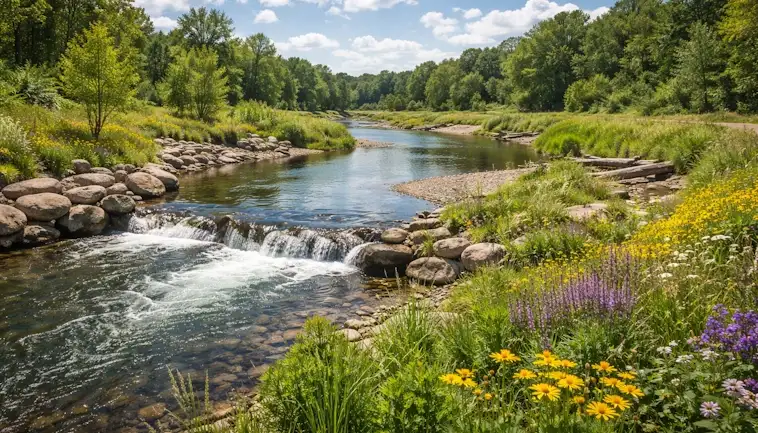
River Restoration: A Clear Path to Healthier Waterways
River restoration is becoming one of the most promising ways to heal the natural systems we depend on. As more communities rethink how they interact with their local rivers, we’re seeing a shift toward practical, science-based solutions that bring waterways back to life. This isn’t just about fixing a damaged ecosystem. It’s also about creating healthier places for people to live, work, and unwind.
When we talk about river restoration, we’re talking about a set of actions that help rivers flow more naturally. This can mean removing old dams, reshaping riverbanks, planting native vegetation, or reconnecting floodplains. Each step moves the river closer to its original rhythm. And when rivers recover, wildlife returns, water quality improves, and entire landscapes become more resilient.
How Healthy Rivers Strengthen Local Communities
A strong river system supports far more than fish and plants. It lifts the wellbeing of surrounding towns. Cleaner water reduces treatment costs. Better habitats boost biodiversity. And restored river corridors often become popular green spaces where people can gather, walk, or cycle.
At the same time, river restoration can help communities prepare for a changing climate. Restored floodplains can absorb heavy rainfall. Slower, natural flows reduce erosion. These benefits add a layer of protection that engineered structures alone can’t match.
As restoration efforts grow, we’re seeing new opportunities. Technology is making it easier to monitor water quality. Local stewardship groups are forming. And long-term planning is helping cities invest in projects that offer both environmental and economic returns.
In the end, river restoration offers a clear path forward. It’s practical, and measurable. And it creates visible improvements that people can feel proud of. By giving rivers the space and structure they need to thrive, we open the door to healthier waterways—and healthier communities—for years to come.
How Restored Rivers Boost Local Wildlife
When a river comes back to life, the landscape around it changes fast. You can actually see the difference. Plants return. Water becomes clearer. And soon, the animals follow. It’s one of the most encouraging signs that nature can bounce back when we give it the chance.
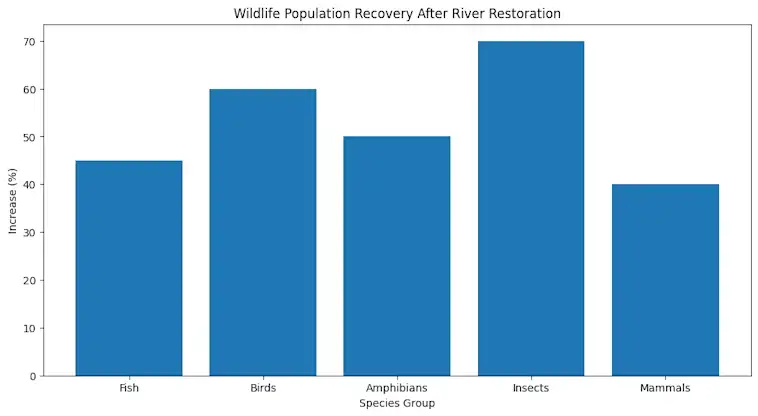
Healthy rivers support entire ecosystems. When restoration clears pollution, reshapes natural banks, and brings back steady water flow, wildlife responds almost immediately. Fish move in first. Then birds arrive. After that, insects and amphibians rise in numbers. Before long, the whole area feels alive again.
And here’s the exciting part: these gains don’t take decades. In many places, noticeable improvements show up in just a few years. This makes river restoration one of the most rewarding environmental actions communities can take today.
The chart below shows how different groups of wildlife can rebound after restoration. It offers a quick snapshot of why so many conservation programs put rivers at the center of their plans.
River Restoration and the Rise of Community Benefits
River restoration is gaining real momentum right now, and for good reason. People everywhere want healthier waterways, cleaner neighborhoods, and stronger connections to nature. As communities rethink how rivers fit into daily life, they’re discovering that restoring these ecosystems delivers far more than a better view. It can reshape local wellbeing. And it can also spark new economic and social opportunities.
This shift feels exciting because it’s driven from the ground up. Residents, local groups, and volunteers are stepping forward to reclaim neglected rivers. And as they do, something bigger is happening: restored rivers are becoming hubs of community pride and local growth.
Why Communities Are Rallying Around River Restoration
As more towns and cities take action, the benefits are becoming much clearer. People see change happening right where they live. They see cleaner water, new walking paths, and refreshed public spaces. And they begin to feel ownership over these improvements. River restoration becomes a shared project with shared wins.
Here are some of the most meaningful gains communities are experiencing:
- Cleaner water and healthier ecosystems that support wildlife
- Safer and more enjoyable public spaces for families
- New opportunities for recreation like kayaking and riverside trails
- Increased local business activity around revitalized river areas
- Stronger community bonds formed through volunteer events and stewardship programs
As river restoration efforts grow, so do the possibilities. Communities are imagining bigger, more inclusive projects. They’re thinking about green jobs, climate resilience, and long-term stewardship. And they’re recognizing that restoring a river is also about restoring connection—to place, to nature, and to one another.
This is a movement with momentum. And if the past few years are any sign, the future of river restoration will be shaped by the people who care most: the communities that call these rivers home.
The Economic Upside of Cleaner, Freer-Flowing Rivers
When we talk about restoring rivers, the conversation often lands on nature and wildlife. Yet there’s another story worth telling—one that speaks directly to our wallets and local economies. Clean, freely moving rivers don’t just look better. They boost economic growth in ways that are both immediate and long-lasting.
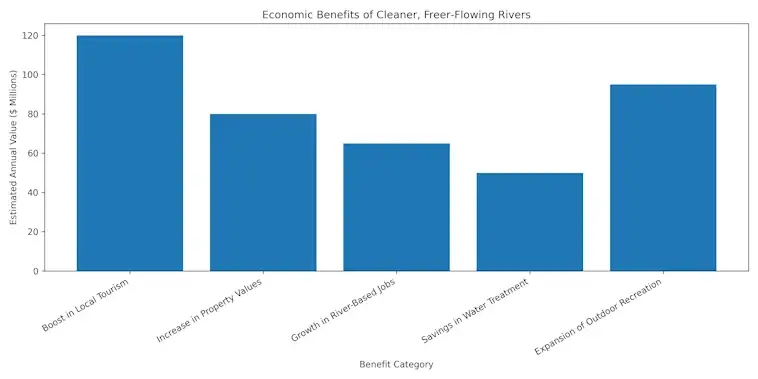
As communities rethink how they manage waterways, we’re seeing a pattern. Once a river is allowed to breathe again, money begins to flow too. Tourism picks up. Property values rise. Small businesses thrive. And cities save real dollars on water treatment and infrastructure.
Even better, this kind of growth tends to be resilient. It strengthens local economies while reducing long-term environmental risk. And when we look ahead, it’s clear that communities investing in healthier rivers today will have a head start in tomorrow’s greener economy.
To give you a clearer picture, here’s a chart showing several of the most common economic gains linked to cleaner, freer-flowing rivers.
What Revitalized Rivers Mean for Our Future
When a river comes back to life, something powerful happens. Communities breathe easier. Wildlife returns. And suddenly, the future feels a little more within our control. Revitalized rivers show us what can happen when we stop treating waterways as afterthoughts and start seeing them as living systems that shape our daily lives.
Cleaner, healthier rivers don’t just look better. They influence everything from public health to local economies. And as more cities focus on restoring damaged waterways, we’re beginning to see what a future built around thriving natural systems could look like. It’s hopeful. Practical. And it’s happening right now.
Why River Restoration Matters More Than Ever
River restoration is not just an environmental project. It’s a reset. When a river heals, the benefits ripple outward. You get safer drinking water. And you get cooler neighborhoods thanks to natural shade and moisture. You also get new recreation areas where people actually want to spend time.
And here’s something exciting: revitalized rivers attract investment. Businesses want to be near clean, vibrant waterfronts. Property values rise. Tourism grows. Even small towns can feel the shift. It shows that environmental progress can work hand in hand with economic opportunity.
As we look ahead, restored rivers may become one of our most valuable tools for adapting to climate change. Healthy waterways can soften flooding, store carbon, and keep ecosystems stable. So when we talk about revitalized rivers, we’re really talking about a safer and more resilient future for everyone.
If you want to explore real-world examples of river recovery, this resource from the American Rivers organization offers useful case studies and guidance.
Conclusion: The Lasting Promise of River Restoration
As we look toward the future, it’s clear that river restoration offers far more than cleaner water. It gives communities new places to gather. And it brings back wildlife. It also strengthens our ability to handle a changing climate. In other words, restored rivers don’t just fix the past — they help shape a healthier, more resilient tomorrow.
When we choose to repair a river, we choose progress. We choose safer neighborhoods, stronger local economies, and landscapes that support life rather than drain it. These projects remind us that meaningful change is still possible, even in a fast-moving world.
So as more regions embrace restoration, we all stand to benefit. The rewards are shared. And the momentum is growing. The next chapter of our waterways can be brighter than the last — if we keep moving forward.