

Storm Surges: Nature’s Powerful Impact on Coastal Areas
Storm surges represent one of the most dramatic and destructive natural phenomena affecting coastal regions. As rapid rises in seawater level caused by powerful storms, these events pose significant threats to life, property, and ecosystems. Understanding the dynamics and impacts of storm surges is essential for preparedness and response.
- Defining Storm Surges A storm surge is an abnormal rise of water generated by a storm, over and above the predicted astronomical tides.
- Impact on Coastal Communities These surges can lead to devastating coastal flooding, especially when combined with normal high tides.
- Challenges in Prediction and Management Accurately predicting the timing and magnitude of storm surges is crucial for effective emergency management and disaster response.
Storm Surges: Nature’s Powerful Impact on Coastal Areas
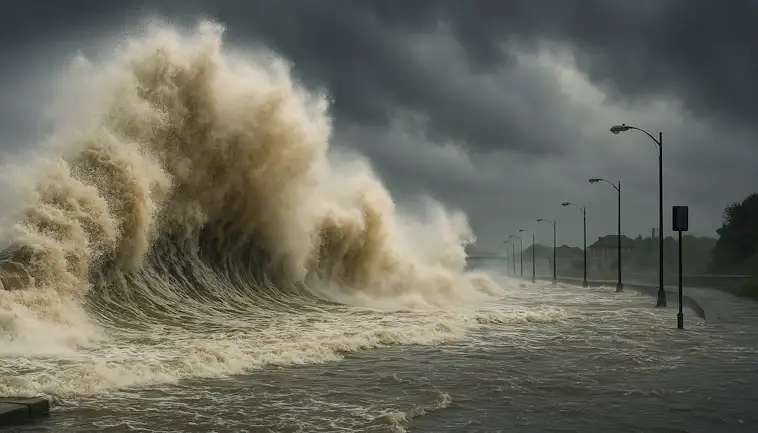
What is a Storm Surge?
A storm surge is a sudden rise in sea level that occurs during a storm, specifically during hurricanes or tropical cyclones. This phenomenon can lead to significant coastal flooding, especially when it coincides with normal high tides.
How a Storm Surge Forms
The formation of a storm surge is influenced by several key factors:
- Atmospheric Pressure: Lower atmospheric pressure allows the sea level to rise. In the centre of a storm, such as a hurricane, the atmospheric pressure is much lower than the surrounding areas. This low pressure acts like a vacuum, causing the sea to bulge upwards, which contributes to the surge.
- Wind: Strong winds are crucial in driving water towards the shore, which can significantly elevate the water level. The intensity and speed of the wind play a direct role in the height and strength of the storm surge.
Components Contributing to a Storm Surge
- Tidal Forces: The alignment of the sun and moon can amplify the effects of a storm surge. If a surge coincides with high tides, the impact can be much more severe, a situation often referred to as a “storm tide.”
- Wave Action: Waves generated by the strong winds of a storm add to the height of the water. These waves can cause additional damage beyond the baseline water level increase due to the surge.
- Geography of the Coastline: The shape and slope of the coastline can also affect the height of a storm surge. Narrow bays and estuaries can funnel the water and increase the surge height.
- Wind Fetch: The distance over which the wind blows without interruption across the water also affects the surge. Longer fetches can generate larger surges as more water is pushed toward the coast.
A storm surge is a complex event influenced by atmospheric pressure, wind, tidal forces, and geographical features. Its formation is primarily driven by the low pressure at the centre of storms and the strong winds pushing seawater toward the coast. Understanding these components helps predict and prepare for the potential impacts of surges during storms.
The Science Behind Storm Surges
Storm surges are a critical and often devastating aspect of coastal storms, particularly hurricanes and tropical cyclones. They occur when sea levels rise significantly above the normal tide, driven by the intense winds and low atmospheric pressure associated with major weather events. Understanding the meteorological and geographical conditions that enhance or mitigate these surges is crucial for preparedness and response efforts.
Meteorological Conditions Affecting Storm Surges
- Wind Speed and Direction: The strength and direction of wind are among the most significant factors in storm surge formation. Winds that blow directly towards the coast can pile up ocean water, creating higher surges. Conversely, winds blowing offshore can reduce the impact of a surge.
- Storm Speed and Trajectory: The speed at which a storm moves and its path can influence the height and duration of a storm surge. A rapidly moving storm might produce a shorter but more intense surge, while a slower storm can lead to prolonged flooding.
- Atmospheric Pressure: Lower atmospheric pressure associated with a storm causes water to rise in a process known as the inverse barometer effect. A deeper drop in pressure leads to a higher surge.
Geographical Influences
- Coastline Shape and Bathymetry: The configuration of the coastline and the underwater topography (bathymetry) can amplify or diminish a storm surge. For instance, a shallow sloping continental shelf will likely enhance a storm surge, whereas deep ocean waters close to the shore can reduce surge heights.
- Bays and Estuaries: Geographical features like bays and estuaries can funnel water and increase the height of the storm surge, exacerbating the flooding in those areas.
Historical Examples of Storm Surges
- Hurricane Katrina (2005): One of the most devastating hurricanes in U.S. history, Katrina caused catastrophic flooding in New Orleans, largely due to a massive storm surge that breached the levee system. The surge peaked at around 25 to 28 feet along portions of the Mississippi coast.
- Superstorm Sandy (2012): Sandy resulted in a significant storm surge that hit New York City, causing widespread flooding in many coastal areas. The surge was particularly severe in areas like Lower Manhattan and the Rockaways in Queens, where waters rose up to 13 feet above normal.
The intensity and impact of storm surges are influenced by both meteorological conditions and geographical features. Factors like wind direction and speed, atmospheric pressure, and the physical characteristics of the coastline all play crucial roles in the formation and severity of surges. Historical incidents like those during Hurricane Katrina and Superstorm Sandy underscore the destructive power of storm surges and the need for careful monitoring and preparedness.
Impact of Storm Surges
Storm surges are not only a dramatic force during a storm but also have lasting impacts on communities, infrastructure, and the environment. These surges can lead to severe immediate effects and pose long-term recovery challenges. Understanding these impacts is crucial for effective planning and disaster response.
Immediate Effects of Storm Surges
- Infrastructure Damage: Storm surges can devastate critical infrastructure such as bridges, roads, and utility systems. The force of the water can undermine foundations, flood subways and tunnels, and disrupt transportation and communication networks.
- Erosion: The powerful movement of water during a surge can lead to significant erosion of beaches and coastlines. This not only alters the landscape but can also weaken the land against future storms and rising sea levels.
- Environmental Impact: Local ecosystems can be severely affected by the saltwater intrusion that accompanies storm surges. This can damage freshwater habitats and kill vegetation that is not salt-tolerant. Additionally, the surge can redistribute pollutants and debris across a wide area, further stressing the environment.
Broader Impacts on Communities
- Displacement: One of the most immediate human impacts of storm surges is the displacement of populations. Homes and communities can be rendered uninhabitable, forcing people to relocate temporarily or permanently.
- Economic Loss: The financial impact of storm surges can be enormous. Beyond the direct costs of damage to property and infrastructure, there are significant economic disruptions to businesses, loss of jobs, and a decrease in tourism in affected areas.
- Long-term Recovery Challenges: Recovery from a storm surge can take years and is often fraught with challenges. Rebuilding infrastructure and homes to be more resilient can be costly and time-consuming. Additionally, the psychological impact on survivors and the strain on governmental and social services can complicate recovery efforts.
Case Studies
- Hurricane Katrina: The storm surge from Hurricane Katrina led to extensive flooding in New Orleans, displacing thousands of people and causing billions of dollars in damages. The recovery efforts faced numerous challenges, including bureaucratic delays and ongoing displacement.
- Superstorm Sandy: In New York and New Jersey, Superstorm Sandy’s surge caused significant damage to coastal properties and infrastructure. The long-term economic impact was profound, with billions spent on recovery and ongoing efforts to fortify the coast against future surges.
The impacts of storm surges extend far beyond the immediate flooding and damage. The effects on infrastructure, the environment, and communities can be long-lasting and complex. Addressing these challenges requires comprehensive planning and resilient infrastructure to mitigate the effects of future surges, safeguarding both human lives and the environment.
Preparing for a Storm Surge
Advancements in technology and improved planning strategies are crucial in predicting and preparing for storm surges, which are among the most dangerous aspects of coastal storms. Effective forecasting and community readiness can significantly mitigate the risks and impacts associated with these powerful events.
Technologies and Methods for Predicting Storm Surges
- Satellite Data: Satellites play a vital role in monitoring storm development and behaviour. They provide real-time data on storm size, path, and intensity, which are critical for predicting storm surges. This data helps meteorologists track storms as they develop and move towards coastlines.
- Computer Modeling: Advanced computer models integrate data from satellites, buoys, and radar to predict the timing, height, and extent of storm surges. Models such as the SLOSH (Sea, Lake, and Overland Surges from Hurricanes) and ADCIRC (Advanced Circulation Model) are specifically designed to simulate storm surge scenarios under various conditions.
- Radar and Buoy Systems: Coastal radar systems and ocean buoys collect detailed information about wind speeds, wave heights, and sea level pressure. This information is essential for refining storm surge forecasts and updating them as storm conditions evolve.
Practical Steps for Individuals to Prepare for a Storm Surge
- Evacuation Plans: Individuals living in storm surge-prone areas should have a clear evacuation plan. This includes knowing the local evacuation routes, having a go-bag ready with essential items, and planning where to evacuate if needed.
- Securing Property: Residents should take steps to secure their property by installing storm shutters, reinforcing garage doors, and elevating critical utilities like electrical panels and heating systems.
- Flood Insurance: Purchasing flood insurance is crucial as standard homeowners’ insurance does not typically cover flood damage, including that caused by storm surges.
Community Strategies for Storm Surge Preparedness
- Public Awareness Campaigns: Local governments and community organisations should conduct ongoing public education campaigns about the risks of storm surges and the importance of preparedness.
- Infrastructure Resilience: Investing in resilient infrastructure is key. This can include building sea walls, levees, and flood barriers, as well as restoring natural barriers like mangroves and reefs which can help absorb some of the energy of storm surges.
- Emergency Communication Systems: Effective communication systems are essential to ensure timely and accurate dissemination of storm warnings and evacuation orders. Communities should have multiple means of communication, such as sirens, text alert systems, and local radio.
Predicting and preparing for storm surges involves a combination of advanced technology and proactive community planning. While satellite data and computer modelling provide the necessary tools for accurate predictions, individual and community preparedness is crucial in minimising the potential damage and ensuring safety during such events. As storm patterns continue to evolve, ongoing improvements in technology and strategies will be vital in facing the challenges posed by storm surges.
Mitigation and Future Prospects
In the face of increasing storm surge threats, coastal communities worldwide have developed a range of structural solutions and management practices. These efforts aim to mitigate the devastating impacts of surges, particularly as changing climate patterns and rising sea levels pose new challenges.
Structural Solutions for Storm Surge Mitigation
- Sea Walls and Flood Barriers: These structures are designed to hold back seawater and reduce the impact of storm surges on coastal communities. Sea walls provide a physical barrier against incoming waves, while movable flood barriers can be deployed in anticipation of a storm.
- Levees and Dykes: Similar to sea walls, levees and dykes are embankments built to prevent ocean waters from flooding inland areas. These are commonly used in river delta regions and areas prone to frequent storm surges.
- Surge Barriers and Floodgates: Large structures such as surge barriers and floodgates can be used to close off bays and river entrances against incoming surges. The Netherlands’ Delta Works and New Orleans’ surge barriers are prominent examples of this technology in action.
- Restoration of Natural Barriers: Coastal mangroves, coral reefs, and wetlands can naturally absorb the energy of storm surges and waves. Restoring these natural barriers not only provides protection but also enhances biodiversity and supports local ecosystems.
Coastal Management Practices
- Zoning and Building Codes: Implementing strict zoning laws and building codes can significantly reduce the damage caused by storm surges. These regulations ensure that buildings are constructed to withstand surges and that development is restricted in high-risk areas.
- Community Preparedness Programs: Training and preparedness programs can help communities respond more effectively when a storm surge is imminent. These programs focus on evacuation procedures, emergency response, and public awareness.
- Integrated Coastal Zone Management (ICZM): This holistic approach involves managing the coastal zone to balance environmental, economic, and social objectives. ICZM can help to coordinate development and conservation efforts, making coastlines more resilient to storm surges.
Impact of Rising Sea Levels and Changing Climate Patterns
- Increased Frequency and Intensity of Storm Surges: As global temperatures rise, the intensity and frequency of hurricanes and cyclones are likely to increase. This could lead to more frequent and severe storm surges, especially in combination with higher sea levels.
- Sea Level Rise: Rising sea levels increase the baseline height of ocean waters, which means that storm surges can travel further inland than they previously could. This exacerbates flooding risks and can render existing coastal defences less effective.
- Altered Weather Patterns: Climate change may alter prevailing wind patterns and ocean currents, which could influence the paths and strength of storms. This makes predicting storm surges more complex and may require adjustments in coastal defence strategies.
Addressing the challenges of storm surges through structural solutions and coastal management practices is increasingly critical as climate change and rising sea levels alter the dynamics of coastal storms. Building resilient infrastructure, restoring natural barriers, and implementing effective coastal management strategies are key to reducing the impact of these powerful events. As conditions evolve, continual adaptation and improvement of these strategies will be necessary to protect vulnerable coastal communities.
Conclusion
These natural phenomena pack a serious punch on coastal areas. From the towering sea walls designed to hold back the ocean’s might to the innovative coastal management practices that help communities stay prepared, the fight against storm surges is as dynamic as the surges themselves. As we face rising sea levels and changing climate patterns, the role of technology and proactive strategies becomes even more crucial.
Keeping our coasts safe isn’t just about building barriers—it’s about building resilience. Whether it’s restoring natural wetlands or updating evacuation plans, every step counts in staying one wave ahead of the next big surge. Here’s to safer shores and smarter strategies as we navigate the challenges of our changing planet.