

Species Conservation and the Urgent Call to Protect Life
Species Conservation and the Urgent Call to Protect Life
Species conservation has never been more critical. Around the world, countless plants and animals are disappearing at alarming rates, and with them go the delicate balances that keep ecosystems healthy. Every species plays a role, whether it’s pollinating crops, cleaning our water, or maintaining soil health. When they vanish, the consequences ripple far beyond the natural world and directly affect human survival.
The urgent call to protect life is not just about saving wildlife; it’s about safeguarding the future of people too. From innovative conservation programs to community-driven efforts, there are real solutions that can turn the tide. The challenge is immense, but the opportunity to act is still in our hands.
Why Species Conservation Matters for Our Planet’s Future
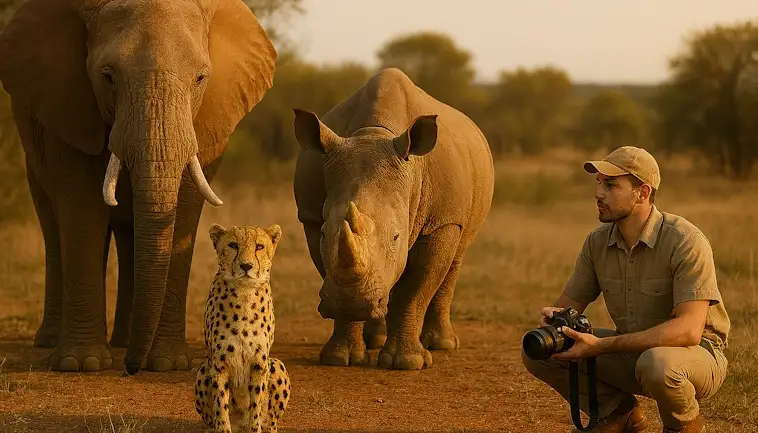
When we talk about protecting species, it’s not only about saving animals we find beautiful or rare. It’s about keeping the balance of life that supports us all. Every species plays a role in the ecosystem, from the tiniest pollinating insect to the largest predator. When one disappears, the ripple effects can be huge.
Nature’s Hidden Safety Net
Think of species as threads in a giant safety net. If too many threads break, the net starts to collapse. This is what happens when biodiversity declines. Forests lose their ability to filter air, oceans struggle to regulate climate, and farmlands become less productive. By conserving species, we protect these natural systems that give us clean water, food, and a stable climate.
Why It Matters to Us
It’s easy to feel like conservation is just about animals and plants, but it’s also about people. Many communities rely directly on healthy ecosystems for their livelihoods. Fishermen need thriving oceans. Farmers need pollinators. Even cities depend on green spaces to reduce heat and improve air quality. Conserving species means protecting the very foundation of human well-being.
Looking ahead, the choices we make today will shape the future of life on Earth. By supporting conservation, we’re not only saving wildlife—we’re investing in a safer, healthier planet for generations to come.
The Biggest Threats to Species Conservation Today
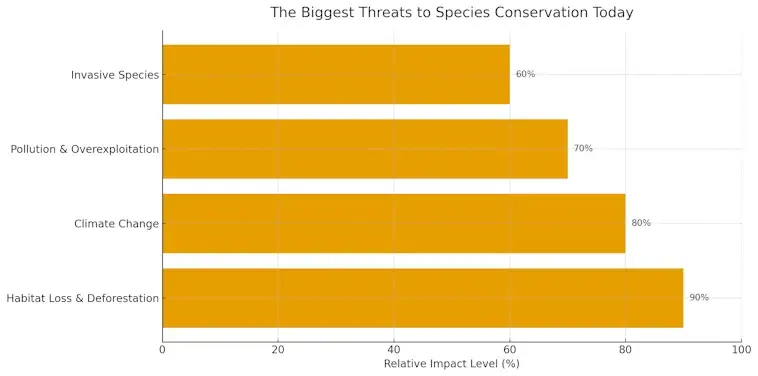
Protecting species is harder than ever. Around the world, animals and plants are under pressure from changes caused by people. If we want to understand why conservation matters, we first need to look at the biggest threats facing wildlife right now.
Habitat Loss and Deforestation
The number one threat is habitat loss. As forests are cleared for farming, cities, and roads, countless species lose the places they need to survive. When a forest or wetland disappears, it’s not just land that’s gone. It’s food, shelter, and breeding grounds for thousands of living things.
Climate Change
Another major danger is climate change. Rising temperatures and shifting weather patterns make it harder for many species to adapt. Some lose their food sources, while others are forced to migrate to new areas. Sadly, not all can move fast enough. Coral reefs, for example, are bleaching at alarming rates due to warming oceans.
Pollution and Overexploitation
Pollution—from plastics to toxic chemicals—poisons ecosystems. At the same time, overfishing, poaching, and the illegal wildlife trade push species closer to extinction. When humans take more than nature can replace, balance is lost.
Invasive Species
In many regions, non-native species are another growing threat. They often spread quickly, outcompeting local wildlife for resources. This can devastate ecosystems that took thousands of years to form.
Protecting biodiversity means tackling all these challenges at once. While the threats are serious, the good news is that solutions exist. With smarter policies, stronger protections, and everyday choices from all of us, conservation can succeed.
How Communities Can Support Species Conservation Efforts
When it comes to saving wildlife, big organizations and governments aren’t the only ones who can make a difference. Local communities play a powerful role too. In fact, some of the most successful conservation projects in the world are driven by people working together in their own neighborhoods.
Local Action That Matters
Communities can protect species by safeguarding local habitats. This can mean planting native trees, cleaning up rivers, or setting aside land for wildlife. Small steps, when done together, create lasting change. For example, a group of volunteers restoring a wetland can give birds and fish a safe home again.
Education and Awareness
Sharing knowledge is just as important as taking action. When schools, community centers, and local groups talk about conservation, awareness grows. People begin to see the connection between healthy ecosystems and their own lives. A well-informed community is more likely to support policies that protect nature.
Every person counts in this effort. Whether it’s joining a cleanup, supporting eco-friendly businesses, or speaking up for stronger protections, community involvement builds momentum. By working together, we can create healthier environments for both people and wildlife.
The Role of Technology in Advancing Species Conservation
Technology is changing the way we protect wildlife. From tracking animals to restoring habitats, new tools give conservationists more power than ever before. What once took years of research can now be done in a matter of days.
Tracking and Monitoring Wildlife
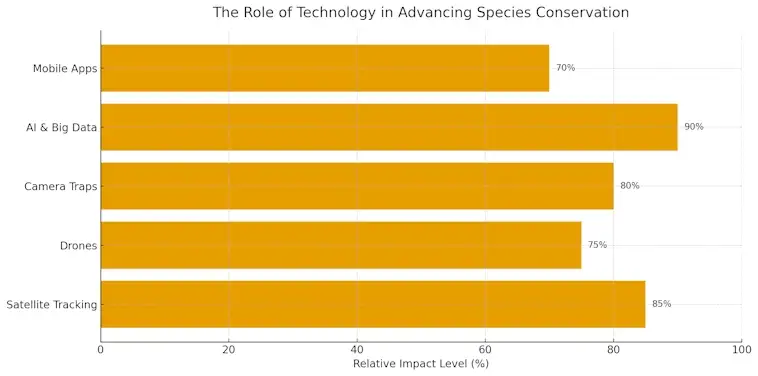
One of the biggest breakthroughs is the use of satellite collars, drones, and camera traps. These tools allow scientists to monitor species without disturbing them. We can follow migration paths, understand feeding habits, and spot threats in real time. This data helps create smarter conservation plans that actually work.
Using Data for Smarter Decisions
Big data and artificial intelligence are also transforming conservation. By analyzing patterns, experts can predict risks before they happen. For example, AI can flag areas where poaching is likely or where forests are at high risk of being cut down. With this insight, resources can be directed where they’re needed most.
Technology and Community Involvement
It’s not only scientists who benefit. Apps and online platforms let communities take part in conservation too. People can record wildlife sightings, report illegal activities, or even donate directly to local projects. This builds a stronger connection between people and the species they’re helping to protect.
Looking ahead, technology will continue to shape the future of conservation. While it can’t replace human care and commitment, it’s giving us new hope in the fight to protect life on Earth.
What You Can Do to Help Species Conservation at Home
You don’t have to be a scientist or travel to faraway places to make a difference. Species conservation starts right where you live. The small choices you make every day can add up to big change for wildlife and the planet.
Make Your Home More Wildlife-Friendly
One easy step is to create a safe space for local species. Planting native flowers in your garden or even on a balcony can give pollinators like bees and butterflies the food they need. Adding a bird feeder or a small water source can also help support local wildlife. These simple actions turn your home into a mini conservation zone.
Reduce Waste and Choose Wisely
Another powerful way to help is by cutting back on waste. Avoid single-use plastics, recycle whenever possible, and shop with reusable bags. Choosing products that are eco-friendly and sustainably sourced also reduces pressure on natural habitats. Every purchase is a vote for the kind of world you want to live in.
Conservation isn’t just about big projects or government action. It’s about individuals making mindful choices. By changing a few habits at home, you become part of a global effort to protect species and secure a healthier planet for future generations.
Protecting Species, Protecting Our Future
Species conservation is more than just saving animals and plants. It’s about safeguarding the systems that keep our planet healthy and balanced. From forests that clean our air to oceans that regulate our climate, biodiversity supports life in ways we often overlook.
The good news is that everyone can play a part. Whether through community action, smarter use of technology, or small changes at home, each effort contributes to a bigger impact. Protecting species means protecting ourselves, our children, and generations yet to come.
The choices we make today will shape the future of life on Earth. By supporting conservation, we ensure a safer, healthier, and more sustainable planet for all.