

Simple Wildlife Protection Habits That Make a Big Impact
Simple Wildlife Protection Habits That Make a Big Impact
Wildlife protection doesn’t always require grand gestures or large donations. Often, the most powerful changes come from simple habits that anyone can adopt in daily life. From the way we manage our waste to the choices we make in our backyards, each small step helps create a safer and healthier environment for animals. These everyday actions not only protect vulnerable species but also strengthen the balance of nature that supports us all.
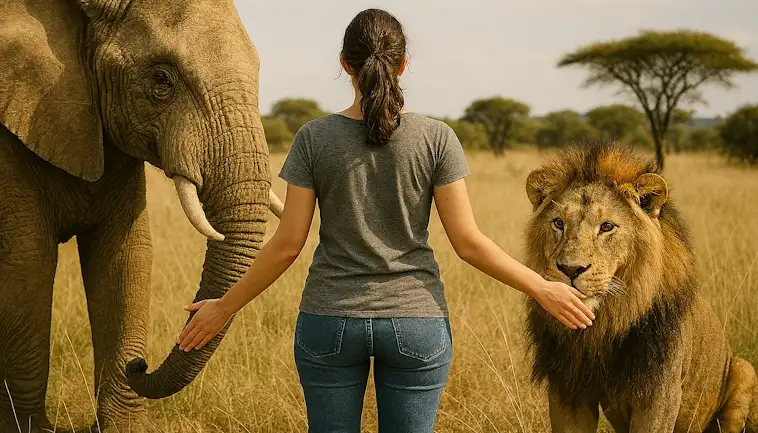
Wildlife Protection Starts at Home: Small Choices That Matter
When we think about wildlife protection, it’s easy to picture big projects like saving rainforests or protecting oceans. But here’s the truth—real change often starts at home. The small, everyday choices we make in our backyards, kitchens, and even shopping carts can have a huge impact on local wildlife.
Every choice matters. Whether it’s the way we handle waste, the plants we grow, or the products we buy, each action adds up. And the best part? These choices are within reach for all of us.
Create a Safe Space in Your Backyard
One of the simplest ways to support wildlife is by turning your outdoor space into a safe haven. Planting native flowers, shrubs, and trees can provide food and shelter for pollinators, birds, and small animals. Avoid using pesticides, as they can harm not just pests but also bees, butterflies, and other helpful species. Even a small patch of native plants can make a difference for local ecosystems.
The good news is that you don’t need acres of land. A balcony with potted plants, a window box, or even a bird feeder can contribute to wildlife conservation at home.
By starting small, we create ripple effects. And when many of us make these simple choices, together we help protect wildlife in a meaningful way.
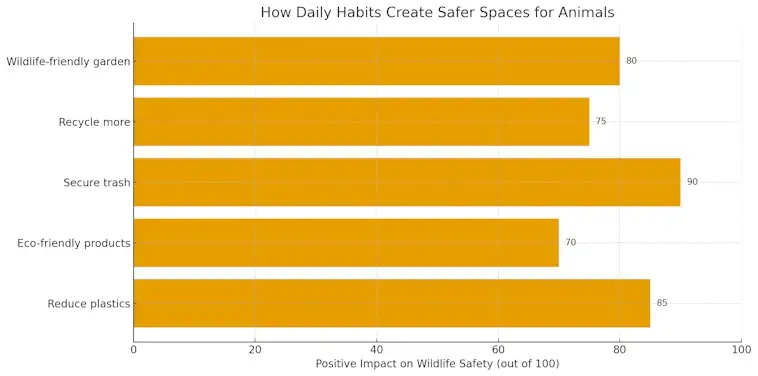
How Your Daily Habits Can Create Safer Spaces for Animals
We often think protecting animals requires big actions or global campaigns. But the reality is, the choices you make every day can help create safer spaces for animals right where you live. From what you buy to how you manage your home, small habits add up to a big impact.
Simple steps, like reducing single-use plastics or choosing eco-friendly cleaning products, help cut down on pollution that harms both land and sea creatures. Even how you care for your garden can support animal safety at home.
Rethink Your Trash Routine
One overlooked habit is how we handle our garbage. Leaving bags unsecured or overflowing bins outside can attract wildlife into unsafe areas. Animals rummaging through trash often get injured or eat harmful materials. By using wildlife-safe bins and recycling whenever possible, you’re actively contributing to wildlife protection in daily life.
When we shift our habits, we not only keep animals safer but also create healthier spaces for ourselves. Small, consistent actions are easier than we think—and they really do make a difference.
Wildlife Protection and Community Action: Working Together for Change
Wildlife protection isn’t something we can do alone. While small actions at home matter, real change becomes powerful when communities come together. By joining forces, we can create safer habitats, protect endangered species, and inspire future generations to care for the planet.
When neighbors, schools, and local groups take part, community wildlife protection becomes more than a goal—it becomes a movement. Simple efforts like organizing clean-up days, planting native trees, or reducing local pollution all help build healthier spaces for animals and people alike.
Small Actions, Big Ripple Effects
One local project can inspire another. For example, a neighborhood garden filled with pollinator-friendly plants can support bees and butterflies while teaching children about nature. A river clean-up can prevent plastic from reaching marine life and show how everyday people make a difference.
The beauty of wildlife protection through community action is that no effort is wasted. Each small project adds to a bigger picture of change. When we work together, protecting animals becomes not only possible but powerful.
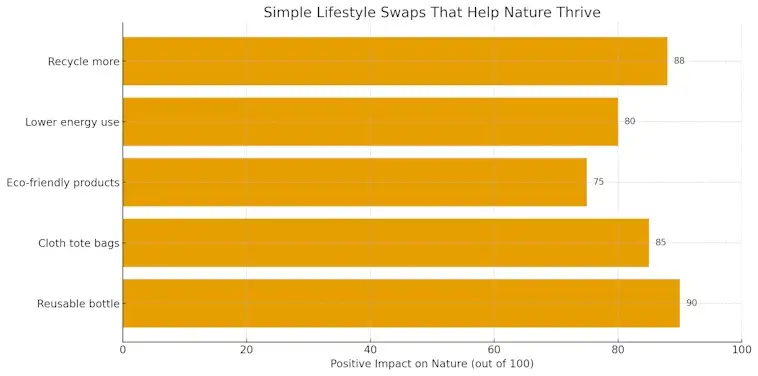
Simple Lifestyle Swaps That Help Nature Thrive
Protecting the planet doesn’t always mean making huge sacrifices. Sometimes, it’s the little things we change in our daily lives that have the biggest effect. By making a few simple lifestyle swaps for nature, we can reduce waste, cut pollution, and give wildlife a better chance to thrive.
Instead of buying bottled water, try a reusable bottle. Switch from plastic bags to cloth totes. Choose products with less packaging or made from recycled materials. These small decisions reduce pressure on natural resources and keep harmful plastics out of our ecosystems.
Greener Habits at Home
The way we live inside our homes also makes a difference. Turning off lights when they’re not needed, lowering heating or cooling a few degrees, and unplugging electronics can save energy. Choosing eco-friendly cleaning products protects waterways and keeps harmful chemicals away from both people and animals.
When you add up these everyday swaps, they create real change. By living a little greener, you’re not just helping the planet—you’re helping ensure a safer, healthier home for wildlife too.
Wildlife Protection for the Future: Habits That Last a Lifetime
Wildlife protection isn’t just about today. It’s about building habits that carry into the future and create a safer, healthier world for generations to come. The good news is that long-term change doesn’t have to be difficult. By choosing sustainable habits now, we can make wildlife protection for the future part of everyday life.
Simple routines, like reducing single-use plastics, planting native trees, and supporting eco-friendly brands, all add up. Over time, these small choices become second nature. And when they do, they leave a lasting mark on the environment and the animals that depend on it.
Teach the Next Generation
One of the most powerful ways to create lasting habits is to share them with children. Kids learn by example. When they see us recycling, respecting wildlife, and choosing greener products, they’re more likely to carry those habits into adulthood. This creates a cycle of wildlife protection that lasts a lifetime.
Protecting animals for the future isn’t about doing everything at once. It’s about starting small, staying consistent, and inspiring others to follow. Every positive action today builds a safer tomorrow for wildlife and people alike.
Every Step Toward Wildlife Protection Counts
Protecting wildlife isn’t just a global issue—it’s a personal one. From the choices we make at home to the actions we take in our communities, every step matters. By planting native species, reducing waste, and supporting eco-friendly habits, we create healthier spaces for animals and for ourselves.
The truth is, wildlife protection starts with us. When we take responsibility and act with care, we ensure that future generations will inherit a thriving planet. Change doesn’t happen overnight, but with consistent effort, the impact lasts a lifetime.
Now is the time to start. Small or big, your actions can protect the natural world we all depend on. Together, we can make sure wildlife not only survives but thrives.