

Simple Energy Transition Sparks Hope for Cleaner Futures
Why the Energy Transition Is Sparking New Hope for a Cleaner Future
Small changes often start big shifts, and the energy transition is proving exactly that. More households and businesses are choosing cleaner, easier-to-adopt options that cut pollution without complication. As these solutions spread, they’re beginning to reshape expectations about what a healthier future can look like.
Momentum is building for a cleaner energy landscape because people are seeing progress they can feel. Costs are falling. Access is widening. And technology that once seemed out of reach is becoming part of everyday life. These steady gains offer something many have been waiting for—real signs that a cleaner future isn’t a distant vision but a growing reality.
As simple solutions take hold, a sense of collective confidence is emerging. Step by step, communities are proving that meaningful change doesn’t always require massive leaps. Sometimes it starts with practical choices that clear the path toward a brighter, cleaner world.
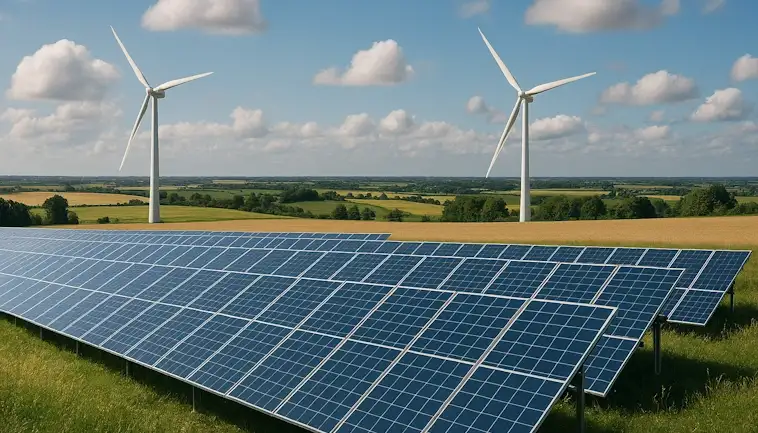
Energy Transition Basics: How Small Shifts Create Big Change
The energy transition may sound complex. But at its core, it is simple. It is the move from fossil fuels to cleaner energy sources like wind, solar, and battery storage. And it starts with small, steady shifts.
Right now, much of the world still runs on coal, oil, and gas. These fuels power homes, cars, and factories. However, they also drive climate change. That is why the energy transition matters. It reshapes how we produce and use power.
The good news? Change does not happen all at once. It happens step by step.
When a homeowner installs rooftop solar, that is part of the energy transition. When a city adds electric buses, that counts too. When companies improve efficiency, demand drops. Each move may seem minor. Yet together, they add up.
Why Small Energy Choices Matter More Than You Think
Small actions shift markets. As more people adopt clean energy, costs fall. Solar panels are far cheaper today than a decade ago. Electric vehicles are becoming mainstream. In fact, global clean energy investment keeps rising, according to the International Energy Agency.
Policy plays a role as well. Governments offer incentives and set targets. Businesses respond with innovation. Consumers respond with demand. Over time, the system changes.
Looking ahead, the energy transition will likely speed up. Advances in battery storage, smart grids, and green hydrogen could reshape the next decade. At the same time, communities will need to adapt. Workers will retrain. Infrastructure will evolve.
So where do you fit in?
You matter more than you think. Choosing energy-efficient appliances. Supporting clean energy policies. Even staying informed. These are small shifts. But small shifts create momentum.
And momentum creates big change.
Why Simple Solutions Matter for a Cleaner Tomorrow
Big climate goals can feel overwhelming. Net zero. Global targets. Massive infrastructure projects. However, real progress often starts small.
Simple solutions matter because they are practical. They are affordable. And most of all, they are easy to scale.
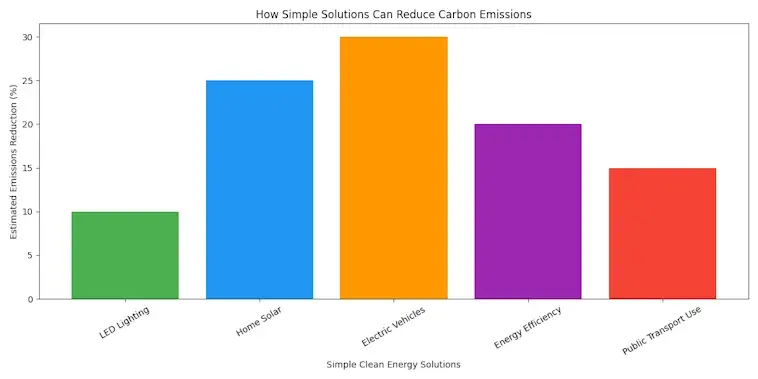
Take LED lighting. It uses far less energy than traditional bulbs. Or better insulation. It lowers heating and cooling demand right away. Even choosing public transport a few times a week can cut emissions over time.
These actions may seem modest. Yet when millions of people make the same shift, the impact grows fast.
Businesses see this too. Many are investing in energy efficiency before building new power plants. Why? Because saving energy is often cheaper than producing more of it.
At the same time, technology is improving. Solar panels cost less than ever. Electric vehicles are more common on city streets. Smart home systems help families track and reduce energy use in real time.
So what does this mean for the future?
It means progress does not rely only on breakthroughs. It also depends on steady, everyday change. Small upgrades at home. Smarter city planning. Better consumer choices.
Together, these steps reduce emissions. They lower bills. And they build momentum toward a cleaner tomorrow.
You do not have to solve everything at once. Start with one change. Then another. Over time, those simple moves can shape a much bigger transformation.
Energy Transition Innovations Giving Communities New Hope
The energy transition is no longer a distant idea. It is happening in towns, cities, and rural areas right now. And for many communities, it brings something powerful: hope.
For years, clean energy felt like a big, national project. Now it feels local. Schools are adding solar panels. Farmers are leasing land for wind turbines. Neighborhoods are forming energy co-ops. Step by step, the energy transition is moving closer to home.
What makes this moment different is innovation. Technology is cheaper. Storage is better. Digital tools make energy systems smarter and more flexible.
Here are a few innovations giving communities new options:
- Community solar projects that let renters and low-income families share the benefits of solar power
- Battery storage systems that keep lights on during outages
- Microgrids that allow towns to run independently in emergencies
- Heat pumps that lower bills while cutting emissions
- Local training programs that prepare workers for clean energy jobs
These are not abstract ideas. They are real projects creating jobs and lowering energy costs. In many areas, clean energy jobs are growing faster than fossil fuel roles. According to the International Renewable Energy Agency, renewable energy employment continues to rise worldwide.
That matters. Because the energy transition is not only about cutting carbon. It is also about economic renewal. It’s about resilience during extreme weather. And it is about giving people more control over their energy future.
Looking ahead, expect even more change. Smarter grids. Better storage. Stronger local partnerships. Communities that act early will often see the biggest gains.
The energy transition can feel global. But its real power shows up locally. And that is where new hope begins.
The Everyday Habits That Accelerate a Cleaner Future
A cleaner future does not start in a lab. It starts at home.
The truth is simple. Daily habits shape energy demand. And when millions of people make small changes, the results add up fast.
You do not need a major renovation to make a difference. In fact, many of the most effective actions are easy to start today.
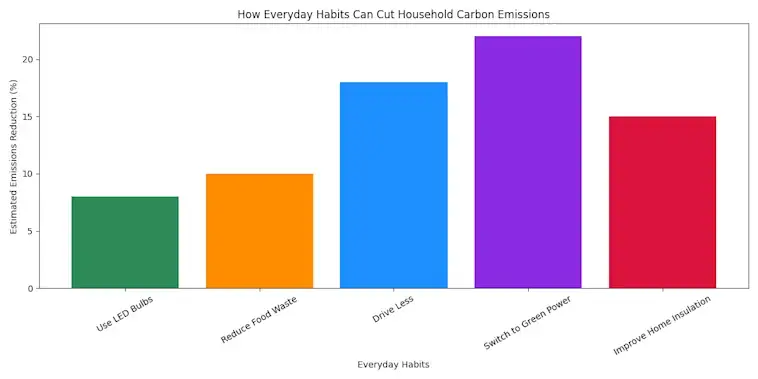
Switching to LED bulbs cuts electricity use right away. Reducing food waste lowers hidden emissions from farming and transport. Driving less, even one day a week, shrinks your carbon footprint. Choosing a green power plan sends a clear market signal. Improving insulation reduces heating and cooling costs year after year.
These steps are practical. They save money. And they build momentum.
At the same time, habits influence trends. As more households shift behavior, businesses respond. Energy providers invest in renewables. Cities expand public transport. Technology improves.
That is how everyday action supports long-term change.
The future will likely bring smarter homes and cleaner grids. However, progress still depends on personal choices. Small routines repeated over time can speed up the transition to cleaner energy systems.
What Comes Next: The Path Toward Scalable, Sustainable Progress
The next phase of climate action is about scale. Small pilots have shown what works. Now the focus shifts to expansion.
Progress will not come from one breakthrough alone. Instead, it will grow from systems that connect clean power, smart technology, and community support. That is how sustainable progress becomes real and lasting.
Right now, renewable energy is expanding fast. Costs for solar, wind, and battery storage continue to fall. At the same time, digital tools help manage supply and demand more efficiently. Smart grids balance power in real time. Homes and businesses can both produce and store energy.
However, scaling up takes planning. Infrastructure must improve. Policies must stay consistent. Investment must remain steady. According to the International Energy Agency, reaching global climate targets will require rapid expansion of clean energy capacity this decade.
Why the Energy Transition Must Accelerate Now
The energy transition is entering a critical stage. Early adopters proved clean energy works. The next step is wider adoption across industries, transport, and heavy manufacturing.
This means electrifying more vehicles. Upgrading buildings. Expanding grid capacity. It also means training workers for new roles in clean energy sectors.
Looking ahead, scalability will define success. Projects must move from local to regional. From regional to national. And eventually, global coordination will matter more than ever.
The encouraging part? Momentum is building. Investors see long-term value. Cities are setting ambitious targets. Consumers are choosing cleaner options.
Sustainable progress is not about speed alone. It is about steady, reliable growth that communities can trust. If the energy transition continues to scale thoughtfully, the coming decade could reshape how we power the world.
Conclusion:A Brighter Future Starts with a Simple Energy Transition
The energy transition does not have to feel overwhelming. In fact, its power lies in simple, steady change.
Throughout this journey, one message stands out. Small actions create momentum. Local projects inspire wider adoption. And smart policies unlock larger investment. Step by step, the energy transition builds a cleaner, more resilient future.
What makes this moment different is scale. Clean energy is no longer niche. It is becoming mainstream. Costs are falling. Technology is improving. Communities are seeing real benefits, from lower bills to new jobs.
At the same time, the road ahead requires focus. Infrastructure must expand. Innovation must continue. Public support must stay strong. The good news is that progress is already underway.
So where do we go from here?
We keep moving forward. Keep supporting practical solutions. We encourage innovation. And we stay engaged.
The energy transition is not just a policy shift. It is a shared opportunity. With steady effort and smart choices, it can spark lasting hope for cleaner futures.