

Secrets the Natural World Wants Us to See
The Hidden Wonders of the Natural World You Probably Overlook Every Day
The natural world holds countless stories that often go unnoticed, whispering through shifting winds, blooming flowers, and changing skies. Every detail—whether it’s the rhythm of a forest at dawn or the migration of tiny insects—reveals how deeply life is connected. Yet, many of these signals go unseen in our daily rush. Nature is constantly communicating, offering lessons about balance, resilience, and renewal. As we learn to notice these patterns, we begin to understand not just how ecosystems survive, but how they thrive. And when we start to pay attention, we uncover truths that can reshape how we live on this planet.
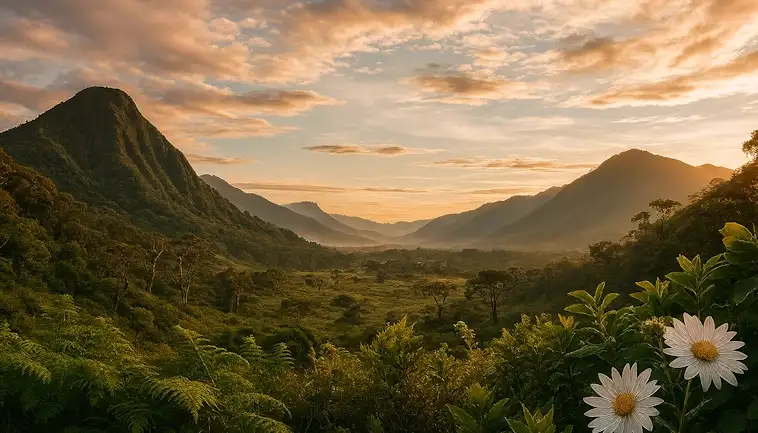
How the Natural World Communicates in Ways We Often Miss
We often think of communication as something humans do with words, gestures, or screens. But step outside for a moment, and you’ll find that the natural world has its own language — one we rarely stop to notice. From whispering trees to signaling fungi, the environment around us is constantly talking. We just haven’t learned how to listen.
Scientists are now uncovering remarkable ways nature sends messages. Trees, for instance, share nutrients and warnings through underground fungal networks. When a tree is attacked by insects, nearby trees “hear” the distress call through chemical signals and strengthen their own defenses. It’s like a secret internet beneath our feet.
The Secret Signals Beneath Our Feet
The soil is alive with conversation. Microbes exchange data-like information about nutrients, moisture, and threats. Plants use these signals to adapt to changing conditions — long before we notice a drought or disease. Even animals tune in. Birds adjust their songs based on nearby species. Bees dance to share directions to food. Coral reefs release chemical cues that guide young fish home.
All of this shows that communication in the natural world isn’t limited to sound or sight. It’s chemical, electrical, and sometimes invisible. The more we study it, the more we realize that silence in nature doesn’t mean the absence of messages — it just means we haven’t learned the language yet.
As we spend more time indoors and plugged into technology, it’s easy to miss these subtle exchanges. But if we take time to pause, observe, and listen differently, we can start to reconnect with the planet’s hidden dialogue. After all, the natural world isn’t quiet — it’s quietly brilliant.
Hidden Patterns That Reveal Nature’s Secret Design
Have you ever noticed how certain shapes seem to repeat themselves in nature? The swirl of a seashell, the veins of a leaf, or even the spiral of a galaxy—they all share an underlying rhythm. These aren’t coincidences. They’re patterns, quietly revealing how nature builds beauty and balance.
Scientists call this biomimicry, but at its heart, it’s simply nature’s way of organizing chaos. The Fibonacci sequence, for instance, appears in sunflowers, pinecones, and hurricanes. It’s a mathematical whisper that tells us life follows its own elegant blueprint.
When you start to look closer, you see these designs everywhere—waves rippling in sand, snowflakes forming perfect fractals, or trees branching in geometric harmony. Each one serves a purpose, helping nature use energy efficiently and adapt to change.
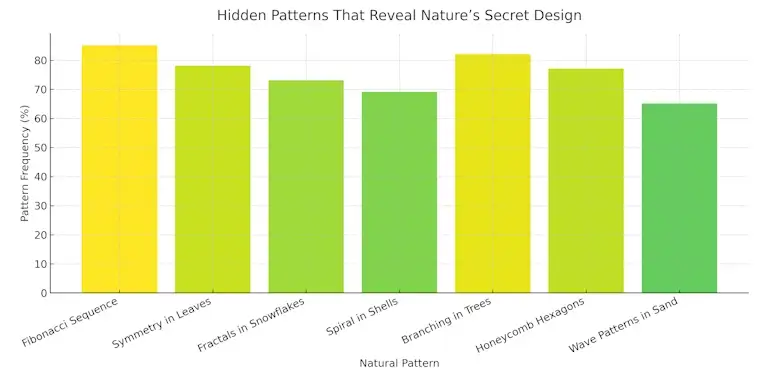
What’s fascinating is how these natural patterns are shaping our future too. Designers, engineers, and architects are now copying these blueprints to build stronger buildings, smarter materials, and even greener cities. Nature, it seems, is the world’s best designer—and we’re finally learning to take notes.
Why the Natural World Holds the Key to Our Future
Take a moment to imagine life without the natural world. No trees filtering our air. No oceans regulating our climate. No bees pollinating the food we depend on. It’s hard to picture, right? Yet that’s the direction we’re heading if we continue to overlook the living systems that quietly sustain us every day.
The truth is, the natural world doesn’t just decorate our planet—it drives it. From the air we breathe to the water we drink, nature’s networks keep everything in balance. But these systems are under pressure. Forests are shrinking, coral reefs are dying, and soil health is fading fast. If we want a livable future, protecting nature isn’t optional—it’s essential.
Here’s why the natural world holds the key to our future:
- Clean air and water: Nature acts as a filter, purifying what we need most to survive.
- Climate stability: Forests and oceans absorb carbon, helping to cool our planet.
- Food security: Healthy ecosystems support crops, livestock, and fisheries.
- Mental and physical health: Time in nature reduces stress, boosts immunity, and lifts mood.
- Innovation and inspiration: Many of our best ideas and medicines come directly from nature.
By restoring and protecting the natural world, we’re not just saving wildlife—we’re safeguarding our own future. It’s a partnership, not a one-way street.
As technology races ahead, it’s tempting to think we can invent our way out of environmental problems. But the smartest path forward might be the simplest one: working with nature, not against it. The solutions we need are already out there—rooted in forests, flowing through rivers, and buzzing in meadows. We just have to listen.
What Animals and Ecosystems Can Teach Us About Balance
Nature is full of lessons if we’re paying attention. Every animal, plant, and ecosystem has a role to play in keeping the world in balance. From the coral reefs that protect our coastlines to the bees that pollinate our crops, nature has mastered the art of harmony. When one part falters, the whole system feels it. And that’s where we can learn a lot.
Think about how wolves changed Yellowstone National Park. When they were reintroduced, deer populations dropped to sustainable levels. That simple change allowed plants to regrow, rivers to stabilize, and bird populations to rise. The ecosystem began to heal itself, showing us how balance creates resilience.
We can apply the same idea to our own lives and cities. When we overuse resources or ignore natural limits, systems break down. But when we restore balance—whether through greener cities, better waste management, or sustainable farming—everything starts to thrive again.
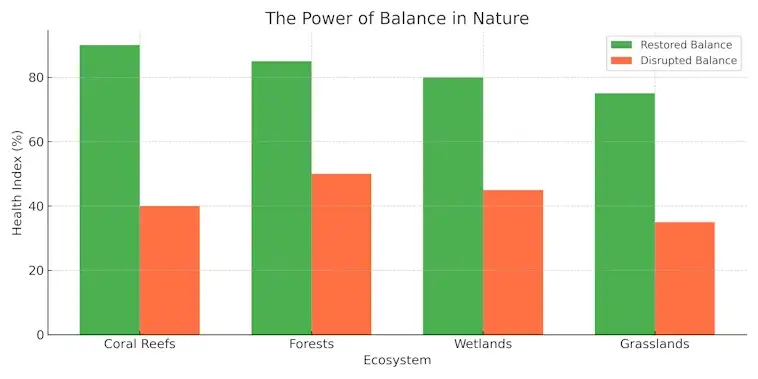
So maybe the real question is this: what can we do to bring balance back? Because if we listen to nature, the answers are already there.
Reconnecting with Nature: Small Changes That Open Big Insights
In our fast-paced lives, it’s easy to forget that we’re part of nature, not apart from it. Yet spending even a little more time outdoors can quietly reshape how we see ourselves and the world. You don’t need to move to the countryside or climb a mountain to feel that shift. Sometimes, the smallest changes spark the biggest insights.
Start by noticing what’s already around you. Step outside with your morning coffee. Listen to the wind. Watch the light change across the day. These moments reconnect us to rhythms that our screens often drown out. And when you slow down, your senses start to wake up again.
Rediscovering the Natural World in Daily Life
You might think you need a weekend hike to reconnect with nature—but you can start right where you are. A short walk at lunch, growing herbs on your windowsill, or pausing to breathe fresh air before a meeting can all help. These moments remind you that the natural world isn’t distant. It’s right outside your door—and even within your home if you let it be.
Over time, these habits build something deeper. You start to feel calmer, more focused, and strangely more curious. Nature has a way of grounding you while also expanding your view. That’s the magic of it—it invites both peace and perspective.
So try it. Make a small change this week. Step into nature’s rhythm, even for five minutes. You might be surprised at how much clarity—and creativity—comes rushing back when you do.
Reconnecting with Nature’s Hidden Wisdom
The natural world has always been speaking — we just forgot how to listen. From the way forests heal the air to the quiet intelligence of rivers shaping the land, nature’s secrets are not really secrets at all. They’re lessons waiting to be noticed, reminders of how deeply our well-being is tied to the planet’s balance.
As we face a future shaped by climate uncertainty, it’s time to tune back in. Every walk outside, every choice we make — from what we buy to how we live — is a chance to listen, learn, and act with awareness. The more we see nature not as a backdrop but as a partner, the stronger our connection to the world — and to ourselves — becomes.