

Safeguarding Your Health and Home in Extreme Temperatures
Safeguarding Your Health and Home in Extreme Temperatures
When temperatures soar, everyday life can turn uncomfortable fast—and even dangerous. Sweltering heat affects more than just your comfort. It can put your health at risk, strain your home’s systems, and push energy bills to new heights. From heatwaves lasting longer than ever to record-breaking highs in places once considered mild, extreme heat is becoming a new reality for millions.
Knowing how to stay safe and keep your home cool isn’t just helpful—it’s essential. With the right steps, you can protect your well-being, reduce indoor heat, and stay one step ahead of the next heat surge.

Why Extreme Heat Is Getting Worse—and What It Means for You
If it feels like summer is hotter than ever, you’re not imagining it. Extreme heat is becoming more frequent, more intense, and longer-lasting. And it’s not just an inconvenience—it’s a serious risk to health, infrastructure, and everyday life.
So, what’s behind the heat surge? The short answer: climate change. As global temperatures rise, driven by greenhouse gas emissions from fossil fuels, the atmosphere holds more heat. That’s why heatwaves that used to happen maybe once a decade are now showing up every couple of years—or even annually in some places.
But there’s more to it. Cities are especially vulnerable due to what’s called the “urban heat island effect.” Concrete, asphalt, and glass trap heat, making urban areas significantly warmer than surrounding rural zones. That’s why temperatures at night sometimes don’t cool off much—your city is holding onto the heat like an oven.
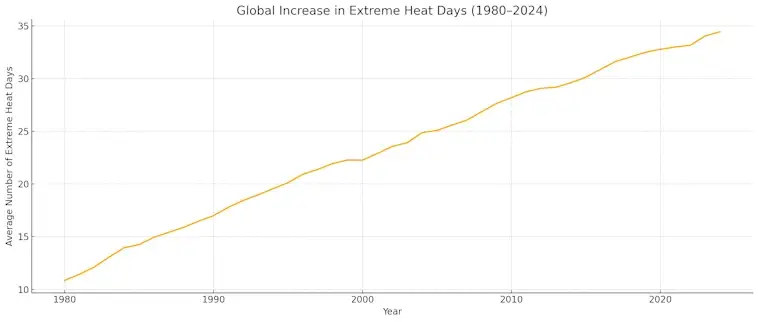
And here’s where it gets personal: extreme heat affects more than your comfort. It can strain your body, especially if you’re older, very young, or have health conditions. Heat-related illnesses are on the rise, and so are hospital visits. If you work outdoors or rely on public transport, your exposure is even greater.
There’s also the economic angle. Heat puts pressure on energy grids as air conditioning use spikes. That can lead to blackouts. Crops dry up faster, food prices go up, and wildfires become more common. All of this hits our wallets—and our well-being.
The good news? We’re not powerless. From upgrading your home with better insulation to advocating for green city spaces and supporting clean energy policies, there are steps we can take. Understanding what’s happening is the first move. Preparing for it is the next.
Because extreme heat isn’t just tomorrow’s problem—it’s today’s reality. And how we respond now will shape the future for all of us.
Top Health Risks of Heatwaves and How to Stay Safe
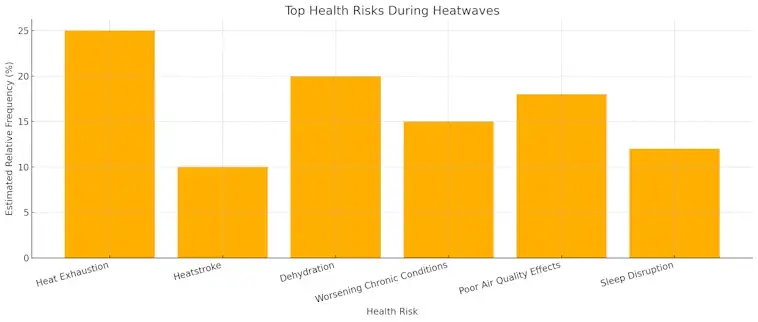
When a heatwave hits, it’s not just uncomfortable—it can be dangerous. Extreme heat is one of the deadliest weather events, even though it doesn’t always look dramatic. The risks often creep up quietly, especially for vulnerable groups like the elderly, young children, people with chronic illnesses, and outdoor workers.
Let’s break down the main health risks—and how you can protect yourself and others.
Heat Exhaustion and Heatstroke
These are two of the most serious heat-related conditions.
Heat exhaustion can cause heavy sweating, dizziness, nausea, and a fast pulse. If it’s not treated, it can lead to heatstroke, a medical emergency that can be fatal. Signs of heatstroke include confusion, loss of consciousness, and body temperatures over 103°F (39.4°C).
What to do: Stay in the shade or go indoors during the hottest hours (usually 11 a.m. to 4 p.m.). Drink water regularly, even if you’re not thirsty. Avoid strenuous activity in the heat.
Dehydration
You lose more fluids through sweat in hot weather, and dehydration can sneak up fast. It leads to headaches, fatigue, dry mouth, and darker urine.
What to do: Carry water with you and sip throughout the day. Limit caffeine and alcohol, which can dehydrate you further.
Worsening of Chronic Conditions
Heat puts extra stress on the body. People with heart disease, diabetes, or respiratory issues can see their symptoms worsen during extreme heat events.
What to do: Monitor your health closely and talk to your doctor about managing your condition during hotter months. Keep medications stored in cool places, as heat can reduce their effectiveness.
Poor Air Quality
Heatwaves often come with stagnant air, which can trap pollutants and worsen air quality. This can trigger asthma attacks or breathing problems.
What to do: Check daily air quality indexes. Stay indoors with filtered air if levels are unhealthy. Consider wearing a mask outdoors if the air quality is poor.
Sleep Disruption
Hot nights make it harder to fall asleep and stay asleep. Over time, poor sleep affects everything from mood to immune function.
What to do: Use fans, blackout curtains, or a cooling mattress pad. If possible, sleep in the coolest part of your home—even if that means switching rooms temporarily.
Quick Tips to Stay Safe During a Heatwave
- Dress in light, breathable clothing
- Take cool showers or use wet cloths on your skin
- Check on neighbors, especially older adults and those living alone
- Never leave kids or pets in cars—not even for a minute
- Use fans and A/C efficiently—but keep an eye on your energy usage if you’re on a budget
Extreme heat is a growing threat, but with the right habits and awareness, we can stay ahead of it. Small changes can make a big difference. And when we look out for each other, we’re all safer.
Keeping Your Home Cool Without Breaking the Bank
When the temperature climbs, staying cool at home can feel like a luxury—especially if you’re watching your energy bill. But the good news? You don’t need to blast the AC 24/7 or spend a fortune to beat the heat. With a few smart changes, you can keep your home cooler and save money at the same time.
Here’s how to do it:
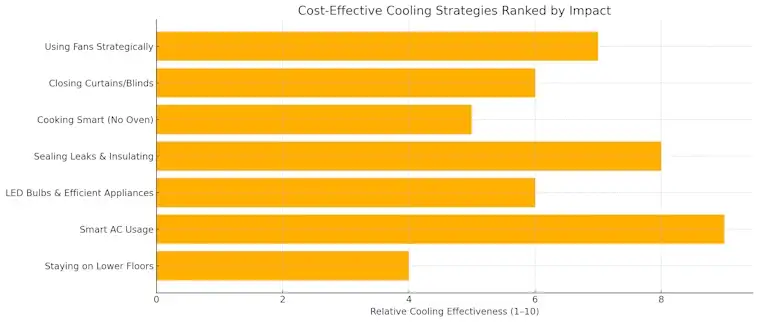
Use Fans Strategically
Fans don’t cool the air—they move it. But that movement helps sweat evaporate, making you feel cooler.
Pro tip: Set ceiling fans to spin counterclockwise in summer. This pushes cool air down and improves circulation. Box fans in windows can also help pull cooler air in at night.
Close the Curtains
About 30% of unwanted heat comes through your windows. Light-colored curtains or blackout shades can block that heat before it gets in.
Tip: Keep blinds closed on the sunny side of the house during the day and open windows in the evening when it’s cooler.
Cook Smart
Using the oven or stove adds extra heat indoors. On hot days, try cold meals, use a microwave or air fryer, or take the cooking outside with a grill. Less indoor heat = less need for AC.
Seal Leaks and Insulate
Air leaks around windows, doors, or even your attic can let cool air escape and hot air in. Caulking and weather stripping are low-cost fixes that make a big difference. Insulating your attic can also help trap cool air inside during the summer.
Switch to Energy-Efficient Bulbs and Appliances
Old incandescent bulbs generate a surprising amount of heat. Swap them out for LED bulbs. Energy-efficient appliances use less power and stay cooler too.
Use Your AC Wisely
If you use air conditioning, make it work smarter—not harder.
- Set your thermostat a few degrees higher when you’re not home.
- Use a programmable or smart thermostat to automate cooling.
- Keep vents clean and change your filters regularly so the system runs efficiently.
Stay Low
Heat rises. If you have a multi-story home, the lower levels will naturally be cooler. Sleep downstairs if possible, or even try setting up a temporary sleeping space on the floor during heatwaves.
Bonus: Budget-Friendly Upgrades
If you can invest a little, consider solar-reflective window film, attic fans, or even a portable evaporative cooler (great for dry climates). These upgrades pay off over time with lower bills and more comfort.
Cooling your home doesn’t have to drain your wallet. With a few mindful habits and smart adjustments, you can stay comfortable and in control—all summer long.
Must-Have Gear and Gadgets for Surviving Summer Heat
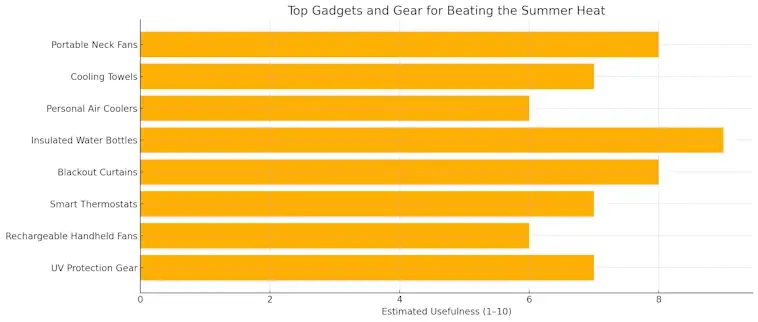
When the heat hits hard, the right tools can make a big difference. Whether you’re trying to stay cool at home, commuting in the city, or heading outdoors, a few smart gadgets can help you beat the heat and stay safe. Here’s a roundup of must-have summer gear that’s worth every penny.
Portable Neck Fans
These wearable fans have become a summer favorite. They rest comfortably around your neck and blow air upward, keeping your face and neck cool while your hands stay free. Great for walks, commuting, or working outside.
Cooling Towels
Soak them in cold water, wring them out, and place them around your neck or shoulders. They stay cool for hours and are perfect for workouts, hikes, or hot workdays. Lightweight and reusable, they’re one of the most affordable ways to cool down fast.
Personal Air Coolers
Small and portable, these mini evaporative coolers use water and a fan to blow cool air. They’re not as powerful as an AC unit, but they can cool a small space like your desk or bedside area. Great for personal comfort without the energy bill spike.
Insulated Water Bottles
Hydration is key, and insulated bottles keep your water icy cold for hours—even in direct sun. Look for stainless steel models with wide mouths for easy cleaning and adding ice cubes.
Blackout Curtains
Blocking sunlight is one of the easiest ways to keep your home cooler. Blackout curtains reduce indoor temperatures and protect your furniture from fading. Bonus: they help you sleep better during bright summer mornings.
Smart Thermostats
These devices let you control your home’s temperature remotely and set schedules to use your AC more efficiently. Over time, they can help cut energy use and reduce your power bill—especially during peak heat hours.
Rechargeable Handheld Fans
Perfect for tossing in your bag or car, these compact fans are surprisingly powerful. Many now come with misting features for extra cooling, and USB charging means you can power them up almost anywhere.
UV Protection Gear
From sun hats with built-in cooling panels to lightweight UV-blocking sleeves and umbrellas, there’s plenty of gear designed to keep your skin safe and your body temp down. Staying protected also helps prevent heat exhaustion.
Final Tip: Prep Before the Heat Hits
Many of these items sell out fast when heatwaves start. Stock up early, and you’ll be ready to stay cool, hydrated, and comfortable all summer long—without scrambling at the last minute.
Smart Long-Term Moves to Beat the Heat Year After Year
Beating the heat isn’t just about getting through this summer—it’s about preparing for the hotter ones to come. As extreme temperatures become more common, short-term fixes like fans and blackout curtains are great, but long-term solutions can make a lasting impact on your comfort, your wallet, and even your community.
Here are some smart moves to consider if you’re thinking ahead:
Upgrade Your Insulation
Good insulation isn’t just for winter. It keeps your home cooler in summer by blocking outside heat. Focus on attics, walls, and crawl spaces. You’ll use less energy to cool your space, and your AC won’t have to work as hard.
Plant Trees and Shade Landscaping
Strategically planting trees around your home can reduce indoor temperatures by several degrees. Shade trees, climbing vines, and even pergolas can block direct sunlight and create cooler outdoor spaces, too. It’s natural air conditioning—and it boosts your home’s curb appeal.
Install Reflective Roofing or Cool Roofs
Traditional roofs absorb heat, turning your house into an oven. Cool roofs reflect more sunlight and absorb less heat. They’re especially helpful in warmer climates and can last longer than standard materials.
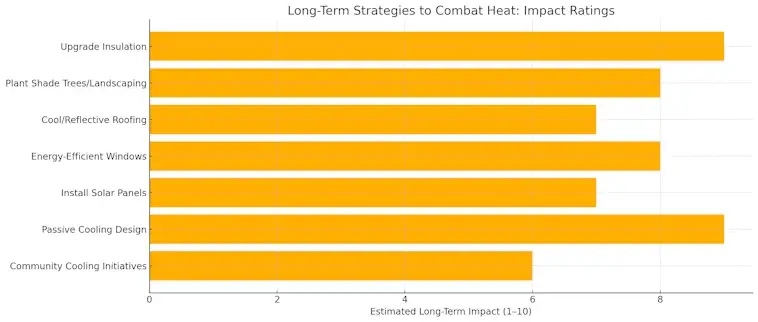
Invest in Energy-Efficient Windows
Double-pane or low-emissivity (Low-E) windows keep heat out during the summer and trap warmth in during the winter. Yes, they’re a bigger investment—but over time, they can significantly reduce your energy bills and boost your home’s value.
Switch to Renewable Energy
Installing solar panels isn’t just about going green. It gives you more control over your energy use—especially useful when AC demand peaks. In some areas, you can even earn credits for the extra power you generate.
Build or Retrofit with Passive Cooling in Mind
If you’re planning a renovation or building new, design with passive cooling techniques. That means orienting the home to maximize cross-breezes, using thermal mass like concrete floors to absorb heat, and adding overhangs or shading devices to block the high summer sun.
Join or Start a Local Cooling Initiative
More cities are adopting community cooling strategies like urban greening, cooling centers, and shade infrastructure. Get involved in local planning, advocate for green building incentives, or support nonprofits helping vulnerable groups adapt to extreme heat.
Why It Matters
Heatwaves are no longer rare events—they’re becoming part of our everyday climate reality. By thinking ahead, you not only protect yourself but help create cooler, more resilient communities. These long-term moves may take some effort up front, but they pay off year after year in comfort, cost savings, and peace of mind.
Stay Cool, Stay Prepared, Stay Safe
Extreme heat is no longer a rare event—it’s a growing reality we all have to face. From rising health risks to the strain on homes and communities, high temperatures demand smart, proactive steps. The good news? Small changes add up. Whether you’re adjusting your daily routine, upgrading your home, or thinking long-term, every move toward staying cool makes a real difference.
Don’t wait for the next heatwave to take action. Prioritize your health, protect your living space, and share these strategies with the people you care about. The more we prepare now, the better we can handle the heat—this summer and in the years ahead.
Your comfort, safety, and resilience are worth it.