

Renewable Energy Sources Are Powering a Sustainable Revolution
Renewable energy sources are quickly becoming key players in our global push for sustainability. Solar panels, wind turbines, and hydroelectric plants are not just alternatives anymore; they’re leading the way in clean energy production. As these technologies advance, they offer promising solutions to our environmental challenges. This shift not only supports the health of our planet but also energises economies around the world. Let’s take a closer look at how these sustainable powerhouses are making a significant impact.
Renewable Energy Sources Are Powering a Sustainable Revolution
What You’ll Discover
The Sources of Renewable Energy
The Rise of Solar Power
Wind Energy: Harnessing the Breeze
Hydropower: Ancient Method, Modern Twist
Geothermal Energy: Power from the Earth
Bioenergy and Biogas: Organic Routes to Energy
Economic Impacts of Renewable Energy
Future Prospects for Renewable Energy
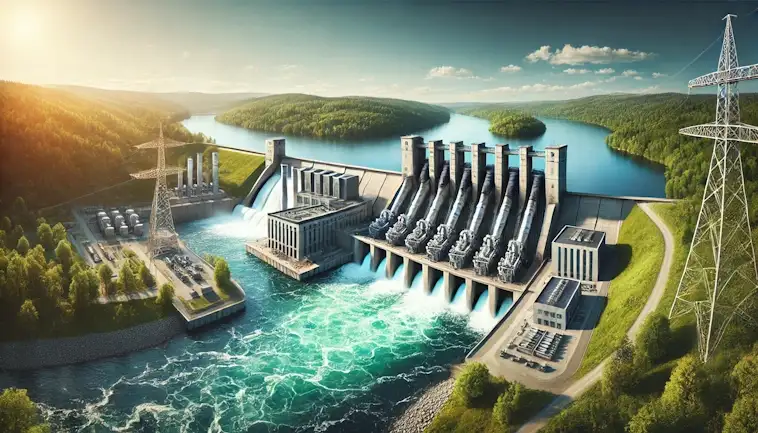
The Sources of Renewable Energy
Renewable energy sources are vital in our shift towards a sustainable future. These sources, unlike fossil fuels, replenish naturally and are abundant in the environment. They play a crucial role in combating climate change by reducing greenhouse gas emissions and our dependence on finite resources.
Key Types of Renewable Energy
- Solar Power: This energy comes from the sun. Solar panels capture sunlight and convert it into electricity. It’s widely used because the sun shines across the globe.
- Wind Energy: Produced using wind turbines that generate power when the wind blows. Ideal for windy areas, both onshore and offshore.
- Hydropower: Generated by moving water in rivers or dams. Water flow turns turbines, creating electricity.
- Biomass: This involves burning organic materials like wood, crops, and manure to produce heat or electricity. It’s renewable when plants are grown sustainably.
- Geothermal Energy: Comes from heat stored beneath the Earth’s surface. This heat can be used to generate electricity or to heat buildings directly.
Importance of Renewable Energy in Combating Climate Change
Renewable energy sources are key to reducing the amount of carbon dioxide and other greenhouse gases released into the atmosphere. Here’s how they help:
- Reducing Emissions: By replacing fossil fuels, renewables cut down on the carbon emissions responsible for global warming.
- Sustainable Practices: They promote a sustainable cycle of energy production that doesn’t deplete resources or degrade ecosystems.
- Energy Security: Diversifying energy supplies with renewables reduces dependence on imported fuels, which can be subject to volatile markets and geopolitical tensions.
The Role of Renewables in a Sustainable Future
The shift to renewable energy is not just about combating climate change—it’s also about building a sustainable future where energy is clean, affordable, and accessible to all. Here’s why they’re integral:
- Long-term Viability: Renewables provide a way to generate energy that can continue far into the future without depleting the planet’s resources.
- Economic Benefits: Investing in renewable energy technology creates jobs, stimulates economic growth, and reduces costs over time.
- Public Health: Cleaner energy means less air pollution, which leads to better overall health outcomes for populations.
Renewable energy sources are essential for a sustainable future. They offer a pathway to reduce our environmental impact and maintain ecological balance while providing the energy needed for our everyday lives. The transition to renewables is not just an environmental necessity but also an economic and strategic opportunity that can lead to greater stability and prosperity.
The Rise of Solar Power
Solar energy is a clean, renewable resource that harnesses the power of the sun to generate electricity. Thanks to ongoing technological advancements, solar panels have become more efficient and much more affordable.
Advances in Solar Panel Efficiency
Solar panels work by converting sunlight into electricity using photovoltaic (PV) cells. Over the years, these cells have seen significant improvements:
- Increased Efficiency: Modern solar panels are much more efficient than older models. While early solar panels had efficiency ratings of around 15%, many newer panels exceed 20% efficiency. This means they can convert more sunlight into electricity.
- Cost Reductions: The cost of solar panels has dropped dramatically. In the last decade, prices have fallen by about 90%. This makes solar energy more accessible to a broader range of people and businesses.
Global Adoption of Solar Energy
Solar energy adoption has skyrocketed across the globe. Here are a few key statistics:
- Rapid Growth: Solar power capacity worldwide grew from about 40 gigawatts in 2010 to over 700 gigawatts by 2020.
- Leading Countries: Countries like China, the United States, and Germany are leading in solar installation. China alone hosts more than 30% of the world’s solar power capacity.
Innovations in Solar Technology
Two main technologies are driving the future of solar energy:
- Photovoltaic Cells: These are the traditional solar panels you might see on rooftops. Innovations in materials and designs continue to improve their efficiency and durability.
- Solar Thermal Power: This technology uses sunlight to heat fluids, which then generate steam to drive turbines and produce electricity. It’s particularly useful in large-scale power plants.
The Impact of Solar Innovations
These advancements have a big impact:
- Environmental Benefits: More efficient solar panels mean more clean energy, which reduces reliance on fossil fuels and lowers greenhouse gas emissions.
- Economic Opportunities: As solar technology advances, new industries and jobs are created. This boosts local economies and supports global economic stability.
- Energy Security: Solar energy provides countries with a reliable source of power that can reduce energy dependence and increase resilience to energy market fluctuations.
Solar energy is a shining example of how innovation can lead to more sustainable and cost-effective solutions. With ongoing advancements in technology, solar power continues to play a crucial role in the global shift towards renewable energy.
Wind Energy: Harnessing the Breeze
Wind energy has come a long way from small-scale turbines on rural farms to enormous offshore wind farms that can power thousands of homes.
How Wind Turbines Work
Wind turbines convert the wind’s kinetic energy into electricity. Here’s a simple breakdown:
- The Basics: When the wind blows, it pushes against the blades of the turbine, causing them to turn.
- The Mechanism: This turning motion spins a shaft connected to a generator inside the turbine, which then produces electricity.
- Power Output: The stronger the wind, the more electricity is generated. Modern turbines are incredibly efficient and can start generating power with wind speeds as low as 6 to 9 miles per hour.
Growth of Wind Energy
Wind energy has seen impressive growth:
- Small-scale Beginnings: It started with small turbines used for pumping water or grinding grain.
- Expansion: Now, we see large-scale wind farms both on land and offshore. These farms can consist of hundreds of turbines and are often located in areas with consistent wind.
- Offshore Boom: Offshore wind farms have become particularly popular because they can harness stronger, more consistent winds without land space restrictions.
Environmental Impact
Wind energy is one of the cleanest sources of power:
- Low Emissions: Unlike fossil fuels, wind energy produces no air pollution or greenhouse gases while operating.
- Land Use: Onshore wind farms do require significant land, but the actual footprint of the turbines is small, allowing the land around them to still be used for farming or wildlife.
- Wildlife Concerns: There are concerns about birds and bats colliding with turbine blades, but careful site selection and technology can help minimise these impacts.
Wind Energy’s Geographic Potential
Wind energy isn’t just limited to one type of environment:
- Plains and Coastal Areas: These regions are ideal due to their open spaces and steady winds.
- Offshore: The seas offer powerful winds and fewer obstacles, making them perfect for large installations.
- Global Reach: From the US and Europe to new markets in Asia and Africa, wind energy is growing worldwide due to its versatility and the falling costs of technology.
Wind energy has evolved into a powerhouse of renewable energy. With advancements in technology and increasing support for sustainable energy sources, wind turbines continue to expand their reach and impact, offering a clean, efficient way to meet the world’s energy needs.
Hydropower: Ancient Method, Modern Twist
Hydropower is one of the oldest sources of renewable energy, using the flow of water to generate electricity.
How Modern Hydropower Works
Hydropower generates electricity by using moving water:
- Water Flow: Water from rivers or reservoirs flows through a dam.
- Turning Turbines: The flowing water turns large turbines.
- Generating Electricity: As the turbines spin, they activate generators that produce electricity.
Improvements in Turbine Technology
Turbine technology has come a long way:
- Efficiency Gains: Modern turbines convert water flow into electricity more efficiently than ever.
- Fish-Friendly Designs: New turbine designs help reduce the impact on aquatic life, allowing fish to pass through or around dams safely.
- Adaptive Management: Technology now allows for the flexible operation of water flows, which helps maintain electricity production without disrupting the water ecosystem too much.
Balancing Hydropower and Environmental Concerns
While hydropower is a clean energy source, it comes with environmental challenges:
- Ecosystem Disruption: Dams can alter water temperatures, flow patterns, and sediment transport, which affect river ecosystems and wildlife.
- Fish Populations: Dams can block migration paths for fish, impacting their breeding cycles and population levels.
- Water Use: Managing water for hydropower can compete with other needs like drinking water and irrigation.
The Way Forward with Hydropower
Despite these challenges, hydropower remains a crucial part of the renewable energy mix:
- Low Carbon Footprint: It produces energy without burning fossil fuels, emitting little to no greenhouse gases.
- Reliability: Hydropower is a consistent and controllable source of electricity, unlike more intermittent sources like solar and wind.
- Energy Storage: Pumped storage plants use excess electricity to pump water uphill to a reservoir, which can be released to generate power when needed, acting like a giant battery.
Hydropower is a proven, reliable source of renewable energy with a rich history and a promising future. As technology advances, the balance between harnessing water power and preserving natural ecosystems continues to improve, making hydropower a key player in the global shift towards sustainable energy.
Geothermal Energy: Power from the Earth
Geothermal energy is a fascinating type of renewable energy that comes from the Earth’s own heat.
How Geothermal Energy Works
Geothermal energy uses the Earth’s natural heat:
- Heat Source: The Earth’s core is incredibly hot. This heat warms up water and rocks beneath the Earth’s surface.
- Steam Production: In geothermal areas, this heat can turn water into steam.
- Energy Conversion: The steam rises to the surface and can be captured and used to turn turbines, which generate electricity.
Benefits of Geothermal Energy
Geothermal energy offers several significant benefits:
- Reliable: Unlike solar or wind, geothermal energy is available 24/7, regardless of weather conditions.
- Low Emissions: It produces very little pollution, helping to reduce overall greenhouse gas emissions.
- Small Footprint: Geothermal power plants generally require less land than other power plants, preserving natural spaces.
Geographical Constraints
While geothermal energy has many advantages, it’s not available everywhere:
- Location-Specific: It works best in regions with volcanic activity, where the Earth’s heat is closer to the surface.
- Hotspots: Places like Iceland, New Zealand, and parts of the United States (like California and Hawaii) are ideal because of their geological conditions.
- Drilling Costs: Accessing geothermal energy can be expensive because it involves drilling deep into the Earth, which is not feasible in all locations.
Regions Effective for Geothermal Plants
Certain regions are more suited for geothermal plants:
- Volcanic Areas: These areas can harness the Earth’s heat more easily due to their thin crusts and active geological features.
- Tectonic Plate Boundaries: Regions along these boundaries often have natural hot springs and geothermal reservoirs.
- High Heat Flow Areas: Some areas naturally have higher underground temperatures, making them perfect for geothermal development.
Geothermal energy is a powerful and reliable renewable energy source with the potential to play a significant role in our energy mix, particularly in geologically active regions. While it does face some geographical constraints, its benefits make it an attractive option for sustainable energy development.
Bioenergy and Biogas: Organic Routes to Energy
Bioenergy and biogas come from organic materials, making them unique and versatile sources of renewable energy.
Types of Biomass Used
Biomass is any organic material that comes from plants and animals. Here are a few common types:
- Wood and Wood Waste: Logs, chips, bark, and sawdust from lumber operations.
- Agricultural Crops and Waste: Corn, sugarcane, and even crop residues like straw and husks.
- Food Waste: Leftover food materials from homes, restaurants, and food processing plants.
- Animal Manure and Human Waste: These can be processed to produce biogas.
How Organic Waste Is Converted into Energy
Turning organic waste into energy involves a few steps:
- Collection: First, biomass is gathered. This could be wood from forests, agricultural waste from fields, or food waste from cities.
- Processing: Biomass might be dried, chopped, or otherwise prepared for conversion.
- Energy Conversion: There are several methods to convert biomass.
- Burning: Wood or other solids can be burned to produce heat and electricity.
- Anaerobic Digestion: Organic waste is broken down by bacteria in an oxygen-free environment to produce biogas, which can be burned for energy.
- Fermentation: Used to convert plant materials into biofuels like ethanol.
Sustainability of Bioenergy Practices
The sustainability of bioenergy depends on how it is managed:
- Renewable When Replenished: If new plants are grown to replace those used for energy, biomass can be a renewable resource.
- Carbon Neutral Potential: Biomass can be nearly carbon neutral. Plants absorb CO₂ as they grow, which offsets the CO₂ released when the biomass is burned.
- Environmental Impact: Sustainable practices reduce impacts. For example, using waste materials minimises landfill use and methane emissions.
However, there are challenges:
- Land Use: Growing biomass can compete with food production or natural habitats.
- Resource Management: It’s crucial to balance how much biomass is harvested and how much is replanted.
Bioenergy and biogas offer promising solutions for renewable energy, using materials that might otherwise go to waste. By managing resources wisely and choosing sustainable practices, we can make the most of this green energy source, reducing our environmental footprint and moving towards a more sustainable energy future.
Economic Impacts of Renewable Energy
Renewable energy is reshaping economies around the world. It creates jobs, opens new investment opportunities, and has an intriguing cost-benefit dynamic.
Job Creation
Renewable energy is a big player in the job market:
- More Jobs: Building and maintaining renewable energy facilities often requires more workers than fossil fuel projects. For example, solar panels need humans for installation, and wind farms need technicians for maintenance.
- Local Opportunities: Many renewable energy jobs are local because the facilities need to be built on-site. This can boost local economies.
- Diverse Roles: Jobs in renewables range from high-tech positions in engineering to manufacturing jobs making parts for wind turbines.
Investment Opportunities
Investing in renewables is becoming increasingly attractive:
- Growing Sector: As the demand for clean energy grows, so does the potential for profitable investment in the sector.
- Government Incentives: Many governments offer subsidies and tax breaks for renewable energy projects, enhancing their investment appeal.
- Stable Returns: Renewable projects often provide stable returns over time due to fixed contracts and ongoing energy demand.
Cost-Benefit Analysis
Switching from fossil fuels to renewables involves careful economic considerations:
- Upfront Costs: Initially, setting up renewable energy sources can be expensive. Solar panels and wind turbines require significant investment to install.
- Long-Term Savings: Over time, the cost of operating renewable energy sources is often lower than fossil fuels. They don’t require fuel purchases, and maintenance costs are relatively low.
- Environmental and Health Cost Savings: Renewable energy leads to lower air pollution, which can reduce health care costs and environmental damage.
Global Economic Effects
- Energy Independence: Countries can reduce their dependence on imported fuels by developing local renewable resources. This enhances energy security and trade balances.
- Innovation and Technology Transfer: As countries invest in renewable technologies, they can advance their technological bases and participate in global markets.
- Volatility Reduction: Renewable energies are less subject to the price volatility seen in the fossil fuel markets, leading to more predictable energy pricing.
The transition to renewable energy is not just an environmental or technological shift but a significant economic opportunity. It offers benefits like job creation, stable investment opportunities, and long-term savings on operational costs, all while reducing environmental impact and enhancing energy security. As the world moves more towards renewables, the economic impacts are likely to increase, offering profound benefits for global economies.
Future Prospects for Renewable Energy
The future of renewable energy looks bright and promising. Let’s explore potential technological breakthroughs, likely policy changes, and the role of international cooperation in achieving global sustainability goals.
Technological Breakthroughs
Expect exciting advancements:
- Efficiency Improvements: Technologies like solar panels and wind turbines are getting better at converting natural resources into energy. This means more power from the same amount of sunlight or wind.
- Battery Technology: Big improvements in battery storage could revolutionise how we use energy, making it easier to store solar and wind energy for use anytime.
- Smart Grids: These are electricity networks that can automatically balance and adjust energy flow. They make energy use more efficient and reliable.
Policy Changes
Policies will likely evolve to boost renewable energy:
- Stronger Incentives: Governments might offer more incentives, like tax breaks or subsidies, to encourage renewable energy use and investment.
- Building Codes and Regulations: New regulations could require buildings to be more energy-efficient or even mandate the use of renewable energy sources.
- Carbon Pricing: By putting a price on carbon emissions, governments could make fossil fuels more expensive and renewables more competitive.
International Cooperation
Working together is key to global sustainability:
- Shared Goals: Countries around the world are setting shared targets for reducing greenhouse gas emissions, like those in the Paris Agreement.
- Technology Transfer: Wealthier nations could help developing countries by sharing technology and funding for renewable energy projects.
- Collaborative Research: Scientists across the globe can work together to solve big challenges, like improving solar panel efficiency or developing cheaper wind turbines.
As we look ahead, renewable energy is set to become even more integral to our global energy landscape. With technological advances, supportive policies, and international cooperation, we can make significant strides toward meeting our sustainability goals. This shift not only helps protect our environment but also stimulates economic growth and promotes global stability. The future of renewable energy is not just about making power—it’s about creating a sustainable and prosperous world for everyone.
Conclusion
Renewable energy sources are at the forefront of powering a sustainable revolution. They bring us cleaner air, lower energy costs, and a healthier planet. As we continue to advance in technology and policy support, the benefits of renewable energy will only grow. From solar to wind, biomass to geothermal, each source plays a crucial role in shaping a sustainable future.
The journey toward renewable energy is not just about reducing emissions—it’s about creating a resilient, energy-independent world where economic growth and environmental health go hand in hand. Together, we can build a future where renewable energy is the cornerstone of global sustainability efforts. Let’s embrace this change and move forward with the confidence that our actions today will create a better tomorrow for everyone.