

Remarkable Bee Decline Makes Harvests Plummet
Bee Decline Is Accelerating—and Our Harvests Are Already Paying the Price
Bee decline is moving faster than many expected, and its effects are rippling through farms in every region. Harvests that once felt dependable are now faltering, and growers are watching long-standing patterns shift in real time. As pollinators disappear, the gaps they leave behind become painfully clear. Fields that used to hum with activity are quieter, and yields are slipping even when weather and soil conditions look favorable. This problem isn’t distant or abstract anymore. It’s reshaping the food supply with consequences that reach from rural communities to household kitchens.
Farmers are adapting as best they can, yet the pace of change is outstripping many traditional methods. Reduced pollination weakens entire ecosystems, and that creates a chain reaction that affects fruits, vegetables, and nuts most of all. Rising costs, lower output, and unpredictable growing seasons make planning difficult, and the stress on local economies grows with each passing year. At the same time, researchers are racing to understand the mix of pesticides, habitat loss, parasites, and climate pressures that fuel this trend. Their findings point to a future where decisive action is essential.
Still, there is room for optimism. Practical solutions—from planting pollinator corridors to reducing harmful chemicals—are already showing promise in some regions. When communities commit to restoring balance, ecosystems can rebound. The key is acting early and consistently.
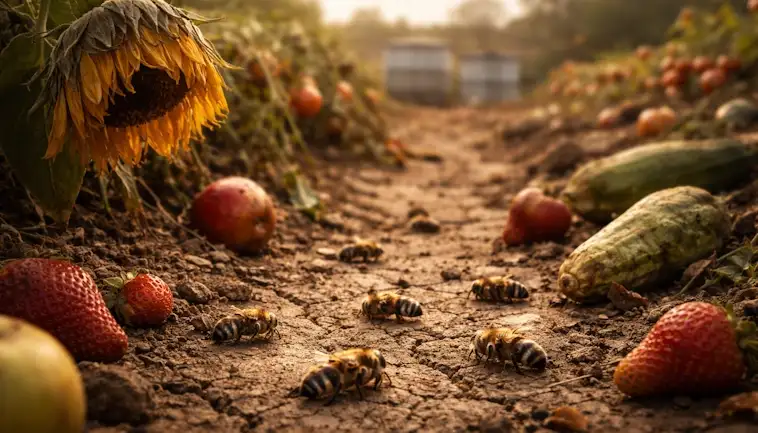
How Bee Decline Is Disrupting Crop Production
Bee decline is often talked about in the background of environmental news. Yet its impact on our food system is far more personal than many people realize. When bee populations fall, the effects ripple across farms, markets, and even our kitchen tables.
Pollination is a simple process, but it drives a huge share of global agriculture. Many fruits, nuts, and vegetables depend on bees to transfer pollen from one flower to another. When bee numbers drop, those crops struggle to produce. Yields fall. Prices rise. Farmers are forced to adapt in ways that are costly and sometimes unsustainable.
A Closer Look at the Chain Reaction
As bee decline continues, farmers often turn to hand-pollination or rented hives. Both options increase production costs. That cost eventually lands on consumers. Over time, reduced pollination can also lead to smaller, less nutritious harvests. This means fewer choices and higher prices at the grocery store.
The challenge doesn’t stop there. With fewer bees, ecosystems lose balance. Wild plants fail to reproduce at normal rates. That reduces habitat for other species, creating a downward spiral for biodiversity. And since diverse ecosystems help protect crops from pests and disease, the loss of bees adds yet another layer of risk.
Looking forward, the path isn’t set in stone. When communities invest in bee-friendly landscapes, reduce harmful pesticides, and support sustainable farming, bee populations can stabilize. These actions are practical and powerful. Even small shifts — like planting meadow strips or choosing pollinator-safe products — help rebuild the natural systems that keep our crops thriving.
Bee decline may feel like a distant environmental issue, but it’s unfolding in real time and affecting real food. By understanding the link between bees and crop production, we can make smarter choices and support solutions that keep our plates full and our ecosystems healthy.
The Hidden Pressures Driving Pollinators Away
Pollinators are quietly slipping from our landscapes, and many people don’t realize just how much pressure they’re under. Yet their decline affects everything from the food on our plates to the health of our ecosystems. So it’s worth slowing down and asking a simple question: What, exactly, is pushing them away?
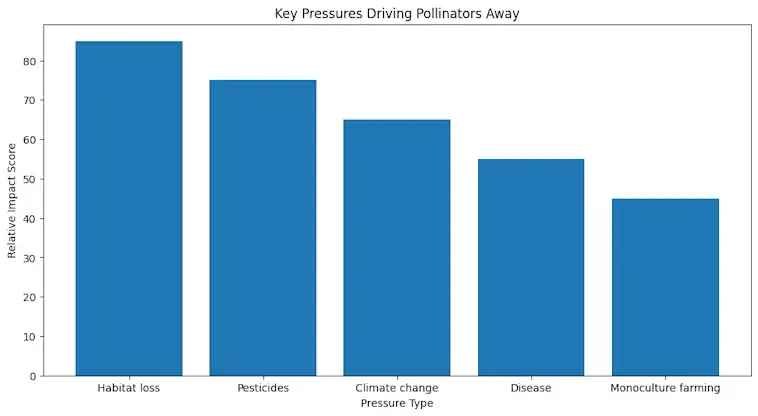
As we look closer, a pattern becomes clear. Several powerful forces are working together, and each one adds stress to species already living on the edge. Habitat loss is usually the first culprit. When natural spaces shrink, bees, butterflies, and other pollinators lose the places they rely on for food and shelter. Then pesticides pile on even more strain. Climate change shifts seasons and temperatures faster than many species can adapt. Disease spreads more easily when populations are weakened. And monoculture farming removes the plant diversity pollinators need.
When you see the pressures side-by-side, the story becomes even more urgent. Below is a chart that highlights the relative impact of these major stressors. It offers a quick, clear way to understand what pollinators are up against—and why action can’t wait.
Why Bee Decline Now Threatens Food Security
Bee decline is happening now, and it’s beginning to reshape the way we think about our food. As pollinators disappear, the stability of our food system starts to wobble. And while this can feel overwhelming, understanding the issue is the first step toward fixing it.
Let’s talk through why this matters. Bees help pollinate a huge share of the fruits, vegetables, and nuts we rely on every day. When their numbers fall, crop yields shrink. Prices rise. And our diets become less diverse. This shift doesn’t just affect farmers. It touches every one of us at the grocery store, in our kitchens, and across our communities.
As you look ahead, it’s clear that protecting bees also protects the food we love. Their decline is a signal, not just a story about nature, but about our shared future. And because this challenge is growing, so is the need for quick, collective action.
Here are a few ways bee decline puts food security at risk:
- Reduced pollination leads to lower crop yields
- Fewer bees mean higher food prices over time
- Loss of pollinated crops decreases dietary variety
- Farmers face rising costs and greater uncertainty
Even so, there’s room for hope. Changes in farming, urban planting, and environmental policy can help reverse the slide. People are already stepping up—planting wildflowers, reducing pesticide use, and supporting sustainable agriculture. Small changes stack up fast.
As we move forward, the question isn’t whether bee decline will shape our food system. It already is. The real question is how quickly we choose to respond, and how boldly we act to protect the tiny workers who keep our world fed.
Farmers Struggle as Yields Drop Year After Year
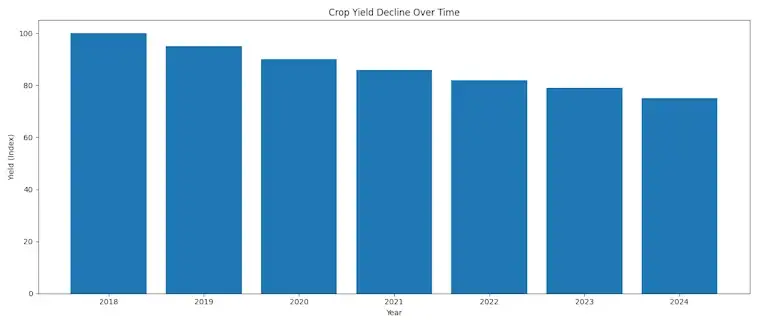
It’s getting harder for farmers to keep pace with the changing world around them. Every year, yields slip a little more. And while the trend feels quiet and gradual, the impact is anything but small. It affects food prices, rural communities, and the stability of our entire food system.
As you look across farming regions today, you hear the same worries again and again. Seasons are becoming less predictable. Heat arrives earlier. Rain comes all at once or not at all. So farmers push through, often working longer hours and taking bigger financial risks. Yet the harvest still shrinks.
This steady decline raises a bigger question: what happens if this continues? And more importantly, what can we do now to support the people who feed us?
To help illustrate this trend, take a look at the chart below. It shows how crop yields have slipped year after year—a clear sign of why so many farmers feel the pressure rising.
What We Can Still Do to Protect Vital Pollinators
When we talk about pollinators, it can feel like the problem is already too big to fix. Yet there is still plenty we can do—right now—to help bees, butterflies, and other species survive. Small actions add up. And, as more people join in, we create real momentum. So let’s look at practical steps that anyone can take, whether you live in a city apartment or a home with a backyard.
Understanding the Bee Decline and What It Means for Us
The decline of bees is not just a worry for scientists. It’s something that affects our food, our gardens, and our everyday lives. But here’s the encouraging part. Even simple changes can support healthier habitats. And when communities act together, landscapes recover faster than many people expect.
Start with Native Plants
Planting native flowers is one of the easiest and most effective ways to help pollinators. These plants offer the right nutrients at the right time of year. They also tend to be low-maintenance, which makes them perfect for anyone who wants to make a difference without spending hours in the garden.
Make Space for Safe Shelter
Pollinators need safe places to rest and nest. Leaving a small patch of soil undisturbed, setting out a bee hotel, or keeping a few hollow stems in your garden can create small but meaningful refuge.
Avoid Harmful Chemicals
Pesticides remain a major threat. Switching to natural pest control helps protect pollinators and keeps your soil healthier. Many gardeners find that once they cut back on chemicals, their local ecosystem becomes more balanced.
Support Local Conservation Efforts
If you’re not sure where to begin, join a local initiative. Community programs often provide plants, tools, or training. They also connect you with neighbors who care about the same issues. For a clear overview of pollinator-friendly practices, you can explore this helpful resource from the Xerces Society.
A Future We Can Still Shape
The path forward isn’t about perfection. It’s about steady, thoughtful action. When we plant more flowers, protect more habitats, and rethink our everyday choices, we help reverse decline. And each choice—no matter how small—strengthens the web of life we all depend on.
If we keep going, we can still build a future where pollinators thrive.
Conclusion: Why Acting on Bee Decline Still Matters
The story of bee decline can feel overwhelming, especially when we link it to falling harvests and rising food insecurity. Yet this moment also gives us a chance to rethink how we care for the natural systems that feed us. When we protect pollinators, we protect our farms, our gardens, and ultimately our own future.
By paying attention to the warning signs, we show that decline is not destiny. Small choices—planting diverse flowers, reducing chemical use, or supporting local conservation projects—help rebuild the resilience that bees need. And as more people take part, the impact grows quickly.
In the end, the real takeaway is hopeful. We still have time to change course. By acting now, we can slow bee decline, strengthen our food systems, and create healthier landscapes for the next generation.