
Reef Collapse: What’s Really Driving Oceans to the Edge?
Reef Collapse: What’s Really Driving Oceans to the Edge?
Coral reefs are among the most vibrant ecosystems on Earth, yet they are disappearing at an alarming rate. Scientists warn that reef collapse is no longer a distant threat—it’s happening right now. Rising ocean temperatures, destructive fishing practices, and pollution are pushing these fragile habitats to the brink. The loss of coral reefs is more than just an environmental concern. It endangers marine life, coastal protection, and even the livelihoods of millions who depend on healthy oceans. Understanding what’s truly driving this collapse is the first step toward safeguarding the future of our seas.
Reef Collapse and Climate Change: The Hidden Heat Stress
When we think about climate change, melting ice caps and rising seas usually come to mind. But there’s another crisis unfolding quietly beneath the waves. Coral reefs, often called the “rainforests of the sea,” are under extreme stress. And the biggest culprit isn’t pollution or storms—it’s heat.
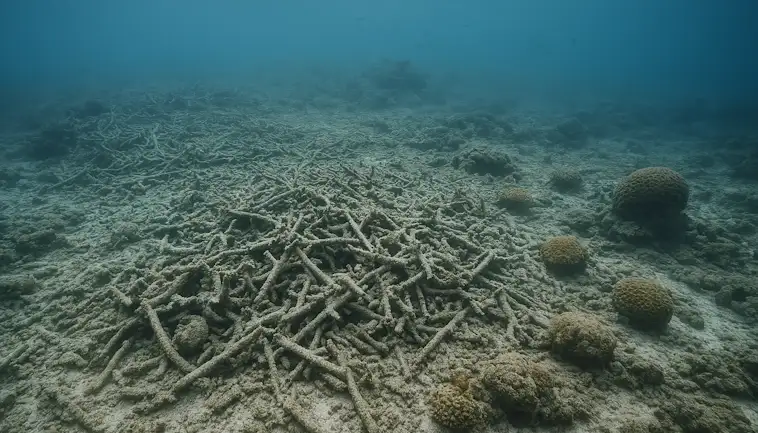
Rising ocean temperatures are pushing coral past their limits. Just a single degree of warming can tip the balance. When corals overheat, they expel the algae living in their tissues. This process, known as bleaching, strips them of both their color and their main food source. Without recovery time, the reef ecosystem can collapse.
Why Heat Matters More Than You Think
It’s easy to underestimate heat stress because it’s invisible. You can’t see the rising water temperature the way you see a storm surge. Yet the impacts are devastating. Reef collapse affects fish populations, coastal protection, and even the oxygen we breathe. Scientists warn that if global temperatures keep climbing, many reefs could disappear within our lifetime.
The hidden heat stress is a silent force. It weakens corals slowly, but its effects ripple far beyond the ocean. Losing reefs means losing a vital shield against climate change itself. That’s why protecting them isn’t just about saving beautiful underwater landscapes—it’s about safeguarding the future of our planet.
Overfishing and Its Ripple Effect on Coral Survival
When we think about coral reefs, we often picture vibrant underwater cities full of life. But these ecosystems are far more fragile than they appear. One of the biggest threats they face isn’t always obvious at first glance—overfishing.
Fish aren’t just food for people; they’re caretakers of coral reefs. Many species graze on algae that, if left unchecked, can smother corals. When too many of these fish are caught, the balance breaks. Algae grows faster, corals struggle to breathe, and entire reef systems begin to weaken.
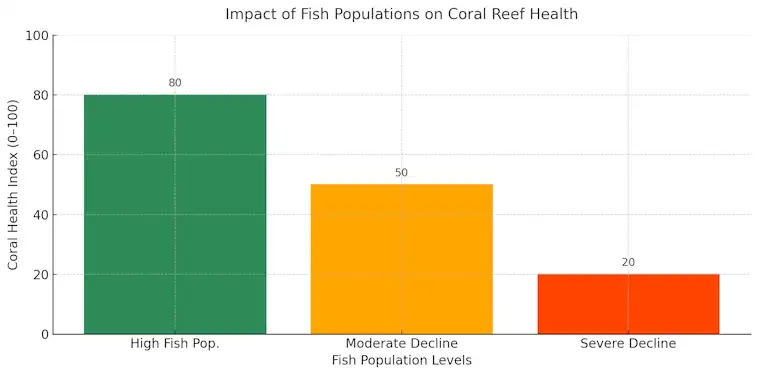
This ripple effect doesn’t stop underwater. Local communities that depend on reefs for fishing, tourism, and coastal protection also feel the loss. Overfishing doesn’t just harm marine life—it directly threatens human livelihoods and food security.
The good news? With smarter fishing practices and protected zones, reefs can recover. By keeping fish populations healthy, we give corals a fighting chance to thrive in a changing ocean.
Reef Collapse Linked to Pollution and Runoff
When people think of coral reef collapse, climate change often gets the blame. And while rising ocean temperatures are a big part of the story, there’s another threat that’s closer to home: pollution and runoff. What washes off the land doesn’t just disappear—it often ends up in the sea, where it quietly but powerfully weakens reef systems.
Runoff carries a cocktail of chemicals, waste, and sediments into the ocean. Over time, this creates the perfect storm for coral stress and collapse. What’s even more concerning is that these local pressures combine with global warming, leaving reefs with little chance to recover.
Here’s how pollution and runoff damage coral reefs:
- Sediment smothers corals by blocking sunlight, which they need to grow.
- Nutrients from fertilizers trigger algae blooms that outcompete and suffocate coral.
- Chemical pollutants such as pesticides and heavy metals weaken reef organisms.
- Plastic waste breaks down into microplastics, which disrupt marine life and reef health.
- Sewage runoff adds harmful bacteria that can spread coral disease.
The link is clear: the more polluted the water, the weaker the reef. Protecting reefs isn’t just about tackling climate change. It’s also about rethinking how we manage land, reduce waste, and clean up what flows into our oceans.
The Impact of Coastal Development on Fragile Ecosystems
Coastlines are some of the most beautiful and valuable places on Earth. They attract people for housing, tourism, and industry. But rapid coastal development often comes at a cost. When we build too close to the shore, fragile ecosystems like mangroves, coral reefs, and salt marshes feel the impact first.
These ecosystems act as natural barriers, protecting us from storms and rising seas. They also provide food, shelter, and breeding grounds for countless species. Yet, as more buildings, roads, and resorts take over these areas, habitats shrink, water quality declines, and biodiversity suffers.
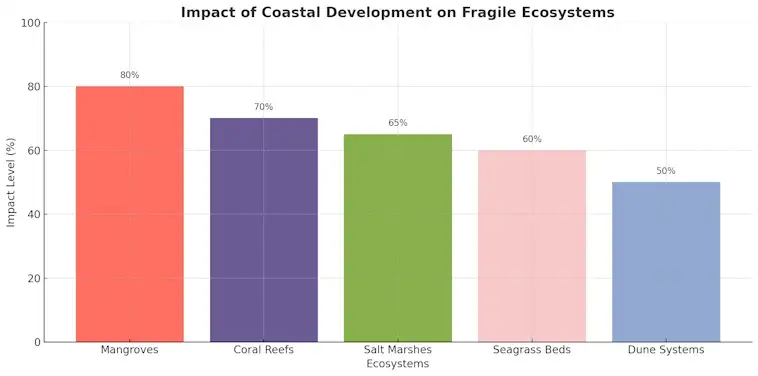
The challenge is balance. Development is often needed for economic growth, but without smart planning, it can destroy the very ecosystems that keep our coasts healthy and resilient. Protecting them isn’t just about saving wildlife—it’s about securing the future of coastal communities too.
Can We Prevent Future Collapses Through Global Action?
When we talk about the health of our planet, the word “collapse” can feel overwhelming. From coral reefs to rainforests, the systems that support life are under serious pressure. But here’s the good news: global action can still make a difference. The choices we make today will shape whether these ecosystems survive or vanish.
Reef Collapse: Why Unity Matters
Take coral reefs, for example. They face threats from warming seas, pollution, and overfishing. If we let them fail, millions of people who depend on them for food and income will be affected. But reef collapse is not inevitable. When countries work together—through climate agreements, stricter fishing rules, and reduced carbon emissions—reefs stand a fighting chance.
The same applies to forests, oceans, and even the air we breathe. Collaboration on a global scale can slow damage and even help reverse it. We’ve seen this before. The world came together to ban harmful chemicals that were destroying the ozone layer, and it worked. That success shows us that global cooperation isn’t just a dream—it’s possible.
So, can we prevent future collapses? Yes, if we act with urgency and unity. The window is still open, but it won’t stay that way forever. The time to move from talk to action is now.
Reef Collapse: Why Protecting Our Oceans Can’t Wait
The collapse of coral reefs is not just a threat to marine life—it’s a warning sign for all of us. Reefs protect coastlines, feed millions, and support some of the most diverse ecosystems on Earth. Yet rising temperatures, pollution, and overfishing are pushing them past the point of recovery.
The good news is that it’s not too late. Every action—whether reducing plastic use, supporting sustainable seafood, or pushing for stronger climate policies—makes a difference. By protecting reefs today, we safeguard food security, jobs, and biodiversity for future generations.
If you care about the ocean’s future, now is the time to act. Stay informed, share this message, and support organizations working to restore and protect reefs. Together, we can turn the tide and keep these underwater worlds alive.