

Protecting the Natural Ecosystem in a Changing World
Small Changes Today Can Help Every Natural Ecosystem Thrive Tomorrow
The natural ecosystem is under growing pressure as the world continues to change at a rapid pace. From shifting climates to expanding cities, the balance between people and nature is being tested like never before. As a result, many habitats are struggling to adapt, and the loss of biodiversity is becoming harder to ignore. Yet, there is still time to protect what remains and restore what has been damaged.
Understanding how ecosystems work is the first step toward protecting them. Every plant, animal, and microorganism plays a role in keeping the environment stable and productive. When one part is disrupted, the effects can ripple outward, impacting food supplies, clean water, and even the air we breathe. Therefore, small actions can make a meaningful difference when they are taken together.
Looking ahead, new ideas and technologies offer hope. Sustainable farming, cleaner energy, and smarter land use are already helping reduce harm in some areas. At the same time, local communities and global efforts are working side by side to protect vital habitats. With the right choices, it is possible to build a future where both people and nature can thrive.
What You’ll Discover
Why Protecting the Natural Ecosystem Matters More Than Ever
Key Threats Shaping Our Environment Today
Practical Ways to Support the Natural Ecosystem
How Innovation Is Driving Sustainable Change
What the Future Holds for Global Ecosystems
Conclusion: Safeguarding Our Natural Ecosystem for the Future
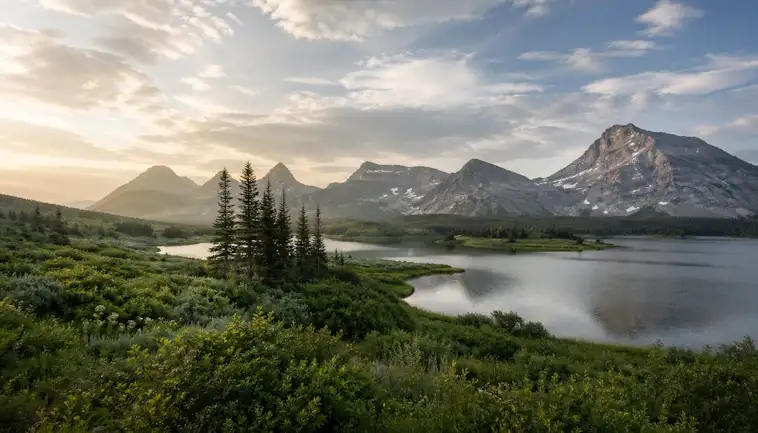
Why Protecting the Natural Ecosystem Matters More Than Ever
Right now, the natural world is under more pressure than at any other point in modern history. Forests are shrinking. Oceans are warming. Wildlife is struggling to survive. At the same time, human activity continues to grow at a rapid pace. Because of this, protecting the natural ecosystem is no longer optional. It is essential.
But this is not just about saving plants and animals. It is also about protecting our own future. Healthy ecosystems give us clean air, fresh water, and fertile soil. In other words, they support life as we know it. Without them, everyday things we take for granted could quickly become scarce.
The Link Between Nature and Human Survival
To begin with, ecosystems work like a delicate web. Every part plays a role. For example, bees pollinate crops, forests store carbon, and oceans regulate climate. When one part breaks, the entire system feels the impact. As a result, small changes can lead to bigger problems over time.
Moreover, nature acts as a natural defense system. Wetlands help prevent flooding. Trees reduce heat in cities. Coral reefs protect coastlines from storms. However, when these systems are damaged, we lose those benefits. That means higher risks and greater costs for communities around the world.
Why Today’s Choices Shape Tomorrow’s World
Looking ahead, the choices we make today will define the future. If we continue to ignore environmental damage, the consequences will only grow. On the other hand, taking action now can create long-term benefits.
For instance, restoring ecosystems can boost biodiversity and improve resilience. It can also support jobs in sustainable industries. In addition, new technologies are making it easier to protect nature while still meeting human needs. This creates a path where progress and protection can go hand in hand.
In the end, protecting the natural ecosystem is about balance. It is about finding smarter ways to live, work, and grow. Most importantly, it is about ensuring that future generations inherit a world that is still full of life.
Key Threats Shaping Our Environment Today
Our environment is changing faster than ever. And while that can feel overwhelming, understanding the biggest threats is the first step toward real progress. Today, several key issues are shaping the world around us. They affect our air, water, food, and even our future.
So, let’s break it down in a simple and clear way.
The Biggest Environmental Pressures Right Now
Right now, a handful of major threats are driving most environmental change. Each one is connected. And together, they create a ripple effect across the planet.
Climate change leads the way
Rising global temperatures are shifting weather patterns. As a result, we see more heatwaves, floods, and wildfires. This doesn’t just affect nature. It also impacts cities, food supply, and health.
At the same time, biodiversity loss is accelerating. Many plant and animal species are disappearing. This weakens ecosystems and reduces nature’s ability to recover.
Air pollution is another serious concern. Poor air quality affects millions of people daily. It can lead to breathing problems and long-term health risks.
Then there’s water scarcity. Clean water is becoming harder to access in many regions. This creates stress for communities, agriculture, and industry.
Plastic pollution is also growing fast. Waste is building up in oceans and landscapes. Over time, it breaks down into microplastics, which enter the food chain.
Finally, deforestation continues to remove vital forests. These forests store carbon and support wildlife. Without them, climate change speeds up even more.
To help you see how these threats compare, here’s a simple visual breakdown.
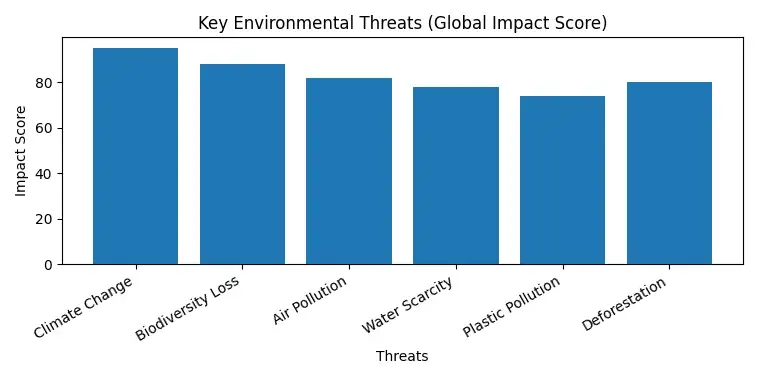
Each of these challenges matters on its own. However, what makes them even more important is how they connect. For example, cutting down forests can worsen climate change. In turn, climate change can increase water shortages.
Looking ahead, the focus is shifting toward solutions. Clean energy, smarter cities, and better waste systems are gaining ground. And while change takes time, awareness is growing.
So, the more we understand these threats, the better prepared we are to act.
Practical Ways to Support the Natural Ecosystem
Rainforests are some of the most important ecosystems on Earth. They help regulate the climate, support wildlife, and provide resources that millions of people depend on. However, they are under constant pressure from deforestation, climate change, and human activity.
The good news is that small, everyday choices can make a real difference. By taking simple steps, you can help protect rainforests and support a healthier planet. Let’s explore how.
Simple Actions That Make a Big Impact
When it comes to protecting rainforests, consistency matters more than perfection. Even small changes can add up over time. Here are some practical ways to get started:
Start With Your Daily Habits
- Choose products with certified sustainable ingredients, such as FSC-certified wood or Rainforest Alliance products
- Reduce paper waste by switching to digital options where possible
- Buy less and choose quality items that last longer
- Avoid products linked to deforestation, like unsustainable palm oil
- Support brands that are transparent about their sourcing
In addition, being mindful of what you eat can help. For example, reducing meat consumption can lower demand for land clearing, which often affects rainforests.
- Eat more plant-based meals during the week
- Choose locally sourced food to reduce environmental impact
- Avoid food waste by planning meals and storing food properly
Finally, your voice matters. Supporting policies and organizations that protect rainforests can create long-term change.
- Donate to conservation groups working to protect rainforest areas
- Share information to raise awareness among friends and family
- Support laws and policies that promote sustainable land use
By taking these steps, you become part of a larger movement. And over time, these choices help protect rainforests for future generations.
How Innovation Is Driving Sustainable Change
Innovation is no longer just about growth. It is now about survival. Across industries, new ideas are helping reduce waste, cut emissions, and protect natural resources. As a result, businesses and communities are rethinking how they operate.
At the same time, technology is making sustainable choices easier and more affordable. For example, clean energy systems are becoming cheaper. Smart tools are helping companies track their environmental impact in real time. Because of this shift, sustainability is moving from a “nice to have” to a core strategy.
Looking ahead, this trend will only accelerate. Companies that invest in innovation today are more likely to stay competitive tomorrow. In other words, sustainability and innovation now go hand in hand.
The Role of Technology in Sustainable Progress
Technology is at the heart of this transformation. It helps industries move faster and smarter toward greener solutions.
From renewable energy to electric transport, innovation is changing how we produce and consume. For instance, solar and wind power are reducing reliance on fossil fuels. Meanwhile, electric vehicles are cutting emissions in major cities.
In addition, digital tools like AI and data analytics are improving efficiency. They help businesses use fewer resources while producing better results. This means less waste and lower costs at the same time.
Why Data-Driven Innovation Matters More Than Ever
Data is becoming a powerful driver of sustainable change. It allows organisations to measure impact, set clear goals, and track progress.
For example, companies can now monitor energy use in real time. As a result, they can quickly spot inefficiencies and fix them. This leads to smarter decisions and better outcomes.
Moreover, data supports transparency. Consumers today want to know how products are made. They care about sustainability. Therefore, businesses that use data to show real progress can build stronger trust.
In the future, this will go even further. We will likely see more automation, smarter cities, and connected systems that work together to reduce environmental impact. Step by step, innovation will continue to reshape how we live and work.
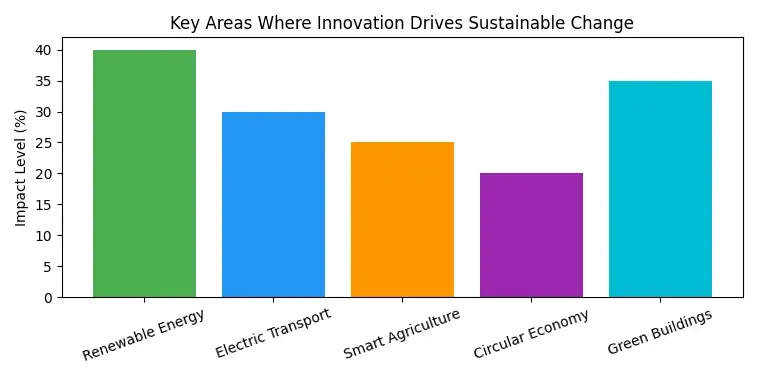
This chart highlights key areas where innovation is already making a strong impact on sustainability.
What the Future Holds for Global Ecosystems
The future of global ecosystems is both uncertain and full of possibility. On one hand, rising temperatures, pollution, and habitat loss continue to put pressure on the natural world. On the other hand, new ideas, better technology, and growing awareness are creating real momentum for change. So, where are we heading next?
To begin with, ecosystems are not static. They are always shifting and adapting. However, the speed of change today is much faster than in the past. As a result, many plants and animals are struggling to keep up. Coral reefs are bleaching. Forests are shrinking. Wildlife populations are declining. Yet, this is only part of the story.
At the same time, people around the world are stepping up. Governments, scientists, and local communities are working together more than ever before. For example, rewilding projects are bringing back lost species. Renewable energy is reducing pressure on natural resources. Even small actions, like planting trees or protecting wetlands, are starting to add up.
The Role of Innovation in Ecosystem Recovery
Looking ahead, innovation will play a key role in shaping the future. New tools like satellite monitoring and AI are helping us track changes in real time. This means we can respond faster and make smarter decisions. In addition, advances in sustainable farming and clean energy are reducing the strain on ecosystems.
However, technology alone is not enough. Human behavior must also evolve. People are becoming more aware of how daily choices impact the planet. From reducing waste to supporting eco-friendly brands, these shifts matter more than ever.
Why Collective Action Matters More Than Ever
Ultimately, the future of global ecosystems depends on collective action. No single country or community can solve this alone. Instead, progress will come from shared effort and long-term thinking.
Encouragingly, younger generations are driving this change. They are more informed, more connected, and more willing to act. As this mindset grows, it creates a ripple effect across industries and societies.
While challenges remain, there is real hope for the future. With the right balance of innovation, responsibility, and collaboration, global ecosystems can recover and even thrive. The path forward is not easy, but it is still within reach.
Conclusion: Safeguarding Our Natural Ecosystem for the Future
In a world that is changing faster than ever, protecting our natural ecosystem is no longer optional. It is essential. From forests and oceans to local green spaces, every part of the natural ecosystem plays a role in keeping life balanced and healthy.
However, the good news is that change is still within our reach. Small actions, when taken together, can lead to meaningful impact. Whether it is reducing waste, supporting conservation efforts, or making more mindful choices, each step helps protect the natural ecosystem for future generations.
At the same time, innovation and awareness are growing. New technologies, better policies, and stronger global cooperation offer hope. As we look ahead, the focus must shift from short-term fixes to long-term solutions that respect and restore the natural ecosystem.
Ultimately, protecting the natural ecosystem is about more than the environment. It is about our health, our communities, and the future we want to build. By acting today, we can help ensure a more balanced, sustainable world for tomorrow.