

Environmental Neglect Is Catching Up With Us
The Silent Crisis of Environmental Neglect
Nature has limits—and we’re pushing them. After decades of warnings, the consequences of environmental neglect are no longer distant threats. They’re showing up in our daily lives: hotter heatwaves, dirtier air, rising seas, and vanishing wildlife.
What once felt like tomorrow’s problem is now today’s emergency. Communities are bearing the brunt of choices made without the environment in mind. From polluted rivers to scorched farmland, the evidence is impossible to ignore.
But it’s not too late. By understanding how we got here, we can still shift course. The key lies in facing the damage honestly and committing to smarter, more sustainable actions—starting now.

What Environmental Neglect Really Means
When we talk about environmental neglect, we’re not just referring to overflowing landfills or polluted rivers. It’s something much deeper. It’s what happens when we treat nature as an afterthought instead of a priority. Over time, that mindset creates ripple effects—on our health, our economy, and the planet’s ability to sustain life.
At its core, environmental neglect is about inaction. It’s choosing short-term convenience over long-term stability. It’s ignoring rising temperatures, deforestation, air pollution, and plastic-filled oceans because they seem like “someone else’s problem.” But here’s the truth: they’re everyone’s problem. The air we breathe, the water we drink, and the food we eat all rely on ecosystems working the way they should.
The Small Signs We Often Miss
Neglect doesn’t always look dramatic. Sometimes, it’s as subtle as a disappearing bee population or fewer birds in your backyard. These small changes are actually warnings. They tell us something is off-balance—and it’s happening right under our noses.
This neglect also comes with a cost. We spend more on healthcare due to pollution-related illnesses. Natural disasters become more intense and expensive to recover from. Crops fail more often, leading to food insecurity. Ignoring these signs today only makes the solutions more difficult and more expensive tomorrow.
The good news? We still have time. Paying attention, asking questions, and supporting smarter environmental choices—from clean energy to waste reduction—can reverse much of the damage. But we have to act now.
Environmental neglect doesn’t have to be our legacy. With enough awareness and effort, it can be the wake-up call that pushes us toward a more sustainable and livable future.
How Environmental Neglect Fuels Climate Disasters
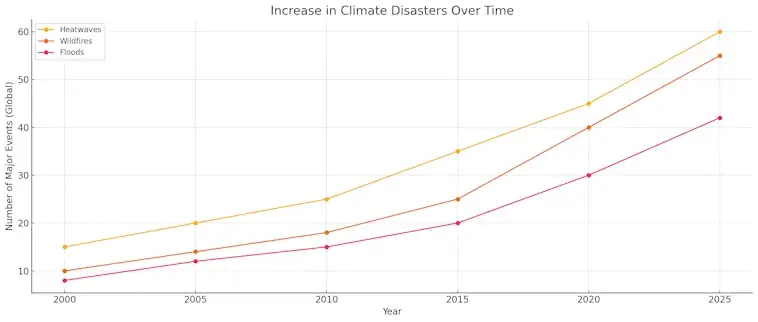
Environmental neglect doesn’t just harm local wildlife or cause a bit more litter on the streets. It plays a much bigger role in the global climate crisis—and it’s fueling extreme weather events in ways many people don’t realize.
When forests are cleared for short-term profit, we lose natural carbon sinks that help cool the planet. When wetlands are drained or destroyed, we remove natural flood protection. And when industries pump out greenhouse gases without limits, we trap heat in the atmosphere. The result? More frequent, more intense climate disasters.
Heatwaves are lasting longer. Wildfires are spreading faster. Hurricanes are becoming more destructive. These aren’t isolated incidents—they’re symptoms of a planet under stress.
Nature’s Warnings Are Getting Louder
We often treat floods, droughts, and wildfires as freak events. But they’re not random anymore. They’re warnings. Every time we ignore the health of our environment, we weaken its ability to protect us.
For example, healthy forests can absorb heavy rainfall and reduce landslides. But if those trees are gone, there’s nothing to hold the soil. The same goes for rising sea levels. Coastal ecosystems like mangroves and coral reefs act as natural barriers. Without them, storm surges do far more damage.
What makes this even more urgent is that climate disasters don’t wait. They don’t give second chances. Ignoring environmental health today increases the risks tomorrow—not just for nature, but for people, homes, and economies.
The takeaway? Tackling climate change starts with caring for the environment right now. It’s not optional. It’s essential. And the longer we delay, the harder the recovery becomes.
The Hidden Costs of Environmental Neglect
When we ignore the environment, the damage doesn’t always show up right away. But over time, the costs quietly pile up—and they’re often much higher than we expect. Environmental neglect doesn’t just affect forests, oceans, or endangered species. It hits our wallets, our health, and our communities.
One of the most overlooked costs is healthcare. Air and water pollution lead to chronic conditions like asthma, heart disease, and even cancer. Treating these illnesses drains public health systems and increases insurance costs. In other words, pollution doesn’t just harm nature—it makes people sick, and society pays the price.
Then there’s infrastructure. As natural buffers like wetlands and forests disappear, cities face more damage from storms, floods, and heatwaves. Repairing roads, homes, and power lines after each disaster gets more expensive every year.
It’s Not Just Money—It’s Opportunity Lost
Environmental neglect also means missed opportunities. Think about clean energy. Countries that invest in solar, wind, and green tech now are not only reducing emissions—they’re creating jobs, attracting investment, and setting themselves up for long-term success.
On the flip side, areas that delay climate action risk falling behind. They face higher food prices due to droughts. They struggle with unreliable water supplies. And they miss out on the growing demand for sustainable solutions.
So while it might seem cheaper to cut corners or delay action, the long-term costs are anything but. The sooner we prioritize environmental health, the more we save—financially, physically, and globally.
Environmental neglect isn’t just a mistake. It’s a debt we keep passing on to the next generation. And it’s time to stop the cycle.
Communities Hit Hardest by Environmental Neglect
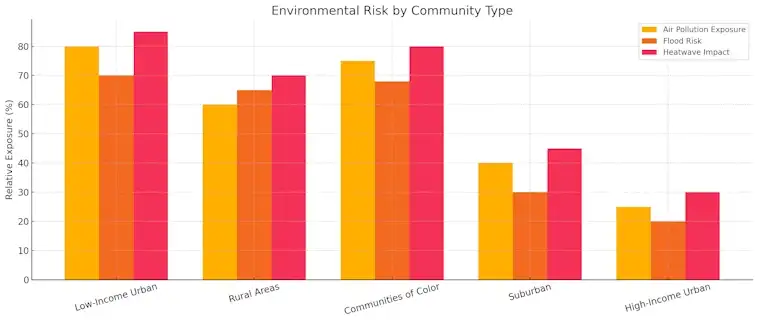
Environmental neglect doesn’t impact everyone equally. While the damage may seem global, the burden falls hardest on the most vulnerable communities—those with the fewest resources to prepare, adapt, or recover. These are often low-income neighborhoods, rural areas, and communities of color that have long been overlooked in environmental planning and investment.
In many cases, these places are already on the frontlines. They live near landfills, factories, or highways. They deal with poor air quality, unsafe drinking water, and limited green space. When climate-related disasters hit—like floods, heatwaves, or wildfires—they’re hit harder and recover slower.
When Location Becomes a Risk Factor
The simple truth is that where you live can determine how safe you are from environmental harm. A home near a polluted river or in a flood-prone zone isn’t just inconvenient—it can be dangerous. But many families don’t have the luxury to move. These risks become part of daily life, passed down from one generation to the next.
Lack of investment makes things worse. Without proper infrastructure, these communities often face power outages during heatwaves or have no drainage systems when heavy rains fall. Schools, clinics, and public services suffer too, making it harder to bounce back after a disaster.
But here’s the good news: change is possible. When local voices are heard and real investment flows into at-risk areas, the impact is powerful. Cleaner air, better water systems, stronger housing—these aren’t luxuries. They’re basic rights.
Environmental justice starts by recognizing who’s most affected. And building a future that protects all communities, not just the privileged few, is how we make real, lasting progress.
Fighting Back Against Environmental Neglect
Environmental neglect might feel overwhelming—but we’re not powerless. In fact, the shift toward a healthier planet begins with small, consistent actions. Individuals, communities, and governments all have a role to play in reversing the damage and protecting what’s left.
The first step? Awareness. You can’t solve a problem you don’t see. Talking about pollution, climate change, and biodiversity loss is how we break the silence. It helps others recognize what’s at stake—and why it matters to everyone.
But awareness alone isn’t enough. Action is what drives real change.
Local Actions, Global Impact
You don’t have to wait for sweeping policies to make a difference. Supporting local farmers, cutting down on single-use plastics, using public transport, and voting for environmentally focused leaders are all steps that move us forward.
At the community level, organizing clean-up days, planting trees, or pushing for greener infrastructure can lead to meaningful change. Many towns and cities are already showing how sustainable development and environmental protection can go hand-in-hand.
On a bigger scale, holding corporations and policymakers accountable is essential. Businesses must shift toward cleaner production. Governments must enforce regulations that protect air, water, and ecosystems—not just for today, but for future generations.
The truth is, fighting environmental neglect isn’t about being perfect—it’s about showing up. Every choice, every voice, every small action adds up. It’s how we push back against decades of inaction and start building something better.
The planet doesn’t need a handful of people doing everything perfectly. It needs millions doing what they can. Starting now.
Why Environmental Neglect Can’t Be Ignored
Environmental neglect isn’t just about what we’re doing to the planet—it’s about what we’re risking for the future. When we ignore pollution, habitat loss, and climate change, we invite bigger problems: more natural disasters, rising health costs, and deepening inequality.
But the good news is this: we’re not stuck. Every effort to protect and restore the environment matters. From local communities planting trees to global policies reducing emissions, positive change is already happening.
The key is to stay engaged. Ask questions. Make sustainable choices. Support leaders and businesses that take the climate crisis seriously. Talk to others about why the environment matters—because awareness leads to action, and action leads to progress.
The longer we delay, the higher the cost. But if we act now, we can protect not just nature, but our health, our homes, and our future.
Let’s choose a future that values clean air, safe water, thriving wildlife, and strong, resilient communities. Let’s stop neglecting the environment and start giving it the attention—and care—it truly deserves.