

Powerful Coastal Change Could Destroy Life by the Sea
Powerful Coastal Change Could Destroy Life by the Sea
Coastal change is happening faster than many people realize. Shifting tides, rising sea levels, and stronger storms are reshaping shorelines across the world. For communities that depend on life by the sea, these changes bring both immediate challenges and long-term risks. Homes, businesses, and natural habitats are being pushed to the edge, forcing us to rethink how we live near the water. Understanding the driving forces behind coastal change is the first step to preparing for what lies ahead.
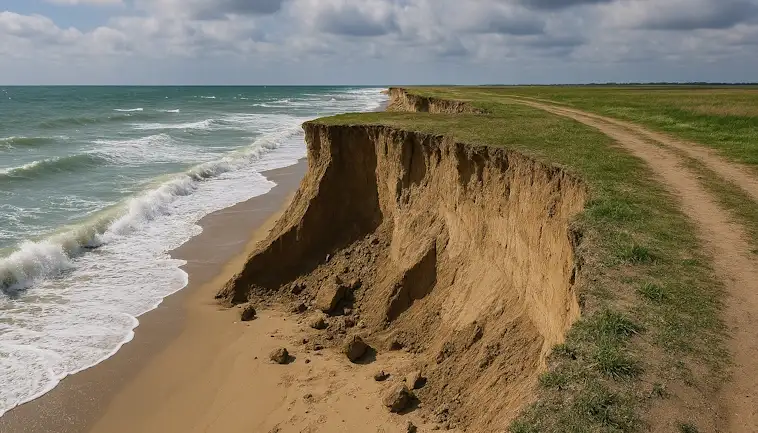
How Coastal Change Is Reshaping Our Shorelines
Coastlines are never still. They shift, erode, and rebuild themselves over time. But today, those changes are happening faster and in ways that affect how we live, work, and even play by the water. Rising seas, stronger storms, and human development are all reshaping our shorelines.
We often think of the coast as permanent—those sandy beaches, rocky cliffs, or marshy edges. Yet, coastlines are some of the most dynamic places on Earth. They respond to wind, waves, and tides every single day. Add climate change into the mix, and the pace of change only accelerates.
Why Beaches Are Moving More Than Ever
Beaches in particular are on the front lines. Sand is constantly moving, carried by currents and waves. When storms hit, that natural shifting can become extreme, sometimes washing away entire stretches of beach overnight. Communities that rely on tourism or fishing often feel the impact first.
And it’s not just erosion. In some places, new land is forming as rivers deposit sediment or as barrier islands slowly shift. The story of our shorelines isn’t only about loss—it’s also about transformation.
As coastal change continues, it forces us to rethink how we build near the water. Do we defend, adapt, or retreat? These are tough choices, but they matter more now than ever.
The Hidden Risks of Rising Sea Levels
When we think about climate change, most people picture hotter summers or stronger storms. But one of the biggest threats is quietly creeping up on us—rising sea levels.
It’s not just about water flooding coastlines. Rising seas put entire communities, food supplies, and local economies at risk. Millions of people in low-lying regions face the possibility of losing their homes. Critical infrastructure like ports, roads, and power stations also sit dangerously close to the shoreline.
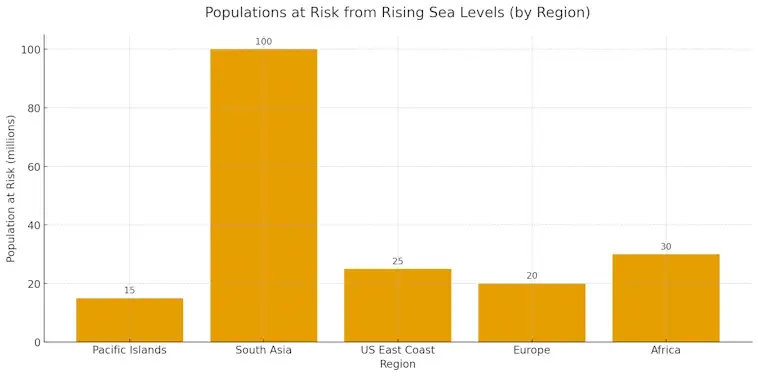
The reality is that this isn’t a distant problem. It’s happening now. Coastal towns are already dealing with higher tides, stronger erosion, and saltwater seeping into farmland. If left unchecked, the impacts could reshape where people live and how cities function.
Why Coastal Change Threatens Local Communities
Coastal towns and cities have always lived in a delicate balance with the ocean. For generations, the sea has provided food, jobs, and beauty. But today, coastlines are shifting faster than ever. Rising seas, stronger storms, and eroding shorelines are reshaping familiar landscapes. And while these changes might sound far away or slow, they’re already leaving a real mark on local communities.
The truth is, when the coastline changes, it changes everything around it. Families, businesses, and entire neighborhoods can be affected. It’s not just about losing a stretch of beach—it’s about the ripple effects that follow.
Here are some of the biggest ways coastal change threatens communities:
- Flooding risk rises – More frequent and severe flooding puts homes, roads, and public spaces at risk.
- Erosion eats away land – Beaches, farmland, and even entire properties are being lost to the sea.
- Local economies suffer – Tourism, fishing, and small businesses depend on stable coastlines. When they erode, so do livelihoods.
- Infrastructure takes a hit – Bridges, ports, and power lines built decades ago weren’t designed for today’s conditions.
- Cultural heritage is at risk – Historic sites, landmarks, and even family traditions tied to the coast may disappear.
Communities can adapt, but adaptation takes planning, investment, and cooperation. By understanding these risks now, we can protect not only the environment but also the people who call the coast home.
Erosion, Flooding, and the Fight for Survival
When land meets water, it’s never a fair fight. Rising seas, stronger storms, and relentless tides are reshaping coastlines at a speed we’ve never seen before. Erosion is eating away at beaches. Flooding is creeping into streets, farmland, and homes. And for communities in the path of change, survival has become the focus.
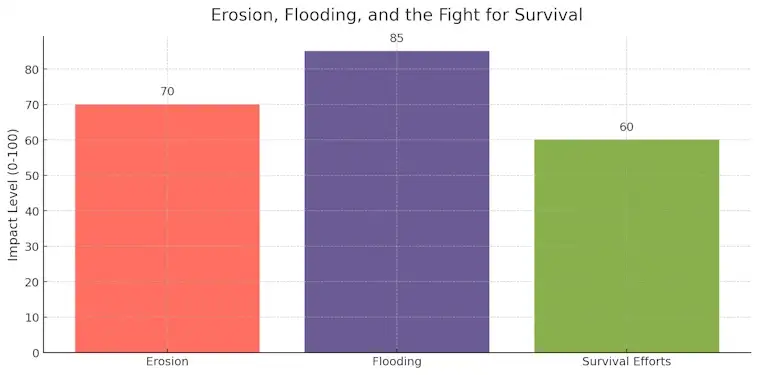
The challenge isn’t just about losing land—it’s about losing the safety, culture, and livelihoods tied to it. Yet, people are not standing still. Around the world, cities and villages are building sea walls, restoring wetlands, and rethinking how and where we live. These efforts show that survival is not just possible—it’s a story we’re still writing.
What We Can Do to Protect Life by the Sea
Living by the sea is a gift. The waves, the fresh air, and the wildlife make coastal life special. But our oceans and shorelines are changing fast. Rising seas, stronger storms, and human activity all put pressure on marine life and the communities that depend on them. The good news? We’re not powerless. Small steps, taken together, can make a real difference.
Understanding Coastal Change and Its Impact
Coastal change isn’t just about erosion or shifting sands. It’s about how our choices affect everything from fish populations to nesting birds. Protecting life by the sea starts with awareness. When we understand how fragile these ecosystems are, we’re more likely to act.
Simple actions help. Reducing plastic waste keeps it out of the ocean. Supporting local seafood markets encourages sustainable fishing. Even choosing reef-safe sunscreen can prevent damage to coral. These changes might feel small, but added up, they protect the very life that makes coastal living possible.
We can also look at bigger solutions. Planting mangroves, restoring wetlands, and supporting marine protected areas are powerful ways to give nature space to heal. Communities that plan for rising seas and shifting shorelines will be better prepared to adapt while keeping wildlife safe.
Protecting life by the sea isn’t just about saving nature. It’s about protecting our homes, our food, and future generations. The coast is changing, but with care and action, we can make sure it remains full of life.
Facing the Future of Coastal Change
Coastal change is not just a distant problem—it’s happening right now, reshaping the shores we know and love. Rising seas, stronger storms, and shifting sands remind us that our coastlines are living, moving systems. While these changes bring challenges, they also offer us a chance to rethink how we live, build, and protect the places we call home.
The choices we make today will decide whether our coastal communities thrive or struggle tomorrow. By supporting smart planning, reducing our environmental impact, and staying informed, we can adapt to this new reality.
If you want to stay ahead of coastal change, start by learning more, sharing knowledge, and getting involved in local efforts. Together, we can create a future where people and coastlines thrive side by side.