

Poor Air Quality May Be Sabotaging Your Mental Clarity
Poor Air Quality Could Be Hurting Your Focus and Brain Health
Poor air quality does more than irritate your lungs. It can also affect how clearly you think, how well you focus, and even how productive you feel throughout the day. From traffic pollution to indoor toxins, the air quality around you may be quietly shaping your mood, memory, and mental performance without you even noticing.
Research continues to link polluted air with brain fog, fatigue, and reduced concentration. As more people spend long hours indoors, concerns about stale air, poor ventilation, and hidden pollutants are growing fast. Even low levels of airborne particles can make it harder for the brain to function at its best over time.
The good news is that small changes can make a real difference. Cleaner air may help support sharper thinking, better sleep, and improved energy levels. Understanding how your environment affects cognitive health is becoming more important than ever, especially in busy cities and modern workplaces where exposure to pollution is hard to avoid.
What You’ll Discover
How Air Quality Affects Focus and Brain Function
The Hidden Link Between Pollution and Mental Fatigue
Why Poor Air Quality Can Cloud Your Thinking
Everyday Signs Your Environment Is Hurting Your Mind
Simple Ways to Protect Your Brain From Polluted Air
Conclusion: Why Better Air Quality Matters for Your Mind

How Air Quality Affects Focus and Brain Function
Most people think of air pollution as a problem for the lungs. However, the air you breathe can also affect how well your brain works. In fact, poor indoor and outdoor air quality may reduce focus, slow thinking, and even impact memory over time.
That matters more than ever today. Many people now spend long hours indoors working, studying, or using digital devices. As a result, the quality of the air inside homes and offices plays a bigger role in daily performance than many realize.
When the air contains high levels of dust, smoke, chemicals, or pollutants, the brain may receive less oxygen. Consequently, this can lead to mental fatigue, brain fog, and lower concentration levels. Even mild exposure to poor air quality may leave people feeling tired or distracted without understanding why.
On the other hand, clean air helps support healthy brain function. Fresh airflow and lower pollution levels can improve alertness, mental clarity, and productivity. That is one reason why many workplaces are now investing in better ventilation and air purification systems.
Why Clean Air Helps You Stay Focused
The brain needs a constant supply of oxygen to perform at its best. Therefore, when indoor air becomes stale or polluted, cognitive performance can drop surprisingly fast. Research has shown that high levels of carbon dioxide and airborne particles may reduce decision-making skills and attention span.
This is especially noticeable in crowded offices, classrooms, and poorly ventilated rooms. People often report headaches, tiredness, or difficulty concentrating after spending several hours in these environments.
Clean air also supports better sleep quality. In turn, better sleep improves memory, mood, and overall mental performance during the day. So while air quality may seem like a small detail, it can have a direct impact on daily focus and productivity.
Common Indoor Pollutants That Affect Brain Performance
Several everyday pollutants can quietly affect cognitive function indoors, including:
- Dust and pet dander
- Mold spores
- Smoke particles
- Cleaning chemicals
- Volatile organic compounds (VOCs) from furniture or paint
- Poor ventilation and excess carbon dioxide
Over time, constant exposure to these pollutants may increase stress on the body and brain. Because of this, improving indoor air quality is becoming an important part of creating healthier homes and workplaces.
The Hidden Link Between Pollution and Mental Fatigue
Most people already know that pollution can harm the lungs and heart. However, many do not realize how deeply it can affect the brain too. In recent years, researchers have started to uncover a troubling connection between poor air quality and rising levels of mental fatigue.
When the air is filled with harmful particles, the body works harder to protect itself. As a result, inflammation can spread throughout the body, including the brain. Over time, this may lead to slower thinking, lower focus, and constant feelings of exhaustion. Even more concerning, these effects can happen long before any physical symptoms appear.
For people living in busy cities, this issue is becoming harder to ignore. Traffic fumes, industrial emissions, and even indoor pollution can quietly drain mental energy day after day. Consequently, many people may blame stress or lack of sleep without realizing that the environment around them could also play a role.
How Dirty Air Impacts Brain Performance
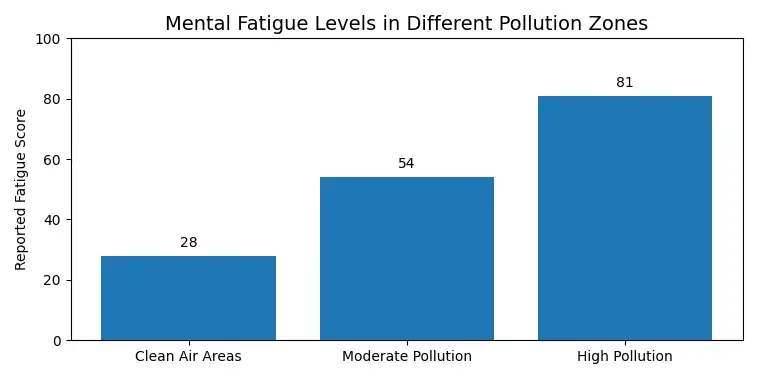
Studies suggest that exposure to polluted air may reduce oxygen flow to the brain. At the same time, harmful particles can trigger oxidative stress, which affects memory, concentration, and mood. Therefore, people exposed to high pollution levels often report feeling mentally drained faster than those living in cleaner environments.
In workplaces, schools, and crowded urban areas, this can lead to reduced productivity and increased burnout. Furthermore, long-term exposure may contribute to anxiety, depression, and cognitive decline later in life.
Why Mental Fatigue Feels Worse in Urban Areas
Urban environments often combine several fatigue triggers at once. Noise pollution, overcrowding, heat, and poor air quality can overwhelm the nervous system. Because of this, city residents may experience “brain fog” more frequently, especially during periods of heavy traffic or warmer weather when pollution levels rise.
The good news is that awareness is growing. More cities are investing in green spaces, cleaner public transport, and air quality monitoring systems. Meanwhile, individuals can also take simple steps such as using air purifiers, spending time in parks, and checking daily pollution forecasts before outdoor activities.
Ultimately, understanding the hidden connection between pollution and mental fatigue is important for both physical and mental wellbeing. Cleaner air does not just help people breathe easier. It may also help them think more clearly, focus longer, and feel more energized every day.
Why Poor Air Quality Can Cloud Your Thinking
Most people know that polluted air can affect the lungs and heart. However, many do not realize it can also affect the brain. In fact, the air you breathe each day may have a direct impact on how clearly you think, how well you focus, and even how you feel emotionally.
When air quality drops, tiny pollutants enter the body through the lungs. From there, they can travel into the bloodstream and reach the brain. As a result, this may trigger inflammation and reduce the amount of oxygen the brain receives. Over time, this can make everyday tasks feel harder than usual.
You might notice this during periods of heavy traffic, hot weather, or high pollution alerts. For example, you may feel more tired, forgetful, or mentally drained even after getting enough sleep. While these symptoms are easy to ignore, they can slowly affect productivity, mood, and overall wellbeing.
How Air Pollution Affects Mental Clarity
The brain relies on a steady supply of clean oxygen-rich blood to work properly. Yet poor air quality can interrupt this process. Fine particles, often called particulate matter or PM2.5, are especially harmful because they are small enough to enter deep into the body.
Research suggests that long-term exposure to polluted air may be linked to:
- Brain fog and slower thinking
- Trouble concentrating on tasks
- Increased stress and irritability
- Poor memory and mental fatigue
- Lower productivity at work or school
- More frequent headaches
- Disrupted sleep patterns
Because of this, many people notice they feel mentally sharper after spending time outdoors in cleaner environments or improving indoor air quality at home.
Small Changes That Can Help Protect Your Brain
The good news is that even simple lifestyle changes can make a difference. Although you cannot control outdoor pollution completely, you can reduce your exposure and support better cognitive health.
Here are a few practical ways to start:
- Check local air quality reports before spending long periods outside
- Use an air purifier indoors, especially in bedrooms and home offices
- Keep windows closed during high pollution days
- Add more indoor plants to improve air freshness
- Stay hydrated to support healthy circulation
- Exercise in parks or greener areas away from heavy traffic
- Avoid smoking and secondhand smoke whenever possible
Cleaner air does more than help you breathe easier. It can also support clearer thinking, better focus, and improved daily energy. Therefore, paying attention to air quality is not only good for physical health but also for long-term brain health.
Everyday Signs Your Environment Is Hurting Your Mind
Most people think stress only comes from work, money, or relationships. However, your surroundings can quietly shape how you feel every single day. In fact, the spaces around you often affect your mood before you even notice it.
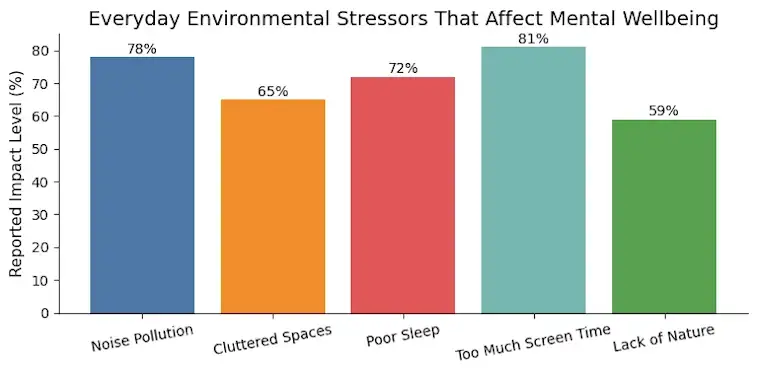
For example, constant noise, clutter, poor lighting, and too much screen time can slowly drain your energy. Over time, these small issues can lead to mental fatigue, anxiety, and trouble focusing. That is why paying attention to your environment matters more than ever.
The good news is that your mind usually sends warning signs early. Once you recognize them, you can begin making simple changes that support better mental wellbeing.
Small Daily Habits That Reveal a Bigger Problem
Sometimes the signs are subtle. You may feel irritated for no clear reason. You might struggle to relax at home, even after a long day. In other cases, you may notice that you feel mentally exhausted despite getting enough sleep.
Many people also experience brain fog in cluttered spaces. Meanwhile, environments filled with noise and distractions can make concentration harder. Even artificial lighting and limited natural sunlight can affect mood and motivation.
Because of this, it helps to pause and look at your daily surroundings. Ask yourself how your space makes you feel. Does it leave you calm and focused? Or does it make you feel tense and overwhelmed?
Common Environmental Triggers That Affect Mental Health
One of the biggest hidden triggers is overstimulation. Modern life constantly demands attention. Phones buzz, televisions play in the background, and notifications never stop. As a result, the brain rarely gets a chance to rest.
Another common issue is lack of connection with nature. Studies continue to show that green spaces, fresh air, and sunlight support emotional balance. Yet many people spend most of their day indoors under artificial light.
Clutter can also create mental pressure. Even if you do not realize it, messy surroundings often increase stress levels. On the other hand, organized and calming spaces can help the mind feel more settled and clear.
The key is not creating a perfect environment overnight. Instead, focus on small improvements. Open a window. Reduce noise where possible. Add plants or natural light. Clear one area at a time. Little changes often have a bigger mental impact than people expect.
Simple Ways to Protect Your Brain From Polluted Air
Air pollution is often linked to breathing problems. However, growing research shows it may also affect brain health. Tiny particles in polluted air can travel through the body and may increase inflammation linked to memory loss and cognitive decline over time.
The good news is that small daily habits can make a real difference. You do not need to completely change your lifestyle. Instead, a few simple steps can help lower your exposure and support long-term brain health.
Spend More Time in Cleaner Indoor Spaces
Indoor air can sometimes be just as polluted as outdoor air. Because of this, improving the air inside your home matters more than many people realize. Start by opening windows during times when outdoor pollution is lower, such as early mornings after rain. In addition, using air-purifying plants and regularly changing air filters can help improve air quality indoors.
If you live in a busy city, it also helps to avoid heavy traffic areas during peak hours. Even taking a quieter side street during a walk can reduce exposure to harmful particles.
Simple Habits That Can Help Every Day
There are also easy everyday habits that may support your brain while lowering the effects of pollution. For example, staying active helps improve blood flow to the brain. Meanwhile, eating foods rich in antioxidants, such as berries, leafy greens, and nuts, may help the body fight oxidative stress caused by polluted air.
Wearing a high-quality mask on days with poor air quality can also help, especially near traffic or construction sites. At the same time, checking local air quality reports before exercising outdoors can help you make smarter choices about when and where to be active.
Most importantly, consistency matters. Small protective steps taken every day can add up over time and may help support both your brain and overall health in the years ahead.
Conclusion: Why Better Air Quality Matters for Your Mind
Your brain needs clean air just as much as your lungs do. When air quality is poor, it can quietly affect your focus, memory, mood, and overall mental clarity. Over time, these effects may become harder to ignore, especially as modern life keeps us indoors for longer periods.
The good news is that small changes can make a real difference. Improving indoor air quality, spending more time in cleaner outdoor spaces, and reducing exposure to pollutants can all help support sharper thinking and better well-being. As awareness grows, more people are starting to see air quality as an important part of both physical and mental health.
In the years ahead, cleaner environments may become a bigger part of how we protect brain health and improve daily performance. Paying attention to air quality today could help you feel more focused, energized, and mentally clear tomorrow.