

Pollination Crisis: The Hidden Threat to Our Food
The Global Pollination Crisis and What It Means for the Food on Your Plate
The pollination crisis is unfolding quietly, yet its impact could reshape how the world eats. Bees, butterflies, and other pollinators are disappearing at alarming rates, leaving crops and ecosystems struggling to adapt. This hidden emergency doesn’t just threaten wildflowers—it’s starting to affect the fruits, vegetables, and grains that sustain us every day.
Our food system depends on these tiny workers far more than most people realize. Without them, supermarket shelves would look emptier, prices could soar, and entire farming communities might face collapse. Scientists warn that the tipping point is closer than we think, but there’s still time to act. By understanding what’s happening and why, we can begin to protect the balance that keeps our world fed.
Understanding the Pollination Crisis and Why It Matters
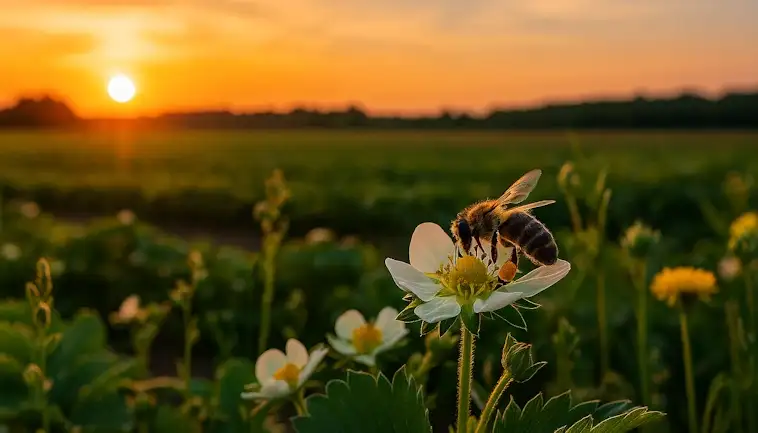
Have you ever stopped to think about how your morning coffee or your favorite fruit actually gets to your table? It’s all thanks to pollinators — bees, butterflies, birds, and even some bats. But here’s the problem: these tiny workers are in serious trouble. Around the world, we’re facing a growing pollination crisis, and it’s starting to affect the food we eat, the plants we rely on, and the balance of nature itself.
Pollinators help plants reproduce. Without them, crops like apples, almonds, and strawberries would struggle to grow. Scientists say more than 75% of the world’s flowering plants depend on animal pollination. That’s a staggering number. Yet pesticides, habitat loss, and climate change are wiping out pollinator populations faster than they can recover.
The Hidden Cost of Losing Pollinators
The pollination crisis isn’t just about fewer bees buzzing around. It’s about entire ecosystems being thrown off balance. When pollinators disappear, so do the plants that depend on them — and that means less food for other animals, less biodiversity, and more pressure on already fragile ecosystems. In short, losing pollinators means losing a vital link in nature’s chain.
It’s also a human problem. Global agriculture depends heavily on pollinators, and their decline threatens food security. If the pollination crisis continues, prices for fruits, nuts, and vegetables could rise, and some foods might even disappear from store shelves.
So what can we do? Supporting local beekeepers, planting pollinator-friendly gardens, and reducing pesticide use are small steps that make a big difference. Each flower planted or pesticide avoided is a lifeline for these essential creatures.
The truth is, the pollination crisis affects everyone — from farmers to families. Understanding it is the first step toward protecting the natural systems that keep us all alive and thriving.
How the Decline of Pollinators Impacts Global Food Supply
Have you ever wondered how much of the food on your plate depends on bees, butterflies, and other pollinators? The truth is, quite a lot. Around three-quarters of the world’s crops rely, at least in part, on pollinators. These tiny workers are vital to our food supply, yet they’re disappearing fast.
From wildflowers to coffee, apples, and almonds, pollinators make our diets more diverse and nutritious. But climate change, pesticides, and habitat loss are putting them under serious threat. When pollinators decline, crop yields fall, prices rise, and food security becomes shaky — especially in developing regions.
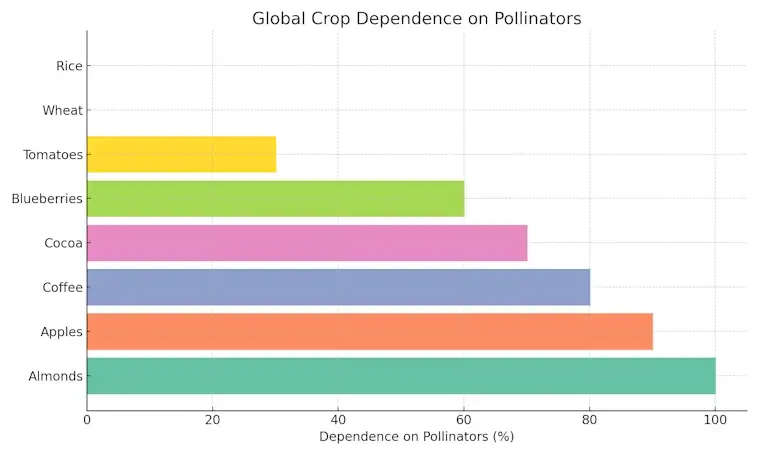
The link between pollinators and food isn’t just biological; it’s deeply economic too. The global value of pollination services is estimated in the hundreds of billions of dollars each year. So, as their numbers fall, we’re not just losing bees — we’re risking part of our food system and economy.
What’s Driving the Pollination Crisis Around the World
Have you noticed fewer bees buzzing around your garden lately? You’re not imagining it. Across the world, pollinators—bees, butterflies, birds, and even bats—are disappearing at an alarming rate. This growing pollination crisis threatens not only the beauty of nature but also the food we eat every day. Without pollinators, crops like apples, almonds, coffee, and strawberries would struggle to grow.
So, what’s really behind this global decline? Let’s break it down.
First, habitat loss is one of the biggest culprits. As cities expand and farmland grows, wildflower meadows and natural habitats are being replaced by concrete and monocultures. Pollinators lose their homes and the diversity of plants they depend on.
Next, pesticide use plays a huge role. Many chemical sprays harm bees and other insects, even when used in small amounts. These toxins weaken their immune systems and make it harder for them to navigate or reproduce.
Then there’s climate change, which is shifting blooming seasons and confusing pollinators. Flowers may bloom too early or too late, leaving pollinators without enough food at the right time. Extreme weather—heatwaves, floods, and droughts—only adds to the stress.
We can’t ignore disease and parasites either. Mites, fungi, and viruses are spreading faster than ever, especially among honeybee populations that are already weakened by other pressures.
Here’s a quick look at the main drivers of the pollination crisis:
- Expanding cities and farmland destroy natural habitats
- Overuse of pesticides and herbicides poisons pollinators
- Rising global temperatures disrupt seasonal cycles
- Invasive species and parasites spread disease
- Loss of plant diversity reduces food sources
All these factors are deeply connected, creating a perfect storm for pollinators. But it’s not too late. Around the world, communities are planting native flowers, cutting back on chemicals, and creating safe spaces for pollinators to thrive again.
If we act now, we can slow—and even reverse—the pollination crisis. It starts with awareness, small changes, and a shared understanding that these tiny creatures keep our planet blooming.
The Ripple Effect: From Bees to the Dinner Table
When you think about bees, you probably picture honey or buzzing gardens in spring. But their role stretches far beyond that. Bees are nature’s tiny powerhouses, quietly supporting our entire food system. Without them, many of the foods we love simply wouldn’t exist.
Here’s the thing: around one-third of the world’s food production depends on pollinators like bees. From apples and almonds to coffee and cucumbers, these busy insects make it all possible. When bee populations drop, it’s not just a problem for farmers. It’s a chain reaction that reaches right to your dinner table.
Fewer bees mean lower crop yields, rising prices, and less variety in our diets. Imagine grocery shelves with fewer fruits and vegetables, or your morning coffee costing twice as much. It’s not a far-fetched idea — it’s already happening in some regions.
And it’s not just about food. Bee health tells us a lot about the health of our environment. Pesticides, habitat loss, and climate change are all taking a toll, but the good news is that we can help. Supporting local honey producers, planting pollinator-friendly gardens, and reducing pesticide use can make a big difference.
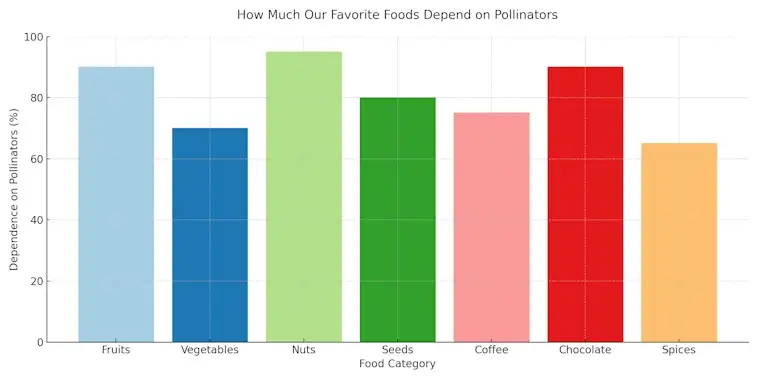
The ripple effect works both ways — just as environmental stress harms bees, small actions by people like you can help restore balance.
Can We Reverse the Damage and Protect Our Future Harvests?
Let’s be honest — it’s hard not to feel uneasy when we hear about shrinking bee populations, disappearing butterflies, and unpredictable weather patterns. For centuries, nature has quietly done the heavy lifting — pollinating crops, maintaining soil health, and keeping our food systems in balance. But today, that balance is slipping away. The question is, can we still turn things around?
The good news is yes, but only if we act with both urgency and care. Farmers, scientists, and communities around the world are already experimenting with solutions — from regenerative farming to creating wildflower corridors that help pollinators thrive again. These small changes, when scaled up, could reshape the future of agriculture.
Understanding the Pollination Crisis
The pollination crisis isn’t just about bees. It’s about the entire web of life that supports what ends up on our plates. Around three-quarters of the world’s food crops depend, at least partly, on pollinators. Without them, fruits, nuts, and vegetables would become rarer — and far more expensive.
Climate change, pesticide use, and habitat loss are the main culprits. But this is not a hopeless story. Innovative farmers are reducing chemical use, planting cover crops, and using AI-powered sensors to track soil and plant health. Even urban gardeners are joining in by planting native flowers on balconies and rooftops.
It’s proof that big change often starts small. By protecting pollinators, restoring biodiversity, and rethinking how we grow food, we can still secure future harvests — not just for ourselves, but for generations to come.
Rebuilding the Buzz: How You Can Help Save Our Pollinators
The pollination crisis isn’t just a problem for bees — it’s a warning sign for all of us. Without healthy pollinator populations, our food system becomes fragile, our ecosystems lose balance, and the world’s natural beauty starts to fade. Yet, there’s still time to turn things around.
By supporting local beekeepers, planting native flowers, reducing pesticide use, and choosing sustainably farmed foods, you can make a real difference. Each small action adds up — and together, we can restore the vital connections between plants, pollinators, and people.