

Polar Desert Mysteries Scientists Are Starting to Explain
Polar Desert Mysteries Scientists Are Finally Beginning to Explain
Far from forests, grasslands, and crowded coastlines, the polar desert remains one of the least understood environments on Earth. These frozen regions stretch across parts of the Arctic and Antarctica, where fierce winds, low snowfall, and extreme cold create landscapes that seem almost lifeless. Yet scientists are uncovering clues that reveal a far more active and complex world hidden beneath the ice and snow.
New research is helping experts explain strange patterns in the polar desert, from moving rocks and buried lakes to unusual microbial life surviving in brutal conditions. As technology improves, satellites, ice-penetrating radar, and climate data are revealing secrets that remained locked away for thousands of years. These discoveries are also offering important insights into Earth’s changing climate and what could happen in the decades ahead.
What You’ll Discover
Polar Desert Secrets Hidden Beneath Ice and Snow
Strange Survival Patterns Emerging in Earth’s Coldest Regions
Polar Desert Discoveries That Are Changing Climate Science
Why Frozen Landscapes Hold Clues to Ancient Earth
New Research Reveals the Science Behind Extreme Arctic Mysteries
Conclusion: The Polar Desert Still Holds Secrets
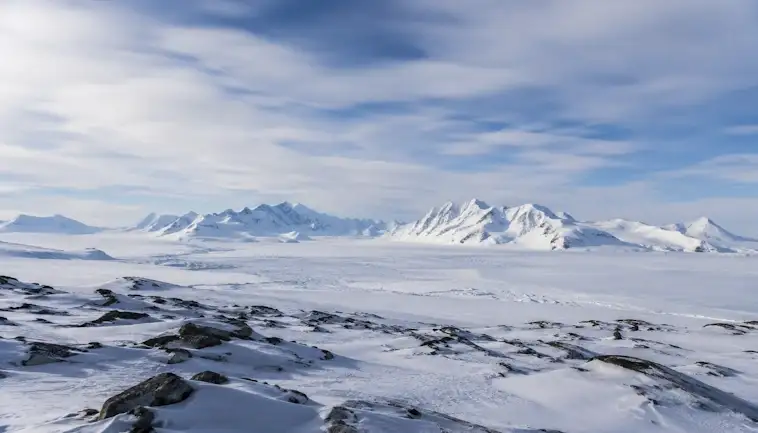
Polar Desert Secrets Hidden Beneath Ice and Snow
At first glance, polar deserts seem empty and lifeless. Endless ice fields, freezing winds, and silent snow-covered landscapes can make these remote places feel frozen in time. However, beneath the thick layers of ice and snow lies a hidden world filled with surprising discoveries.
Scientists are now uncovering secrets buried deep below the surface of Earth’s coldest regions. From ancient microbes trapped in glaciers to lakes hidden under miles of ice, polar deserts are becoming one of the most exciting places for modern research. As technology improves, researchers can explore areas that were once impossible to reach.
What makes these frozen deserts so fascinating is the way they preserve history. In many cases, ice acts like a natural time capsule. It holds clues about past climates, extinct species, and even the future of our planet. Because of this, polar deserts are helping scientists better understand climate change and how Earth may continue to evolve in the coming decades.
Hidden Lakes Beneath the Frozen Surface
One of the most incredible discoveries in polar deserts is the existence of underground lakes buried beneath massive ice sheets. In Antarctica alone, scientists have identified hundreds of these hidden lakes. Some have remained untouched for millions of years.
These lakes are completely sealed off from the outside world. As a result, they may contain ancient forms of microbial life that survived in extreme conditions. Researchers believe studying these organisms could help answer bigger questions about life on other planets, especially icy moons like Europa and Enceladus.
In addition, these hidden lakes can reveal how ice sheets move and melt over time. This information is vital because melting polar ice has a direct impact on global sea levels.
Ancient Ice Holds Clues to Earth’s Past
Deep ice cores extracted from polar deserts provide a detailed record of Earth’s climate history. Each layer of ice captures tiny air bubbles from the past. These bubbles allow scientists to study atmospheric conditions from thousands of years ago.
Through this research, experts can track shifts in temperature, greenhouse gas levels, and volcanic activity. Consequently, polar deserts have become one of the most valuable natural archives on Earth.
Even more exciting, new discoveries continue to emerge every year. As exploration advances, polar deserts may reveal secrets that completely change our understanding of life, climate, and the hidden history of our planet.
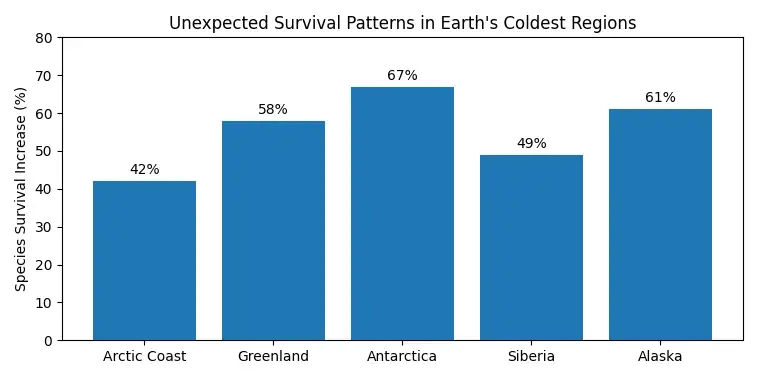
Strange Survival Patterns Emerging in Earth’s Coldest Regions
Earth’s coldest regions are changing faster than many scientists expected. Across the Arctic and Antarctica, strange new survival patterns are beginning to appear. Animals, plants, and even microscopic life forms are adapting in ways that once seemed impossible. As temperatures shift and ice melts, some species are struggling. Yet surprisingly, others are finding new ways to survive.
For years, experts believed that extreme cold created a stable environment. However, recent studies suggest the opposite may now be true. In some places, warmer conditions are extending feeding seasons. In others, new migration routes are opening for predators and prey alike. These rapid changes are creating ecosystems that look very different from those of just a decade ago.
At the same time, scientists are discovering unusual behaviors in species that were once considered highly vulnerable. Certain Arctic fish are moving deeper beneath ice shelves. Meanwhile, mosses and microbes in Antarctica are expanding into areas that were previously frozen solid year-round. These unexpected shifts are raising important questions about how life adapts under pressure.
Why Some Species Are Suddenly Thriving
Not every organism reacts to climate stress in the same way. In fact, some cold-region species appear to be more flexible than researchers expected. For example, several seabird populations have adjusted nesting times to match changing food supplies. Likewise, some Arctic mammals are altering migration patterns to avoid unstable ice zones.
These survival strategies may seem small at first. Yet together, they reveal something much bigger. Nature is responding in real time to environmental disruption. That makes Earth’s coldest regions one of the most important places to study climate adaptation today.
Hidden Ecosystems Beneath the Ice
One of the most surprising discoveries has come from beneath glaciers and ice sheets. Scientists are now finding active ecosystems living in complete darkness under thick layers of ice. These organisms survive through chemical energy rather than sunlight. As glaciers retreat, researchers are gaining access to environments that remained hidden for thousands of years.
This research could reshape how we understand survival on Earth. It may even influence future studies of life on icy moons and distant planets. After all, if life can adapt beneath Antarctic ice, similar forms of survival may exist elsewhere in the universe.
Polar Desert Discoveries That Are Changing Climate Science
The world’s polar deserts may look empty at first glance. However, these frozen landscapes are full of important climate clues. From deep ice cores to ancient microbes trapped in permafrost, scientists are uncovering discoveries that are changing how we understand Earth’s future.
For years, researchers believed polar deserts changed very slowly. Yet new studies show these regions react faster to rising temperatures than many experts expected. As a result, scientists are now paying closer attention to places like Antarctica and the Arctic.
What makes these discoveries so important is their global impact. Changes in polar deserts do not stay isolated. Instead, they affect sea levels, ocean currents, weather systems, and even air quality around the world. Because of this, the findings coming from these icy regions are shaping modern climate science in major ways.
Hidden Climate Records Beneath the Ice
One of the most exciting breakthroughs comes from ice core drilling. Scientists can now study layers of ancient ice that formed hundreds of thousands of years ago. Each layer acts like a natural time capsule. It holds tiny bubbles of trapped air, dust, and volcanic particles from Earth’s past.
These frozen records help researchers compare today’s climate with earlier warming periods. Consequently, they can better predict how fast modern climate change may continue.
What Researchers Are Learning From Polar Deserts
Scientists working in polar regions have uncovered several key findings:
- Ancient ice contains evidence of rapid warming events from the distant past
- Melting permafrost is releasing greenhouse gases faster than expected
- Hidden microbial life is surviving in extreme frozen conditions
- Polar deserts are absorbing less sunlight as ice surfaces shrink
- Stronger Arctic warming is influencing weather patterns across Europe and North America
- Some glaciers are melting decades earlier than climate models predicted
At the same time, new satellite technology is helping researchers monitor these remote areas with greater accuracy. This allows scientists to track ice loss, snow cover, and temperature shifts in real time.
Looking ahead, polar desert research will likely become even more important. As climate systems continue to change, these frozen regions may provide some of the clearest warnings about what comes next.
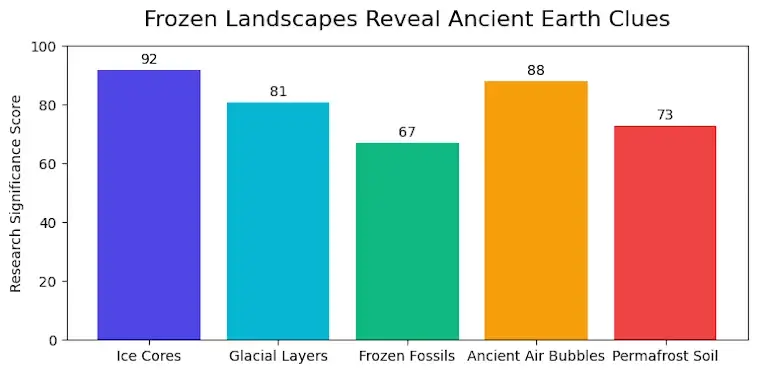
Why Frozen Landscapes Hold Clues to Ancient Earth
Frozen landscapes are far more than empty stretches of ice and snow. In fact, they act like giant time capsules. Deep beneath glaciers and frozen soil, scientists continue to uncover evidence of how Earth looked thousands, and sometimes millions, of years ago. Because of this, these icy regions have become one of the most important tools for understanding climate history, ancient ecosystems, and even future environmental change.
As researchers drill into thick ice sheets, they discover trapped air bubbles, preserved pollen, and layers of volcanic ash. Each layer tells a different story. Some reveal periods of warming. Others show how ancient storms shaped the planet. Together, these discoveries help scientists piece together Earth’s long and complex history.
What makes frozen environments especially valuable is their ability to preserve delicate material. Unlike warmer regions, cold temperatures slow down decay. As a result, ancient plants, microbes, and even prehistoric animals can remain remarkably intact for thousands of years.
Frozen Archives That Preserve Earth’s History
Glaciers and permafrost work like natural storage systems. Over time, snowfall builds layer upon layer of ice. Each new layer traps tiny particles from the atmosphere. Consequently, scientists can study these frozen records to understand past temperatures, greenhouse gas levels, and major environmental events.
For example, ice cores taken from Antarctica have revealed details about Earth’s climate dating back more than 800,000 years. This information has helped researchers track long-term climate cycles and better understand how human activity is changing the planet today.
In addition, frozen fossils and preserved vegetation offer clues about ancient life. These discoveries allow experts to compare past ecosystems with modern ones. That comparison is becoming increasingly important as global temperatures continue to rise.
Why These Discoveries Matter Today
The study of frozen landscapes is not only about the past. It also helps scientists predict the future. By understanding how Earth responded to earlier climate shifts, researchers can build more accurate climate models. This improves forecasts about sea-level rise, extreme weather, and environmental change.
At the same time, melting ice is exposing new discoveries at a rapid pace. While this creates exciting research opportunities, it also highlights the urgent reality of climate change. Many scientists believe the frozen world still contains countless untold stories waiting to be uncovered before they disappear forever.
New Research Reveals the Science Behind Extreme Arctic Mysteries
The Arctic has always captured the imagination. It is a place of endless ice, strange weather, and months of darkness. Yet, despite decades of research, many of its biggest mysteries still remain unsolved. Now, new scientific studies are finally shedding light on some of the Arctic’s most extreme and puzzling events.
Researchers are discovering how hidden forces beneath the ice are changing the region faster than expected. From massive cracks in glaciers to unusual weather patterns and mysterious methane releases, scientists are beginning to connect the dots. As a result, we are gaining a clearer picture of how the Arctic works and why it matters to the rest of the world.
What makes this research especially important is the speed of change. Arctic temperatures are rising nearly four times faster than the global average. Because of this, scientists are racing to understand what happens next. Their findings could help predict future climate shifts, rising sea levels, and even changes in global weather systems.
At the same time, these discoveries are also revealing just how complex the Arctic truly is. Beneath the frozen landscape lies a world of underwater volcanoes, ancient microbes, and frozen carbon deposits that have been trapped for thousands of years. As the ice melts, many of these hidden systems are starting to awaken.
Scientists Discover Hidden Forces Beneath Arctic Ice
One of the biggest breakthroughs involves what happens underneath Arctic glaciers. For years, scientists believed the thick ice sheets moved slowly and steadily. However, new satellite technology shows that warm ocean water is melting glaciers from below at a much faster rate than expected.
This hidden melting weakens the ice and creates sudden glacier collapses. In some areas, entire sections of ice have broken apart in a matter of days. Scientists say this process may explain several mysterious Arctic events recorded over the last decade.
In addition, researchers are studying unusual methane gas releases from the Arctic seabed. Methane is a powerful greenhouse gas, and huge amounts are locked beneath frozen ground known as permafrost. As temperatures rise, that frozen layer begins to thaw.
Why Arctic Methane Releases Matter
Scientists are paying close attention to methane because it traps far more heat than carbon dioxide over short periods. If large amounts escape into the atmosphere, global warming could speed up even further.
Fortunately, researchers are now using advanced underwater drones and AI-powered monitoring systems to track these emissions in real time. This technology is helping experts better understand where the gas is coming from and how quickly the Arctic environment is changing.
Looking ahead, many experts believe the Arctic may hold critical clues about Earth’s future climate. While there is still much to learn, one thing is becoming clear. The frozen north is far more active, connected, and unpredictable than scientists once believed.
Conclusion: The Polar Desert Still Holds Secrets
The polar desert may look empty at first glance, but scientists are discovering a world full of hidden activity. From ancient microbes trapped beneath ice to changing weather patterns and shifting ecosystems, these frozen regions are helping researchers better understand Earth’s past and future.
As technology improves, experts are uncovering clues that were once impossible to study. In fact, every new discovery in the polar desert adds another piece to the puzzle of how life survives in extreme conditions and how climate change is reshaping the planet.
While many mysteries remain, one thing is becoming clear. The polar desert is not a lifeless frozen wasteland. Instead, it is a fragile and fascinating environment that could hold important answers about survival, adaptation, and even the possibility of life beyond Earth.
In the years ahead, the polar desert will likely remain one of the most important places for scientific research. And as scientists continue to explore these icy frontiers, we may finally begin to understand some of the planet’s greatest mysteries.