

Pesticide Exposure and Pollinators: What You Need to Know
Pesticide Exposure and Pollinators: What You Need to Know
Pollinators such as bees, butterflies, and other insects play a vital role in keeping ecosystems healthy and food crops thriving. Yet their survival is increasingly under threat. One of the biggest risks they face is pesticide exposure, which can harm their health, disrupt their behaviors, and weaken entire populations. Understanding how these chemicals affect pollinators is key to protecting biodiversity and ensuring a stable food supply. By looking at the science and solutions, it becomes clear that even small changes in how pesticides are used can make a big difference for pollinator safety and long-term environmental balance.
How Pesticide Exposure Threatens Pollinator Health
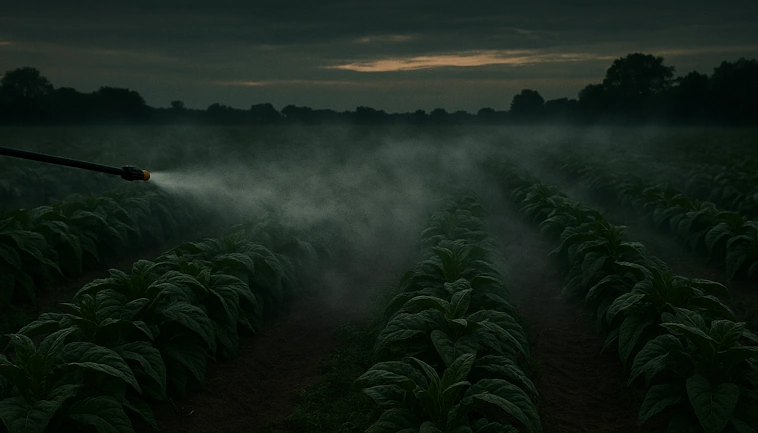
When we think of pollinators like bees, butterflies, and even tiny flies, we usually picture them buzzing happily from flower to flower. But behind that beautiful image is a serious problem. Pesticide exposure is quietly threatening their survival, and the ripple effect touches our food, our environment, and our future.
Farmers often use pesticides to protect crops from pests. The problem is that these chemicals don’t just target harmful insects. They can also affect pollinators in ways we can’t always see. A single dose may not kill a bee right away, but even small exposures can weaken their immune systems, reduce their ability to navigate, and interfere with reproduction. Over time, this makes entire colonies more vulnerable.
The Hidden Costs of “Quick Fix” Farming
On the surface, pesticides may seem like an easy answer for higher yields. But when pollinators are harmed, the long-term costs outweigh the short-term gains. Pollinators are responsible for helping fertilize about one-third of the crops we eat. Without them, foods like apples, almonds, and blueberries would become harder to grow and far more expensive.
Studies show that some pesticides, especially neonicotinoids, linger in soil and water for months. That means pollinators can be exposed long after spraying is done. As these chemicals build up in the environment, the impact spreads across entire ecosystems.
Protecting pollinators isn’t just about saving bees. It’s about securing the food systems we all depend on. By reducing pesticide use, encouraging organic farming, and planting more pollinator-friendly spaces, we can create a healthier balance for both people and nature.
The Link Between Pollinators and Food Security
When you think about food security, your first thought might be farming or climate change. But there’s another piece of the puzzle we often overlook—pollinators. Bees, butterflies, birds, and even bats all play a crucial role in putting food on our tables.
Around one-third of the world’s food crops depend on pollination. That includes fruits, vegetables, nuts, and even coffee. Without pollinators, many of the foods we enjoy every day would be scarce or disappear altogether.
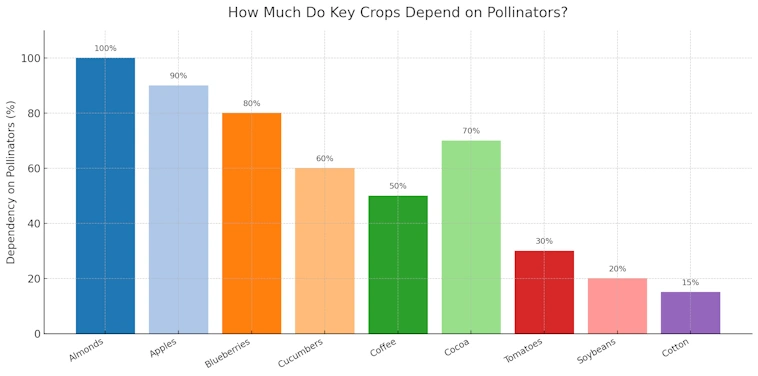
It’s not just about variety, either. Pollinators boost the quality and yield of crops, which means healthier harvests and more reliable food supplies. When pollinators decline, farmers struggle. Yields drop, prices rise, and communities—especially those already vulnerable—face greater food insecurity.
Protecting pollinators isn’t just about saving bees. It’s about safeguarding our future food systems. Healthy ecosystems mean stable harvests, affordable food, and a better chance at feeding a growing global population.
Reducing Pesticide Exposure Through Safer Practices
Pesticides are designed to protect crops, but they can also pose risks to our health and the environment. The good news? With a few smart choices, you can reduce your pesticide exposure without giving up the foods you love. It’s less about avoiding everything and more about building safer habits into your daily routine.
Here are some simple practices you can start using right away:
- Wash produce thoroughly – Rinse fruits and vegetables under running water. Scrub firm produce like apples or cucumbers with a brush.
- Peel when possible – Removing outer layers, like lettuce leaves or potato skins, can cut down on pesticide residues.
- Choose organic strategically – Organic doesn’t always mean healthier, but buying organic for the “Dirty Dozen” list of produce with the highest residues can make a difference.
- Diversify your diet – Eating a wide variety of foods reduces repeated exposure to the same pesticides.
- Cook when you can – Heat can break down certain pesticide residues, making cooked meals safer than raw in some cases.
- Support local farmers – Buying from trusted local sources often means fewer chemical treatments, plus fresher food.
These small steps add up over time. By making conscious choices, you protect not only your health but also the land and water we all depend on.
Alternative Pest Control Methods That Protect Bees
When most people think about pest control, they picture strong chemical sprays. The problem is, those sprays don’t just target pests—they can also harm bees and other pollinators we depend on for healthy crops. But the good news is, there are safer, smarter alternatives.
Bees are essential for pollination. Without them, many of the fruits, vegetables, and nuts we eat would struggle to grow. That’s why protecting bees while managing pests is so important. Luckily, farmers and gardeners now have more bee-friendly methods than ever before.
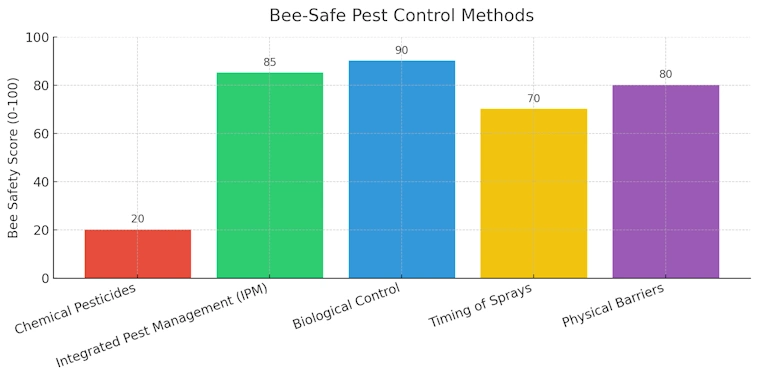
One option is integrated pest management (IPM). This approach uses a mix of natural predators, crop rotation, and careful monitoring to reduce the need for chemicals. Another solution is biological control, which introduces beneficial insects like ladybugs to fight off harmful pests. Even simple steps, like spraying pesticides in the early morning or evening when bees are less active, can make a big difference.
By choosing these alternatives, we can control pests without putting bees at risk. The more people adopt these practices, the better chance we have at keeping our food system strong and sustainable.
What You Can Do to Support Pollinator-Friendly Habitats
If you’ve ever watched a bee bounce from flower to flower, you know how magical pollinators are. They keep our gardens blooming, our food supply growing, and our ecosystems alive. The good news is you don’t need acres of land to help them thrive. Small steps, even in your own backyard or balcony, can make a big difference.
Start with native plants. Pollinators are naturally drawn to flowers they’ve evolved with, so adding native species gives them reliable food and shelter. Choose plants that bloom at different times of the year. That way, pollinators have a steady supply of nectar from spring through fall.
Think about water too. A shallow dish with stones can act as a safe watering spot for bees and butterflies. It’s a simple touch, but it keeps them energized and coming back.
The Hidden Threat: Pesticide Exposure
As we’ve seen one of the biggest challenges pollinators face is pesticide exposure. Sprays and chemicals designed to protect plants often harm the very insects that keep gardens healthy. Even “safe” pesticides can be dangerous if used at the wrong time, like when flowers are in full bloom.
A better approach is to explore natural pest control methods. Companion planting, for example, can help reduce unwanted insects without chemicals. Ladybugs and lacewings are also great allies in keeping pests away. When you skip or limit pesticide use, you give pollinators a fighting chance to thrive.
Finally, spread the word. Talk to neighbors, friends, or your local community garden about planting for pollinators. The more people who get involved, the more connected habitats we create.
Supporting pollinators isn’t complicated. It’s about small, thoughtful choices that add up. And the ripple effect? Stronger gardens, healthier food, and a richer natural world for everyone.
Protecting Pollinators Means Rethinking Pesticides
Pollinators are at the heart of healthy ecosystems and our food supply. Yet, growing evidence shows that pesticide exposure weakens their health, disrupts their behavior, and reduces their populations. Without them, crops would struggle to grow, and biodiversity would decline.
The good news is, solutions are within reach. By supporting organic farming, planting pollinator-friendly gardens, and advocating for smarter pesticide regulations, we can all play a role in protecting bees, butterflies, and other vital species.
Change starts with awareness—and action. If you care about the future of food and the environment, take steps today. Reduce pesticide use where you can, spread the word, and encourage others to make pollinator-friendly choices. Together, we can create a safer, thriving world for pollinators and for ourselves.