

Ocean Plastics: The Hidden Crisis Beneath the Waves
Uncovering the Crisis of Ocean Plastics: The Growing Threat Beneath the Waves
Beneath the shimmering surface of our seas, ocean plastics are creating a crisis that’s rapidly reshaping marine life and coastal ecosystems. Every wave now carries traces of human waste — from discarded bottles and packaging to microscopic fragments that are nearly impossible to remove. What once seemed like a distant environmental concern has become an urgent global threat, impacting our food chains, weather systems, and even the air we breathe.
The scale of plastic pollution is staggering, and the consequences reach far beyond what meets the eye. From coral reefs suffocating under debris to seabirds mistaking plastic for food, the signs of distress are everywhere. Yet solutions are within reach — driven by innovation, smarter design, and a renewed sense of responsibility for the planet’s blue heart.

How Ocean Plastics Are Changing Marine Ecosystems Forever
Let’s face it—plastic is everywhere. From the toothbrush you use each morning to the packaging around your lunch, it’s hard to escape. But what’s harder to see is where that plastic ends up after we throw it away. Much of it travels far beyond our sight, breaking down into tiny pieces that now drift through every ocean on Earth.
Over the last few decades, plastic pollution has quietly reshaped marine life. It’s not just floating bottles or plastic bags anymore. Microplastics—those tiny fragments less than five millimeters wide—are now showing up inside fish, seabirds, and even plankton. These are the building blocks of the food chain, which means plastic is entering the very system that keeps our oceans alive.
The Hidden Cost Beneath the Waves
When marine animals mistake plastic for food, the results can be devastating. Turtles nibble on floating bags, thinking they’re jellyfish. Seabirds feed colorful fragments to their chicks. Even corals, which form the backbone of many reefs, are eating microplastics and struggling to survive. This isn’t just about individual species—it’s about an entire web of life being quietly choked by something we created for convenience.
Scientists are now discovering how plastics alter ocean chemistry, too. As these fragments break down, they release toxic chemicals and attract pollutants. The result? A slow, invisible shift in the balance of marine ecosystems. Coral reefs weaken. Fish populations decline. And coastal communities—those that depend on healthy oceans—feel the impact first.
Still, there’s hope. Around the world, countries and communities are tackling the issue head-on. From banning single-use plastics to funding ocean cleanups, change is happening. The challenge now is keeping that momentum going.
If we start treating plastic not as disposable, but as a responsibility, we might just give our oceans a fighting chance. Because what happens beneath the waves doesn’t stay there—it comes back to all of us.
From Shoreline to Sea Floor: Tracking the Journey of Plastic Waste
If you’ve ever picked up a piece of plastic on the beach, you’ve probably wondered where it came from and where it might end up. The truth is, every bit of plastic we drop has a story — and that story often travels from the shoreline to the deepest parts of the ocean.
It starts on land. Wind, rain, and rivers carry plastic waste from cities and towns to the coast. Once it reaches the shoreline, tides and waves push it back and forth. Some of it gets buried in the sand, but much of it drifts out to sea.
Out in the open ocean, sunlight and waves break larger plastics into smaller fragments called microplastics. These tiny pieces sink through the water, mixing with plankton and sea life. Over time, they settle on the sea floor, becoming almost impossible to remove. Scientists have found plastic particles in places as deep as the Mariana Trench — proving that no part of the planet is untouched.
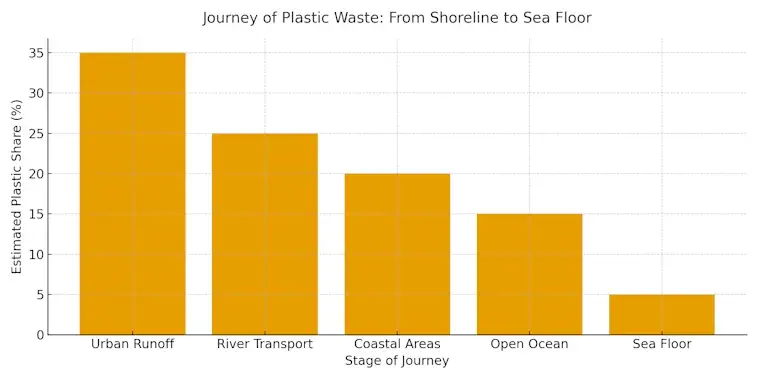
Understanding how plastic travels helps us see why cleanup alone isn’t enough. The key lies in stopping waste at its source — reducing plastic use, improving recycling, and supporting smarter packaging solutions. Every small change on land makes a big difference beneath the waves.
The Hidden Cost of Ocean Plastics on Human Health and Food Chains
When we think about ocean plastics, it’s easy to picture sea turtles tangled in fishing nets or seabirds pecking at bottle caps. But the real story goes much deeper—and closer to home. The plastic crisis isn’t just an environmental issue anymore. It’s a human health issue too, creeping into our food, water, and even our bodies.
Every year, millions of tons of plastic waste end up in the ocean. Over time, sunlight, waves, and bacteria break these plastics into microscopic pieces known as microplastics. These tiny particles are nearly invisible, but their impact is enormous. They’ve been found everywhere—from deep-sea trenches to the seafood on our dinner plates.
Here’s where it gets personal. When fish, shellfish, and even plankton swallow microplastics, those plastics move up the food chain. Eventually, they end up inside us. Scientists are now finding traces of plastic in human blood, lungs, and even placentas. That’s how far-reaching the problem has become.
The hidden cost of ocean plastics isn’t just about what we can see—it’s about what we can’t. And while we don’t yet know the full health effects, early research points to some concerning possibilities.
Some key risks include:
- Toxic chemical exposure: Many plastics contain harmful additives like BPA and phthalates, which can disrupt hormones.
- Bioaccumulation: Microplastics can absorb pollutants such as pesticides and heavy metals, which then concentrate up the food chain.
- Digestive and immune issues: Plastic particles may irritate the gut and affect how our bodies process nutrients.
- Marine ecosystem damage: As plankton and small fish ingest plastics, the entire marine food web becomes less stable.
It’s a sobering reality, but one we can still change. By cutting down on single-use plastics, supporting cleanup efforts, and demanding stronger recycling systems, we can protect not just marine life—but ourselves. The health of our oceans and the health of humanity are deeply connected, and the time to act is now.
Innovation at Sea: Creative Solutions Tackling the Plastic Problem
The ocean has long been a symbol of mystery and life. But today, it’s also a reminder of our growing plastic problem. From floating debris to invisible microplastics, our seas are struggling under the weight of human waste. The good news? Around the world, innovative minds are finding new ways to clean up our mess.
Let’s start with ocean cleanup technology. Companies like The Ocean Cleanup are using massive floating systems that act like artificial coastlines, capturing plastics before they drift into the open ocean. It’s a smart mix of engineering and environmental care.
Meanwhile, startups are turning ocean waste into something new. From sneakers made of recycled fishing nets to sunglasses crafted from recovered plastic, innovation is giving ocean trash a second life. These products not only reduce waste but also raise awareness about the issue.
There’s also progress in material science. Some researchers are developing biodegradable plastics that break down in marine environments. Others are exploring algae-based materials that could one day replace traditional plastic packaging.
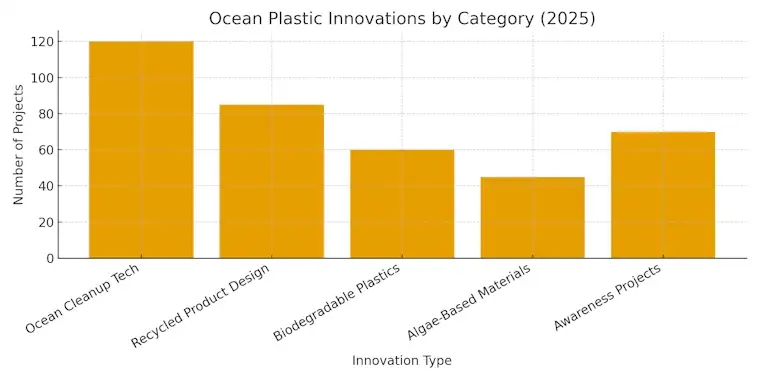
Together, these ideas prove that creativity and technology can drive real change. Solving the plastic crisis won’t be easy, but it’s inspiring to see how innovation is leading the way.
A Cleaner Future: How Policy and Public Action Can Turn the Tide
When you think about the scale of our environmental challenges, it’s easy to feel powerless. But here’s the truth — change doesn’t just come from big corporations or distant governments. It comes from a mix of smart policies, bold leadership, and everyday people choosing to act differently. Together, these forces can shift the tide toward a cleaner, healthier planet.
Governments play a key role in setting the rules that shape our future. When policies support renewable energy, protect forests, and fund sustainable technology, progress follows. For instance, banning single-use plastics or offering incentives for electric vehicles isn’t just symbolic — it changes markets and mindsets. It shows that protecting the environment and growing the economy can go hand in hand.
But policies alone aren’t enough. Real change also depends on public support. People have power — through their votes, voices, and daily choices. When communities demand cleaner air, safer water, and more green spaces, leaders listen. And when consumers choose sustainable products or reduce waste, industries start to adapt.
Tackling Ocean Plastics: From Awareness to Action
One powerful example is how global attention on ocean plastics has sparked real action. Campaigns, documentaries, and local beach cleanups have pushed lawmakers to act. Some countries now restrict plastic bags, bottles, and microbeads — steps that once seemed impossible. These actions, small or large, remind us that public awareness can turn into political will.
Looking ahead, the path to a cleaner future is already being built. Each new recycling initiative, renewable energy project, and environmental law moves us closer. The real question is not if we can turn the tide, but how quickly we’ll do it.
Because the cleaner, greener future we imagine — it’s not just possible. It’s already starting.
Turning the Tide: How You Can Help End the Ocean Plastics Crisis
It’s clear that the ocean plastics crisis isn’t a distant problem—it’s unfolding right now, beneath the waves and along our shores. From microplastics invading marine food chains to floating debris choking coral reefs, our oceans are crying out for change. But here’s the good news: that change starts with us.
Every plastic bottle avoided, every reusable bag chosen, and every policy we support adds up. When communities, businesses, and individuals act together, small shifts create powerful ripples.
So, take a moment today to rethink your plastic footprint. Support ocean cleanup projects, spread awareness, and choose sustainable products. Together, we can turn the tide and protect the blue heart of our planet—for ourselves, for future generations, and for every creature that calls the ocean home.