

Nightmare Warming Planet Secrets Scientists Want You To Know
Nightmare Warming Planet Secrets Scientists Want You To Know
The signs of a warming planet are becoming harder to ignore. Heat records are falling year after year, wildfires are burning longer, and storms are hitting harder. Scientists warn that these changes are not random—they are clear signals of a climate system under stress. While the effects are already visible, many of the most concerning shifts are happening quietly, beneath the surface of daily life. Understanding what’s unfolding can help us see why urgent action matters and how today’s choices shape tomorrow’s world.
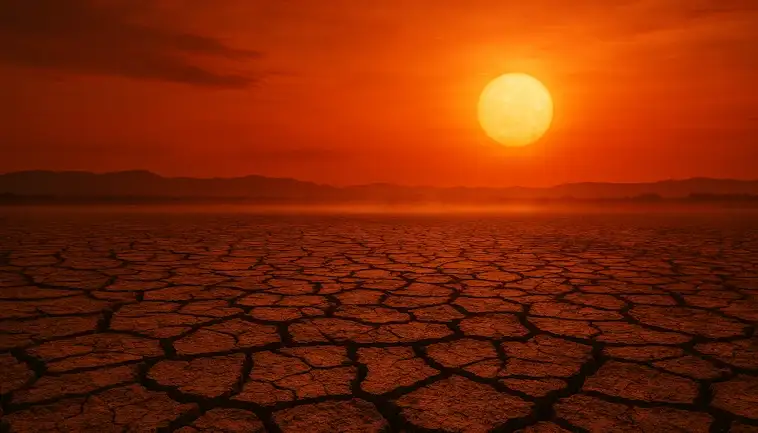
The Warming Planet Is Triggering Disasters Faster Than Predicted
Climate change isn’t a distant warning anymore. It’s here, unfolding in real time. Around the world, heatwaves, floods, and wildfires are striking harder and more often than scientists once expected. The pace has surprised even the experts, with some disasters arriving decades earlier than predicted.
We’re now seeing what a warming planet really looks like. Rising seas are swallowing coastlines faster. Storms are carrying more rain, leading to record-breaking floods. Wildfires are no longer seasonal—they burn for longer stretches and leave communities with little time to recover before the next one hits.
Why “Once in a Century” Disasters Now Feel Common
Events that used to be called “rare” are happening every few years. Think about it: when a so-called 100-year flood happens three times in a decade, it’s no longer rare. For families living through these disasters, the science feels less like statistics and more like survival.
This rapid shift is reshaping how we think about safety, planning, and even daily life. Cities built for past weather patterns are struggling to keep up with today’s extremes. The truth is, we’re living in a world where yesterday’s predictions are already out of date.
Rising Seas Could Drown Major Cities Within Decades
Imagine standing in your favorite coastal city and seeing the waterline creep higher every year. That future isn’t far off. Scientists warn that sea levels are rising faster than expected, fueled by melting ice sheets and warming oceans. By 2050, entire neighborhoods in major cities could be under water.
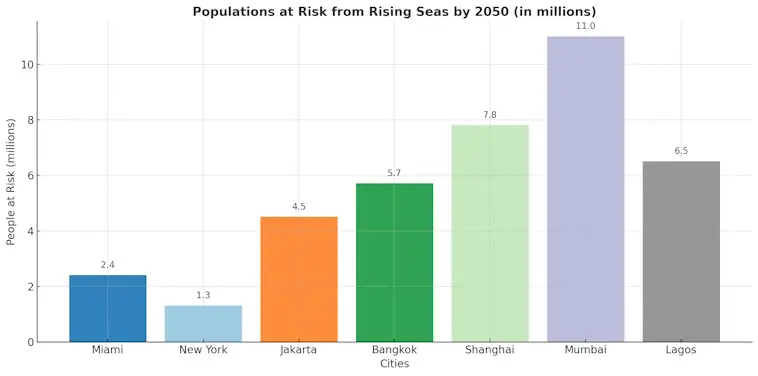
We’re not just talking about small coastal towns. Global hubs like Miami, New York, and Mumbai face real risks. Millions of people could be forced to leave their homes, creating waves of migration and reshaping economies. The numbers are staggering, and they make one thing clear: the time to prepare is now.
A Warming Planet Is Pushing Food and Water Systems Toward Collapse
Let’s be honest—climate change isn’t just about hotter summers or stronger storms. It’s about survival. The rising heat is quietly pushing the systems we depend on—our food and water—closer to breaking point. And while the impacts might seem far away, they’re already showing up in our daily lives.
Think about it. Every meal on your table and every drop of water from your tap relies on stable weather. But today, stability is disappearing. Farmers are battling heatwaves and unpredictable rain. Rivers and reservoirs are running dry. Even the oceans, once a steady food source, are changing faster than many species can adapt.
Here’s what we’re facing right now:
- Crop failures are becoming more common. Droughts and floods wipe out harvests, leaving farmers and communities vulnerable.
- Water shortages are spreading. Major cities are seeing reservoirs shrink while rural areas struggle with wells running dry.
- Heat is reducing yields. Higher temperatures stress plants and livestock, making food less abundant and more expensive.
- Fisheries are collapsing. Warmer seas disrupt ecosystems, forcing fish stocks to migrate or decline.
- Conflicts are rising. When food and water grow scarce, tensions between communities and nations flare up.
The truth is, we’re entering a new era where old assumptions no longer hold. What once felt secure—our access to bread, rice, clean water, and seafood—now feels fragile.
But here’s the good news: the faster we act, the better chance we have to protect these systems. Innovation in farming, smarter water use, and cleaner energy all point toward a safer, more resilient future.
Deadly Health Threats Are Lurking in a Hotter World
When the world heats up, it’s not just about sweat and discomfort. Rising temperatures are fueling silent dangers that threaten our health in ways many of us don’t see coming. Heatwaves are already sending more people to emergency rooms with heatstroke and dehydration. But that’s only the beginning.
Hotter air makes it harder to breathe, especially for people with asthma or heart problems. Warmer climates also help spread diseases carried by mosquitoes and ticks, pushing illnesses like dengue and Lyme disease into new regions. And it doesn’t stop there. Food and water shortages become more common as crops struggle and droughts deepen. Even our mental health takes a hit as stress, anxiety, and climate grief rise with the thermometer.
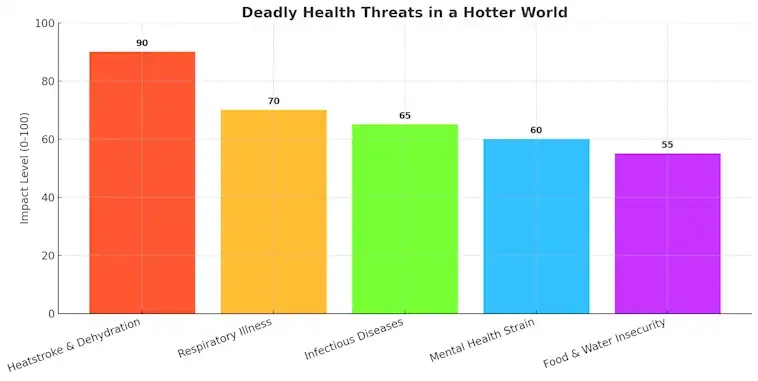
The truth is clear: a hotter planet doesn’t just change the weather. It changes how we live, how we feel, and how long we stay healthy.
The Window to Prevent Climate Chaos Is Slamming Shut
Time is running out, and the evidence is right in front of us. Scientists keep warning that the window to prevent the worst climate impacts is closing fast. Heatwaves, wildfires, and floods are already happening more often and with more intensity. What used to feel like once-in-a-lifetime disasters are becoming yearly events.
The good news is, we’re not powerless. Every decision we make now—how we use energy, what we consume, and the policies we support—can still shift the outcome. The challenge is urgency. If we wait too long, the changes we need to make will be more costly, harder to achieve, and in some cases, impossible to reverse.
Living on a Warming Planet
On a warming planet, the stakes are higher than ever. Rising seas threaten coastal cities. Farmers struggle with shifting seasons that disrupt crops. Communities face health risks from extreme heat. These aren’t distant concerns. They’re unfolding now, shaping the way we live and the future our children will inherit.
But here’s the flip side: solutions exist. Clean energy is cheaper than ever. Cities are redesigning streets for people instead of cars. New technology is helping us cut emissions faster. What we need is the collective will to act—and to act quickly.
The truth is simple: the choices we make today decide whether we step back from the brink or tumble into deeper chaos.
A Warming Planet Demands Our Action Today
The signs of a warming planet are all around us—from rising seas to record-breaking heatwaves. The science is clear, and the future is in our hands. While the challenge is big, so is our opportunity to act. Every choice we make, from how we power our homes to how we move through our cities, can help slow global warming.
The time to act is not tomorrow—it’s today. Stay informed, share what you’ve learned, and take steps to reduce your carbon footprint. Together, we can push for change that protects communities, safeguards nature, and builds a healthier world for future generations.
Ready to be part of the solution? Support clean energy, and take small actions that add up to a big difference. The planet is warming—but our response can be even stronger.