

Tackling the Top Conservation Challenges of Our Time
Tackling the Top Conservation Challenges of Our Time
Nature is under pressure like never before. From climate change to biodiversity loss, the challenges are complex, urgent, and deeply interconnected. But while the problems are big, so are the opportunities for smart, science-backed solutions.
Today’s conservation landscape is shaped by rapid environmental shifts, technological breakthroughs, and evolving public awareness. Understanding what’s at stake—and what’s possible—can help drive more effective action.
The road ahead demands fresh thinking, bold leadership, and collaboration across borders and sectors. It’s not just about preserving nature—it’s about securing a livable future for everyone.

Climate Change and Biodiversity: A Race Against Time
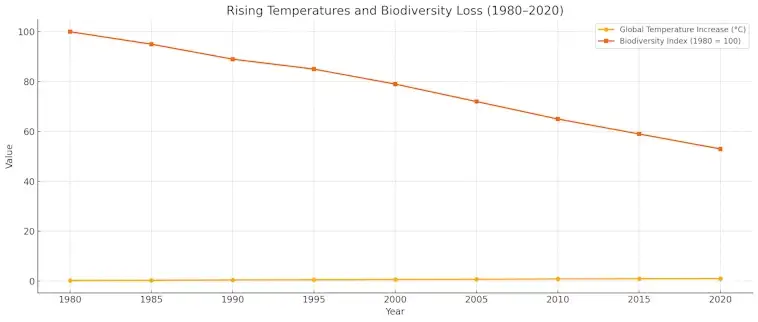
It’s easy to think of climate change as something that only affects weather patterns or sea levels. But there’s another crisis quietly unfolding alongside it—one that’s just as urgent and deeply interconnected. That’s the loss of biodiversity.
From coral reefs bleaching in warm waters to forests shrinking under heatwaves and droughts, rising global temperatures are rewriting the rules of survival for millions of species. It’s a race against time, and what we choose to do now will shape the future of life on Earth.
How Climate Change Threatens Biodiversity
Rising temperatures and extreme weather events don’t just make our summers hotter or our storms fiercer. They disrupt the delicate balance that ecosystems depend on.
1. Changing Habitats
- As temperatures climb, many animals and plants are forced to move to cooler areas. But not all species can migrate fast enough—or at all.
- Mountain species are especially at risk. There’s only so far uphill they can go before they run out of habitat.
- In the oceans, warmer waters are pushing marine life toward the poles, leaving tropical ecosystems barren.
2. Extreme Weather and Natural Disasters
- Heatwaves, wildfires, floods, and hurricanes are becoming more intense and more frequent.
- These events destroy habitats, interrupt food chains, and can wipe out entire populations of vulnerable species.
- Coral reefs, which support a quarter of all marine life, are particularly sensitive to temperature spikes and acidic oceans caused by carbon emissions.
3. Timing Gone Wrong
- Many species time key life events—like breeding or migration—based on seasonal cues.
- But with the seasons shifting, birds are arriving before their food sources appear, and flowers are blooming before pollinators show up.
What We Can Do: Turning the Tide
The situation is serious, but it’s not hopeless. We still have time to act—and plenty of tools at our disposal.
1. Protect and Restore Ecosystems
- Preserving natural habitats like forests, wetlands, and coral reefs gives species a better chance to adapt.
- Restoration projects, such as rewilding or planting native trees, can help rebuild resilience in damaged ecosystems.
2. Support Climate Action
- Every degree of warming avoided gives biodiversity a better shot at survival.
- That means pushing for clean energy, reducing emissions, and supporting policies that tackle climate change head-on.
3. Back Biodiversity-Friendly Practices
- Supporting sustainable farming, fishing, and forestry can reduce pressure on wild species.
- Choosing eco-friendly products and reducing waste also helps limit human impact.
4. Get Involved Locally
- Community conservation projects and citizen science efforts are a great way to contribute.
- Even small actions—like creating a pollinator garden or reducing pesticide use—can make a big difference.
The link between climate change and biodiversity loss isn’t just a science story—it’s a survival story. And we’re all part of it. The more we understand the connections, the more empowered we become to take meaningful action. Every species saved, every degree of warming prevented, brings us closer to a more balanced, thriving planet.
Habitat Loss: Saving Nature’s Last Strongholds
Imagine a world where wild animals have no forests to roam, where rivers run dry, and where birds no longer sing at dawn. It sounds like the start of a dystopian novel, but it’s edging closer to reality.
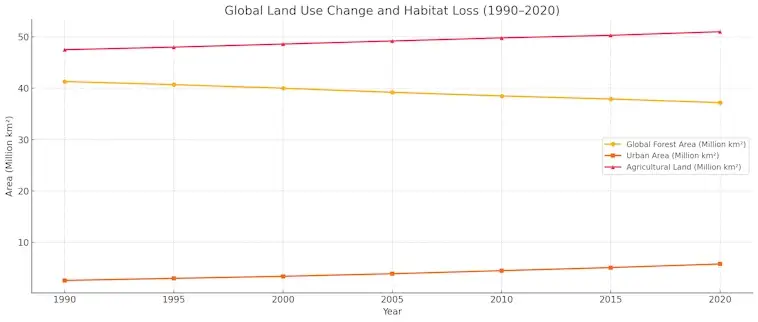
Habitat loss is one of the greatest threats to life on Earth today. Driven by deforestation, urban expansion, and large-scale farming, wild spaces are disappearing fast. And with them, the species that once called those places home.
But there’s still hope. By understanding what’s at stake and how we can help, we have a real shot at protecting nature’s last strongholds—and maybe even restoring some of what we’ve lost.
Why Habitat Loss is Happening
Nature isn’t vanishing on its own. Human activity is the primary driver behind shrinking ecosystems. Here’s how:
1. Deforestation
- Forests are cleared at alarming rates for timber, mining, and to make room for cattle and crops.
- The Amazon, often called the “lungs of the planet,” is losing trees faster than ever.
- Trees provide shelter, food, and protection for wildlife. When they fall, entire ecosystems collapse.
2. Urban Sprawl
- Cities and suburbs are growing, eating into natural landscapes.
- Roads, buildings, and infrastructure fragment habitats, making it harder for animals to find food, mates, or migrate.
- Urbanization often leads to pollution and invasive species, which further harm local ecosystems.
3. Industrial Agriculture
- Industrial farming needs lots of land and water.
- Wetlands are drained, grasslands plowed, and forests bulldozed to plant crops like soy and palm oil.
- Pesticides and fertilizers poison the soil and water, harming more than just the pests they target.
Why It Matters
Losing habitats means losing biodiversity—and that affects us all.
- Fewer Species: Plants, insects, birds, and mammals are vanishing at rates not seen since the age of the dinosaurs.
- Weaker Ecosystems: Healthy ecosystems purify air and water, prevent floods, and store carbon. When they’re damaged, we lose these services.
- Global Impact: Habitat loss can increase the spread of diseases, worsen climate change, and threaten food and water security.
What We Can Do: Protecting What’s Left
Hope isn’t lost. Across the globe, communities, governments, and individuals are stepping up. Here’s how we can all help:
1. Support Protected Areas
- National parks, wildlife reserves, and marine sanctuaries safeguard critical habitats.
- Expanding and properly managing these areas is key to long-term conservation.
2. Promote Sustainable Land Use
- Encourage farming practices that protect soil, water, and biodiversity.
- Agroforestry, crop rotation, and organic farming reduce environmental impact.
3. Urban Planning with Nature in Mind
- Green roofs, urban forests, and wildlife corridors help balance development and conservation.
- Smart cities integrate nature into the built environment rather than replacing it.
4. Rewilding and Restoration
- Rewilding reintroduces native species and restores ecosystems to their natural state.
- Planting native trees, cleaning rivers, and removing invasive species can help habitats bounce back.
5. Advocate and Educate
- Raise awareness about the value of wild spaces.
- Support laws and leaders who prioritize conservation and responsible land use.
We’re not just losing trees or open land—we’re losing the foundations of life itself. But every acre saved, every habitat restored, is a step toward a more balanced world. Protecting nature’s last strongholds isn’t just about saving animals. It’s about preserving a planet where all of us, human and wild, can thrive.
Pollution Crisis: Cleaning Up the Planet
Pollution is everywhere—from the air we breathe to the oceans that cover more than 70% of our planet. It’s in the water we drink, the food we eat, and even the clothes we wear. But pollution isn’t just a human problem. It’s a major threat to wildlife and ecosystems, silently sabotaging the natural balance of our world.
From plastic waste choking marine life to toxic chemicals seeping into soil and waterways, the impact is massive—but not irreversible. The good news? Innovation, community action, and policy change are paving the way for cleaner, healthier ecosystems.
Let’s explore how pollution harms conservation efforts—and the bold solutions giving our planet a much-needed breath of fresh air.
How Pollution Impacts Nature
Pollution isn’t just unsightly. It disrupts food chains, destroys habitats, and endangers species that are already on the brink. Here’s how:
1. Plastic Pollution
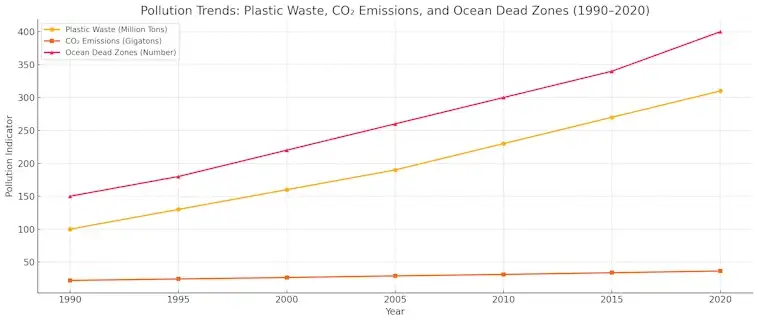
- Every year, over 8 million tons of plastic enter the ocean.
- Sea turtles, seabirds, and fish often mistake plastic for food, leading to starvation or internal injuries.
- Microplastics—tiny fragments—are now found in the bodies of animals from plankton to whales.
2. Chemical and Toxic Runoff
- Pesticides and fertilizers used in industrial farming wash into rivers and lakes.
- These chemicals fuel algal blooms that deplete oxygen in the water, creating dead zones where little can survive.
- Amphibians and fish are especially vulnerable to hormone-disrupting pollutants.
3. Air Pollution
- Airborne toxins from vehicles, factories, and burning fossil fuels contribute to climate change and acid rain.
- Acid rain alters the pH of water bodies and soil, harming plants and aquatic species.
- Air pollution also affects pollinators, disrupting their ability to find flowers and spread plant life.
4. Noise and Light Pollution
- Light from cities confuses nocturnal animals and disrupts migration patterns and mating cycles.
- Noise from traffic and industry interferes with communication in birds, whales, and other animals.
Solutions: Cleaning Up and Reimagining Our Impact
It’s easy to feel overwhelmed by the scale of the pollution crisis. But change is happening—from the grassroots to global levels. Here’s how we can all be part of the solution:
1. Rethink Waste
- Reduce single-use plastics by choosing reusable bags, bottles, and containers.
- Support companies that use biodegradable or recyclable packaging.
- Participate in local clean-up events to remove trash from beaches, parks, and waterways.
2. Innovate for Impact
- Startups and researchers are creating biodegradable alternatives to plastic, such as seaweed-based packaging.
- Nature-based solutions, like constructed wetlands, filter pollutants before they reach natural water systems.
- Green technology—from electric vehicles to carbon-capturing materials—is redefining pollution control.
3. Protect and Restore Ecosystems
- Mangroves, wetlands, and forests naturally filter pollutants and trap carbon.
- Restoring these ecosystems helps heal past damage and builds future resilience.
4. Educate and Advocate
- Raise awareness about pollution and its effects on nature.
- Support policies that limit industrial emissions and fund environmental clean-up efforts.
- Push for corporate responsibility and transparent waste management.
The pollution crisis is one of the biggest challenges facing our planet—but it’s also one of the most solvable. Each effort to clean up, reduce, and rethink waste is a step toward a healthier Earth. With creativity, commitment, and collaboration, we can reverse the damage and give future generations a cleaner, more vibrant world to inherit.
Invasive Species: The Hidden Threat to Native Wildlife
When we think about threats to wildlife, we often picture climate change, pollution, or deforestation. But one of the most serious—and often overlooked—challenges is the spread of invasive species.
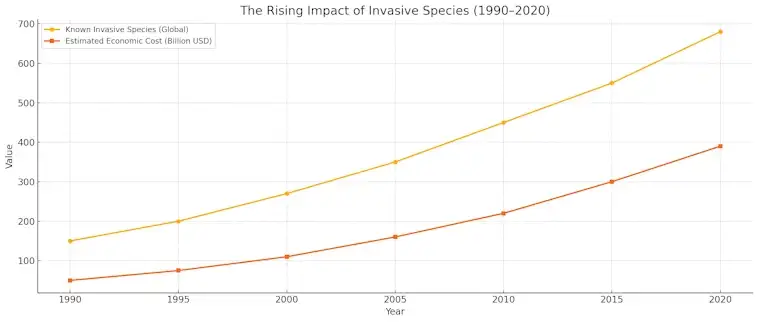
These are animals, plants, or even microbes that are introduced into environments where they don’t naturally belong. Once there, they can outcompete native species, disrupt food chains, and wreak havoc on delicate ecosystems. From zebra mussels in North American lakes to cane toads in Australia, the damage can be both dramatic and irreversible.
Understanding the danger of invasive species is key to protecting biodiversity. And fortunately, there’s growing momentum behind efforts to manage the problem and restore balance to affected habitats.
How Invasive Species Disrupt Ecosystems
Invasive species might not sound dangerous—but their impact can be devastating. Here’s why they’re such a threat:
1. Outcompeting Native Species
- Invasive plants often grow faster, spread more easily, and use up resources more quickly than native ones.
- This leaves native species with less food, water, sunlight, and space to survive.
- For example, kudzu, dubbed “the vine that ate the South,” has smothered entire ecosystems in the U.S. Southeast.
2. Predation and Disease
- Invasive predators can wipe out species that have no natural defense against them.
- Non-native animals can also introduce new diseases that native wildlife can’t fight.
- The brown tree snake in Guam led to the extinction of several native bird species after it was accidentally introduced.
3. Disruption of Food Webs
- When one species is removed or overwhelmed, the entire ecosystem feels the effects.
- Pollinators may vanish, seed dispersal may stop, and natural predators may decline.
4. Economic and Agricultural Impact
- Invasives don’t just hurt wildlife—they cost billions in crop damage, water system disruption, and disease control.
- Invasive insects, like the emerald ash borer, have decimated forests and caused major losses in timber industries.
What’s Being Done to Restore Balance
While invasive species pose a major challenge, there are smart, science-based strategies underway to fight back.
1. Early Detection and Rapid Response
- The sooner an invasive species is identified, the easier it is to contain.
- Tools like environmental DNA (eDNA) can detect species in water before they become visible.
2. Eradication and Control Programs
- Some species can be removed using traps, controlled burns, or carefully managed pesticides.
- In the Galápagos Islands, targeted efforts have successfully removed invasive goats and rats to protect native species.
3. Biological Control
- Scientists sometimes introduce a natural enemy—like a predator or parasite—that targets the invasive species.
- This method must be carefully managed to avoid unintended consequences.
4. Public Awareness and Citizen Science
- People can help by reporting sightings, cleaning their boots and boats to prevent spreading seeds or larvae, and planting native species in their gardens.
- Education campaigns help prevent accidental introductions through trade, travel, or pet releases.
5. Restoration of Native Habitats
- After removing invasives, many conservation programs replant native vegetation and reintroduce local wildlife.
- Restored habitats are more resilient and can recover more quickly from future threats.
Invasive species may be a hidden threat, but they’re not an unstoppable one. With vigilance, science, and community action, we can protect native wildlife and keep ecosystems in balance. Every weed pulled, every early report made, and every native tree planted brings us closer to a thriving, biodiverse future.
Conservation Funding Gaps: Why Money Still Matters
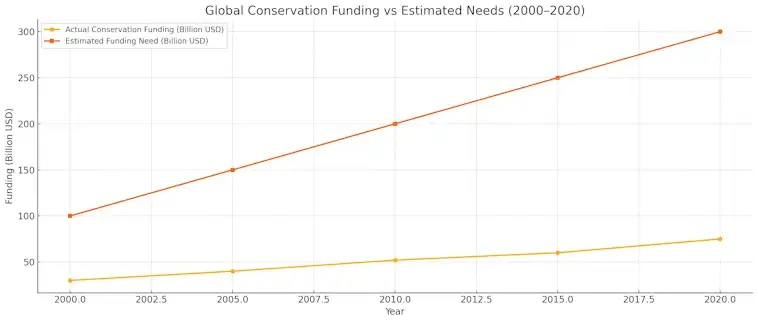
We often hear that saving the planet is priceless—but in reality, it comes with a very real price tag. From safeguarding endangered species to restoring damaged ecosystems, conservation efforts require consistent funding. The problem? We’re falling dramatically short.
Despite growing awareness of climate change and biodiversity loss, conservation is still chronically underfunded. According to global estimates, the world needs to spend hundreds of billions more each year to meet even the most basic biodiversity targets.
But here’s the good news: smarter investments, innovative financing, and global cooperation could bridge the gap—and make conservation not just possible, but powerfully effective.
The Real Cost of Conservation
Protecting nature involves more than planting trees or setting aside land. It takes planning, personnel, equipment, technology, and long-term support. When funding falls short, the consequences ripple through ecosystems.
1. Underfunded Protected Areas
- Many national parks and wildlife reserves operate with skeleton budgets.
- Without rangers, research, and community programs, even protected lands remain vulnerable to poaching, logging, and illegal mining.
2. Short-Term Projects
- Much of conservation funding is one-off or project-based.
- When the money runs out, so does the progress—leading to wasted effort and lost momentum.
3. Lack of Support for Local Communities
- Indigenous and local communities often play a crucial role in protecting biodiversity.
- Yet they frequently receive a fraction of conservation funds, despite being among the best stewards of the land.
4. Limited Access to Innovation
- Tools like satellite monitoring, AI for anti-poaching, and DNA tracking can revolutionize conservation—but only if organizations can afford them.
- Smaller nonprofits and developing nations are often left behind due to lack of resources.
Why Smart Investment Changes Everything
Funding gaps aren’t just a problem—they’re an opportunity. With strategic investment and creative finance, we can unlock major gains for people and the planet.
1. Green Bonds and Conservation Finance
- Green bonds are used to fund projects with environmental benefits, from forest conservation to clean water initiatives.
- Impact investors are increasingly supporting nature-based solutions that also offer returns.
2. Payment for Ecosystem Services
- Programs pay communities or landowners to protect forests, wetlands, or wildlife habitats.
- This approach turns conservation into a viable livelihood, especially in rural areas.
3. Public-Private Partnerships
- Governments, corporations, and NGOs are teaming up to pool resources and share risks.
- For example, reforestation projects backed by both public grants and private funds are gaining traction worldwide.
4. Corporate Responsibility
- More companies are investing in biodiversity as part of their environmental, social, and governance (ESG) goals.
- By funding restoration, offsetting emissions, or redesigning supply chains, they contribute to conservation while building brand trust.
Money isn’t the only solution to the biodiversity crisis—but without it, even the best intentions fall flat. The good news? Every dollar invested wisely can help restore ecosystems, empower communities, and protect our shared future.
Conservation isn’t a cost—it’s a high-return investment in the stability of our climate, our economies, and the incredible diversity of life that makes Earth worth saving. The funding gap is real—but so is the potential to close it, one smart investment at a time.
Conclusion
The challenges facing our natural world—climate change, habitat loss, pollution, invasive species, and funding gaps—can feel overwhelming. But each of these crises also presents a powerful opportunity. An opportunity to rethink our relationship with nature. An opportunity to invest in smarter solutions. And an opportunity to protect the living systems that support all life on Earth.
From local communities and grassroots movements to global innovations and policy shifts, momentum is building. Real change is possible when governments, businesses, and individuals work together with purpose and urgency.
Now is the time to act boldly. By protecting what remains and restoring what we’ve lost, we can turn today’s environmental crises into a legacy of resilience and renewal. The future of our planet depends on the choices we make now—let’s make them count.