
Navigating the Secrets of Ice Floes
Navigating the Secrets of Ice Floes
Vast sheets of sea ice, broken into drifting slabs, can reveal surprising clues about the planet’s health. Ice floes are more than frozen fragments—they’re critical to understanding ocean currents, wildlife migration, and even future shipping routes.
As polar regions change faster than almost anywhere else on Earth, tracking these floating ice masses has become more important than ever. Whether you’re curious about their role in climate science or their impact on Arctic travel, the secrets hidden within ice floes are reshaping how we think about the frozen edges of our world.

Ice Floes and Their Role in Polar Ecosystems
Ice floes might look like lifeless chunks of frozen water drifting in the Arctic and Antarctic, but they’re actually vital building blocks of life in polar ecosystems. These floating sheets of sea ice support a surprising amount of biodiversity, serving as both shelter and a hunting ground for many species.
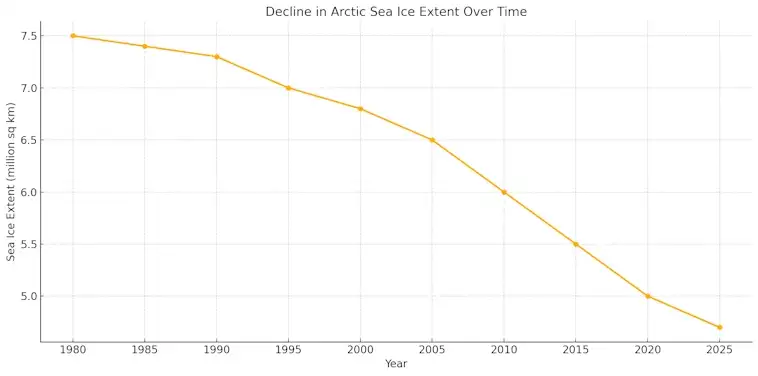
As climate change speeds up ice melt, these critical platforms are shrinking. This change doesn’t just affect polar bears and penguins — it disrupts the entire web of life that depends on ice floes.
A Frozen Habitat Teeming With Life
Ice floes provide much more than a place to rest. Underneath, algae grow in the tiny pockets and brine channels within the ice. These algae form the base of the food chain, feeding tiny zooplankton like copepods and krill. Those, in turn, feed fish, seals, whales, and birds.
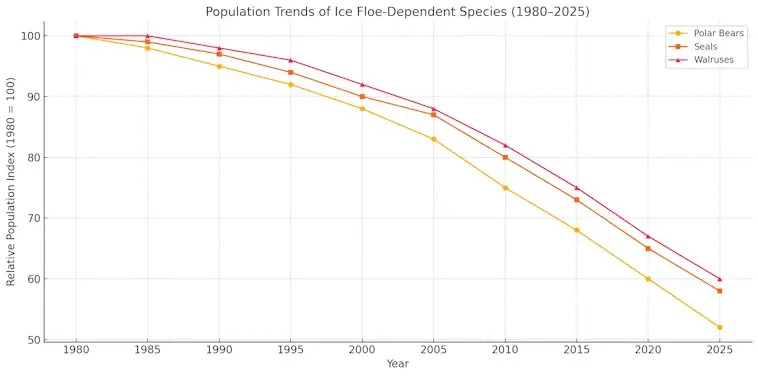
Above the surface, animals like polar bears, walruses, and seals rely on ice floes to hunt and raise their young. For polar bears in particular, losing sea ice means losing access to their primary food source: seals. That’s why ice floes are not just cold and hard — they’re also crucial for survival.
How Ice Floes Regulate the Planet
Beyond their role in local ecosystems, ice floes help regulate the Earth’s climate. They reflect sunlight, keeping polar regions cool and helping to stabilize global temperatures. When ice floes melt, darker ocean water absorbs more heat, speeding up warming — a feedback loop that scientists are increasingly concerned about.
These floating ice sheets also act as barriers, slowing ocean currents and influencing global weather patterns. In a sense, they help keep our climate in balance — even if we live thousands of miles away from them.
The Hidden Patterns That Shape Ice Floes
At first glance, ice floes might look like random chunks of frozen water drifting in the ocean. But take a closer look, and you’ll find something remarkable—these icy formations follow hidden patterns shaped by powerful natural forces. From wind and ocean currents to temperature shifts and salinity levels, ice floes are anything but chaotic. They’re nature’s floating jigsaw puzzle, pieced together by science.
Wind and Water: The Architects of the Arctic
One of the main drivers behind the formation and movement of ice floes is wind. When strong winds blow across open sea ice, they fracture large sheets into smaller floes, setting them into motion. Ocean currents then steer these ice chunks across vast distances. In the Arctic, for example, the Transpolar Drift and Beaufort Gyre act like icy conveyor belts, pushing floes from Siberia to Greenland over time.
This constant motion creates zones where ice floes pile up and overlap, forming ridges and pressure zones. These thicker ice formations provide extra insulation, which can help some floes survive longer into the warmer months.
Freeze, Fracture, Repeat: The Life Cycle of Ice Floes
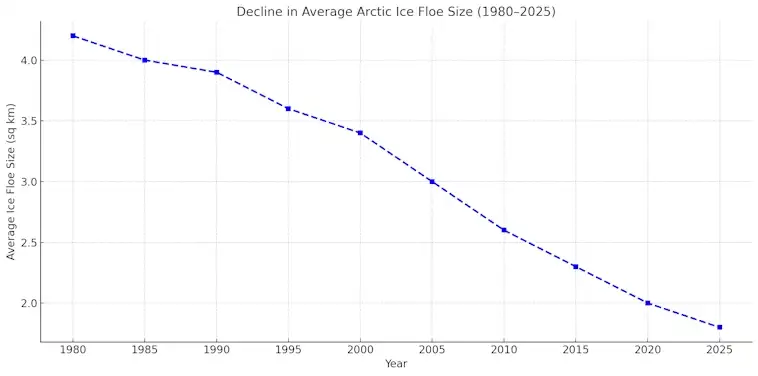
Ice floes go through a repeating life cycle of freezing, cracking, melting, and refreezing. During the colder months, new ice forms quickly and bonds to existing floes. But when temperatures rise, the ice becomes brittle and begins to fracture along weak spots. These cracks follow natural fault lines caused by stress and movement, creating geometric patterns visible from satellites—like spiderwebs spreading across the surface.
Interestingly, scientists use these patterns to track how climate change is altering polar regions. The more fragmented the ice becomes, the more vulnerable the ecosystem is. Smaller floes melt faster, offer less habitat, and reflect less sunlight, which speeds up warming even more.
By paying attention to the patterns in sea ice, researchers are learning how Earth’s coldest regions are changing—and what that means for the rest of us. As we continue to monitor ice floes from space and on the ground, these hidden patterns are revealing the true pace of polar transformation.
Surviving and Thriving in Ice Floe Regions
Life in the frozen edges of our planet is anything but easy. In the harsh, unpredictable world of ice floes, survival depends on constant adaptation. From massive mammals to microscopic algae, every species that calls this environment home has developed smart strategies to beat the cold—and make the most of a shifting landscape.
Adaptation Is Everything
Animals in ice floe regions don’t just survive—they thrive. Polar bears, for example, have evolved to use the ice as mobile hunting platforms, tracking seals across great distances. Their thick fur, powerful limbs, and excellent swimming ability make them perfect predators in a place that never stands still.
Seals, meanwhile, are experts at using the ice to protect their young. They carve out dens beneath snow-covered floes to shelter pups from the cold and from predators. Walruses cluster in large groups on ice platforms to rest between feeding dives, using their tusks to climb back onto the ice.
Even birds like the Arctic tern time their migrations to align with seasonal ice melt, giving them access to open water rich with food. It’s all part of a carefully tuned rhythm that has evolved over thousands of years.
The Micro World Beneath the Ice
What many people don’t see is that much of the action happens under the surface. On the underside of ice floes, algae bloom in the cold, low-light conditions. These tiny organisms are critical to the entire food web. Zooplankton feed on them, which in turn feed fish, seabirds, and whales.
Without ice floes, this hidden food chain would collapse. And with the Arctic and Antarctic warming at twice the global average, this ecosystem is under growing stress.
Still, researchers are hopeful. Species here are incredibly resilient. Conservation efforts and climate monitoring programs are helping us better understand how these creatures cope—and how we can protect their icy homes.
Survival in ice floe regions isn’t just about endurance. It’s about timing, intelligence, and knowing how to read a landscape that never stops moving. And as the climate shifts, those skills matter more than ever.
How Climate Change Is Redrawing the Frozen Map
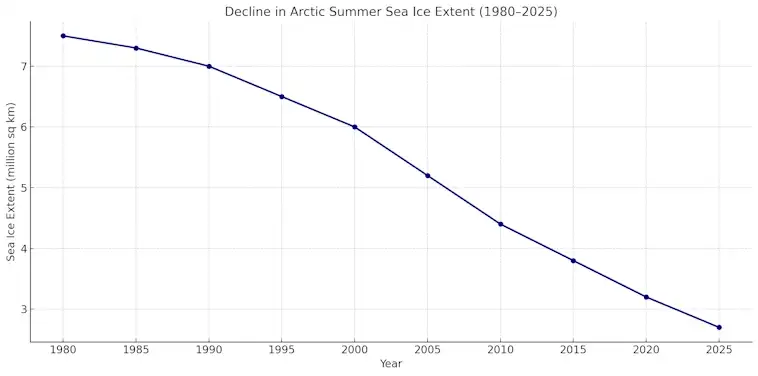
The frozen parts of our planet are changing faster than ever before. Climate change is melting sea ice, shifting coastlines, and transforming the once-stable geography of the Arctic and Antarctic. These changes are not only visible from space—they’re reshaping ecosystems, opening new sea routes, and altering life for communities and wildlife alike.
Shifting Ice, Shifting Habitats
As global temperatures rise, polar ice isn’t just melting—it’s moving. Ice floes that once stayed frozen year-round are now breaking up earlier each spring and forming later in the fall. This shortens the ice season, forcing animals like polar bears and seals to adapt to rapidly changing conditions. Many are being pushed into unfamiliar territory, competing for limited space and food.
For migratory species, this new frozen map creates confusion. Birds that nest on the ice may arrive to find it’s already gone. Marine animals may struggle to follow their traditional feeding paths as ice floes drift in new directions. These disruptions ripple through the food chain, with consequences we’re only beginning to understand.
New Passages, New Pressures
Melting sea ice is also opening up parts of the Arctic that were once impossible to reach. New shipping lanes are emerging along the Northern Sea Route and the Northwest Passage. While this offers economic opportunities, it also increases the risk of pollution, accidents, and habitat disruption in some of the world’s most fragile environments.
Fisheries are expanding into newly accessible waters. That sounds like growth—but it can mean overfishing, invasive species, and pressure on animals already coping with habitat loss. And as human activity increases in polar regions, the need for careful monitoring and regulation becomes more urgent.
These changes are happening now, not decades from now. The frozen map we once thought of as static is being redrawn in real time. The question is: how will we respond?
We have the tools to track these shifts—satellites, climate models, and local knowledge from Indigenous communities. What we need is the will to act. Protecting the polar regions means more than preserving ice—it means safeguarding the climate stability that the rest of the world depends on.
The Future of Polar Navigation and Arctic Exploration
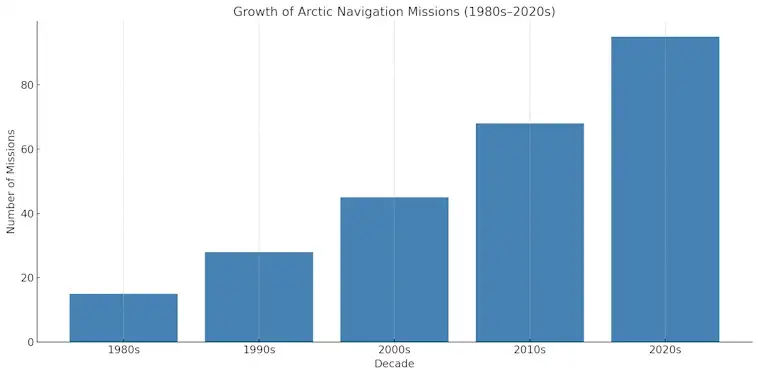
The Arctic is opening up. As sea ice continues to retreat, regions once locked in ice year-round are becoming more accessible than ever before. This shift is transforming how we think about polar navigation and Arctic exploration. What was once a challenge only for the most daring explorers is now drawing the attention of governments, scientists, and commercial industries.
Shorter Routes, Bigger Stakes
One of the biggest game-changers is the emergence of new shipping lanes. Melting ice is clearing paths along the Northern Sea Route and the Northwest Passage—two routes that can significantly shorten travel time between major global markets. For shipping companies, this means lower fuel costs and faster delivery. But there’s a catch: navigating these icy waters is still risky.
Even with less ice, the Arctic is unpredictable. Weather conditions change quickly, and floating ice floes can still damage ships. That’s why specialized icebreaker vessels and advanced satellite navigation systems are key to safe travel. Countries like Russia, Canada, and the U.S. are investing in new polar infrastructure and updated maritime regulations to manage this evolving frontier.
A New Era of Scientific Discovery
Beyond commerce, the thawing Arctic is also creating new opportunities for research. Scientists are using this window of access to study everything from ancient ice cores to deep-sea ecosystems. These insights are helping us understand climate change, biodiversity, and even the history of Earth’s atmosphere.
Drones, autonomous underwater vehicles, and remote sensing technology are making polar research safer and more efficient. What once required months of human-led expeditions can now be done in a fraction of the time with fewer risks.
Still, these new opportunities come with responsibility. Increased access to the Arctic must be matched with strong environmental protections. The region is fragile. A single oil spill or invasive species could do long-term damage to its delicate ecosystems.
As polar navigation moves into the future, the balance between exploration and conservation will be more important than ever. The Arctic may be thawing, but the decisions we make today will shape its future for generations to come.
Final Thoughts: Why Ice Floes Matter More Than Ever
Ice floes might seem like quiet, drifting fragments of the polar landscape—but they tell a much bigger story. These frozen platforms are at the heart of life in the Arctic and Antarctic. They shape ecosystems, support wildlife, influence ocean currents, and even affect weather patterns far beyond the poles.
As climate change continues to reshape our world, ice floes are among the first indicators of what’s shifting. Their size, movement, and seasonal patterns are changing rapidly—and so is the delicate balance of life that depends on them.
Paying attention to these changes isn’t just about saving polar bears or protecting remote places. It’s about understanding the signals our planet is sending us and acting while we still have time. From researchers and conservationists to everyday individuals, everyone has a role in protecting what remains of these vital frozen frontiers.
Because the secrets of ice floes aren’t just hidden in the ice—they’re written into the future of our planet. And the choices we make now will decide what that future looks like.