

Nature Recovery: Restoring Life to Our Land
Why Rebuilding Habitats and Supporting Wildlife Matters Now More Than Ever
Nature recovery is becoming one of the most important goals for the future of our land. Across the country, habitats have been lost, wildlife numbers have fallen, and natural systems that once kept landscapes healthy are under growing pressure. As a result, restoring these spaces is no longer a distant aim. It is a practical step toward protecting biodiversity, improving soil and water quality, and creating stronger, more resilient environments.
Healthy land supports far more than plants and animals. It helps store carbon, reduce flood risk, and sustain farming and local communities. When woodlands, wetlands, meadows, and hedgerows are restored, nature has a better chance to thrive again. At the same time, people benefit from cleaner air, richer landscapes, and a closer connection to the natural world.
With greater awareness and better land management, real progress is possible. From small local projects to wider national action, restoring life to our land can help shape a healthier future for both nature and people.
What You’ll Discover
Nature Recovery Starts with Healthier Land
Why Biodiversity Loss Matters Now
Nature Recovery and the Return of Wildlife
How Farmers Can Help Restore Habitats
Building a Stronger Future for Nature
Conclusion: Why Nature Recovery Matters Now
Nature Recovery Starts with Healthier Land
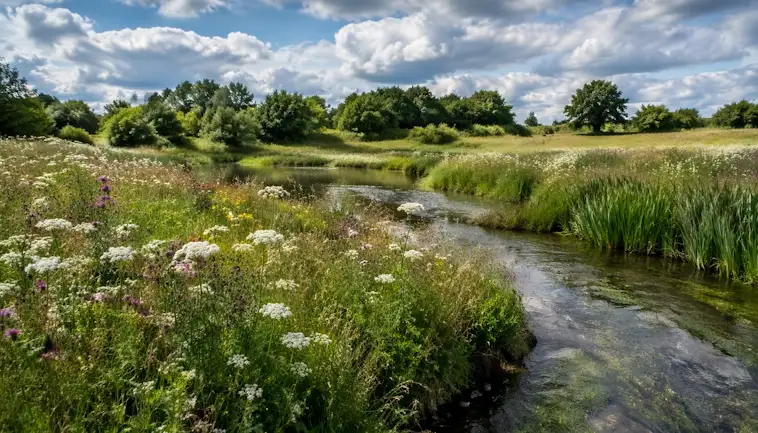
Nature recovery begins from the ground up. Quite simply, when land is healthy, everything living on it has a better chance to thrive. Soil holds water more effectively. Wildflowers return. Insects find food and shelter. Then birds, mammals, and pollinators follow. So, if we want lasting change, we need to start by caring for the land itself.
For years, many landscapes have been pushed too hard. Intensive farming, pollution, soil loss, and habitat damage have all taken a toll. As a result, land in many areas is now less able to support wildlife. It is also less resilient to drought, flooding, and extreme weather. However, this can change. With the right action, damaged land can recover. More importantly, it can once again support strong ecosystems and healthy communities.
Why Healthier Land Matters for Nature Recovery
Healthy land does much more than look green and productive. It creates the conditions that life depends on. Rich soil stores carbon, which helps tackle climate pressures. It also holds moisture, which reduces runoff and supports plant growth during dry spells. At the same time, diverse habitats give wildlife the space it needs to feed, breed, and move safely.
This is why nature recovery and land health are so closely linked. You cannot rebuild ecosystems if the foundation is weak. For example, planting trees can help, but trees alone are not enough if the soil is poor and nearby habitats are broken. In the same way, restoring a meadow works best when the land can support native grasses, insects, and microbes together. In short, real nature recovery depends on restoring the whole system, not just one part of it.
Small Changes on Land Can Lead to Big Results
The good news is that progress often starts with practical steps. Farmers can improve soil health by reducing heavy tilling, planting cover crops, and protecting hedgerows. Landowners can restore ponds, leave space for wild margins, and reconnect habitats. Communities can support projects that bring native species back into local landscapes. Even small actions can build momentum over time.
That is why healthier land should be at the heart of every conversation about nature recovery. It is a practical starting point, but it is also a hopeful one. When land begins to heal, nature responds. Slowly, then steadily, life returns. And with it comes a stronger, more resilient future for people and wildlife alike.
Why Biodiversity Loss Matters Now
Biodiversity loss is not a distant problem anymore. It is happening now, and it is already changing daily life. When nature weakens, food systems become less secure, water becomes harder to protect, and communities face greater risks from floods, heat, and disease. In other words, biodiversity is not just about rare animals or faraway forests. It is the living system that helps keep our world stable.
It Affects People Faster Than Many Realise
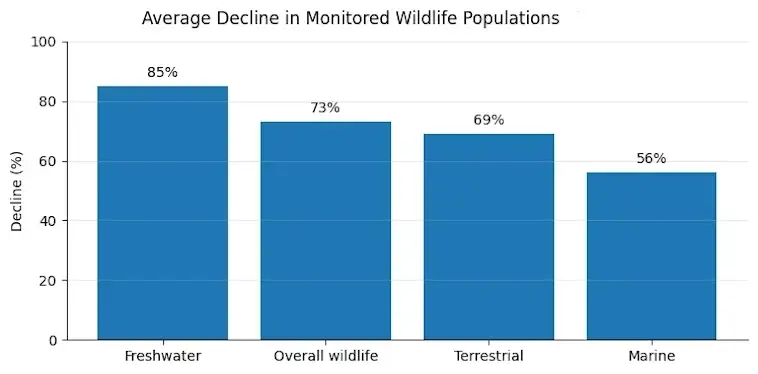
Right now, the numbers are hard to ignore. The 2024 Living Planet Report says the average size of monitored wildlife populations fell by 73% between 1970 and 2020. Freshwater populations saw the steepest drop at 85%, while terrestrial populations fell by 69% and marine populations by 56%. These figures do not mean every species is disappearing at the same pace. However, they do show a broad and serious decline across ecosystems.
Why This Is a Turning Point
This matters because healthy ecosystems support the basics people depend on. They help pollinate crops, store carbon, clean water, protect coastlines, and keep soils productive. Yet the wider picture is also alarming. IPBES has warned that around 1 million animal and plant species are threatened with extinction, many within decades, unless action becomes far stronger.
So, this is the moment to pay attention. Protecting biodiversity is not only about saving nature for the future. It is also about protecting food, health, jobs, and safety right now. The good news is that nature can recover when pressure is reduced. Therefore, the choices made today will shape how resilient our lives are tomorrow.
Nature Recovery and the Return of Wildlife
Nature recovery is no longer just a hopeful idea. It is becoming a real and visible change in many places. Little by little, damaged landscapes are being restored. Rivers are being cleaned. Woodlands are being expanded. Wildflower meadows are coming back. As a result, wildlife is starting to return.
That matters more than ever. For years, many species have struggled because of habitat loss, pollution, and climate pressure. However, when land and water are given the chance to heal, nature often responds faster than people expect. Birds return to nest. Insects reappear. Native plants spread again. Even larger animals can come back when the right conditions are in place.
Nature recovery is also important for people. Healthier ecosystems help clean the air and water. They support food production through pollination and healthy soils. They can also reduce flooding and store carbon. So, while the phrase may sound simple, nature recovery has a big role to play in creating a better future for both wildlife and communities.
Why Nature Recovery Matters for Wildlife
When habitats are restored, wildlife has a better chance to survive and thrive. That may mean reconnecting broken landscapes, planting native species, or protecting wetlands and forests. In many cases, the goal is not to control every detail. Instead, it is about giving nature the space and support it needs to rebuild itself.
This shift is powerful because wildlife does not need perfection. It needs opportunity. A hedgerow can help birds and small mammals move safely. A healthy pond can support frogs, dragonflies, and water plants. And a richer mix of flowers can feed bees, butterflies, and other pollinators.
Small Changes Can Lead to Big Results
One of the most encouraging things about nature recovery is that small steps can add up. A single restored field margin or a newly planted patch of woodland may seem modest at first. Yet over time, these changes can connect habitats and create safe spaces for wildlife to grow.
Here are some practical ways nature recovery supports the return of wildlife:
- Restores habitats that animals need for food, shelter, and breeding
- Reconnects fragmented landscapes so species can move more freely
- Supports pollinators such as bees, butterflies, and hoverflies
- Improves soil health, water quality, and natural flood management
- Creates stronger ecosystems that can cope better with climate change
- Brings people closer to nature through greener, healthier spaces
In the end, nature recovery offers something rare and valuable: real hope. With steady action and long-term thinking, the return of wildlife can be more than a possibility. It can become part of everyday life again.
How Farmers Can Help Restore Habitats
Farmers can play a major role in bringing nature back. In fact, many of the best opportunities to restore habitats start on working land. That matters because farms cover huge areas, connect the countryside, and shape the health of soil, water, and wildlife. So, when farmers make space for nature, the impact can spread far beyond one field.
Small Changes on Farms Can Make a Big Difference
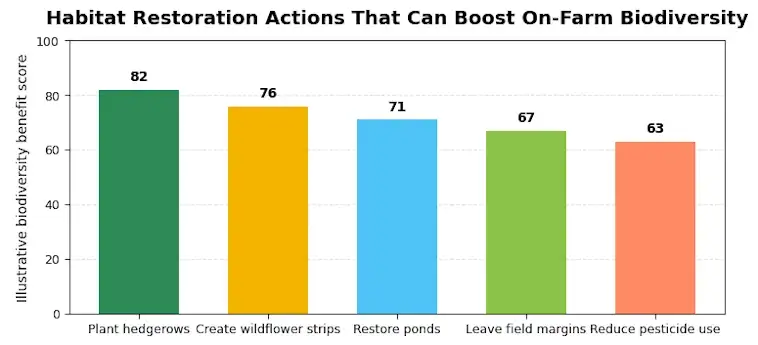
The good news is that habitat restoration does not always mean big disruption. Often, it starts with practical steps that fit into daily farm management. For example, planting hedgerows can give birds shelter and create safe travel routes for pollinators. Likewise, wildflower strips can support bees and butterflies while also improving the look of the land. Restoring ponds, protecting field margins, and cutting back on pesticide use can also help wildlife return.
Why Habitat Restoration Helps Farms Too
At the same time, these changes can support the farm itself. Healthy habitats can improve pollination, reduce soil erosion, and help natural pest control. In other words, restoring nature is not only good for wildlife. It can also make farms more resilient over time. That is especially important as farmers face rising pressure from climate change, extreme weather, and changing market demands.
Moreover, habitat restoration can strengthen the public image of farming. More people now want food to be produced in ways that protect nature. As a result, farmers who invest in biodiversity may build stronger trust with customers, buyers, and local communities.
Overall, farmers are in a strong position to lead real environmental change. With the right support, even small steps can add up to a healthier countryside. Therefore, restoring habitats on farms is not just a hopeful idea. It is a practical path toward a more balanced and sustainable future.
Building a Stronger Future for Nature
Nature is under pressure. We can see it in shrinking wild spaces, declining species, and damaged rivers, woods, and coastlines. Yet there is still real hope. Across communities, farms, towns, and cities, people are taking steps to protect and restore the natural world. That is why nature recovery matters so much right now.
At its heart, nature recovery is about helping the environment heal. It means bringing back healthy habitats, supporting wildlife, and making better choices about how we use land and resources. Just as importantly, it means building a future where people and nature thrive together. This is not only good for birds, bees, trees, and rivers. It is also good for our health, our economy, and our quality of life.
Why Nature Recovery Matters to All of Us
When nature is strong, communities are stronger too. Healthy woodlands can store carbon and improve air quality. Wetlands can reduce flooding and support rare species. Wildflower meadows can help pollinators, which are vital for food production. So, nature recovery is not a niche issue. It touches daily life in ways many of us do not always notice.
Moreover, restoring nature can make places feel better to live in. Green spaces can lift our mood, reduce stress, and bring communities together. Children benefit from access to nature. Local businesses can also benefit from cleaner, greener areas that attract visitors and improve wellbeing. In other words, investing in nature is also an investment in people.
Small Actions Can Lead to Lasting Change
The good news is that progress often starts small. A farmer may create hedgerows for wildlife. And towns may plant more trees and protect local habitats. Even a homeowner may leave part of a garden wild to support insects and birds. These steps may seem simple. However, when many people act together, the impact can be powerful.
At the same time, bigger change is needed as well. Strong policies, long-term funding, and joined-up planning all play a part in successful nature recovery. Businesses, local leaders, and communities need to work together with a shared goal. That goal should be clear: restore nature now, so future generations inherit a healthier and more resilient world.
Building a stronger future for nature will not happen overnight. Still, it can happen. With commitment, care, and practical action, nature recovery can move from ambition to reality. And when that happens, we all stand to gain.
Conclusion: Why Nature Recovery Matters Now
Nature recovery is not only about bringing back wildlife. It is about creating healthier places for people, too. When we restore forests, wetlands, rivers, and grasslands, we help the land breathe again. In turn, we support cleaner air, richer soil, safer water, and stronger communities.
At the same time, nature recovery gives us hope. It shows that damaged landscapes can heal when we make better choices and work with nature instead of against it. Every restored habitat, every native tree, and every protected species is a step toward a more balanced future.
Looking ahead, nature recovery will play a bigger role in how we farm, build, and care for the environment. So the path forward is clear. If we want thriving landscapes and a healthier planet, we need to invest in nature recovery now. By taking action today, we can restore life to our land and leave a richer, more resilient world for future generations.