

Carbon Neutral Living Made Simple and Smart
Carbon Neutral Lifestyle: Easy Changes That Last
Living a carbon neutral lifestyle doesn’t have to be complicated or expensive. With the right approach, it can be both practical and rewarding. Every choice we make—from the energy we use to the food we eat—can reduce our impact on the planet. And when those choices are smart, they often save money and improve quality of life, too.
The shift toward carbon neutral living is no longer just a trend; it’s becoming a necessity. Advances in technology, renewable energy, and sustainable design are making it easier than ever to cut emissions without sacrificing comfort. Whether at home, at work, or on the move, small actions can add up to big changes for the environment and future generations.

What Does Carbon Neutral Really Mean in Everyday Life?
We hear the term “carbon neutral” all the time now. It’s on coffee cups, airline ads, and even clothing labels. But what does it actually mean for you and me?
In simple terms, being carbon neutral means balancing out the greenhouse gases we put into the air with actions that remove or offset them. Think of it like a seesaw. On one side, there’s the carbon we create—when we drive, heat our homes, or buy things. On the other side, there’s the carbon we take away—by planting trees, using clean energy, or funding projects that reduce emissions. The goal is to make both sides level.
How It Shows Up in Your Day-to-Day
You might be living a more carbon-neutral life without even realizing it. For example, if your electricity comes from wind or solar, you’re already cutting emissions. If you choose products made with recycled materials, you’re helping lower the carbon footprint. Even small changes—like eating less meat once a week—make a difference.
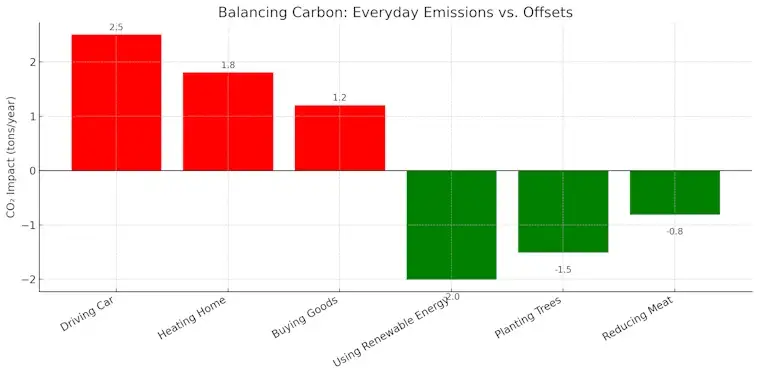
Some companies claim to be carbon neutral by buying carbon offsets. That means they invest in projects like forest restoration or renewable energy to balance out the emissions they can’t avoid. While this helps, it’s not a free pass to keep polluting. Reducing emissions first is always the better choice.
Living carbon neutral isn’t about perfection. It’s about progress. You don’t need to overhaul your entire life overnight. Start small—take the bus instead of driving once in a while, switch to LED bulbs, or support local farmers. Over time, these habits add up.
The real power of carbon neutrality is in the collective impact. When millions of us make small, conscious choices, the result is massive. And that’s how everyday actions can help protect our planet’s future.
Simple Steps to Start Your Carbon Neutral Journey Today
Going carbon neutral can sound like a huge task. But in reality, it’s just about making small, smart changes that add up over time. You don’t need to overhaul your life overnight. You just need to start.
Think of your carbon footprint like a bank account. Every time you use electricity, drive a car, or buy something new, you’re “spending” carbon. The goal is to reduce that spending and balance it out with positive actions.
Quick Wins You Can Try This Week
One of the easiest steps is to switch to renewable energy if your provider offers it. This simple change can cut your household emissions dramatically. Another is to choose public transport, walk, or cycle when possible. Even replacing one or two car trips a week makes a difference.
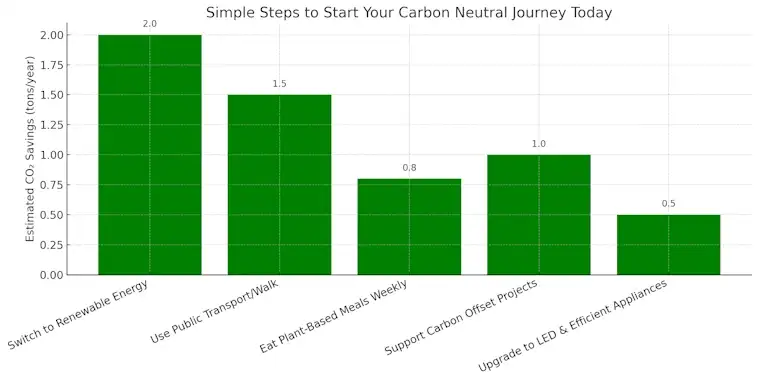
Food choices matter, too. Try having one or two plant-based meals a week. Producing meat, especially beef, creates a lot of greenhouse gases. Cutting back, even slightly, helps the planet and can be good for your health.
You can also support carbon offset projects. Many organizations plant trees, restore wetlands, or invest in renewable energy on your behalf. While offsets are useful, they work best alongside real reductions in your own emissions.
Making your home more energy-efficient is another great move. LED light bulbs, good insulation, and energy-saving appliances not only lower your carbon footprint but also save you money.
The most important thing is to start with what feels doable. Build habits over time. Every action, no matter how small, adds to a bigger impact when millions of people join in.
Your carbon neutral journey doesn’t need to be perfect. It just needs to begin—today is the perfect day to take that first step.
Smart Choices That Make Carbon Neutral Living Affordable
Living carbon neutral doesn’t have to cost a fortune. In fact, many choices that reduce your carbon footprint can also save you money. It’s all about knowing where to start and making smart swaps that fit your lifestyle.
The truth is, some people think going green means expensive solar panels or electric cars. While those are great long-term investments, you can make a big impact with much smaller, budget-friendly changes right now.
Low-Cost Swaps with Big Impact
Start with your home. Switching to LED bulbs cuts your energy bill and lasts for years. Adding draft stoppers to doors and windows keeps heat in during winter and cool air in during summer, lowering your utility costs.
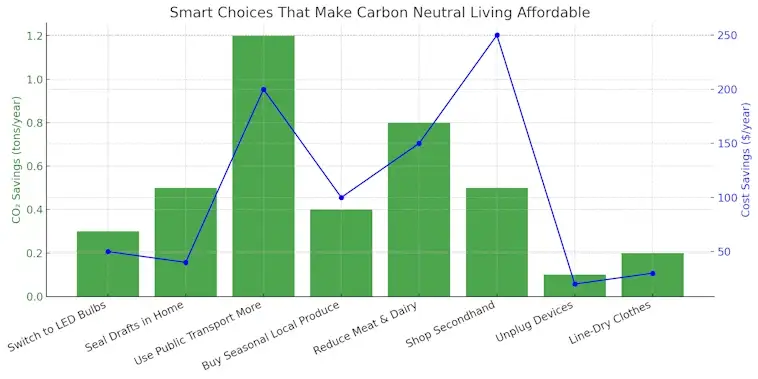
When it comes to transport, walking, cycling, or using public transport more often saves money on fuel and parking. If you drive, keeping your tires properly inflated improves fuel efficiency and reduces emissions.
Your food choices matter too. Buying seasonal produce from local farmers often costs less than imported goods. Reducing meat and dairy just a little each week not only helps the planet but can also lower your grocery bill.
You can also shop secondhand for clothes, furniture, and electronics. This keeps items out of landfills and often saves you 50% or more compared to buying new.
Don’t forget about free actions, like unplugging devices when they’re not in use or line-drying clothes when the weather allows. These small habits add up fast.
Affordable carbon neutral living is about being resourceful, not perfect. By combining a few cost-saving habits, you can cut your footprint without cutting into your budget. And the best part? Every smart choice you make is an investment in a healthier planet and a more sustainable future.
How Carbon Neutral Habits Help the Planet and Your Wallet
Living a carbon neutral lifestyle isn’t just good for the planet—it can also be surprisingly good for your bank account. By making smart, sustainable choices, you can cut your emissions and your expenses at the same time.
Many people think “carbon neutral” means big changes like buying an electric car or installing solar panels. While those are fantastic if you can afford them, there are plenty of smaller habits that deliver real impact without a big price tag.
Everyday Habits That Pay Off
Start with energy use. Switching to LED bulbs and unplugging electronics when not in use can lower your electricity bill. Adding insulation or sealing drafts reduces heating and cooling costs while cutting emissions.
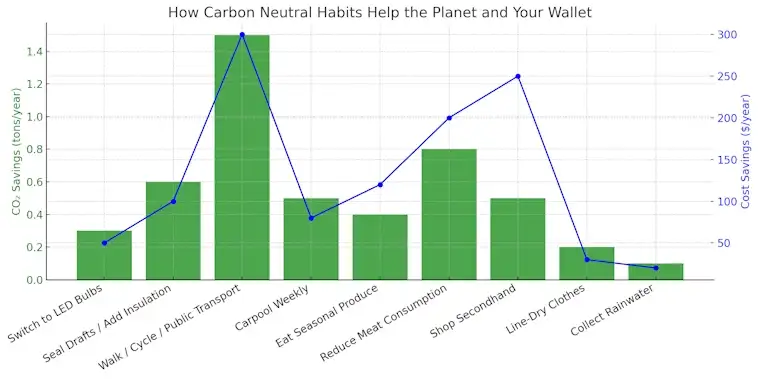
Transportation is another big opportunity. Walking, cycling, or taking public transport saves money on fuel, parking, and maintenance. Even carpooling once a week makes a difference for your budget and your carbon footprint.
Food choices matter too. Cooking at home more often, eating seasonal produce, and cutting down on meat can save you money and reduce emissions linked to food production.
Shopping habits are another easy win. Choosing secondhand items—whether clothes, furniture, or gadgets—keeps usable products out of landfills and often costs far less than buying new.
Even small moves like line‑drying clothes in warm weather or collecting rainwater for your garden can help you save money while living more sustainably.
The best part? These savings add up over time. A few dollars saved here and there each week can turn into hundreds by the end of the year—all while knowing you’re helping protect the planet.
Carbon neutral living isn’t just about the environment. It’s also about building a lifestyle that’s simpler, smarter, and more cost‑effective. And that’s a win for everyone.
Future Trends Shaping a Carbon Neutral World
The push toward a carbon neutral world is gaining speed. Around the globe, governments, businesses, and individuals are working to cut emissions and invest in cleaner solutions. But what will the next few years look like? Here are some key trends shaping our carbon neutral future.
Technology is moving fast. Renewable energy like solar and wind is becoming cheaper and more efficient every year. Battery storage is improving too, making it easier to store and use clean power when the sun isn’t shining or the wind isn’t blowing.
Innovation Driving Everyday Change
One exciting shift is the rise of electric transport. Electric cars, buses, and even bikes are becoming more common—and more affordable. Many cities are also building better cycling lanes and public transport networks to reduce car dependency.
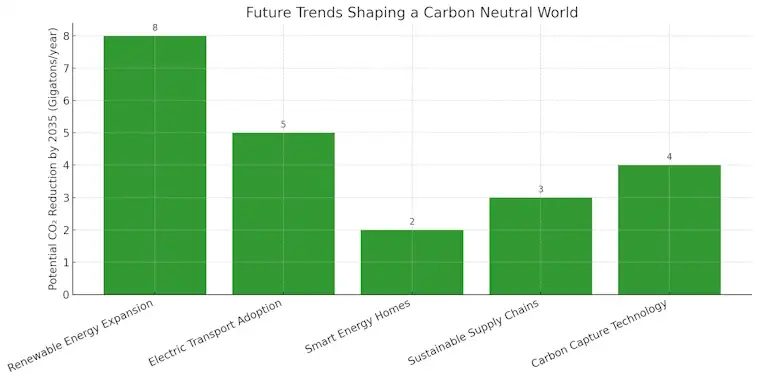
In our homes, smart energy systems are starting to play a bigger role. These devices can track your energy use, adjust heating and cooling automatically, and connect to renewable sources. They help cut waste and save money at the same time.
Businesses are also rethinking supply chains. More companies are choosing sustainable materials, reducing packaging, and sourcing goods locally to cut emissions. Consumers are noticing and rewarding brands that take real climate action.
Carbon capture technology is another area to watch. It removes carbon dioxide from the air and stores it underground or uses it in new products. While still developing, it could become a major tool in hitting global climate goals.
The future of carbon neutrality will be shaped by choices we make today. From cleaner energy to smarter cities, these changes will impact not just the planet, but how we live, work, and travel. The good news? The path forward is already being built—and we can all be part of it.
Your Path to Carbon Neutral Living
Carbon neutral living isn’t just a trend—it’s a powerful way to protect the planet while improving your own life. From reducing energy use to making mindful purchases, every choice you make has the potential to cut emissions and create a more sustainable future.
The good news is, you don’t need to be perfect to make a difference. Small steps, like using renewable energy, choosing public transport, or eating more plant-based meals, add up over time. When millions of people commit to these changes, the impact is massive.
By starting today, you’re not only lowering your carbon footprint—you’re also helping to shape a cleaner, healthier world for future generations. The journey to carbon neutrality is about progress, not perfection. And with each action you take, you’re proving that living sustainably can be practical, affordable, and deeply rewarding.
So ask yourself: What’s one step you can take right now? Whether it’s swapping a light bulb, rethinking a purchase, or supporting a green business, your next choice could be the one that inspires others to follow. Together, we can turn the vision of a carbon neutral world into reality—one decision at a time.