

Is Tropical Expansion Revealing New Risks for Our Future?
Tropical Expansion: Is It Revealing New Climate Risks for Our Future?
Tropical expansion is widening the band of warm air around our planet, and it is doing so faster than many earlier forecasts suggested. This shift is already affecting rainfall patterns, storm tracks, and the places where heat stress feels most intense. As the tropics push outward, communities far from the equator are starting to feel conditions that once seemed distant. The trend raises important questions about what daily life could look like in the years ahead.
Researchers are now connecting the dots between these subtle shifts and emerging risks. Weather extremes are becoming more frequent. Infrastructure is aging into a climate it was never designed for. And cities are learning that small changes in temperature and humidity can reshape everything from public health to water security. Understanding how these patterns are moving helps us see what might be coming next—and how to prepare with confidence.
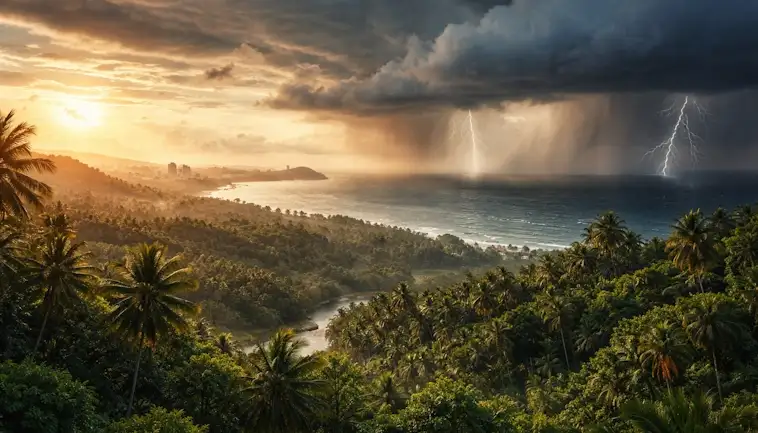
Why Tropical Expansion Is Accelerating Faster Than Expected
The tropics are on the move. Scientists have tracked their edges for decades, but now those boundaries are shifting faster than anyone predicted. This change is known as tropical expansion, and it is reshaping climate patterns around the world. And while it might sound like a distant issue, it is already influencing the weather we feel day to day.
So what is driving this acceleration? Several forces are working together. Rising greenhouse gases are warming the atmosphere. Shifts in ocean cycles are spreading heat into new regions. Even the cooling of the upper atmosphere plays a role. When these changes stack up, the tropics start to widen, and they do it at a pace that surprises even the experts.
The Hidden Push Behind the Widening Tropics
Researchers once believed tropical expansion would unfold slowly. Now we know it is happening far more quickly. We see stronger subtropical wind belts, and dry zones creeping poleward. And we see storm tracks adjusting as the boundaries move.
This matters for all of us. As the tropics expand, rainfall patterns change. Some regions get drier. Others see more extreme storms. Farmers struggle with shifting seasons. Cities face new heat challenges. And ecosystems that once thrived in stable climates now teeter on the edge.
Looking ahead, the trend is not likely to slow down. Models suggest the widening will continue through this century. But awareness is the first step. When people understand how tropical expansion shapes their weather, they can push for stronger climate planning and smarter adaptation.
In other words, paying attention now gives us a better chance to prepare for what comes next.
How Shifting Climate Zones Are Reshaping Daily Life
Climate zones are on the move, and the shift is becoming easier to feel. Seasons do not behave the way they used to. Heat arrives earlier. Rainstorms grow more intense. Dry spells stretch longer. These changes affect simple parts of life, from how we plan our days to how we protect our homes.
As climate zones drift, daily routines adapt. People face hotter afternoons, new planting seasons, and rising cooling costs. Communities deal with stronger downpours and longer dry periods. These shifts can feel small at first, but together they create real pressure on how we live and work. And because the trend is continuing, understanding it helps us prepare.
To make this clearer, here is a simple visual showing how different climate impacts are intensifying.
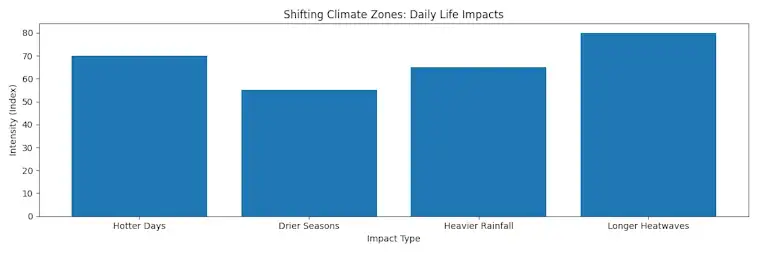
The chart illustrates four common pressures: hotter days, drier seasons, heavier rainfall, and longer heatwaves. Each one is increasing, and together they show how shifting climate zones are reshaping daily life in ways we can already see.
What Tropical Expansion Means for Extreme Weather Near You
Tropical expansion may sound like a distant, global science term. Yet it is far more personal than most people realize. Scientists have found that the band of warm, rising air that circles the planet—the tropics—is slowly widening. And as it does, the line between tropical and temperate weather is shifting north and south.
This shift is subtle, but it is reshaping weather patterns in ways that are already showing up in our daily lives. As the tropics expand, many regions that once sat comfortably outside the zone of tropical influence are now feeling its reach. And this matters, because tropical climates help drive some of the world’s most intense storms, heat waves, and rainfall extremes.
So, what does tropical expansion actually mean for you, your home, and the way you experience weather?
- More days of intense heat and humidity
- Stronger and more frequent heavy rainfall events
- Longer dry spells that increase wildfire risks
- Shifting storm tracks that affect where hurricanes or cyclones travel
- Unexpected seasonal changes that disrupt daily routines and local ecosystems
These changes don’t happen overnight, but they do build over time. And that steady creep means many people are living closer to tropical-like conditions than they did a generation ago. This shift can influence everything from where crops grow to how often you need to check for flood alerts.
Understanding tropical expansion is the first step in preparing for what’s ahead. When we know why weather is changing, we can make smarter choices about how to stay safe, protect our homes, and support our communities. And as this trend continues, staying informed becomes one of the most powerful tools you have.
The Hidden Economic Costs of a Widening Tropics
A widening tropics might seem like a distant climate trend, but its economic impacts are landing much closer to home. As the tropical zone pushes outward, it brings shifts in heat, rainfall, and storm behavior. These shifts can strain local budgets, stretch national resources, and place new financial pressures on everyday people.
You may not see these costs itemized on a bill. However, they show up in many familiar places. When heat waves last longer, energy use jumps. As storms drift into new regions, insurance claims rise. And when rainfall patterns change, farmland yields swing wildly. All of these changes add up.
This is why understanding tropical expansion matters. It helps us see the quiet, accumulating costs that shape the price of food, the reliability of infrastructure, and even the stability of regional economies.
To make this easier to visualize, here is a chart showing a simplified view of how different sectors can feel the financial strain of a widening tropics.
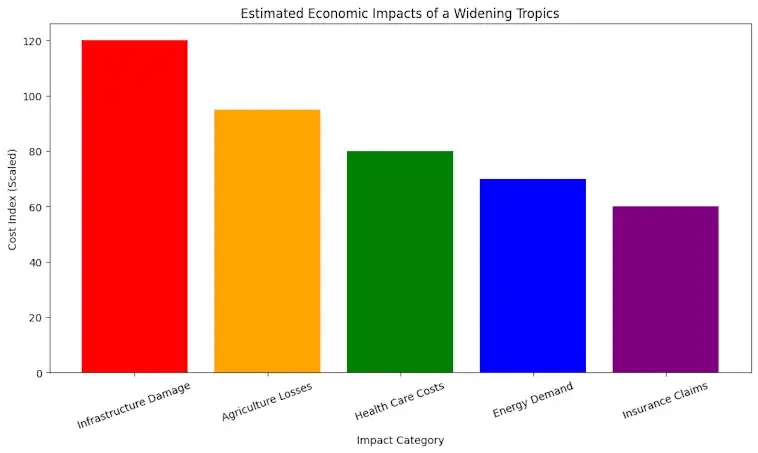
As the tropics continue to expand, these pressures are expected to grow. Yet by staying informed now, communities and policymakers can plan ahead. They can strengthen infrastructure, adjust farming practices, and rethink energy demands before disruptions become more expensive.
It’s a reminder that climate trends aren’t only about weather—they touch wallets, work, and daily life in ways that deserve our attention today.
How Scientists Track the Edges of a Changing Climate
Climate change can feel abstract. Yet scientists are now mapping it with surprising clarity. They are tracking how the invisible boundaries of our atmosphere shift over time. And as these edges move, they reshape rainfall, storm patterns, and even where people can comfortably live.
In recent years, researchers have seen clear signs that the zones we once thought were stable are stretching and drifting. This work matters because these shifts influence crops, water supplies, and everyday weather. So, understanding how experts measure these changes helps us see the future with a bit more confidence.
Tropical Expansion: What It Really Means for You
Scientists use satellites, weather balloons, and long-term climate records to monitor how the tropics slowly widen. They look for changes in wind patterns high above the surface. And they analyze humidity and temperature trends. They also compare decades of data to map the boundaries where tropical climate influences fade and mid-latitude weather begins.
This widening of the tropics is not just a scientific detail. It can mean drier conditions in some regions and more intense rainfall in others. As the threshold between climate zones shifts, communities must adapt. Farmers rethink planting schedules. City planners revisit water systems. And researchers continue refining their tools to track these changes more precisely.
If you want a deeper look at how scientists observe Earth’s changing atmosphere using modern instruments, you can explore this accessible overview from NASA.
As climate edges keep moving, the science behind tracking them grows even more important. And by following this work, we gain the insight we need to prepare for what comes next.
Conclusion: Why Tropical Expansion Matters More Than Ever
As we step into a less predictable future, it is clear that tropical expansion is more than a scientific term. It is a signal. And it reveals where our weather patterns may drift next and how our daily lives could change as a result. While the shifts may seem slow, they build year after year. And, over time, they reshape everything from rainfall to wildfire risk.
By paying attention to tropical expansion now, we give ourselves—and future generations—a chance to plan ahead. We can redesign cities, rethink water systems, and adjust farming strategies before the pressure grows. Most importantly, we stay informed. Because when we understand how these boundaries move, we can face new risks with greater clarity and confidence.
The story of tropical expansion is still unfolding. Yet the more we learn, the better prepared we become.