

Is Slash Burning Destroying Our Forests for Good?
Is Slash Burning Destroying Our Forests for Good?
Slash burning has been used for generations as a quick way to clear land after logging or farming. Supporters argue it reduces debris and lowers wildfire risk, but the practice leaves behind a trail of smoke, carbon emissions, and damaged ecosystems. As concerns about climate change and biodiversity loss grow, many are questioning whether slash burning is still worth the cost. The debate isn’t just about fire on the forest floor—it’s about the future health of our air, water, and wildlife.
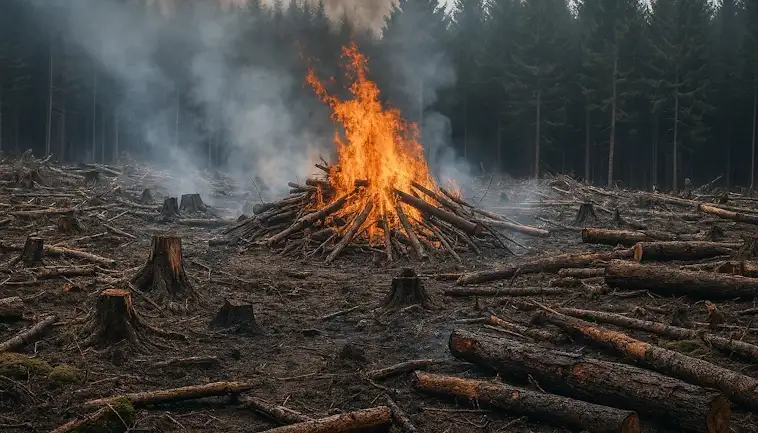
Slash Burning: What It Is and Why It Happens
If you’ve ever driven through forested areas and seen smoke rising from the ground, there’s a good chance you’ve witnessed slash burning. It might look alarming at first, but this practice has been around for decades. Slash burning is the intentional burning of leftover wood, branches, and debris—known as “slash”—after logging or land clearing.
The idea is simple. When trees are cut down, a lot of waste material is left behind. Instead of letting it pile up and rot, land managers set controlled fires to clear it away. These fires reduce the risk of bigger, uncontrolled wildfires later on. They also make it easier to replant trees and restore the forest.
The Pros and Cons of Slash Burning
Of course, slash burning comes with mixed opinions. On one hand, it helps lower wildfire dangers and prepares the soil for new growth. On the other hand, it creates smoke that affects air quality for nearby communities. Many people also worry about the impact on wildlife and the long-term health of the soil.
In many regions, slash burning is tightly regulated. Crews monitor the weather, humidity, and wind before starting a burn. This makes the process safer and reduces the chance of fires spreading out of control.
At the end of the day, slash burning remains a tool for managing forests. It isn’t perfect, but for now, it’s one of the ways we balance human needs with nature’s resilience.
The Environmental Costs of Forest Fires We Set Ourselves
When we think of forest fires, we often picture dry lightning strikes or natural sparks. But the truth is, many of these fires are started by us—through campfires left unattended, burning debris, or even careless accidents. The damage goes far beyond the flames we see on the news.
Every fire we set has ripple effects. The smoke fills our air, driving up hospital visits. Wildlife lose their homes in a matter of hours. Carbon emissions from a single blaze can undo years of climate progress. Even our water and soil are poisoned long after the fire is gone.
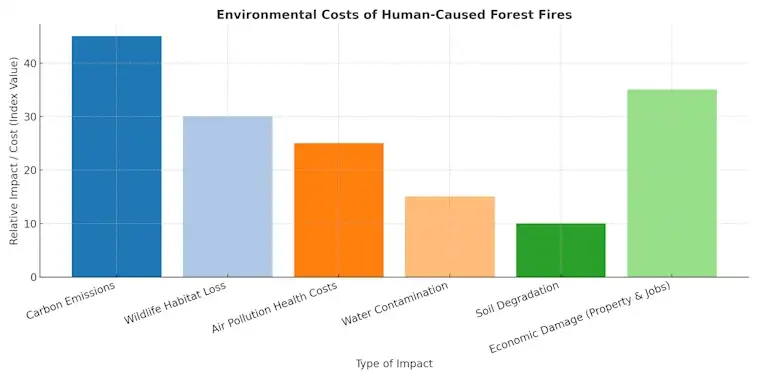
And the cost isn’t just environmental. Communities lose jobs, businesses, and sometimes entire neighborhoods. These are damages we could prevent—if we face the reality that many forest fires are human-made.
How Slash Burning Threatens Wildlife and Ecosystems
Slash burning might sound like a quick fix for clearing leftover logging debris, but the impact runs much deeper. This practice doesn’t just affect the land—it puts wildlife, forests, and entire ecosystems at risk.
When piles of branches, stumps, and tree tops are set on fire, the smoke and heat ripple far beyond the burn site. What seems like a short-term solution can create long-term damage that we can’t easily undo.
Here’s how slash burning threatens wildlife and ecosystems:
- Destroys habitats — Fires wipe out shelter for birds, small mammals, and insects, leaving them exposed and vulnerable.
- Pollutes the air — Thick smoke adds harmful particles to the atmosphere, impacting not just animals but also nearby communities.
- Heats the soil — Intense ground heat can sterilize soil, killing essential microbes that keep forests healthy.
- Reduces biodiversity — Native plants struggle to recover, opening the door for invasive species to take over.
- Impacts waterways — Ash and soil erosion can wash into rivers and streams, harming fish and aquatic life.
- Disrupts migration patterns — Wildlife often avoids burn zones, which can cut off feeding and breeding areas.
The truth is, slash burning may look like an easy cleanup method, but it carries a hidden cost. Once an ecosystem is damaged, it can take decades—or even centuries—to heal.
Alternatives to Clearing Land Without Fire
When it comes to preparing land, many people still rely on burning. It feels quick and easy, but it damages the soil, releases harmful smoke, and fuels climate change. The good news is there are smarter, safer, and more sustainable ways to clear land. These methods not only protect the environment but also improve long-term productivity.
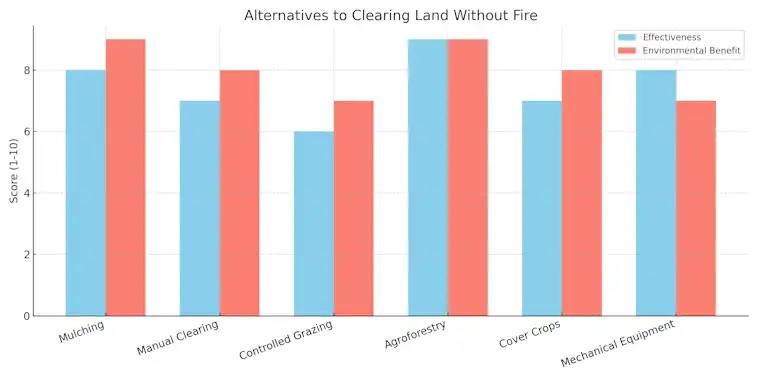
Instead of fire, landowners and farmers can turn to options like mulching, controlled grazing, or even planting cover crops. These approaches help maintain soil health, reduce erosion, and create better conditions for future growth. By exploring these alternatives, we can protect nature while still making land ready for farming, forestry, or community use.
Can Sustainable Forestry Practices Replace the Match?
For decades, fire has been used as a quick fix in forest management. Matches sparked slash piles, cleared debris, and made way for new growth. But while fire can feel like an easy solution, it often leaves behind hidden damage. Soil loses nutrients, habitats vanish, and smoke lingers in the air.
Today, people are asking an important question: can we do better? The answer is yes. Sustainable forestry practices are showing us that we can manage forests without striking a match.
Instead of relying on fire, new methods focus on long-term health. Careful thinning, selective harvesting, and replanting can all reduce waste while protecting biodiversity. These approaches also store more carbon in the forest—helping fight climate change at the same time.
Slash Burning and the Search for Alternatives
Slash burning has been a go-to tool for clearing leftover branches and brush. It’s fast, but it also creates smoke that harms both the environment and human health. By shifting to sustainable techniques, we can avoid this damage while keeping forests productive. Composting woody debris, using it for bioenergy, or turning it into mulch are just a few of the smarter options now being tested.
The truth is, we don’t need to rely on fire as our main tool anymore. With innovation and careful planning, sustainable forestry can take its place. The match might have served us in the past, but the future looks greener without it.
The Future of Our Forests Is in Our Hands
Slash burning may feel like a quick fix, but its long-term impacts on soil health, air quality, and biodiversity raise serious questions. If we continue down this path, we risk losing not just trees, but the balance that sustains entire ecosystems.
The good news is, alternatives exist—from controlled mulching to innovative reforestation strategies—that can protect both the land and the communities who depend on it. But awareness is only the first step. Real change comes when more of us demand sustainable forestry practices, support eco-friendly policies, and rethink how we value our natural resources.
Our forests are not just a backdrop to human progress—they are vital to our survival. The question now is: will we let outdated practices define their future, or will we choose smarter, greener solutions?