

Is Our River Health Failing Faster Than We Think?
The State of River Health: What’s Really Happening Beneath the Surface
Our river health is under more pressure than most of us realize. Once vibrant ecosystems are showing signs of strain as pollution, drought, and rising temperatures take their toll. Fish populations are shrinking, water levels are dropping, and many once-clear streams now carry a chemical sheen instead of a natural sparkle.
These changes aren’t happening far away—they’re unfolding in our own backyards. Rivers that supply our drinking water, support local farms, and shape entire communities are losing their balance faster than science can fully track. Yet there’s still time to act if we understand what’s really happening beneath the surface.
The question isn’t just whether our rivers can recover, but how quickly we can shift from damage to restoration. Because the future of every clean glass of water, every thriving wetland, and every resilient town depends on how we protect the veins of our planet today.
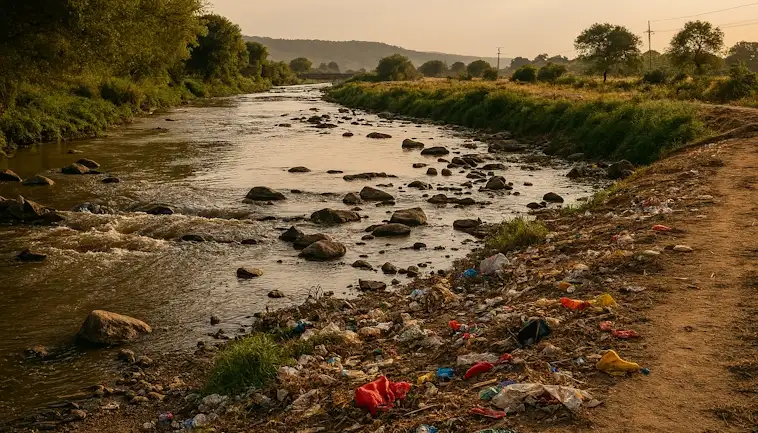
Understanding River Health and Why It’s Declining
Rivers are often described as the lifeblood of our planet. They connect mountains to oceans, nourish farmland, and sustain entire ecosystems. Yet today, many rivers around the world are in trouble — and it’s happening faster than most people realize.
When we talk about river health, we’re really talking about balance. A healthy river has clean water, a stable flow, rich biodiversity, and natural banks that support life. But that balance is being disrupted. Industrial waste, urban runoff, deforestation, and climate change are all taking their toll.
The Hidden Forces Behind River Decline
Take pollution, for example. Chemicals, plastics, and untreated sewage often find their way into waterways, reducing oxygen levels and harming fish. Then there’s agriculture. Fertilizers and pesticides wash off fields, creating toxic “nutrient soups” that choke life downstream. Even our growing cities play a role — concrete and asphalt prevent rainwater from soaking into the ground, sending floods of dirty runoff straight into rivers.
Climate change adds another layer of stress. Longer droughts reduce flow. Heavier storms erode banks. Warmer water temperatures upset fragile ecosystems. Every small shift adds up.
But here’s the good news: rivers are resilient. When given a chance, they can recover. Restoring wetlands, planting trees along riverbanks, and reducing pollution at the source all make a difference. Communities worldwide are already proving that change is possible.
Understanding what’s hurting our rivers is the first step. The next one — and the most important — is deciding to protect them. After all, healthy rivers mean healthy people, thriving wildlife, and a stronger planet for the future.
The Hidden Pollutants Silently Changing Our Waterways
We often think of water pollution as something you can see — murky rivers, oily surfaces, or plastic bottles floating downstream. But the real danger often hides beneath the surface. Today, our waterways face a quiet invasion of invisible pollutants that are far harder to detect and much more difficult to remove.
These hidden contaminants come from our homes, farms, and industries. Everyday items like cosmetics, cleaning products, and even medications leave behind traces that end up in rivers and oceans. Microplastics, pharmaceuticals, and “forever chemicals” like PFAS are now showing up everywhere — even in remote mountain streams.
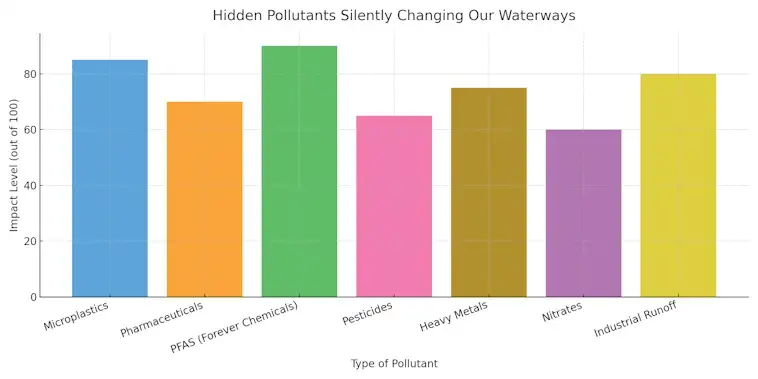
The problem is that these pollutants don’t just vanish. They build up in fish, soil, and eventually, in us. As climate change alters rainfall and water flow, the spread of these invisible toxins could accelerate. Understanding what’s in our water is the first step toward protecting it — and ourselves.
How River Health Shapes Our Ecosystems and Communities
When was the last time you thought about the health of your local river? Most of us see rivers as just part of the landscape — places to walk, fish, or maybe cool off in summer. But river health runs much deeper than that. It quietly shapes the balance of our ecosystems and the well-being of nearby communities.
Healthy rivers are like living arteries. They carry life, energy, and nutrients across entire regions. When rivers flow clean and strong, they support everything from fish and birds to farms and towns. But when they’re polluted or poorly managed, the effects ripple through nature — and right back to us.
Here’s why river health matters more than you might think:
- Biodiversity thrives — Clean, oxygen-rich water helps fish, amphibians, and plants survive. A single healthy river can support thousands of species.
- Communities depend on it — Rivers provide drinking water, irrigation for crops, and even local jobs in fishing and tourism.
- Floods and droughts stay in check — A balanced river system helps control flooding and stores water during dry spells.
- Water quality protects us — Healthy rivers naturally filter pollutants, reducing the need for costly water treatment.
- Cultural and recreational value — Rivers connect us to nature, offering spaces for relaxation, creativity, and community events.
When we protect river health, we’re really protecting ourselves. Cleaner water means safer food, stronger local economies, and more resilient ecosystems.
Looking ahead, maintaining river health isn’t just about conservation — it’s about future-proofing our environment and communities. Every effort, from reducing runoff to restoring wetlands, helps keep these lifelines flowing for generations to come.
Are We Too Late to Reverse the Damage?
Let’s be honest — our rivers are in trouble. Once teeming with life, many waterways now carry the scars of pollution, overuse, and neglect. In some places, the water barely flows clean enough to support fish, let alone serve communities downstream.
The big question is — can we still turn this around?
The short answer: yes, but time is slipping away. Over the past decade, river health has declined across the globe. Industrial waste, agricultural runoff, and untreated sewage have pushed pollution levels to new highs. And as the data shows, the trend isn’t improving fast enough.
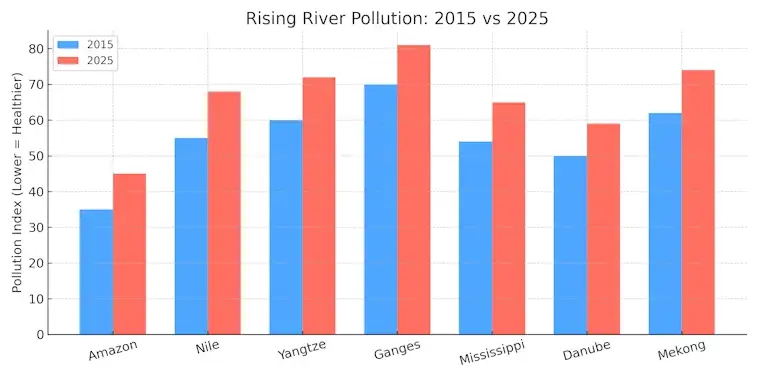
But there’s still hope. Around the world, restoration projects are proving that with focused effort, rivers can heal. Cleaner technologies, stronger policies, and local action are beginning to make a difference. The key is acting now — not tomorrow, not next year.
If we move quickly, we can still rewrite the story of our rivers — from decline to revival.
Real Actions That Can Help Restore Our Rivers’ Future
It’s easy to forget how much our lives depend on clean, flowing rivers. They give us water to drink, food to eat, and places to connect with nature. Yet, many rivers are struggling under the weight of pollution, overuse, and climate change. The good news? Change is possible—and it starts with real, everyday actions that anyone can take.
When we talk about saving rivers, it’s not just about grand government projects or high-tech fixes. It’s also about simple choices that add up over time. Every person, community, and business has a role to play in restoring the balance.
Why River Health Matters More Than Ever
Healthy rivers mean healthy communities. When a river thrives, it supports wildlife, boosts local economies, and protects us from floods and droughts. But when we neglect it, the effects ripple outward—impacting everything from drinking water to local jobs.
That’s why focusing on River Health is so critical right now. We can’t afford to wait for someone else to step in. Each of us can start small, right where we live.
Here are a few real, doable actions that make a difference:
- Cut back on single-use plastics — Most river litter starts on land. Choosing reusable bottles and bags keeps plastic out of waterways.
- Support local clean-up events — A few hours spent collecting waste can transform a stretch of riverbank and inspire others to join in.
- Plant native trees and vegetation — Trees stabilize riverbanks, filter runoff, and create shade that keeps water temperatures steady.
- Reduce chemical use at home — Fertilizers, soaps, and pesticides often wash into rivers. Switching to eco-friendly products helps reduce the flow of toxins.
- Push for policy change — Write to local representatives, support conservation groups, and vote for leaders who prioritize clean water.
Every small action sends a message: our rivers matter. When we care for them, they give back—cleaner air, richer soil, and a healthier planet for everyone.
Restoring our rivers’ future starts today, with us. One river, one choice, one community at a time.
Turning the Tide: It’s Time to Act for Our Rivers
Our rivers tell a story — one of beauty, balance, and warning. The signs of decline are no longer subtle. From shrinking fish populations to chemical runoff and warming waters, the health of our rivers is slipping faster than most realize. But here’s the good news: we still have the power to change the outcome.
Restoring river health starts with awareness, but it doesn’t end there. Support local clean-up projects, push for stronger water protection policies, and make simple everyday choices — like reducing plastic use and supporting eco-conscious brands. Every action adds up.
If we act now, we can restore our rivers before the damage becomes irreversible. Let’s not wait until the water runs dry. Join the movement for cleaner, living rivers — because a healthy river means a thriving planet.