

Is Desert Expansion Reshaping Our Future Landscape?
The Fast Growing Threat of Desert Expansion and How It Affects You
Desert expansion is pushing farther into once-stable regions, and the shift is starting to feel harder to ignore. Dry zones are spreading, soil is thinning, and communities are beginning to face choices that felt distant only a decade ago. The trend isn’t happening in isolation. It’s tied to warming temperatures, stressed water systems, and land that can no longer recover as easily as it once did.
As conditions tighten, daily life changes in subtle ways first—higher food prices, unexpected dust events, or longer gaps between rainfall. Then the bigger effects follow, reshaping where people can live and how they work. Yet there’s still room for optimism. With smarter land management, cleaner energy, and better planning, many regions can slow the shift. And more importantly, they can adapt in ways that keep future landscapes livable.
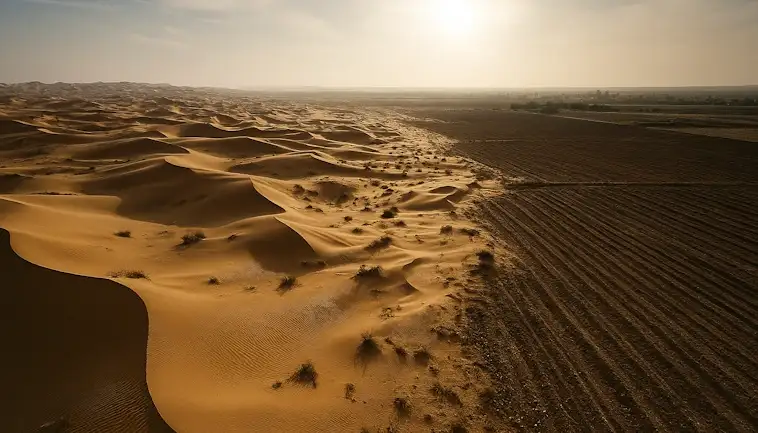
Desert Expansion and the Changing Face of Our Planet
Desert expansion is no longer a distant idea. It’s happening right now, and it’s reshaping the world in ways many of us don’t notice until the impacts reach our own communities. As temperatures rise and rainfall patterns shift, dry regions grow even drier. Meanwhile, land that once supported farms, wildlife, and people slowly turns into barren ground.
You can already see early signs across parts of Africa, Asia, and even the American Southwest. And yet, this story isn’t only about loss. It’s also about how we choose to respond. When we understand what’s happening, we can plan ahead and protect the places we care about.
Hidden Clues in the Sand
What surprises many people is that desert expansion doesn’t always look dramatic at first. It might start with thinner crops, disappearing wetlands, or more frequent dust storms. Over time, these small shifts can add up. Communities may struggle to grow food. Animals move elsewhere. And young people leave in search of better conditions.
But there’s a growing body of research exploring smarter land management, drought-tolerant crops, and ways to stop soil from blowing away. These aren’t perfect solutions. Still, they offer hope, especially when local and national leaders work together.
If you want to dive deeper into the science behind desert spread and climate patterns, you might find the overview from NASA’s Earth Observatory helpful.
Desert expansion may feel like a slow-moving threat, but it’s one we can shape with the choices we make today. With awareness, innovation, and persistence, we can keep more of our planet thriving for the generations that follow.
How Shifting Weather Patterns Accelerate a Drier World
If you’ve felt like the air is getting drier, you’re not imagining it. Around the world, shifting weather patterns are reshaping how and when rain falls. And as these patterns drift farther from what we once considered “normal,” many regions are slipping into long, stubborn dry spells.
This matters more than most people realize. Dry air doesn’t just make your skin itch—it changes how we grow food, manage forests, and protect water supplies. And as global temperatures rise, the atmosphere behaves differently. It holds more moisture, yet releases it unevenly. So some places get soaked with intense storms while others wait longer between meaningful rains.
Over time, this uneven cycle pushes entire landscapes toward chronic dryness. Rivers shrink. Soil weakens. Plants struggle. And communities that rely on steady weather patterns find themselves adapting to a world that feels a little harsher each year.
That’s why it helps to look at the bigger picture. Data from recent decades paints a clear trend: many regions are experiencing a steady decline in annual rainfall. The chart below highlights this shift and shows how rainfall can drop even in relatively short time spans.
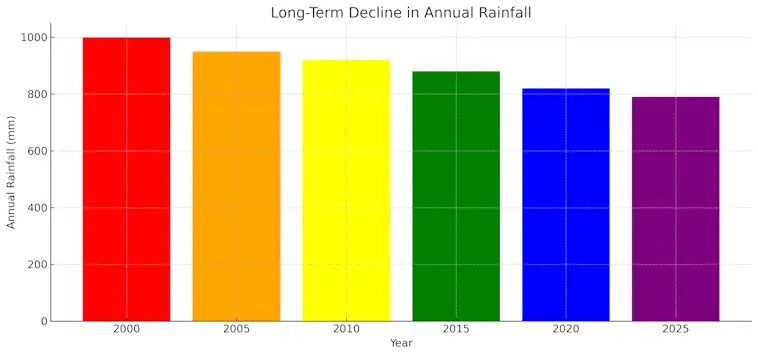
As we look ahead, understanding these changes is essential. With better insight, we can plan smarter, protect water resources, and build resilience before dryness becomes the new default.
Why Desert Expansion Is Growing Faster Than Expected
You’ve probably heard about deserts creeping outward. But the speed of desert expansion today is catching scientists – and communities – off guard.
In simple terms, desert expansion means dry areas are becoming even drier and less able to support crops, trees, or wildlife. It’s part of a wider problem called land degradation, which now affects up to 40% of the world’s land.
So, what’s pushing this faster-than-expected shift from living land to near-desert? It’s not just “nature doing its thing.” It’s a combination of human choices and a warming climate, interacting in ways that speed everything up.
Here are the main drivers of today’s rapid desert expansion:
- Hotter temperatures are drying soils faster. As the planet warms, heat waves last longer and hit harder. In many regions, rainfall is not only decreasing, it’s also becoming less predictable. Soils lose moisture more quickly, plants become stressed, and once vegetation thins, bare ground heats up even more. This feedback loop accelerates desert expansion.
- Rain is changing, not just disappearing. In some areas, total rainfall over a year may not drop dramatically. Instead, it falls in short, intense bursts, followed by long dry spells. Heavy downpours run off rather than soaking in, stripping away fertile topsoil and leaving land more vulnerable to erosion and drying out. Over time, that damaged land starts to behave more like desert.
- Overgrazing and deforestation remove nature’s shield. When too many animals feed on the same land, or when trees are cut faster than they can regrow, the ground loses its natural cover. Without roots to hold soil and plants to shade the surface, the land erodes quickly. Wind and water carry away what little fertility is left, and desert-like conditions move in.
- Unsustainable farming drains the land’s bank account. Short-term yields often win over long-term soil health. Tilling too deeply, using the wrong crops, or irrigating with salty water all weaken the land. Over time, soil structure collapses, organic matter falls, and the ground can no longer hold water. That makes it much easier for desert expansion to take hold.
- Groundwater is being used faster than it’s replaced. As surface water becomes less reliable, farmers and cities drill deeper wells. But many aquifers refill slowly. When groundwater drops, vegetation that relied on that hidden reserve starts to die back, opening the door for sand, dust, and scrubby desert plants to take over.
- Local problems are linking up into regional crises. A drying field here and a degraded pasture there might not sound like much. But when thousands of these small losses happen across a region, they join up into massive belts of degraded land. That makes dust storms worse, pushes people to move, and feeds yet more pressure on the remaining healthy land.
Despite all this, the story isn’t only negative. Around the world, communities are proving that desert expansion is not inevitable. They are restoring degraded land with agroforestry, smarter grazing, and water-harvesting techniques.
If you’d like a deeper, science-based overview of the issue, the UN Convention to Combat Desertification’s desertification overview is a solid starting point for further reading.
In the end, desert expansion is growing faster than expected because pressure on land is growing faster than our efforts to protect it. The good news is that we already know many of the solutions. The real challenge now is scaling them up quickly enough to keep our drylands – and the people who depend on them – thriving rather than turning to dust.
The Human Cost of Shrinking Green Spaces
As our cities push skyward and outward, we often lose something far more important than a bit of scenery. We lose the green pockets that help us breathe, think clearly, and feel connected to the world around us. And while it’s easy to overlook a missing tree line or a closed community garden, the impact reaches deeper into our daily lives than most people realize.
Today, many neighborhoods are finding themselves with fewer parks, fewer shaded paths, and fewer places where people can simply slow down. This shift may seem small at first. Yet it shapes our physical health, our mental resilience, and even our sense of belonging.
And as urban growth accelerates, these losses are speeding up too. When we shrink green spaces, we also shrink our opportunities for rest, movement, and social connection. It affects children who no longer have safe outdoor spaces to explore. It affects adults who rely on fresh air to clear their minds between long workdays. It even affects older residents who benefit from gentle walking areas close to home.
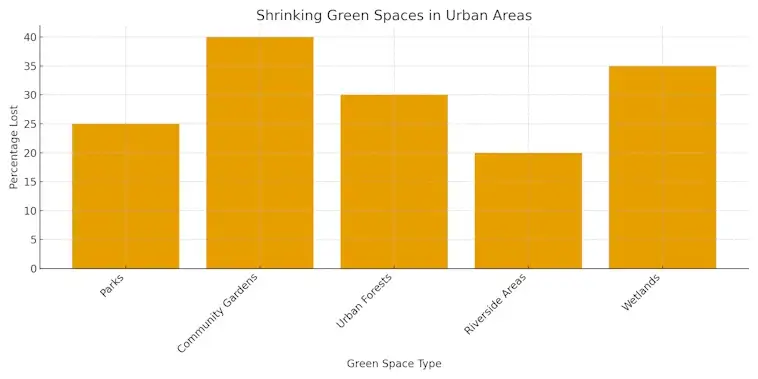
The good news is that once we talk openly about this issue, we can start pushing for change. Cities evolve all the time. With enough awareness and smart planning, we can rebuild natural spaces that people truly depend on. And step by step, we can make room again for the green that keeps us grounded.
What We Can Do Today to Protect Tomorrow’s Landscape
When you look around, it’s easy to feel like the environment is changing faster than we can keep up. But we’re not powerless. In fact, the choices we make today can shape the land our children and grandchildren will inherit. The good news? Many of these steps are simple, practical, and within reach for almost anyone.
Let’s walk through a few ways we can start making a real difference—starting right now.
How Desert Expansion Threatens Local Communities
As temperatures rise and rainfall becomes less predictable, dry regions continue to spread. This slow push of the desert line disrupts farms, stresses water supplies, and puts nearby communities at risk. However, it’s a problem we can still limit if we act early. Small changes—like cutting water waste, supporting soil-friendly farming, and protecting plants that anchor the land—help keep this issue from worsening.
What You Can Do Today
You don’t need to overhaul your life to protect tomorrow’s landscape. Start small, then build from there.
- Use water mindfully. Shorter showers. Fewer leaks. Smarter irrigation. These choices add up, especially in places facing long dry seasons.
- Support land-friendly habits. Buying from farms that protect soil, choosing products with lower environmental footprints, and reducing food waste all help keep landscapes healthier.
- Plant with purpose. Native plants support local wildlife and require less water. Even a small garden or shared community space can strengthen local ecosystems.
- Stay informed and involved. Many organizations offer tools and advice for sustainable living. For example, the Natural Resources Defense Council provides easy guides you can follow.
A Shared Future
Protecting the landscape isn’t just about saving nature. It’s about safeguarding the places where we live, work, and dream. And while the challenges can feel big, progress starts with steady, everyday actions. When more of us take those steps—no matter how small—we shape a future that feels more hopeful, more balanced, and far more resilient.
It all begins with what we choose to do today.
Looking Ahead: Why Understanding Desert Expansion Matters
As we wrap up, it’s clear that desert expansion isn’t some distant environmental shift. It’s happening right now, and it’s touching everything from our food systems to the places we call home. Yet there’s power in knowing what’s changing. When we understand the forces behind expanding drylands, we’re better prepared to adapt, protect vulnerable communities, and shape smarter policies.
Moving forward, paying attention to how desert regions grow—and why—helps us make choices that support long-term resilience. It also sparks new ideas for greener technology, sustainable land use, and even redesigned cities. So while the challenges are real, so are the opportunities. By staying informed and involved, we can help guide how our future landscape evolves rather than simply reacting to it.