

Navigating the New Normal of Extreme Weather Events
Navigating the New Normal of Extreme Weather Events
Sudden downpours. Violent winds. Record-breaking heat one week, flash floods the next. Weather is becoming more unpredictable—and more intense. What used to be considered “once-in-a-century” storms now seem to show up every season.
Communities are grappling with the growing reality that these extreme events aren’t rare anymore—they’re the new normal. And as climate patterns shift, so does the way we prepare for and respond to them.
Understanding these changes is more than a science concern—it’s essential for everyday life. From insurance premiums to power outages to the future of farming, extreme weather touches everything.
Staying ahead means rethinking how we build, plan, and adapt. The world is shifting, and preparedness is becoming as crucial as prediction.

Why Extreme Weather Is Becoming More Common
Weather used to feel a bit more predictable. Summers were hot, winters were cold, and storms followed the seasons. But today, the weather seems to be changing in ways we can’t ignore—more intense storms, longer droughts, unexpected floods, and record-breaking heatwaves. So, what’s driving all of this?
Let’s take a closer look at the climate patterns fueling these extreme events.
The Climate Connection
At the heart of it all is climate change. As global temperatures rise, our planet’s weather systems are becoming more unstable. Here’s how:
- Warmer oceans supercharge storms: Hurricanes and cyclones draw energy from warm ocean waters. As sea surface temperatures climb, storms grow stronger and wetter. That’s why we’re seeing more category 4 and 5 hurricanes than ever before.
- Hotter air holds more moisture: For every 1°C rise in temperature, the atmosphere can hold about 7% more water vapor. This means heavier rainfall and flash flooding when storms hit—especially in places that aren’t used to it.
- Jet stream shifts cause weather to linger: The jet stream, a high-speed air current that helps steer weather systems, is being disrupted by warming in the Arctic. A slower, wavier jet stream means extreme weather can stick around longer—like heatwaves that drag on for days or weeks.
- Dry places are getting drier: Rising temperatures also increase evaporation. In already dry regions, this leads to deeper droughts, more wildfires, and long-term water shortages.
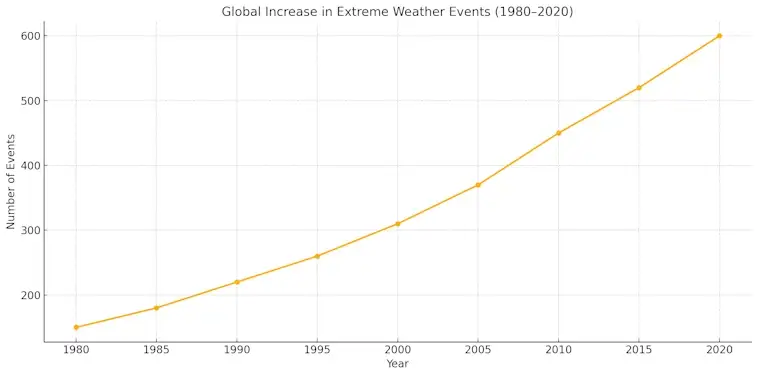
It’s Not Just a Blip—It’s a Pattern
These aren’t one-off events. Scientists say the fingerprints of climate change are all over today’s extreme weather. And the trend is clear: stronger, longer, and more frequent storms and heatwaves are likely to keep increasing unless we curb greenhouse gas emissions.
Understanding the link between climate change and extreme weather is the first step. It helps us prepare better, build smarter infrastructure, and push for policies that protect people and the planet. We can’t control the weather—but we can influence what’s driving it.
How Intense Storms Are Impacting Everyday Life
Extreme storms aren’t just dramatic headlines—they’re disrupting the rhythm of daily life in ways that are becoming hard to ignore. What once felt like rare weather events are now common enough to cause real, lasting stress. And whether it’s a sudden power outage or an unexpected detour at the airport, the ripple effects of stronger storms are reaching into homes, communities, and wallets.
Let’s explore how these increasingly intense weather events are changing everyday life for millions of people.
Travel Delays and Cancellations Are Becoming the Norm
Storms are throwing a wrench into travel plans more often than ever:
- Flight cancellations spike during hurricanes, snowstorms, and even heavy rain events.
- Roads and railways are being shut down by floods, fallen trees, and storm debris.
- Emergency evacuations are more common, causing traffic gridlock and logistical headaches.
Whether it’s a holiday or a daily commute, storms are making it harder to get where you need to go.
Power Outages Disrupt Work, School, and Safety
As storms get stronger, the number of power outages is rising:
- Fallen power lines during windstorms or icy weather can leave entire neighborhoods in the dark.
- Extended outages can impact heating, cooling, internet access, and even healthcare.
- Remote workers and students often find themselves unable to work or attend virtual classes.
This isn’t just inconvenient—it can be dangerous, especially for the elderly, people with medical needs, or families with young children.
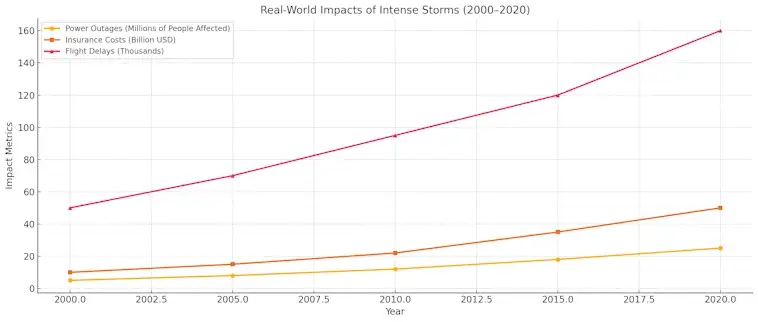
Insurance Costs Are Rising—and So Are Repair Bills
Storm damage is expensive, and insurance companies are feeling the pressure:
- Premiums are going up in storm-prone areas, making home and auto insurance harder to afford.
- Deductibles are higher, meaning people pay more out of pocket when disaster strikes.
- Some insurers are pulling out of high-risk regions entirely, leaving homeowners with fewer options.
Even minor damage from wind or water can lead to costly repairs and long wait times for service.
Everyday Life Feels Less Predictable
From school closures to supply chain delays, intense storms create a sense of instability. Families are learning to prepare emergency kits. Businesses are rethinking operations. And local governments are investing more in resilience planning.
The message is clear: we can no longer treat extreme weather as an occasional inconvenience. It’s becoming part of daily life—and the systems we rely on need to adapt. Whether it’s smarter infrastructure, updated insurance policies, or better emergency planning, change is already underway.
What Communities Can Do to Prepare for Severe Weather
Severe weather is no longer a rare event—it’s becoming a regular part of life. But while storms are growing stronger, so is our ability to prepare for them. Across the world, communities are taking smart, practical steps to protect people, homes, and infrastructure.
So what does resilience look like in action? Let’s explore how cities and neighborhoods are adapting to a more unpredictable climate.
Investing in Smarter Infrastructure
One of the most effective ways to reduce storm damage is by upgrading infrastructure:
- Stormwater systems are being redesigned to handle heavier rainfall and prevent flash floods.
- Underground power lines are replacing exposed wires in some areas to reduce outages during high winds.
- Flood barriers and sea walls are being built or reinforced in coastal communities.
These upgrades may not grab headlines, but they play a critical role in keeping cities running during and after extreme weather.
Building Stronger Homes and Safer Spaces
Communities are also making changes at the neighborhood level:
- Updated building codes require homes to withstand higher winds and heavier snow loads.
- Green roofs and rain gardens help absorb stormwater and reduce runoff.
- Community centers and schools are being outfitted to double as emergency shelters.
These local improvements can mean the difference between a quick recovery and long-term hardship.
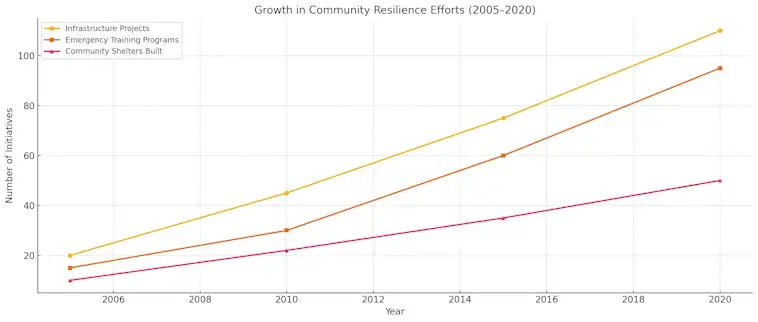
Boosting Emergency Preparedness
Preparedness is key when storms strike. Many communities are:
- Running emergency drills and providing public training on how to respond to different types of severe weather.
- Using alert systems and mobile apps to keep residents informed in real time.
- Creating neighborhood response teams that check on vulnerable residents and coordinate local support.
The more prepared people are, the less likely they are to be caught off guard.
Strengthening Social Connections
Believe it or not, one of the best defenses against disaster is a strong community:
- Neighbors who know each other are more likely to offer help during power outages or evacuations.
- Local organizations and churches often provide quick support when official aid is delayed.
- Community-led projects like tool libraries or shared emergency supplies make it easier for everyone to prepare.
Resilience isn’t just about physical infrastructure—it’s about people, too.
Preparing for severe weather isn’t just about bracing for the next big storm. It’s about building a future where communities are stronger, safer, and better connected. From city planners to everyday residents, everyone has a role to play.
The Role of Climate Change in Supercharged Storms
Storms today don’t just feel more intense—they are. Across the globe, scientists and weather experts are seeing the same pattern: extreme weather is becoming more frequent, more destructive, and harder to predict. But why is this happening?
To understand the rise of supercharged storms, we need to look at one of the biggest drivers of change—climate change.
Warmer Temperatures, Stronger Storms
Global warming is making the Earth hotter—and that heat is fueling stronger storms:
- Warmer oceans act like storm fuel: Hurricanes and typhoons draw their power from warm water. As ocean temperatures rise, storms gain more energy, making them faster, wetter, and more intense.
- Hot air holds more moisture: A warmer atmosphere can carry more water vapor, which means heavier rainfall when storms hit. That leads to more frequent flash floods and longer downpours.
In short, climate change is turning up the volume on storm systems.
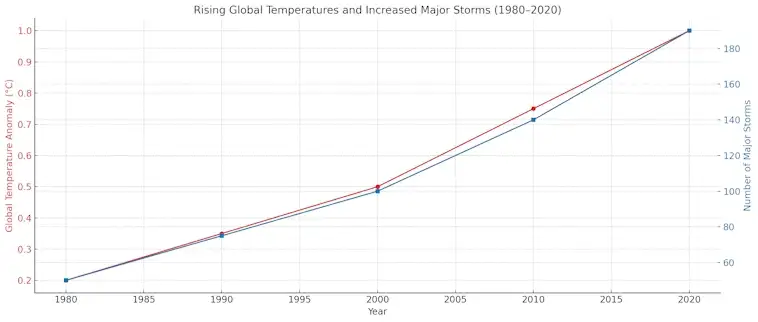
Changing Wind Patterns and Jet Streams
Climate change isn’t just about heat—it’s also shifting how weather systems move:
- The jet stream is slowing down: Normally, the jet stream helps move storms along. But as the Arctic warms faster than the rest of the planet, the jet stream weakens and wobbles. This causes storms to stall over one area, dumping more rain or snow than usual.
- Storms are reaching places they didn’t before: Warmer conditions are expanding the zones where storms can form and travel, putting new regions at risk of severe weather.
These shifts make storms harder to predict and prepare for—especially in places that haven’t seen them historically.
More Fuel for Wild Weather
Climate change creates the perfect conditions for all kinds of extreme weather:
- Heatwaves are lasting longer and setting new temperature records.
- Winter storms are becoming more erratic, bringing both unexpected cold snaps and sudden thaws.
- Thunderstorms and tornados are forming under new, less predictable conditions.
The link is clear: as our climate changes, our weather does too—becoming more extreme, more frequent, and more damaging.
We’re already living with the consequences of a warming planet. But the good news is that understanding the role of climate change in supercharged storms helps us respond more effectively. With better data, improved forecasts, and smarter planning, we can reduce the risks and protect our communities.
Staying Safe in the Age of Unpredictable Storms
Extreme weather is no longer just a future concern—it’s a present-day challenge. With storms becoming more unpredictable and intense, safety has taken on a new level of urgency. Whether you’re a parent, a homeowner, or a small business owner, knowing how to prepare can make all the difference.
The good news? You don’t need to be a survival expert. Simple, smart strategies can protect your family, your property, and your livelihood. In this section, we’ll break down easy, life-saving steps anyone can take.
Safety Tips for Families
When a storm hits, families need to act fast—and stay calm. Preparation is key:
- Create an emergency kit with essentials like water, non-perishable food, flashlights, batteries, medications, and important documents.
- Have a family plan that covers where to meet, how to communicate, and what to do if you’re separated.
- Know your local alerts by signing up for weather notifications on your phone or through local emergency services.
Being ready means being safer—especially if you have kids, elderly relatives, or pets.
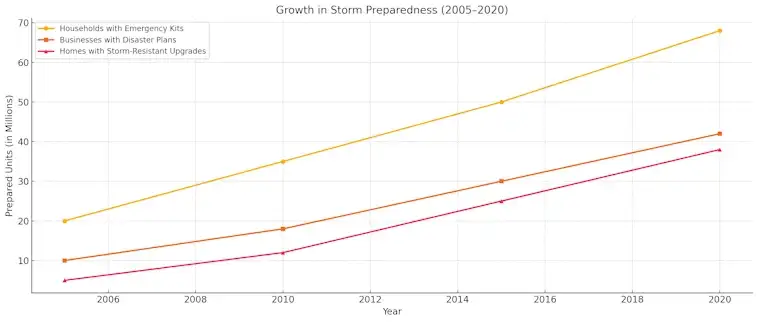
Storm-Proofing Your Home
Your home is your biggest investment, so protecting it from severe weather is critical:
- Inspect your roof and gutters regularly to prevent leaks and water damage during heavy rain.
- Trim trees and remove debris from your yard to reduce wind hazards.
- Install storm shutters or impact-resistant windows if you live in a high-risk area.
Small upgrades now can save you thousands in repairs later—and help keep your family safe during a storm.
What Business Owners Can Do
For business owners, preparation means protecting people and keeping operations running:
- Create a disaster response plan that outlines how to secure your location, protect inventory, and communicate with employees and customers.
- Back up important data to the cloud so it’s safe even if your hardware isn’t.
- Review your insurance coverage to make sure you’re protected against flood or storm damage.
A solid plan can help you reopen quickly and minimize financial loss after a major weather event.
No one can predict exactly when or where the next big storm will strike. But with a little planning, you can reduce risk, stay calm, and bounce back faster. Preparedness doesn’t just protect your home or business—it gives you peace of mind.
Facing the Storms Ahead—Together
Extreme weather is no longer the exception—it’s the new normal. From supercharged storms to unexpected power outages and rising insurance costs, the impact of climate change is being felt in daily life around the world. But while the challenges are real, so are the solutions.
By understanding the science behind these storms, staying informed, and preparing at home and in our communities, we can reduce risk and respond more effectively. Small steps—like creating emergency plans, investing in resilient infrastructure, and supporting smarter policies—can have a powerful impact.
Everyone has a role to play. Whether you’re a parent looking to protect your family, a business owner safeguarding your operations, or a city planner building for the future, the actions taken today will shape how well we weather tomorrow.
Staying safe in the age of extreme weather isn’t about fear—it’s about readiness, resilience, and working together. Because when storms hit, the strength of our response can be just as powerful as the forces we face.