

Ingested Plastics: What’s Really Getting Into Your Body
Ingested Plastics: What Science Reveals About the Plastics Entering Your Body
Plastics are no longer just a waste problem. They are showing up inside the human body. Ingested plastics have been found in food, water, and even the air. Over time, tiny plastic particles can be swallowed without notice. This quiet exposure is raising serious questions about what is really getting into your body each day.
Food is a major source. Plastic packaging, takeout containers, and even kitchen tools can shed small particles. Seafood, salt, bottled water, and processed foods often carry microplastics. As a result, eating has become one of the most common ways plastics enter the body.
Drinking water adds to the risk. Both bottled and tap water can contain plastic fragments. Heat, storage time, and filtration methods all play a role. Even careful choices do not fully remove exposure, which makes the issue harder to avoid.
Scientists are now working to understand what this means for long-term health. Early research suggests possible links to inflammation, hormone disruption, and stress on the immune system. While many questions remain, awareness is growing. As research advances and materials change, everyday habits may become a powerful way to reduce future exposure and protect long-term well-being.
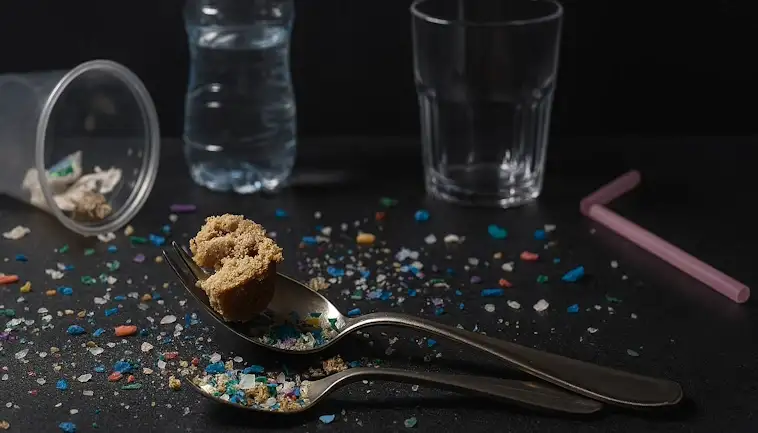
Ingested Plastics: How They Enter Your Food and Water
Plastics are no longer just a litter problem. They are now part of what we eat and drink. Ingested plastics are turning up in water, food, and even the air around us. This may sound alarming. Yet for many people, it is already a daily reality.
So how do ingested plastics actually enter your body? The answer is simpler than most expect. They move through everyday systems that touch your life. Step by step. Often without being seen.
First, consider water. Tiny plastic particles break off from larger items as they age. Bottles, pipes, and packaging all shed fragments over time. These fragments flow into rivers and oceans. From there, they can return to us through tap water and bottled water alike. Even advanced treatment systems do not catch everything.
Food is another major pathway. Fish and shellfish often mistake plastic particles for food. When you eat seafood, those particles can move into your body. But it does not stop there. Fruits, vegetables, and grains can also carry plastics. This happens when soil, irrigation water, or fertilizers contain plastic residues.
Packaged food adds another layer. Heat, friction, and time can cause plastic containers to release particles. Ready meals, takeaway food, and even tea bags can be sources of ingested plastics. The more processed the food, the higher the risk tends to be.
A Hidden Path You Might Not Expect
There is also an overlooked route. Airborne plastic particles settle on food while it is prepared or stored. Over time, these particles become part of what you consume. This makes ingested plastics not just an environmental issue, but a household one too.
Looking ahead, awareness is growing. Researchers are studying how ingested plastics affect the body over time. At the same time, new materials and better filtration systems are being developed. These innovations could reduce exposure in the future.
For now, small changes can help. Drinking filtered water. Reducing plastic packaging. Choosing fresh foods when possible. These steps will not remove ingested plastics completely. However, they can lower daily exposure.
The key takeaway is clear. Ingested plastics do not arrive by accident. They follow predictable paths through food and water systems. By understanding those paths, you are better equipped to make informed choices today and support smarter solutions for tomorrow.
The Everyday Sources of Plastic You May Be Swallowing Without Knowing
Plastic is no longer just a waste problem. It has quietly entered our daily diets.
Most of it comes in the form of microplastics. These are tiny pieces that break off from larger plastic items. They are small enough to be eaten without notice.
So where does this happen?
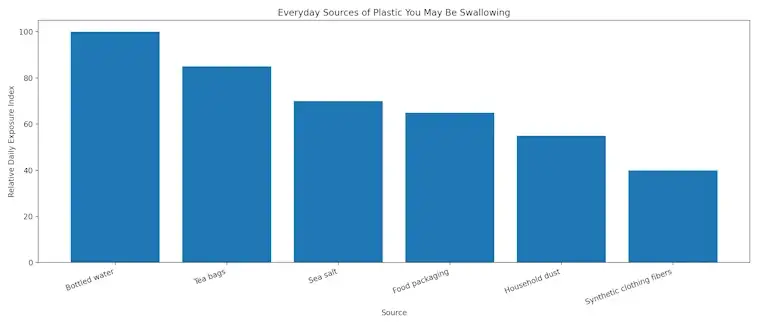
First, bottled water is a major source. Studies show it can contain far more plastic particles than tap water. Each sip adds up over time.
Next, consider tea bags. Many popular brands use plastic-based mesh. When steeped in hot water, they can release millions of microscopic plastic pieces into a single cup.
Food packaging also plays a role. Plastic containers, wrappers, and even takeout boxes can shed particles, especially when heated.
Then there is household dust. Plastic fibers from carpets, furniture, and clothes settle on food and surfaces. We breathe some in, and swallow some too.
Even sea salt is not immune. Plastic pollution in oceans has made its way into products we use every day.
While the long-term health effects are still being studied, the trend is clear. Exposure is rising. Awareness matters more than ever.
The chart below shows the most common everyday sources, using a simple relative index to compare potential exposure levels.
The good news is that small choices can reduce risk. Filtered tap water. Loose-leaf tea. Less plastic packaging. These steps may seem minor. Yet together, they can make a real difference as we look toward a cleaner, smarter future.
Ingested Plastics and the Hidden Impact on Your Digestive System
Plastics are no longer just around us. They are now inside us. Every day, we unknowingly consume tiny plastic particles through food, water, and even the air we breathe. These particles are known as ingested plastics, and scientists are only beginning to understand what they mean for our digestive health.
At first glance, this may sound alarming. However, awareness is the first step forward. As research grows, clearer patterns are starting to emerge. What we eat, how food is packaged, and even how it is prepared can increase our exposure. Over time, these small exposures can add up inside the digestive system.
So, what actually happens after ingested plastics enter the body? While studies are ongoing, experts have already identified several potential effects worth paying attention to.
Here are some ways ingested plastics may impact your digestive system:
- Can irritate the gut lining, which may affect digestion
- May disrupt the balance of healthy gut bacteria
- Can carry harmful chemicals into the digestive tract
- May interfere with nutrient absorption over time
- Could contribute to inflammation in the stomach or intestines
Meanwhile, researchers are exploring how long ingested plastics stay in the body and whether they can move beyond the gut. Early findings suggest that smaller particles may pass through tissue barriers, raising new questions about long-term exposure.
The good news is that small changes can make a difference. Choosing fresh foods, reducing plastic packaging, and using glass or metal containers can lower daily intake. Looking ahead, better materials and smarter regulations may further reduce risks. Until then, staying informed helps you protect your digestive health, one choice at a time.
Why Microplastics Are Turning Up in More Foods Than Ever Before
Microplastics are no longer just an ocean problem. Today, they are showing up on our plates. And the list of affected foods keeps growing.
So, what is driving this change?
First, plastic use has surged. Packaging, bottles, and food containers are everywhere. Over time, these plastics break down into tiny pieces. They are often too small to see, but easy to ingest.
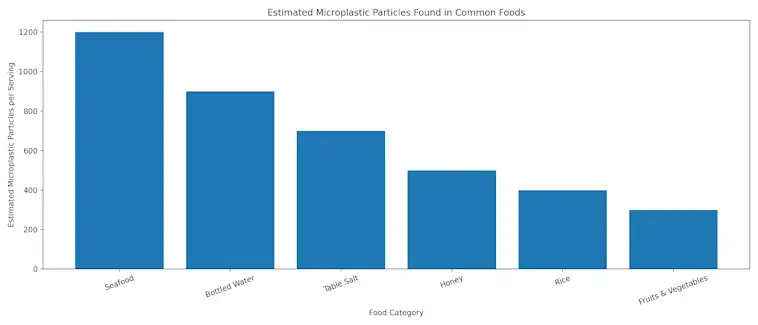
Next, pollution moves fast. Microplastics travel through air, water, and soil. Crops absorb them from contaminated farmland. Fish take them in from polluted seas. Even salt and honey are not immune.
At the same time, food testing has improved. Scientists now have better tools. As a result, they are finding microplastics in places once thought to be safe. This does not mean the problem is new. It means we are finally seeing it clearly.
Bottled water is a strong example. It often contains more microplastics than tap water. Seafood is another hotspot, since plastic waste breaks down directly in marine environments. Still, plant-based foods are also affected, mainly through soil and irrigation water.
Looking ahead, this trend may continue. Plastic production is expected to rise. Unless waste systems improve, more particles will enter the food chain. However, there is reason for hope. Awareness is growing. Research is expanding. And smarter packaging is gaining ground.
Understanding where microplastics appear is the first step. From there, better choices become possible.
What Scientists Know So Far and What It Could Mean for Your Health
Plastic is everywhere. It wraps our food. It lines our clothes. It even floats in the air we breathe. Because of this, scientists have started asking a simple but serious question. What does all this plastic mean for our health?
Over the last decade, research has grown fast. New tools now allow scientists to detect tiny plastic particles in places they never expected. These include drinking water, seafood, table salt, and even human blood. While the science is still evolving, the findings so far are enough to raise concern.
Most of the focus is on microplastics and nanoplastics. These are plastic pieces smaller than a grain of rice. Some are far smaller than a human hair. Because of their size, they can move through the body in ways larger particles cannot. This is where health questions begin.
Ingested Plastics and What Happens Inside the Body
When ingested plastics enter the body, several things may happen. Some particles may pass through without issue. Others may linger. Early studies suggest that certain plastics can cause inflammation. Some may carry harmful chemicals or attract bacteria.
Researchers are also studying whether these particles can cross important barriers in the body. This includes the gut lining and, possibly, the placenta. These findings are still being tested. However, they point to risks that deserve attention, especially with long-term exposure.
What does this mean for you right now? Scientists agree on one thing. More research is needed. At the same time, many experts recommend reducing plastic exposure where possible. Simple steps can help. Using glass or metal containers. Avoiding heating food in plastic. Drinking filtered water.
Global health organizations are watching closely. The World Health Organization has reviewed evidence and continues to track new studies as they emerge. You can read more on microplastics and health here.
The science is not finished. But the direction is clear. Plastic exposure is real. Research is accelerating. And what we learn next could shape future health advice, product design, and public policy. Staying informed today helps you make smarter choices tomorrow.
The Bottom Line on Ingested Plastics
Ingested plastics are no longer a distant environmental issue. They are part of everyday life, and enter our bodies through food, water, and even the air we breathe. Over time, these tiny particles can build up. And while scientists are still learning about the full impact, the early signals are clear enough to warrant attention.
That said, awareness is a powerful first step. When you understand how ingested plastics get into your body, you can start to reduce exposure. Small changes matter. Choosing fresh foods more often helps. Cutting back on plastic packaging helps too. So does using reusable bottles and containers.
At the same time, the story does not end with individual choices. Research is accelerating. New materials are being developed. Policies are slowly catching up. In the future, we may see safer packaging and cleaner systems that limit plastic from the start.
For now, staying informed puts you ahead. It allows you to make smarter decisions for your health and for the planet. Ingested plastics may be invisible, but their presence is real. By paying attention today, you help shape a healthier tomorrow.