
Icy Wilderness: Hypnotic Echoes of a Fragile Destiny
Icy Wilderness: Exploring the Beauty and Breaking Point of Earth’s Coldest Realms
The icy wilderness feels both timeless and fragile, holding stories written in frost and carried by the wind. Its silence can be hypnotic, yet every frozen ridge hints at a future shaped by rising temperatures and shifting seasons. As conditions change, these remote places reveal subtle signs that something deeper is unfolding.
More people are beginning to pay attention to how these cold regions act as early warning signals. Their rapid transformations raise questions about what might come next for ecosystems, weather patterns, and daily life far beyond the poles. Understanding these shifts helps us see how closely our own fate is tied to environments that seem distant but matter more than ever.
What You’ll Discover
Icy Wilderness and the Shifting Balance of Our Planet
How Frozen Landscapes Reveal the Pulse of Climate Change
Icy Wilderness at Risk: What Melting Frontiers Mean for Us
The Hidden Forces Reshaping Earth’s Coldest Realms
Why Protecting Polar Regions Matters More Than Ever
Icy Wilderness and the Shifting Balance of Our Planet
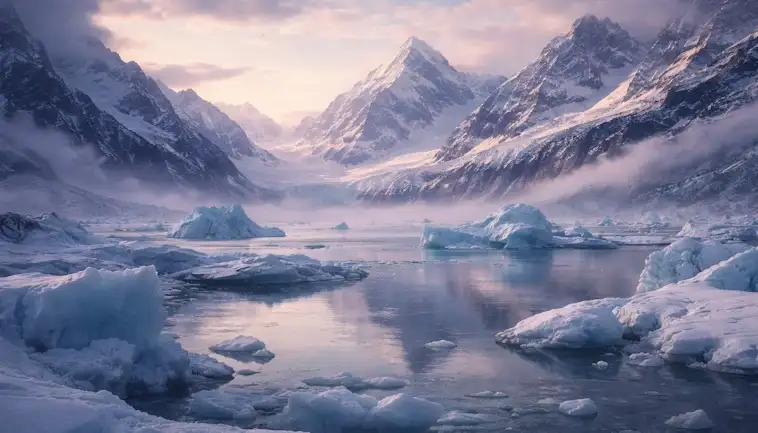
The icy wilderness has always felt like one of Earth’s great anchors. It seems still. Untouched. Eternal. Yet it’s also where some of the fastest changes on our planet are unfolding right now. As temperatures rise, the frozen edges of our world are slipping into motion. And as they do, they reshape everything from sea levels to weather patterns.
This matters more than many people realize. Because when the icy wilderness shifts, the whole planet follows. These frozen regions act as giant mirrors that bounce sunlight back into space. They help regulate global temperatures. Plus they store vast amounts of freshwater. And they influence the jet stream and even the stability of coastlines thousands of miles away.
But today, that balance is changing. Glaciers are thinning. Sea ice is shrinking. Permafrost is warming. And while the pace might feel slow from a distance, the impact is becoming impossible to ignore.
A Fragile Edge Holds Big Consequences
When ice melts, it doesn’t just disappear. It sets off a chain reaction. For example, darker ocean water absorbs more heat than bright ice. So, as ice retreats, warming speeds up. This feedback loop is one reason scientists track polar regions so closely. They can serve as early warning signals for broader climate disruptions.
Yet there is also room for hope. Researchers, local communities, and global coalitions are working together to better understand these icy systems and protect what we can. New technologies, from satellite mapping to autonomous sensors, give us clearer insights into how the landscape is shifting. And with better insight comes better action.
As we look ahead, the future of the icy wilderness isn’t just a story about melting ice. It’s a story about how we respond. Also, it’s about recognizing that these remote regions are deeply connected to our daily lives. And it’s about choosing a path that keeps our planet in balance for generations to come.
How Frozen Landscapes Reveal the Pulse of Climate Change
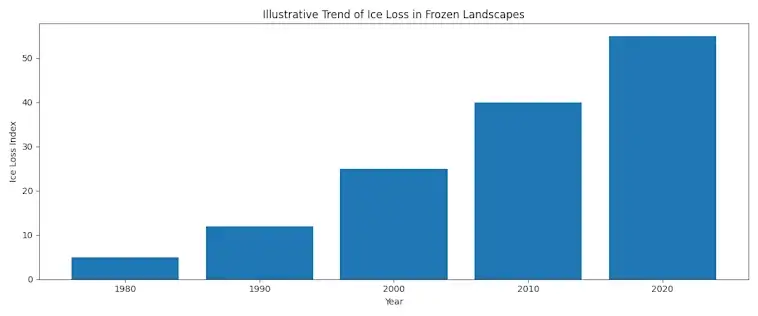
When you look at a frozen landscape, it can seem calm and unchanging. Yet these icy regions are some of the most responsive parts of our planet. They react quickly to rising temperatures. And they also send early signals about bigger changes ahead. That’s why scientists often call them the “pulse” of climate change. And honestly, once you see what’s happening, it becomes clear why they matter so much.
Today, glaciers, sea ice, and frozen ground are shifting at a pace that would have seemed impossible a generation ago. This movement doesn’t happen quietly. It affects everything from sea levels to local communities, and ecosystems. And it influences weather patterns that reach far beyond the poles.
As the ice retreats, we get a clearer picture of the planet’s overall health. These frozen areas work a bit like nature’s thermometer. When they shrink, it tells us the world is warming faster than expected. And because the changes unfold so visibly, they help us understand what’s coming next.
At the same time, new research tools are giving us better insight than ever. Satellites, drones, and sensors help scientists track even the smallest shifts. With each new discovery, we learn more about how the frozen world connects to our daily lives. This knowledge offers hope. It gives us a chance to act earlier—and smarter.
Below is a chart that demontrates the trend of increasing ice loss over time.
Icy Wilderness at Risk: What Melting Frontiers Mean for Us
The icy wilderness has always felt distant. Yet today, it’s closer to our daily lives than we might think. As temperatures rise, glaciers retreat and sea ice thins. These frozen frontiers are changing fast. And because our climate is an interconnected system, their loss will ripple through the world we all share.
Let’s start with what’s happening. The poles are warming at more than twice the global average. That means ice that took centuries to form can melt in a single warm season. It’s a quiet shift. But it’s also a huge one. And as the icy wilderness shrinks, so does our planet’s natural cooling system.
This matters for everyone, not just for scientists or explorers. When ice disappears, weather shifts. Coastal cities face higher risk. Oceans rise and ecosystems reshuffle. These changes can feel overwhelming, but understanding them is the first step toward action.
Here’s what the shrinking icy wilderness means for us right now:
- Rising seas that threaten homes and infrastructure
- Stronger storms due to warmer oceans
- Disrupted fisheries and food supplies
- Loss of wildlife that depends on stable ice
- Faster warming as reflective ice turns into heat-absorbing water
Even so, we’re not powerless. New clean-energy innovations are gaining ground. Communities are adapting. And global awareness is growing. When we pay attention to the icy wilderness, we’re really paying attention to our own future.
As we look ahead, the question becomes simple: How will we respond? The choices we make today will determine whether these frozen places remain part of our world or fade into memory. Let’s choose a path that keeps them alive—and keeps our planet stable for generations to come.
The Hidden Forces Reshaping Earth’s Coldest Realms
Earth’s coldest regions once felt stable. But today, they’re shifting fast. These changes may seem far away, yet they influence our weather, our coasts, and even our food supply. So it’s worth taking a closer look at the hidden forces driving this transformation.
Warming temperatures are the biggest driver. They melt glaciers, thin sea ice, and weaken permafrost. Each loss sets off a chain reaction. And because these icy systems help regulate the planet’s temperature, their decline affects all of us.
As you explore the data, you’ll notice a clear pattern. Ice is disappearing at a pace we’ve never seen before. That’s why scientists are tracking these shifts so closely. They want us to understand the risks—and the opportunities to act.
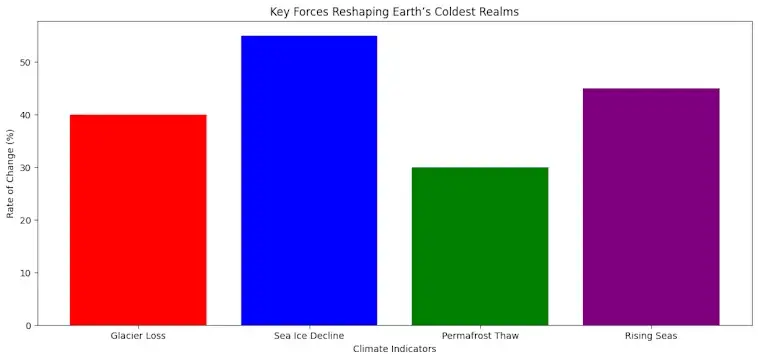
This chart highlights four major indicators: glacier loss, sea ice decline, permafrost thaw, and rising seas. Each tells a part of the story. Together, they reveal how quickly the coldest parts of our planet are being reshaped.
Even so, there’s room for optimism. Innovation in clean energy is accelerating. Communities are adapting with fresh ideas. And public awareness is growing. When we understand the forces at work, we’re better prepared to respond—and to protect what remains.
Why Protecting Polar Regions Matters More Than Ever
The poles may feel far away from daily life. Yet the changes unfolding there are shaping the world we all share. As temperatures rise, these frozen frontiers shift faster than many scientists expected. And while the scale can feel overwhelming, understanding what’s at stake helps us see why our choices today matter so much for tomorrow.
The story begins with two remarkable places: Antarctica and the Arctic. These vast, frozen ecosystems regulate Earth’s climate. They store ancient ice, reflect sunlight, and act as natural cooling systems. When they melt, sea levels rise. Weather patterns change. Wildlife loses habitat. And communities—many thousands of miles away—feel the ripple effects.
Even so, there is hope. Scientists, policymakers, and global citizens are working together to slow the damage. Small shifts in how we live, vote, and consume energy can help protect these fragile environments. And as awareness grows, so does the momentum for stronger action.
Exploring the Icy Wilderness and What’s at Stake
When we picture the poles, we often imagine endless white landscapes. Yet these regions are rich with life. Polar bears, penguins, whales, and unique plant species rely on stable ice conditions. However, that stability is disappearing. As ice thins or vanishes, ecosystems break down. Migration patterns shift. And once-reliable food sources become scarce.
Moreover, the poles act as early warning systems. When something changes there, it often signals bigger shifts ahead. That’s why scientists track ice data so closely. The faster we understand what’s happening, the better chance we have to slow the trend.
To dive deeper into current ice trends, you can explore this helpful resource from the National Snow and Ice Data Center.
By paying attention now—and staying engaged—we help ensure that these extraordinary regions continue to thrive. And in turn, we protect a more stable future for everyone.
Conclusion: Why the Icy Wilderness Still Calls to Us
The icy wilderness is more than a remote landscape. It is a mirror reflecting the choices we make today and the future we’re shaping together. As we learn more about how fragile these frozen places have become, we also see how deeply connected they are to our own wellbeing. Their melting signals change in our climate, our oceans, and even our food systems.
Yet there’s also a quiet power in paying attention. When we stay informed, we stay engaged. And when we stay engaged, we help build momentum for smarter policies, cleaner energy, and stronger global cooperation. Each step counts. Each voice matters.
So as you reflect on these hypnotic echoes from the world’s coldest edges, remember this: protecting the icy wilderness isn’t only about saving distant ice. It’s about safeguarding a future where balance, beauty, and possibility still have room to thrive.