

Ice Storm Dangers Exposed: What Most People Overlook
Ice Storm Dangers Exposed: What Most People Overlook
An ice storm may look beautiful at first glance, but they bring hidden dangers that many people underestimate. When rain freezes on contact, roads turn into slick traps, tree limbs snap under the weight, and power outages spread quickly. Beyond the obvious hazards, these storms create risks that can threaten health, safety, and even financial stability.
Understanding what really happens during an ice storm can make the difference between being caught off guard and being prepared. From the strain on emergency services to the long-term damage left behind, the impact often lasts long after the ice has melted.
Ice Storm Threats That Put Your Safety at Risk
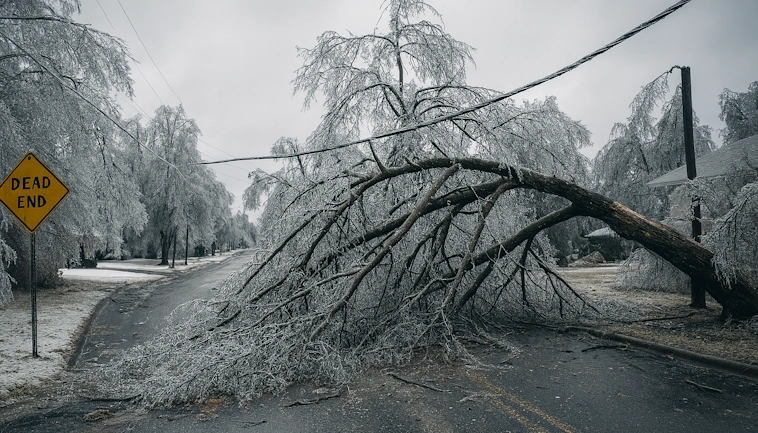
An ice storm is more than just a winter inconvenience. They create dangerous conditions that can impact your safety at home, on the road, and even in your own yard. The combination of freezing rain and thick layers of ice makes these storms especially destructive.
Driving is one of the first risks. Roads coated in ice turn every trip into a gamble. Even a short drive to the store can end in a spin-out or collision. Walking is just as hazardous. Ice-covered sidewalks and steps can cause falls that lead to serious injuries.
Hidden Dangers Lurking Outside Your Door
Beyond slips and car accidents, ice storms can bring down power lines and heavy tree branches. When the power goes out, families face bitter cold without reliable heat. That’s when frozen pipes, spoiled food, and unsafe backup heating methods become real threats.
Ice storms can also isolate communities. With blocked roads and emergency crews stretched thin, help may not arrive quickly. That’s why staying alert and preparing before the storm hits is so important.
Why Slippery Roads Create More Accidents Than You Realize
Ice storms don’t just look dangerous—they actually are. When freezing rain coats the roads, even the best tires and brakes lose their grip. A short drive to the store can suddenly turn into a high–risk situation.
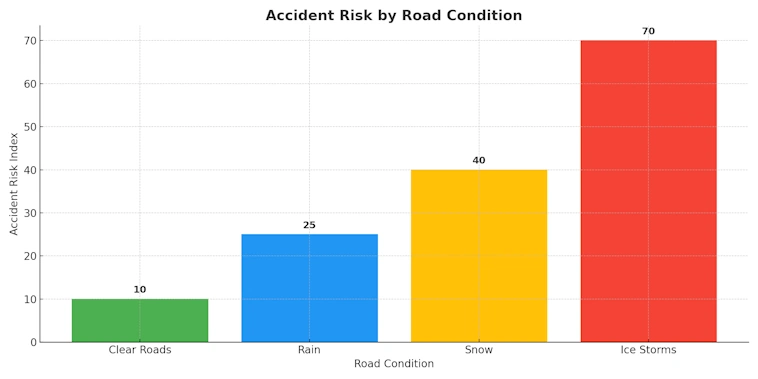
Most people think snowy conditions are the main problem, but ice is far more treacherous. Unlike snow, you often can’t see the danger. Black ice blends in with the pavement, giving drivers a false sense of security. That’s why accident numbers jump much higher during ice storms than during rain or even snow.
Ice Storm Damage to Homes and Power Lines Explained
An ice storm can look beautiful, but they’re also dangerous and costly. When freezing rain coats everything in a thick layer of ice, the weight can cause serious damage. Homes, trees, and especially power lines are some of the first things to be hit. If you’ve ever woken up after an ice storm to find broken branches or a dark house, you know how disruptive it can be.
The problem isn’t just the ice itself, but how heavy it becomes as it builds up. A single half-inch of ice can add hundreds of pounds of extra weight to power lines, rooftops, and trees. That’s why even a short storm can leave neighborhoods without power for days.
Here’s what often happens during and after an ice storm:
- Roofs may sag, leak, or collapse under the added weight of ice.
- Gutters and siding can break apart as ice clings and expands.
- Trees coated in ice often snap, sending branches onto houses, cars, and power lines.
- Power lines sag or fall, leading to widespread outages and safety risks.
- Utility poles can crack or topple, making repairs slower and more costly.
- Even once the ice melts, hidden structural damage to roofs and walls can remain.
Ice storms remind us how fragile our daily comforts are. A simple shift in weather can test the strength of our homes and the reliability of our power grid. That’s why knowing the risks — and preparing for them — matters more than ever.
The Hidden Health Dangers You Might Be Ignoring
Ice storms might look beautiful at first glance, with trees sparkling under a layer of frozen crystals. But behind that beauty are hidden health risks that many people overlook. When ice takes over your neighborhood, the dangers aren’t just about slipping on the sidewalk. They can sneak into your home and affect both your body and mind.
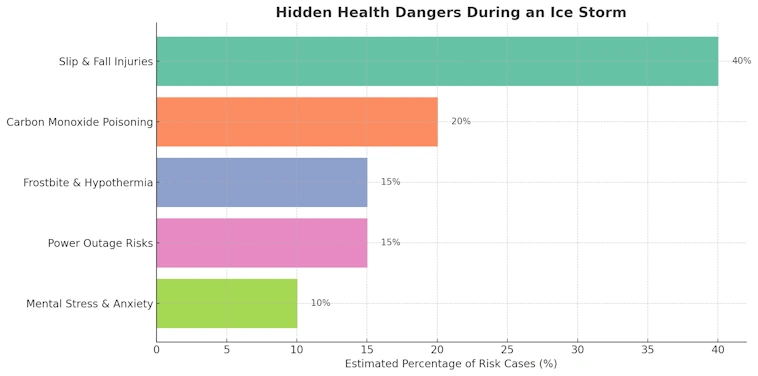
For example, icy roads and walkways send thousands of people to the emergency room with falls every year. At the same time, power outages force families to rely on unsafe heating methods, which can lead to carbon monoxide poisoning. The cold itself can cause frostbite and hypothermia in a matter of minutes. And let’s not forget the toll it takes on mental health. Being stuck inside, cut off from normal routines, creates real stress and anxiety.
Smart Ways to Stay Safe Before the Next Storm Strikes
When an ice storm is on the way, it’s not just about bracing for the cold. Ice can weigh down trees, snap power lines, and make roads dangerous within minutes. The good news is that a little preparation goes a long way. By planning ahead, you can keep your home safe, your family comfortable, and your stress levels low.
Why an Ice Storm Can Catch You Off Guard
Unlike heavy snow, ice storms often arrive quietly. Rain turns to ice, sidewalks glaze over, and branches bend until they break. It doesn’t take long before simple daily routines—like driving to work or walking outside—become risky. That’s why being ready before the first drop freezes is so important.
Stocking essentials, checking your heating sources, and protecting your pipes are just a few of the steps that make a big difference. Think of it as giving yourself peace of mind, so when the storm does strike, you’re not scrambling—you’re ready.
Staying Safe When a Ice Storm Strikes
Ice storms may look beautiful, but the dangers they bring are real. From power outages and falling trees to dangerous roads, even a short storm can create long-lasting problems. The good news is that with preparation, you can greatly reduce your risks. Keep an emergency kit ready, stay off icy roads when possible, and protect your home from freezing conditions.
Your safety, and the safety of those you love, depends on the choices you make before and during a storm. Don’t wait until the next forecast calls for freezing rain—start preparing today.