

How Valuable Grassland Loss Impacts People and Wildlife
How Valuable Grassland Loss Impacts People and Wildlife
Grasslands stretch across vast regions of our planet, supporting countless species and providing resources that people depend on every day. Yet these vital landscapes are disappearing at an alarming rate. Grassland loss threatens biodiversity, weakens natural climate defenses, and disrupts the balance between people and nature. From reduced pollinators to declining soil health, the consequences reach far beyond the areas where grasslands once thrived. Understanding what is at stake can help us see why protecting and restoring these ecosystems is more urgent than ever.
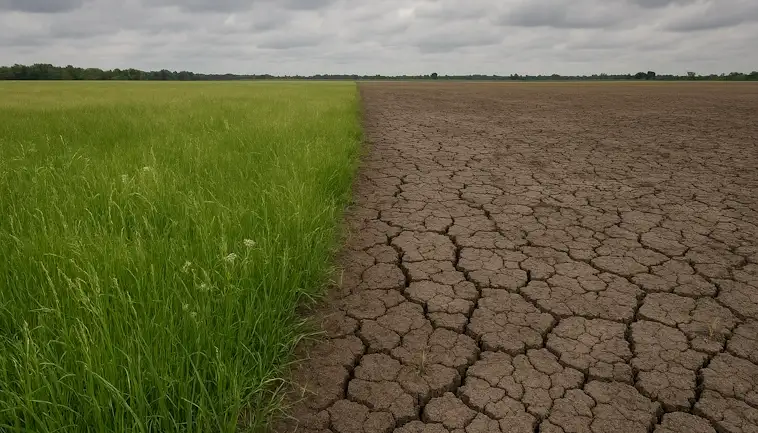
Understanding Grassland Loss and Why It Matters
When you think of endangered landscapes, rainforests or coral reefs might come to mind first. But grasslands are disappearing too—and at an alarming rate. These wide open spaces, once stretching endlessly across continents, are now shrinking under pressure from farming, urban growth, and climate change.
Grasslands may not look as dramatic as a jungle or a desert, yet they are just as important. They feed us, protect wildlife, and even help clean the air we breathe. Without them, entire ecosystems and communities are at risk.
Hidden Power of Grasslands
Grasslands act like natural sponges. They soak up rain, filter water, and prevent floods. Their deep-rooted plants also capture carbon, making them powerful allies in the fight against climate change. On top of that, they are home to countless species—from bison and antelope to pollinators like bees and butterflies. Lose the grasslands, and we lose all that life too.
The truth is, grassland loss isn’t just about nature. It affects people directly. Farmers rely on fertile soils. Towns rely on stable weather. And we all rely on the balance these landscapes provide. Protecting grasslands means protecting our future.
How Disappearing Habitats Disrupt Wildlife Populations
When habitats vanish, wildlife doesn’t just lose space — it loses its lifeline. Forests, wetlands, grasslands, coral reefs, and Arctic ice are more than landscapes; they are home, shelter, and food sources for countless species.
As these environments shrink, animals are forced to compete for fewer resources. Some adapt by moving, but many can’t survive the change. This leads to declining populations, broken food chains, and even extinction in the worst cases.
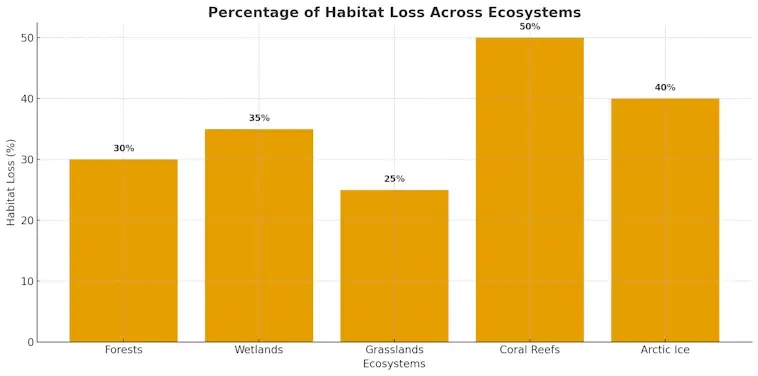
The ripple effect is huge. When one species struggles, others are impacted too. For example, losing pollinators means fewer plants can reproduce. When coral reefs disappear, entire fish populations collapse. Every loss chips away at the balance of nature.
Protecting habitats isn’t just about saving animals — it’s about protecting the web of life we all rely on.
Grassland Loss and Its Impact on Local Communities
Grasslands may look endless, but they’re disappearing faster than many realize. When they vanish, the effects ripple through the lives of people who depend on them. These open landscapes are more than just home to wildlife. They are working lands that feed families, fuel local economies, and support cultural traditions.
When grasslands are lost, communities feel the difference. Farmers and ranchers face tougher challenges, while nearby towns struggle with changes to the environment and the economy. It’s not only about plants and soil—it’s about people too.
Here are some of the key ways grassland loss impacts local communities:
- Reduced food security: Less land for grazing and crops means fewer resources to support local diets.
- Economic strain: Families who rely on ranching, farming, or tourism often see their incomes drop.
- Loss of cultural identity: Many communities have deep traditions tied to grasslands, from festivals to farming practices.
- Greater flood and drought risk: Without grasses to hold soil and water, extreme weather events hit harder.
- Declining wildlife populations: Local hunting, ecotourism, and cultural ties to nature suffer as habitats shrink.
- Weakened community resilience: With fewer natural buffers, towns face higher costs to adapt to environmental change.
Protecting grasslands isn’t just an environmental issue—it’s a community issue. Safeguarding these ecosystems helps preserve both livelihoods and local heritage for future generations.
The Hidden Role of Grasslands in Climate and Water Systems
When people talk about saving the planet, forests usually get the spotlight. But grasslands? They often go unnoticed. Yet these wide-open spaces are quietly shaping our climate and water systems in ways that affect us all.
Grasslands cover nearly 40% of Earth’s land surface. They act like giant sponges, soaking up rain, storing water underground, and slowly releasing it back to rivers and streams. This natural cycle helps prevent both floods and droughts. At the same time, grasslands lock away carbon in their deep root systems, reducing greenhouse gases in the atmosphere.
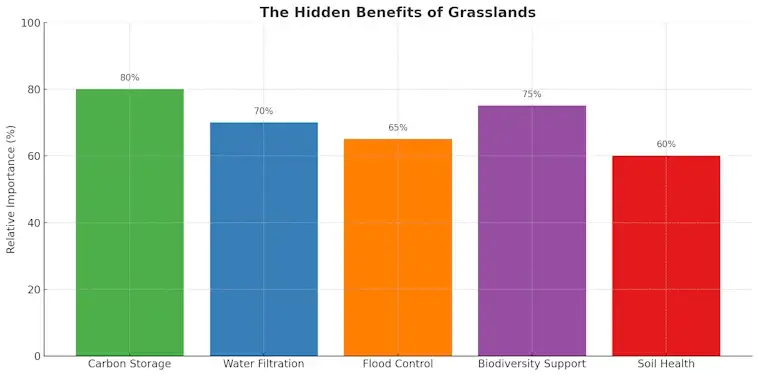
The hidden beauty is how resilient they are. Unlike many forests, grasslands can bounce back quickly after fires or grazing, keeping ecosystems alive. Protecting them is not just about saving wildlife. It’s about safeguarding water security, storing carbon, and creating healthier landscapes for the future.
In short, grasslands are climate heroes hiding in plain sight.
What We Can Do to Protect and Restore Grasslands
Grasslands are often overlooked, yet they are some of the most valuable ecosystems on Earth. They store carbon, support wildlife, and even help us grow food. The problem is, we’ve lost a huge portion of them over time. But the good news? There’s still a lot we can do to turn things around.
Protecting and restoring grasslands doesn’t require massive changes from each of us, but it does require awareness and action. It starts with understanding why these open landscapes matter and how everyday choices can make a difference.
Understanding the Impact of Grassland Loss
When grasslands are plowed up for crops or paved over for development, the results ripple outward. Soil becomes weaker, wildlife loses its habitat, and carbon that was safely stored underground is released into the air. This doesn’t just harm plants and animals—it also affects us by worsening climate change and reducing the land’s ability to grow food.
The encouraging part is that we know how to stop this. Supporting sustainable farming, protecting remaining wild areas, and even planting native grasses at home all help slow down grassland loss. Small actions add up, especially when communities work together.
Restoring these ecosystems can be as simple as letting native grasses grow back or as ambitious as large-scale conservation projects. Either way, every effort helps rebuild balance in nature and creates healthier land for the future.
Protecting Grasslands Starts With Us
Grasslands may seem endless, but they are disappearing faster than we think. With every acre lost, we lose vital habitats, natural carbon storage, and a crucial defense against climate change. The good news is that there’s still time to make a difference. By supporting sustainable farming, restoring native plants, and raising awareness, we can help protect these ecosystems for future generations.
If this matters to you, don’t let the conversation stop here. Share this article, support conservation groups, and look for ways to reduce your own environmental footprint. Together, we can keep grasslands thriving—and ensure the planet stays in balance.