
How Swelling Seas Are Redrawing Our World’s Coastlines
Swelling Seas Are Changing Our Planet: Why Our Coastlines Are Shifting Faster Than Ever
Swelling seas are no longer a distant threat—they’re reshaping the map of our planet in real time. From Miami to Manila, coastlines are creeping inland as higher tides claim streets, homes, and farmland. What once seemed like a slow-motion shift is now unfolding faster than many communities can adapt. The change isn’t just physical; it’s social, economic, and deeply human.
Every rise in sea level tells a story—of cities reconsidering their future, of people forced to move, and of ecosystems fighting to survive in saltier waters. As new shorelines take shape, the boundaries that define nations, livelihoods, and cultures are being rewritten. Understanding how and why this is happening could help determine how humanity navigates the waters ahead.
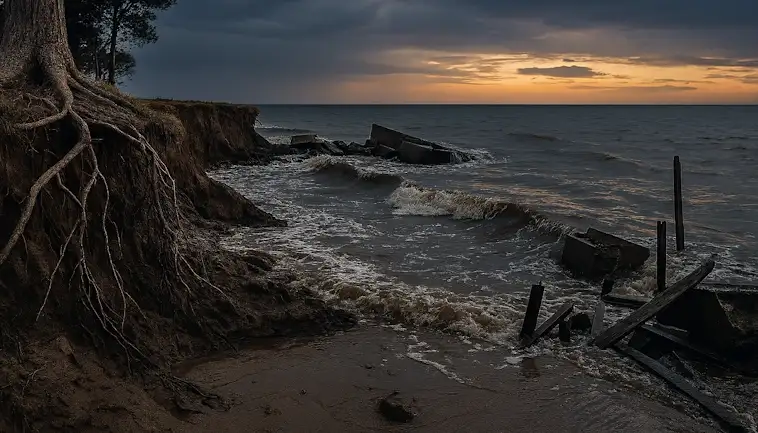
Swelling Seas and the Vanishing Shoreline: A Global Wake-Up Call
The world’s coastlines are shifting faster than many people realise. Homes once safe from storms now sit closer to the water’s edge. And beaches that shaped childhood memories are slipping away. As swelling seas rise year after year, the message is clear. We can’t wait any longer to face what’s coming next.
Sea-level rise isn’t a distant threat. It’s happening now, and it’s touching every continent. You can see it in flooded streets, eroding dunes, and communities that spend more time planning evacuations than summer barbecues. Yet we often talk about it as if it’s tomorrow’s problem. But it’s already shaping today.
Why Our Choices Matter Now
Even small increases in sea level can transform coastal life. Roads, schools, and ports become more fragile. Insurance costs rise. Local economies struggle. And once the shoreline retreats, it rarely comes back. That’s why every decision we make—from the energy we use to the policies we support—helps decide how much more our shores will shrink.
Still, there’s room for hope. Cities are testing new ideas. Engineers are redesigning waterfronts. And scientists are sharing clear guidance to help us prepare. If you want a deeper dive into what sea-level rise means for your region, the NOAA Climate Resource Center offers an accessible overview.
As the world adapts, the lesson is simple. When we protect our coastlines, we’re really protecting our future. And while the challenge of swelling seas is big, the power to respond is bigger—especially when we start now.
How Rising Waters Are Transforming Coastal Communities
If you live near the coast, you’ve probably noticed how the shoreline feels a little different than it used to. Maybe the tides seem higher. Maybe storms feel stronger. Or maybe you’ve heard local officials talk about “resilience plans” that didn’t exist a decade ago. Rising waters are no longer a distant threat. They’re shaping daily life in many coastal communities right now.
As sea levels climb, neighborhoods that once felt safe are dealing with flooding on sunny days. Roads need to be raised. Homes need new foundations. And in some areas, families are facing the tough choice of whether they can afford to stay at all. These changes are happening faster than many expected, and they’re prompting a new kind of conversation about how we live with water.
Yet there’s also a growing sense of determination. Communities are testing bold ideas, from living shorelines to redesigned waterfronts. And as we look ahead, it’s clear that the choices we make today will influence how well we handle the next wave of change. With the right planning, rising waters don’t have to wash away our future—they can help us rethink it.
Swelling Seas and the New Geography of Risk
When we talk about swelling seas, it can sound distant or abstract. Yet the changes are already shaping where we live, how we build, and what we protect. As ocean levels rise, the map of risk is changing fast. And as we look ahead, it becomes clear that communities need to rethink their relationship with the coast. This isn’t about fear. It’s about staying informed so we can make wiser choices.
Today, coastal flooding happens more often, even on calm days. Neighborhoods that once felt safe now face higher insurance costs and more frequent repairs. And while this trend can feel overwhelming, understanding what’s driving it helps us prepare for a future that’s still within our influence.
Rising oceans also reshape local economies. Tourism shifts. Infrastructure strains. And some cities plan for large-scale changes to stay livable.
As we look toward the next decade, it helps to keep a few things in mind:
- Higher tides now reach further inland.
- Coastal property values may face new pressures.
- Flood insurance costs can rise as risks grow.
- Local governments often need new funding for protective infrastructure.
- Historic sites in shoreline regions face greater vulnerability.
As the story of swelling seas unfolds, the goal isn’t simply to adapt. It’s to stay one step ahead. With better awareness and smarter planning, communities can stay vibrant—even as the coastline shifts.
What Science Tells Us About the Future of Our Coastlines
If you live anywhere near the water, you’ve likely felt that quiet worry in the back of your mind: What will our coastlines look like in the years ahead? Scientists have been asking the same question, and the answers are becoming clearer. As research grows, so does our understanding of how rising seas, stronger storms, and shifting shorelines may reshape the places we love.
Today, we already see hints of what’s coming. Streets flood on sunny days. Beaches shrink a little more each year. And communities that once felt safe now face tough choices. Yet, looking forward doesn’t have to feel overwhelming. When we understand the science, we gain the power to act—earlier, smarter, and with more confidence.
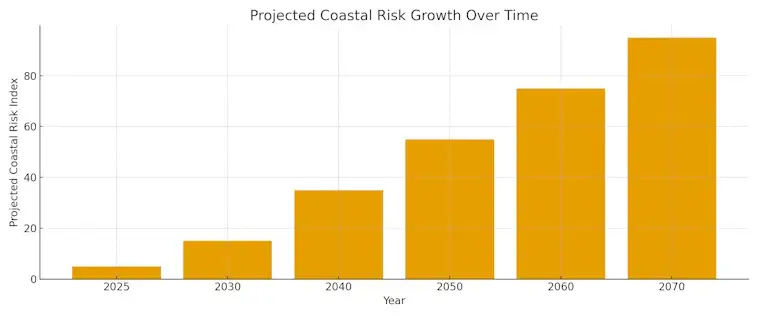
As we move toward mid-century and beyond, the data points in one direction: change is accelerating. However, it also shows that local action, smart planning, and new technology can help protect many of the coastlines we depend on. So, as we explore what the future holds, it’s worth asking not just what might happen, but what we can do next.
Adapting to Change: How Humanity Can Live with a Moving Ocean
The ocean is no longer the steady neighbor we once knew. Coastlines are shifting. Floods are becoming more common. And the boundary between land and sea feels less predictable every year. Yet we’re not powerless. With the right mindset and tools, we can learn to live with a coastline that refuses to stay still.
Let’s explore how people around the world are already adapting — and how these ideas point toward a resilient future for everyone.
Swelling Seas and Smarter Solutions
As sea levels rise, communities are rethinking how they build, grow, and protect their homes. Some towns are elevating roads and homes. Others are restoring wetlands to act as natural barriers. These choices may seem small, but they add up. They show that adaptation isn’t only possible — it’s already happening.
At the same time, cities are learning to design with water rather than fight it. Floating neighborhoods, flexible floodplains, and amphibious architecture are becoming real options. These ideas still feel new, but they could soon become standard if the seas continue to climb.
And while technology plays a big role, community planning matters just as much. When cities plan long-term, they save money and protect more people. Good planning creates places that stay livable even as conditions shift.
By taking small, steady steps today, we give future generations a stronger coastline to stand on — wherever the shoreline may be.
Why Rising Seas Demand Our Attention Now
As we look ahead, it’s clear that swelling seas aren’t a distant threat. They are already reshaping coastlines, shifting weather patterns, and rewriting the places we call home. And as these changes speed up, the choices we make today will matter even more. With the right awareness and planning, communities can protect what they value and build toward a safer, more resilient future.
So, if this topic struck a chord, don’t stop here. Take a moment to explore local coastal plans, support science-based climate policies, and share what you’ve learned with someone who might not yet see the waves rising. Every voice helps. Every action adds up. And together, we can steer the story of our changing shores in a better direction.