

Sustainable Agriculture Could Save Our Food Future
Sustainable Agriculture Could Save Our Food Future
The way we grow our food today will shape the meals of tomorrow. Around the world, farmland is under pressure from climate change, soil degradation, and shrinking water supplies. At the same time, the global population is rising, creating an urgent need for farming methods that can feed more people without destroying the planet. Sustainable agriculture offers a way forward—balancing productivity with environmental care. By rethinking how we cultivate crops and raise livestock, it’s possible to protect natural resources, support rural communities, and secure a healthier future for everyone.
How Sustainable Farming Protects Our Planet
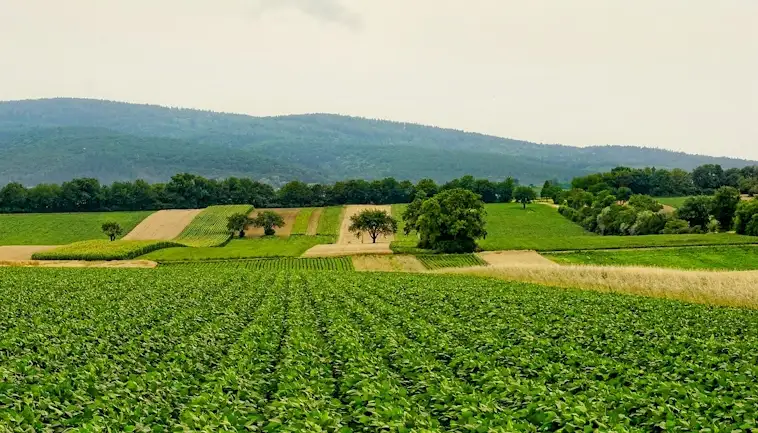
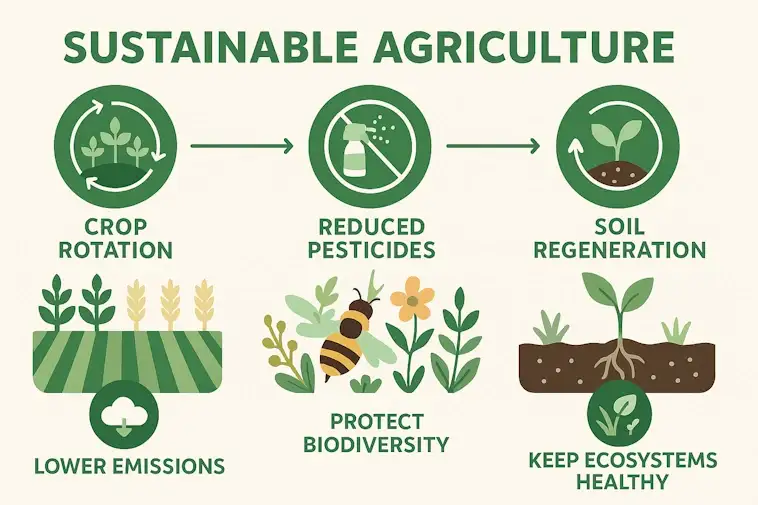
Sustainable farming is more than a buzzword. It’s a way of working with nature instead of against it. Farmers who follow sustainable practices focus on protecting the soil, conserving water, and reducing harmful chemicals. This approach helps the environment while still producing enough food for growing communities.
When soil is healthy, it can store more carbon. That means less carbon dioxide floating in the air and heating up our planet. Healthy soil also grows stronger crops, which need fewer pesticides and less fertilizer. That’s a win for farmers, consumers, and the Earth.
Small Changes, Big Results
Switching to methods like crop rotation, composting, and organic pest control might sound simple. But these changes can make a big difference. They keep farmlands fertile for the long term. They also protect rivers and lakes from pollution. Even using less water helps wildlife and preserves natural ecosystems.
Sustainable farming is not just about food. It’s about balance. It’s about making sure that the land can still feed future generations without losing its life. Every field managed this way becomes a small shield against climate change.
If more farms adopted these methods, the positive impact would be enormous. Cleaner air, healthier soil, and more resilient food systems are all within reach. And it all starts with the choices we make today.
Boosting Yields Without Harming the Land
Modern farming faces a big challenge. We need more food, but we can’t afford to strip the land of its life. The good news? There are smart, sustainable ways to increase harvests without damaging soil, water, or local ecosystems.
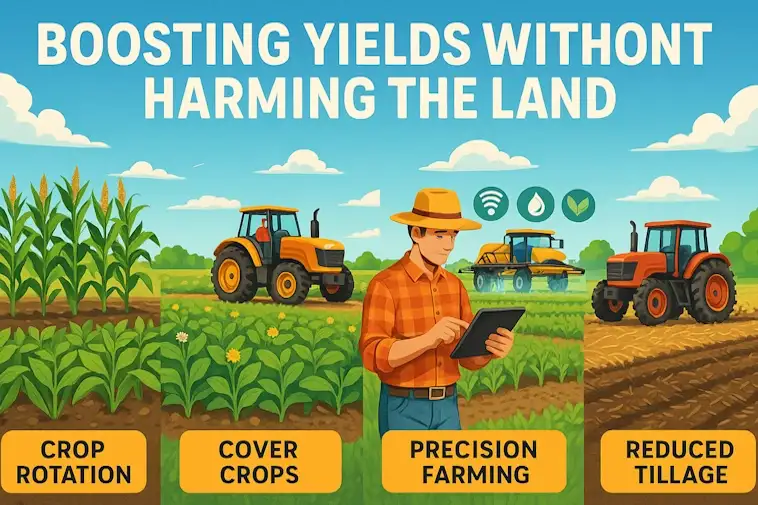
One powerful approach is regenerative agriculture. Instead of relying heavily on chemical inputs, it focuses on working with nature. That means rotating crops, planting cover crops, and letting the soil rest when needed. Healthy soil holds more water, stores more carbon, and supports more plant life.
A Simple Change, A Big Payoff
Take crop rotation as an example. Switching between different plants each season reduces pests naturally and keeps the soil rich in nutrients. This small shift can lead to healthier plants and bigger yields — all without exhausting the ground.
Technology is helping too. Precision farming tools can track soil moisture, plant health, and nutrient levels in real time. Farmers can then apply water or fertilizer only where it’s truly needed. That saves money, reduces waste, and keeps the surrounding environment cleaner.
In the long run, boosting yields sustainably isn’t just good for the planet — it’s good for people. Healthy land produces healthier food, supports local communities, and helps ensure farming can thrive for generations to come.
The Role of Technology in Greener Agriculture
Farming has always been about working with the land. But today, technology is giving farmers powerful new tools to grow more with less. These innovations are making it possible to farm smarter, not harder — and with a much lighter impact on the environment.
Smarter Water, Smarter Harvests
One major game changer is precision farming. Using GPS, sensors, and satellite data, farmers can understand exactly what their crops need. They can apply water, fertilizer, and pesticides only where they’re required. This targeted approach saves resources and reduces waste, while keeping soil and plants healthier.
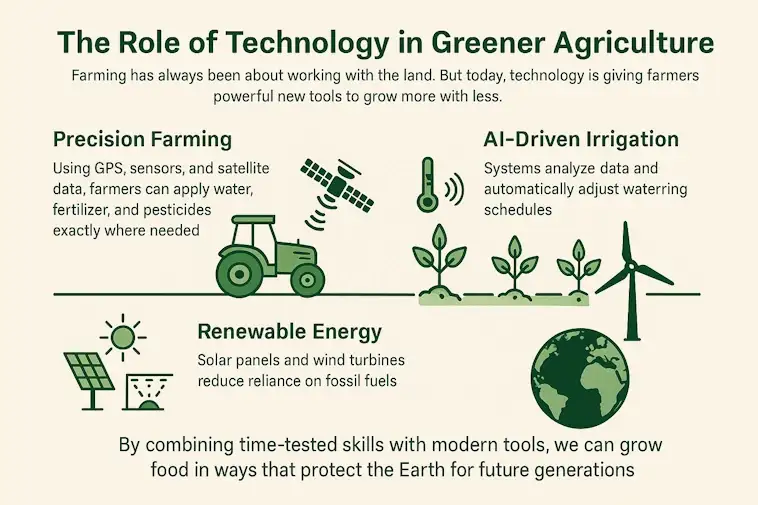
Another breakthrough is AI-driven irrigation. These systems analyze real-time data like weather forecasts, soil moisture, and crop type. Then they automatically adjust watering schedules. The result? Crops get exactly the right amount of water, and none is wasted. It’s efficient, cost-saving, and kinder to local water supplies.
Renewable energy is also transforming agriculture. Solar panels and wind turbines are helping farmers power machinery, irrigation pumps, and even storage facilities without relying on fossil fuels. This shift not only cuts carbon emissions but also lowers energy bills, creating a win-win for both farmers and the planet.
The takeaway is simple: technology isn’t replacing the farmer’s knowledge — it’s amplifying it. By combining time-tested skills with modern tools, we can grow food in ways that protect the Earth for future generations.
Why Local and Seasonal Foods Matter
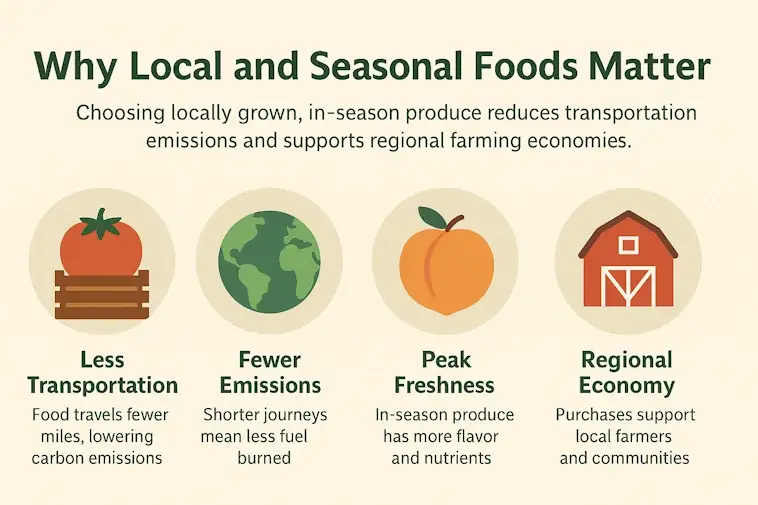
There’s something special about biting into a tomato that was picked just a day or two ago. Not only does it taste fresher, but it’s also better for the planet. Choosing locally grown, in-season produce means your food travels fewer miles to reach your plate. Less transportation equals fewer carbon emissions, which helps reduce our environmental footprint.
When produce comes from far away, it often needs planes, trucks, or ships to get here. That journey burns fuel and adds greenhouse gases to the air. By shopping at farmers’ markets or buying from local suppliers, you’re cutting down that distance in a big way.
Freshness You Can Taste
Seasonal foods are harvested when they’re naturally ripe, so they’re packed with flavor and nutrients. They don’t need to be stored for weeks or artificially ripened along the way. That’s why biting into a local peach in summer feels completely different from eating one shipped halfway around the world.
Supporting local farms also keeps money in your community. Every purchase helps small-scale farmers stay in business, strengthens the local economy, and protects farmland from being turned into housing or industrial sites. It’s a win-win for your taste buds and your town.
Eating with the seasons is a simple shift that makes a big impact—on your health, your community, and the planet.
Preparing for a Climate-Resilient Food System
Climate change is already reshaping how we grow our food. Droughts last longer. Rainfall is unpredictable. And the seasons we once relied on are shifting. For farming communities, these changes aren’t distant threats—they’re happening now.
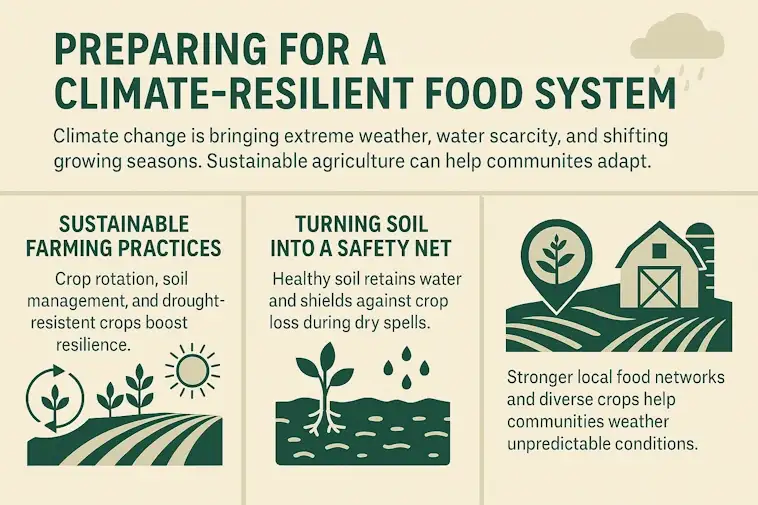
Sustainable agriculture offers a way forward. By working with nature instead of against it, farmers can protect their harvests and their livelihoods. Simple practices like crop rotation, soil health management, and planting drought-resistant varieties can make a big difference. These methods help the land retain water, reduce erosion, and keep crops productive even in tough conditions.
Turning Soil into a Safety Net
Healthy soil acts like a sponge. It stores water during wet periods and releases it slowly during dry spells. This natural buffer can mean the difference between a total crop loss and a decent yield in times of water scarcity. Cover crops and organic compost feed the soil, making it stronger and more resilient.
Communities that embrace sustainable farming also build stronger local food networks. Shorter supply chains reduce dependence on global markets, which can be volatile during extreme weather events. Local storage facilities and cooperative distribution systems keep food accessible even when transport routes are disrupted.
The key is flexibility. Farmers who diversify crops, use water wisely, and protect the soil can adapt to unpredictable seasons. And when they do, the whole community benefits—from steady food supplies to stable local economies.
Sustainable Agriculture: The Key to Feeding Tomorrow’s World
Sustainable agriculture isn’t just a trend—it’s our best chance to protect the planet and ensure a reliable food supply for generations to come. By using eco-friendly farming practices, reducing waste, and working with nature instead of against it, we can grow enough food without exhausting our resources. The choices we make today will shape the future of farming and the health of our planet. If we embrace sustainability now, we can secure a future where food is abundant, communities thrive, and our environment is restored. The time to act is now—because the future of food starts with what we plant today.