

How Minimal Waste Can Transform Your Life and Future
The Power of Minimal Waste and How It Can Improve Your Life and Future
Minimal waste has become more than a trend; it’s a practical approach that can help you reshape daily habits and create long-lasting benefits. Small choices—like rethinking what you buy, how you use it, and what you throw away—can lead to a lighter home, a clearer mind, and even lower costs. As these changes add up, they also support a healthier planet, which means your efforts carry far more impact than you might expect.
Many people start with one simple habit and then notice how it naturally influences the rest of their routine. Each step builds confidence. And before long, life feels less cluttered and more intentional. This shift often opens the door to new possibilities, encouraging a future that feels cleaner, calmer, and more sustainable for everyone.

How Minimal Waste Shapes a Simpler, More Sustainable Routine
Living with minimal waste isn’t about perfection. It’s about small choices that make your days feel lighter and more intentional. When you cut down on clutter and reduce what you throw away, you create space—both in your home and in your mind. And as you make these shifts, you start to notice how much simpler life feels.
With each habit you change, you build a routine that supports your values. You shop with more awareness. You cook with what you have. You reuse items instead of tossing them. Over time, these small steps add up. They also help you save money and reduce your footprint. And the best part is that anyone can start, no matter where they are.
A Quiet Shift Toward Everyday Ease
One surprising thing about minimal waste is how it encourages clarity. When you stop bringing home items you don’t need, you cut back on decision fatigue. You also stop feeling overwhelmed by “stuff.” Instead, your routine becomes more intentional. You learn what truly matters and what you can let go of.
This shift doesn’t require big sacrifices. It starts with choices like picking products with less packaging, repurposing jars, or buying in bulk. Step by step, your routine becomes smoother—and greener.
If you’re curious about how reducing household waste helps the planet in measurable ways, you can explore more insights from trusted sources like the Environmental Protection Agency.
As your habits evolve, you’ll notice something else too. You begin to feel more connected to the world around you. And that feeling—steady, simple, and purposeful—is what makes minimal waste so powerful.
Why Cutting Everyday Clutter Leads to Bigger Life Gains
Let’s be honest. Most of us live with more clutter than we’d like to admit. It piles up quietly—on desks, in drawers, in digital folders—and before we know it, it starts to shape our days in ways we don’t even notice. But when you start clearing it out, even in small ways, something interesting happens. Life gets lighter. And that feeling isn’t just in your head.
When you remove what you don’t need, you create room for what you do need. You free up time. You ease stress. You sharpen your focus. And as simple as it sounds, that extra breathing space opens the door to bigger life improvements. It’s like clearing a path so your energy can finally move in the right direction.
As you sort through the clutter, you also start noticing new possibilities. You see your routines more clearly. You make faster decisions. And you gain a sense of control that carries you through the rest of your day. Over time, those small wins add up, shaping a more intentional way of living.
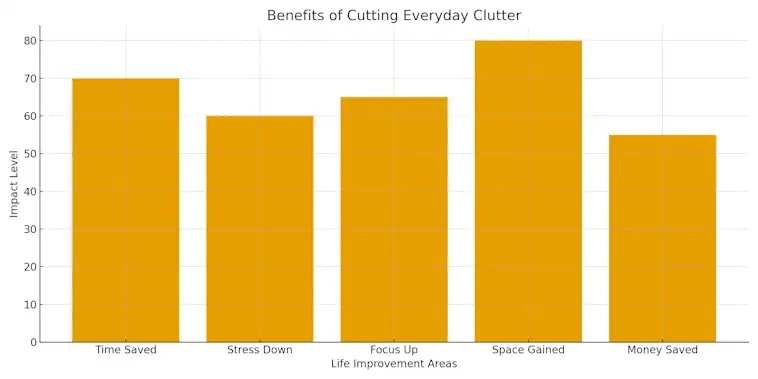
To show how these benefits stack up, above is a chart that highlights some of the most common gains people report when they cut everyday clutter.
Minimal Waste Habits That Create Long-Term Freedom and Flexibility
Living with minimal waste isn’t about perfection. It’s about making small, steady choices that give you more room to breathe—financially, mentally, and even physically. When you cut the clutter and reduce what you toss out, you open the door to a life with fewer limits. And as trends shift toward lighter living, these habits will only become more valuable.
Think of minimal waste as a long-term investment. It pays you back with lower costs, less stress, and more time for the things you actually care about. Plus, you gain flexibility. You’re no longer weighed down by constant buying, overflowing closets, or trash-day guilt.
Here’s how you can start building a lifestyle that supports long-term freedom, without making it complicated:
- Choose reusable items over disposables to cut daily waste.
- Shop with intention, buying only what you need.
- Keep a small “use-first” shelf in your fridge to reduce food waste.
- Repair items before replacing them.
- Donate or resell things you no longer use.
- Track your weekly trash to see progress and stay motivated.
These small steps stack up. Over time, they shape a lifestyle that feels lighter and more future-ready.
When you commit to minimal waste, you’re not just tidying up your home—you’re expanding your options and building a life with room to grow.
Small Shifts That Make Sustainable Living Easier Than You Think
Sustainable living can feel big and overwhelming. Yet the truth is far more encouraging: small shifts add up fast. And when you weave them into daily life, they become second nature. You don’t need a complete lifestyle overhaul to make a real difference. You only need a few easy habits that fit your routine.
Let’s start with the simple wins. Choosing reusable bags. Swapping old bulbs for LEDs. Shortening your showers a little. Each of these steps may seem tiny on its own. But over time, they create noticeable savings for your wallet and meaningful benefits for the planet.
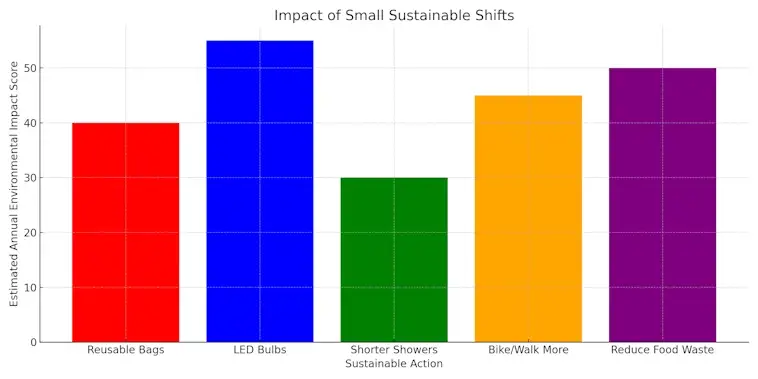
As you build these habits, you’ll notice something else, too. Sustainable choices don’t just reduce waste. They often make life feel lighter, calmer, and more intentional. And once you see that momentum, it’s natural to look for the next step. That’s how real change grows.
The Future You Build When You Choose to Reduce Instead of Replace
When you pause before buying something new, you do more than save a few dollars. You shape a future that feels lighter, cleaner, and far more resilient. This shift sounds small. Yet it adds up fast. Every time you keep an item in use a little longer, you cut down on the energy, materials, and emissions that would have gone into making a replacement.
As you look ahead, this mindset becomes even more powerful. New products arrive every day, and many promise convenience. But choosing to reduce instead of replace gives you more control. It helps you move through life with less clutter and more clarity. It also inspires others to rethink their habits, which is how real change spreads.
Minimal Waste, Maximum Impact
Reducing isn’t about strict rules. Instead, it’s about noticing what you already have and using it with intention. This approach fits into busy lives. It works in small apartments and big homes. And it builds a sense of steady progress that feels good, day after day.
For example, think about a simple household item like a water bottle or a phone case. Extending its life by even a year avoids unnecessary production and disposal. These decisions help shrink the mountain of global waste, which keeps growing each year.
By making these choices now, you help shape a tomorrow with less strain on the planet and more room for possibility. Each small act moves us toward a world where thoughtful habits set the tone for healthier communities—and a more hopeful future.
The Lasting Power of Minimal Waste
Choosing minimal waste is more than a tidy lifestyle choice. It’s a mindset that shapes how you move through the world. When you cut back on what you throw away, you lighten your footprint, save money, and create more space—both physically and mentally. And as more people make these small but steady changes, the impact grows.
As you step forward, try focusing on one simple habit at a time. Maybe it’s rethinking packaging, repairing instead of replacing, or planning meals so less food goes in the bin. Each choice adds up.
In the long run, embracing minimal waste helps build communities that value quality, creativity, and resilience. It also nudges companies and cities to support cleaner, smarter systems. So keep going. Your everyday decisions can shape a future that feels healthier, calmer, and far more sustainable.