

How Is Climate Change Impacting Polar Bear Populations?
Climate change is having a big impact on polar bear populations. These majestic creatures depend on sea ice to hunt seals, their main food source. But as the planet warms, the ice is melting earlier each year and forming later in the fall, which means polar bears have less time to eat and build up fat reserves to survive the year. This change is causing problems in their ability to find food, reproduce, and even survive. Let’s look at how these changes are threatening polar bears and what it might mean for the future of the Arctic.
How Is Climate Change Impacting Polar Bear Populations?
What You’ll Discover
Climate Change and Polar Bear Ecology
The Shrinking Ice Caps: A Habitat in Decline
Starvation and Decreasing Body Condition
Impacts on Reproductive Rates and Cub Survival
Altered Behaviours and Increased Human Encounters
Conservation Efforts and Management Strategies
International Cooperation and Polar Bear Conservation
Future of Polar Bears Under Climate Change
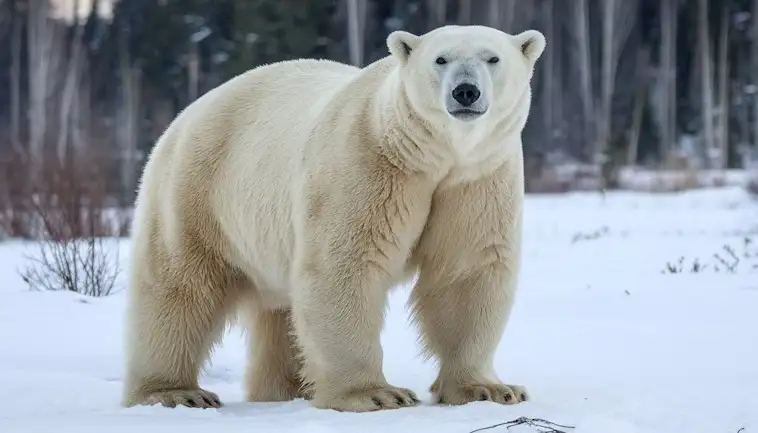
Climate Change and Polar Bear Ecology
Polar bears are fascinating creatures, often seen as iconic symbols of the Arctic’s wild beauty. These large mammals are superbly adapted to their cold environment and have some really interesting ways of surviving.
Habitat Preferences
Polar bears live primarily on the sea ice that covers the waters around the Arctic. This icy environment is crucial for them because it’s where they find their main food. They rely on the ice to travel, hunt, and sometimes even breed. The bears prefer areas where the ice is more abundant and where it breaks up and reforms seasonally because these dynamics create rich habitats for their prey.
Feeding Behaviours
Now, let’s talk about how they eat. Polar bears are top predators and primarily eat seals. They are especially fond of ringed and bearded seals. Hunting is a skilful process; a polar bear might quietly wait for hours by a seal’s breathing hole in the ice. When a seal surfaces to breathe, the bear will use its massive strength to pull the seal out of the water. Their diet is high in fat but low in carbohydrates, which is perfect for energy storage and insulation in the harsh Arctic climate.
Breeding Patterns
Breeding happens once a year around spring. After mating, the female bear will dig a den in the snow where she will stay through the harsh winter to give birth to her cubs. Typically, one to three cubs are born during the winter months, and they remain in the den until spring. The mother’s rich milk, which is about 31% fat, helps the cubs grow quickly before facing the outside world.
Climate Change Impacts
- Melting Ice: As global temperatures rise, sea ice is melting earlier in spring and forming later in autumn.
- Habitat Loss: This leads to loss of habitat for polar bears, making it harder for them to hunt seals.
- Forced Changes: Bears are forced to swim longer distances, which can be particularly risky and energy-consuming.
The impacts of climate change are profound. With their habitat shrinking, polar bears are finding it increasingly difficult to find food, which affects their ability to reproduce and survive. The situation calls for global awareness and action to mitigate climate change and protect these magnificent animals and their habitat.
The Shrinking Ice Caps: A Habitat in Decline
Polar bears face a big challenge as their icy home melts away beneath their paws. This loss of sea ice affects every part of their lives, from hunting and mating to simply getting around.
How Ice Affects Polar Bear Life
Sea ice is crucial for polar bears because they depend on it for nearly all their essential activities:
- Hunting: Polar bears mainly eat seals, which they catch from the surface of the sea ice.
- Mating: The ice also supports mating activities in the spring.
- Traveling: The bears travel across the ice to reach different areas as the seasons change.
Data on Ice Melt
The rate at which sea ice is disappearing is alarming. According to the National Snow and Ice Data Centre, the Arctic has been losing about 13% of its ice per decade since the 1980s. This rapid decline in ice coverage is closely linked to the rising global temperatures associated with climate change.
Timing with Seasonal Cycles
The timing of ice formation and melt is crucial for polar bears, particularly because it aligns with their hunting and breeding cycles. Here’s what happens:
- Spring: Ice begins to melt, which can overlap with the end of the polar bears’ main hunting season. This makes it tough for them to build up the fat reserves they need.
- Autumn: Ice forms later, delaying their access to prime hunting grounds and reducing their chances to feed adequately before the winter.
Projections and Concerns
- Future Projections: Scientists predict that if current trends continue, the Arctic could see ice-free summers by the middle of this century.
- Impact on Polar Bears: This would mean polar bears might face periods when no sea ice is available at all, disrupting their ability to hunt seals and leading to a decline in bear populations.
The decline in sea ice is a clear signal that our climate is changing rapidly. For polar bears, the loss of this vital habitat is not just a convenience—it’s a threat to their survival. The changes in ice coverage are a major concern and could have serious implications for these magnificent animals unless global actions are taken to address climate change.
Starvation and Decreasing Body Condition
As the ice vanishes, polar bears are finding it harder to catch their main meal: seals. This has a big impact on their health and survival.
Hunting on Thin Ice
Polar bears depend on sea ice as a platform from which to hunt seals. They wait by holes in the ice to catch seals when they come up to breathe. No ice means no seal hunting spots.
Longer Fasting Periods
With less ice, polar bears face several challenges:
- Extended Fasting: They endure longer periods without food. Polar bears normally fast during the summer, but as ice-free periods extend, so do these fasts.
- Increased Energy Use: They have to swim more and travel further to find remaining ice, which uses up a lot of energy.
- Reduced Fat Reserves: Without regular seal meals, they can’t build up the fat they need to survive the harsh Arctic winters.
Starvation and Health Decline
The direct impact of not having enough food is serious:
- Starvation: Younger bears and cubs are particularly vulnerable because they do not have the fat reserves of adult bears.
- Poor Health: Pregnant females who can’t find enough food struggle to nourish their unborn cubs.
- Lower Reproductive Rates: Starvation leads to lower birth rates and fewer cubs surviving to adulthood.
The Bigger Picture
- Changing Hunting Strategies: Some bears are now hunting more on land, trying to eat birds, eggs, or even garbage from human settlements, which can lead to conflicts.
- Community Impacts: Local communities that rely on polar bears for tourism are also affected.
As the ice continues to disappear, the situation for polar bears gets tougher. They are a symbol of the Arctic’s wild nature, but they are also a clear sign of the changing climate. Protecting their icy home is critical not just for them but for the entire Arctic ecosystem.
Impacts on Reproductive Rates and Cub Survival
Polar bears are facing significant challenges as the climate changes. As the Arctic warms, the ice melts, leading to a series of effects that threaten their ability to reproduce and sustain their populations.
Impact on Nutrition and Pregnancy Rates
One of the main problems polar bears encounter is nutritional stress. This occurs because the sea ice, which they rely on to hunt seals, is forming later in the year and melting earlier. This shorter hunting season means polar bears have less time to build up the fat reserves they need to survive and reproduce successfully.
- Decreased Body Weight: Female polar bears with lower body weights due to insufficient hunting opportunities often struggle to conceive.
- Reduced Pregnancy Rates: Even if conception occurs, undernourished females may not be able to carry the pregnancy to term.
Health of Pregnant Females
The health of pregnant polar bears is directly linked to the availability of sea ice. As their main habitat diminishes, so does their access to their primary food source, which has several effects:
- Increased Travel: Females need to travel longer distances to find food, expending energy that should be conserved for pregnancy.
- Stress Factors: The physical strain and stress from the lack of food can lead to miscarriages or weaker offspring.
Survival Rates of Cubs
The first few months of a polar bear cub’s life are perilous, and the condition of the mother plays a crucial role in their survival. Cubs rely entirely on their mothers for warmth and nutrition in their early stages.
- Starvation Risk for Cubs: Cubs born to malnourished mothers are often smaller and weaker, making them more susceptible to the elements and starvation.
- Decreased Protection: Weaker mothers may be less capable of protecting their cubs from predators or harsh weather conditions.
The survival of polar bears as a species is becoming increasingly precarious due to the impacts of climate change on their reproductive capabilities. Nutritional stress, habitat loss, and the subsequent health impacts on pregnant females significantly lower the chances of raising healthy cubs. Protecting the Arctic environment and mitigating climate change are critical to improving the reproductive outcomes for these magnificent creatures. As their ice habitat continues to decline, so too does the hope for a stable polar bear population.
Altered Behaviours and Increased Human Encounters
Polar bears are iconic creatures, often seen as the majestic rulers of the Arctic. However, as their environment changes, so too does their behaviour. These changes are closely linked to the warming climate and the resulting loss of sea ice.
Longer Ice-Free Seasons and Increased Land Use
As the planet warms, the Arctic ice melts earlier and forms later each year, leading to longer ice-free seasons. This has a significant impact on polar bears, who rely on sea ice as a platform for hunting seals, their primary food source. With less ice available, polar bears are forced to spend more time on land. Here’s what happens when polar bears spend more time on land:
- Scavenging for Food: In search of sustenance, polar bears are more frequently scavenging for food, which can lead them to human settlements.
- Altered Feeding Habits: The bears may change their diet, eating more bird eggs or vegetation, which does not provide the same level of nutrition as seals.
- Increased Starvation: Unfortunately, these changes can lead to increased starvation and poorer overall health.
Rise in Human-Polar Bear Encounters
The increase in time polar bears spend on land inevitably leads to more encounters with humans, which can be dangerous for both. Here are some points to consider:
- Safety Risks: As bears venture closer to human settlements, the risk of attacks or encounters that can lead to injury or death increases.
- Fatal Outcomes: Tragically, these encounters can be fatal for both humans and bears. Bears that pose a threat to human life are often killed to protect communities.
- Management Strategies: To manage these encounters, communities and wildlife agencies are implementing new strategies like bear patrols, electric fencing, and bear-proof food storage.
Addressing the challenges faced by polar bears as their environment changes is crucial for their survival and for reducing dangerous human-wildlife interactions. Conservation efforts are vital, including actions to mitigate climate change and strategies specifically designed to manage bear populations safely and humanely.
As we look to the future, it’s clear that both global and local actions are necessary to provide a safe haven for polar bears while ensuring the safety of human populations in these vulnerable regions. Understanding and adapting to the behavioural changes in polar bears is a critical step in this direction.
Conservation Efforts and Management Strategies
One key factor in protecting polar bears has been international cooperation. For example, the Agreement on the Conservation of Polar Bears, signed in 1973 by the five polar bear range states (Canada, Denmark, Norway, the USA, and the USSR, now Russia), prohibits unregulated hunting and promotes research on polar bears. This agreement has played a crucial role in fostering shared strategies for managing polar bear populations.
Wildlife Management Policies
Wildlife management policies form another pillar of polar bear conservation. These policies often include:
- Hunting Regulations: Strict controls and quotas to prevent overhunting.
- Protection of Maternal Dens: Special measures to protect key habitats where mother bears den and nurture their young.
In Canada, for instance, polar bear management is closely coordinated with indigenous communities. They rely on both scientific data and traditional knowledge to set sustainable hunting quotas and safeguard critical habitats.
Community-Based Monitoring Programs
In many areas where polar bears roam, local communities play a vital role in conservation efforts. Community-based monitoring programs empower Indigenous and local groups to:
- Collect Data: Residents help track polar bear populations and health.
- Report Sightings: Vital for keeping tabs on bear locations and movements.
- Emergency Response: Community members are trained to manage encounters between polar bears and humans safely.
These programs not only help in gathering essential data but also in raising awareness about the challenges polar bears face due to climate change and other threats.
Emerging Technologies and Strategies
With the accelerating impact of climate change, researchers and conservationists are exploring innovative strategies to protect polar bears:
- Artificial Feeding: Trials are underway to understand if and how feeding polar bears during lean periods can prevent starvation without altering their natural behaviours too drastically.
- Habitat Restoration: Efforts to preserve and restore ice habitats are critical, given that the loss of sea ice is the biggest threat to polar bear survival.
Additionally, technologies like satellite imaging and GPS tracking are being increasingly used to monitor polar bear movements and habitat use. These tools provide valuable insights that can lead to better management decisions and conservation strategies.
Protecting polar bears is a complex task that requires international cooperation, effective management policies, community involvement, and innovative technologies. These efforts are vital to ensure that future generations may also experience the wonder of these magnificent creatures.
International Cooperation and Polar Bear Conservation
Polar bears don’t recognise national boundaries. Their habitat spans across multiple countries in the Arctic, making international collaboration not just beneficial but essential.
Sharing Knowledge and Resources
Countries can achieve more by working together. Here’s how:
- Pooling Research: Scientists from different nations can share data and insights, giving a fuller picture of polar bear health and migration patterns.
- Joint Conservation Efforts: Collaborative projects can address threats that cross borders, like climate change and illegal trade.
This cooperation leads to better strategies for protecting the polar bears and their habitat.
Consistent Policies Across Borders
Uniform policies across countries help ensure that conservation efforts are effective. For example:
- Harmonised Hunting Laws: Countries agree on similar hunting restrictions to prevent overhunting.
- Shared Management Plans: These plans help manage polar bear populations holistically rather than piecemeal.
These agreements help create a stable environment for polar bears across their range.
Community Engagement Across Regions
Engaging local communities across borders is crucial. They often share similar challenges and can learn from each other’s experiences.
- Cultural Exchange: Communities exchange knowledge on polar bear behaviour and successful deterrent practices.
- Unified Response Strategies: Regions work together to develop response strategies for polar bear encounters, making them more effective and safer for both humans and bears.
Benefits of Cross-Border Collaboration
Here are the key benefits of working together:
- Stronger Impact: Combined efforts are usually more impactful than isolated actions.
- Economies of Scale: Collaborations can be cost-effective, sharing the burden of conservation funding and resources.
- Innovative Solutions: Different perspectives can lead to innovative conservation strategies that might not emerge otherwise.
Cross-border collaboration is vital for polar bear conservation. It helps align efforts, share crucial resources, and develop innovative strategies to tackle the challenges that polar bears face due to climate change and habitat loss. Working together ensures these magnificent creatures have a fighting chance for survival.
Future of Polar Bears Under Climate Change
Polar bears are among the species most directly affected by climate change, primarily due to the melting of Arctic Sea ice. Their future depends heavily on the trajectory of global warming and the success of conservation strategies. Recent research tells us a lot about what might lie ahead for these magnificent creatures.
Shifts in Distribution
- Northward Movement: As sea ice continues to recede, polar bears are expected to move northward, seeking the remaining ice that forms later and melts earlier each year. This shift challenges their traditional hunting grounds.
- Land-based Adaptations: With less ice available, polar bears may spend more time on land. This can lead to increased interaction with humans and altered feeding habits, as bears look for alternative food sources.
Adaptations and Survival
Polar bears have shown some ability to adapt to changing conditions, but there are limits. Younger bears, for instance, are less skilled hunters and more vulnerable to food shortages. Adaptive behaviours observed include:
- Diverse Diets: Some bears are adapting by eating more bird eggs, caribou, and even vegetation.
- Altered Hunting Techniques: As the ice platform shrinks, bears may need to travel further and expend more energy to hunt seals, their primary food source.
Role of Mitigation Strategies
Reducing global carbon emissions is critical. Lower emissions can slow the rate of warming and sea ice loss, giving polar bears a better chance to adapt. Effective strategies include:
- Global Climate Agreements: Commitments to lower emissions under international agreements like the Paris Agreement are vital.
- Local Conservation Efforts: Protecting critical habitats and managing human-bear conflicts can help reduce bear mortalities.
Importance of Continued Research
Continued monitoring and research are crucial for refining conservation approaches and understanding the full impact of climate change on polar bears. Key research areas include:
- Health Monitoring: Studying the health and population dynamics of bears to assess the sustainability of populations.
- Technological Advances: Using satellite imagery and tracking to monitor habitat changes and bear movements.
The future of polar bears under changing climate conditions remains uncertain, but proactive global and local actions coupled with ongoing research can help mitigate the worst of these impacts. The adaptability of polar bears provides some hope, but without significant efforts to reduce greenhouse gas emissions and protect their changing habitat, their survival becomes increasingly precarious.
Conclusion
Climate change is having a serious impact on polar bear populations. As the ice they rely on for hunting and habitat melts away, polar bears are finding it increasingly difficult to find food and survive. Their struggle highlights the urgent need for action to address global warming. By understanding these challenges, we can better support efforts to help polar bears and protect our planet’s delicate ecosystems. It’s a reminder of our responsibility to care for the world we share with such incredible wildlife.