

How Do Carbon Emissions Impact Climate Change?
Carbon emissions are a major concern when we talk about climate change. They come from burning fossil fuels like coal, oil, and gas. This releases carbon dioxide, a greenhouse gas, into the atmosphere. These gases trap heat from the sun, making the Earth warmer. This warming affects weather patterns, melts ice caps, and raises sea levels. Understanding the link between carbon emissions and these changes helps us see why it’s crucial to reduce them. Let’s take a closer look at how this process works and what it means for our planet.
How Do Carbon Emissions Impact Climate Change?
What You’ll Discover
Carbon Emissions and Climate Change
The Science Behind the Greenhouse Effect
Major Contributors to Carbon Emissions
Carbon Emissions: A Global Perspective
Carbon Emissions Impact on Weather and Climate
Economic and Social Effects of Climate Change
Mitigating Carbon Emissions: Strategies and Solutions
What You Can Do to Help
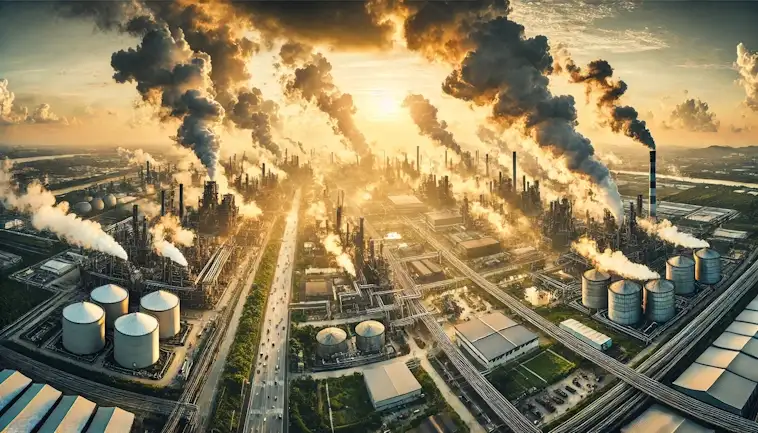
Carbon Emissions and Climate Change
Carbon emissions refer to the release of carbon dioxide (CO₂) into the atmosphere. These emissions primarily come from burning fossil fuels like coal, oil, and natural gas, which are used for things like electricity, heating, and transportation. Another major source is deforestation, where trees that absorb CO₂ are cut down, releasing carbon back into the air.
When we talk about the relationship between carbon emissions and climate change, the key thing to understand is the greenhouse effect. This is a natural process where certain gases in the Earth’s atmosphere, like CO₂, trap heat from the sun. Normally, this keeps our planet warm enough to be liveable. But when we add more CO₂ by burning fossil fuels or cutting down forests, we enhance this effect, trapping more heat. This leads to global warming, which is a gradual increase in Earth’s average temperature.
This warming influences our climate in many ways, such as changing weather patterns, rising sea levels, and impacting wildlife and ecosystems. By understanding these links, we can see why reducing carbon emissions is crucial for slowing down global warming and protecting our planet for future generations.
The Science Behind the Greenhouse Effect
The greenhouse effect is a natural process that’s crucial for life on Earth but also plays a big part in global warming when it gets out of balance.
How Does the Greenhouse Effect Work?
Imagine Earth wrapped in a blanket. This blanket is made up of gases in our atmosphere, mainly water vapour, carbon dioxide (CO₂), methane, and nitrous oxide. These gases act like the glass walls of a greenhouse, letting sunlight in but trapping some of the heat that bounces back from the Earth’s surface. Without this natural “greenhouse,” our planet would be too cold for us to survive.
Carbon Dioxide and Heat Trapping
Now, how exactly does carbon dioxide trap heat? CO₂ molecules absorb heat, or infrared radiation, which the Earth emits as it warms up in the sunlight. After absorbing this heat, CO₂ molecules re-radiate it in all directions. Much of this heat goes back towards the Earth, keeping our planet warm and cosy. It’s a bit like when the walls of a greenhouse catch the sun’s warmth and then release it slowly, keeping the inside warm even when it’s cooler outside.
Other Greenhouse Gases
While CO₂ is a big player, other gases like methane and nitrous oxide are also part of the team, but they’re much more potent at trapping heat than CO₂. Methane, for example, comes from natural sources like wetlands and human activities like agriculture and waste management. It’s much more effective at trapping heat but doesn’t stay in the atmosphere as long as CO₂.
The Impact on Global Temperatures
When we burn fossil fuels or change land use (like cutting down forests), we increase the concentration of these greenhouse gases in the atmosphere. This thickens our atmospheric blanket. A thicker blanket means more heat gets trapped, which gradually raises Earth’s average temperature.
By reducing the amount of CO₂ and other gases we release, we can help control the thickness of our atmospheric blanket, keeping our planet’s temperature just right. This is essential not just for us but for all life on Earth, maintaining a balance that supports diverse ecosystems and stable climates.
Major Contributors to Carbon Emissions
When we talk about carbon emissions, it’s crucial to understand where they come from. Let’s break down the largest sources and see how they contribute to global emissions.
Energy Production
The biggest piece of the pie is energy production. About 73% of global greenhouse gases come from energy usage, including electricity, heating, and cooking. Most of this energy still comes from burning fossil fuels like coal, natural gas, and oil. For example, coal-fired power plants are huge contributors because coal burns dirtier than other fuels.
Transportation
Next up is transportation, which accounts for around 14% of global emissions. This includes everything from cars and trucks to planes and ships. The majority of these vehicles run on gasoline or diesel, releasing large amounts of CO₂. As global trade and travel have increased, so have emissions from this sector.
Industrial Processes
Industries contribute significantly to carbon emissions, around 21% globally. This includes manufacturing products like cement, steel, and plastic. These processes often require a lot of energy and produce a lot of CO₂ as a byproduct. For instance, making cement involves heating limestone to very high temperatures, which alone accounts for about 8% of all CO₂ emissions.
Agriculture
Agriculture also plays a role, especially through practices like deforestation, rice production, and livestock farming. Methane from cattle and rice paddies, as well as nitrous oxide from fertilised fields, add to the greenhouse effect. While CO₂ is the main focus, these other gases are more effective at trapping heat, even if they’re less abundant.
Trends in Carbon Emissions
Over the past few decades, global carbon emissions have risen dramatically, largely due to economic growth and increased energy demand. However, there are signs of progress. Emissions growth has started to slow down in some regions thanks to renewable energy sources like wind and solar, and improvements in energy efficiency. Despite this, total global emissions continue to climb, highlighting the need for significant changes in how we produce and use energy.
Carbon Emissions: A Global Perspective
To understand the impact of carbon emissions worldwide, it’s helpful to look at some key statistics and data. This gives us a clearer picture of where emissions come from and how they vary around the globe.
Comparisons Between Countries
The world’s biggest emitters of CO₂ are often its largest economies. As of recent data, China leads the pack, followed by the United States, India, and the European Union. China and the U.S. together account for over 40% of global CO₂ emissions. However, when we look at emissions per person, the picture changes. The U.S. has much higher emissions per capita compared to China and India, reflecting a higher standard of living and greater use of energy-intensive services.
Per Capita Emissions
Per capita emissions give us an idea of the average emission amount each person contributes. Countries like Qatar, Kuwait, and the United Arab Emirates top this list due to their energy-intensive lifestyles and reliance on fossil fuel production. In contrast, many developing countries have much lower per capita emissions, but as their economies grow, their emissions are increasing too.
Historical Data and Trends
Historically, global CO₂ emissions have risen sharply since the Industrial Revolution, with the most significant increases occurring in the last 50 years. This rise correlates with global economic growth and increased use of fossil fuels. The data shows a troubling trend: global emissions hit a record high recently, despite growing awareness and efforts to combat climate change.
The Scale of the Challenge
To put it in perspective, global CO₂ emissions reached over 36 billion tonnes in a recent year. To mitigate climate change, experts suggest that global emissions need to drop by 45% from 2010 levels by 2030, aiming for net zero around 2050. This requires a massive shift towards renewable energy and sustainable practices worldwide.
Carbon Emissions Impact on Weather and Climate
Increased carbon emissions are changing our planet’s climate in dramatic ways. But how are these changes reshaping weather patterns and affecting ecosystems around the world?
Storms Are Getting Stronger
One of the most visible effects of higher carbon emissions is the intensification of storms. As the planet warms, more heat is available to fuel storms, making them stronger and potentially more destructive. Hurricanes, for example, draw their energy from warm ocean waters. With oceans warming, these storms can grow more powerful and carry more moisture, leading to heavier rainfall and, in some cases, more severe flooding.
Melting Ice and Rising Seas
The polar ice caps are sensitive indicators of climate change. As temperatures rise due to increased CO₂ in the atmosphere, ice at the poles melts at an accelerating rate. This melting contributes to rising sea levels, as the water previously locked in ice returns to the oceans. Rising seas pose a threat to coastal communities, leading to more frequent and severe coastal flooding and erosion.
Impacts on Ecosystems and Biodiversity
The changes in climate and weather patterns disrupt ecosystems in several ways. Species that depend on specific temperature ranges and weather conditions find their habitats altered or reduced. This can lead to shifts in species distribution and behaviour, and in some cases, to extinction. For example, coral reefs, which are highly sensitive to water temperature, are experiencing bleaching events and die-offs at alarming rates due to warmer seas.
Additionally, forests, wetlands, and other critical habitats are affected. These areas not only support diverse forms of life but also help to regulate the climate by absorbing CO₂. As these ecosystems degrade, their ability to capture and store carbon diminishes, exacerbating global warming.
The Ripple Effects
The impact of rising carbon emissions is complex and far-reaching. It’s not just about hotter temperatures; it’s about how these changes ripple through our climate system, affecting everything from weather patterns to ocean currents to the web of life itself. Understanding these connections helps us see the urgency of addressing carbon emissions and protecting our planet.
Economic and Social Effects of Climate Change
Climate change, driven by carbon emissions, is reshaping our world in profound ways. Here’s how it’s affecting economies and societies globally.
Agriculture Feels the Heat
First, let’s talk about agriculture. Farming depends heavily on stable climate conditions. As temperatures rise and rainfall patterns shift, crop yields can falter or fail. This not only hurts farmers’ livelihoods but also increases food prices and food scarcity. For example, regions known for their coffee production may face challenges as their local climates become less suitable for growing this crop.
Infrastructure Under Stress
Infrastructure like roads, bridges, and buildings are designed for specific climate conditions. With the climate changing, these structures often can’t withstand the new stresses. For instance, increased flooding can overwhelm drainage systems, and higher temperatures can damage road surfaces. The cost of repairing and upgrading this infrastructure to cope with new climate realities can strain public budgets and divert funds from other vital areas.
Widening Economic Disparities
Climate change can deepen economic disparities. Often, the poorest communities, which contribute the least to carbon emissions, face the gravest risks. They might lack the resources to adapt to changing conditions, such as investing in irrigation systems to combat drought or building sea walls to prevent coastal flooding. As a result, inequality widens, both within and between countries.
Driving Migration
As conditions worsen, people move. Areas hit hard by climate change, whether through persistent drought, rising seas, or devastating storms, may see significant numbers of people leaving. This migration can lead to overcrowding in safer areas, putting additional pressure on local resources and infrastructure. It can also lead to social tension and conflict, as newcomers and established residents compete for jobs and services.
The broader impacts of climate change are deeply interconnected. Changes in one area can ripple out, influencing various aspects of life. By understanding these connections, we can better prepare and adapt to a changing world, helping to mitigate the effects of climate change and protect vulnerable communities. Addressing carbon emissions and investing in sustainable practices is essential for creating a resilient, equitable future.
Mitigating Carbon Emissions: Strategies and Solutions
Reducing carbon emissions is critical for tackling climate change. So, let’s take a look at some effective strategies and policies that are being implemented and developed around the world.
Embracing Renewable Energy
One of the most impactful measures is the shift towards renewable energy sources like solar, wind, and hydroelectric power. These technologies produce electricity without emitting carbon dioxide. Many countries are investing heavily in these resources, which not only helps reduce emissions but also creates jobs and drives innovation in new technologies.
Advancing Carbon Capture and Storage
Carbon capture and storage (CCS) is another promising technology. It involves capturing carbon dioxide emissions from sources like power plants and industrial processes and then transporting it to a storage site where it’s locked away underground. This technology can significantly reduce the amount of CO₂ released into the atmosphere, although it’s still being developed and needs to be deployed on a larger scale to have a major impact.
Implementing Regulatory Policies
Governments play a key role through regulatory policies. These can include carbon pricing—charging companies a fee for emitting CO₂— which incentivises them to reduce emissions. Other policies might mandate the use of cleaner energy sources or set strict emission standards for vehicles and factories.
The Role of International Agreements
International agreements are crucial. The Paris Accord, for example, brings together countries worldwide to commit to reducing their carbon emissions to limit global warming to well below 2°C above pre-industrial levels. Each country sets its own targets and outlines strategies to achieve these goals, demonstrating a global commitment to addressing climate change.
The fight against climate change requires a coordinated effort across nations, industries, and communities. It involves adopting new technologies, changing economic policies, and shifting public behaviours. By working together, we can reduce carbon emissions and lessen the impacts of climate change, safeguarding the planet for future generations.
What You Can Do to Help
Every one of us can play a role in reducing carbon emissions. Here are some practical steps that individuals can take to make a difference.
Conserve Energy at Home
One of the simplest things you can do is conserve energy. Turn off lights and electronics when you’re not using them. Use energy-efficient appliances and light bulbs. Consider setting your thermostat a little lower in winter and higher in summer. These small changes can reduce your energy use and your carbon footprint.
Choose Sustainable Transportation
How we get around has a big impact on carbon emissions. Whenever possible, walk, bike, or use public transport. For longer distances, carpooling reduces the number of vehicles on the road, which lowers emissions. If you’re in the market for a new car, consider an electric or hybrid vehicle.
Support and Buy Sustainable Products
Support businesses that prioritise sustainability. This could mean buying locally sourced food, which has a smaller carbon footprint because it travels shorter distances. Also, look for products made with sustainable materials and through energy-efficient processes. Reducing, reusing, and recycling products can also help lower emissions.
Advocate for Change
Make your voice heard on environmental issues. Support policies and leaders committed to reducing carbon emissions. This could mean voting for measures that promote renewable energy, preserve green spaces, or improve public transportation.
Educate Yourself and Others
Stay informed about climate issues and share your knowledge with friends and family. Awareness and education are powerful tools for change. The more people understand the importance of reducing carbon emissions, the more likely they are to take action.
Each step may seem small on its own, but together, our actions add up. By making conscious choices about how we live, travel, and consume, we can collectively make a significant impact on our planet’s health. Let’s embrace these changes not just for ourselves, but for future generations.
Conclusion
As we’ve seen, carbon emissions have a profound and far-reaching impact on our planet’s climate. From altering weather patterns and accelerating polar ice melt to affecting agriculture and biodiversity, the consequences are undeniable. Reducing these emissions is crucial if we hope to mitigate the effects of climate change and ensure a sustainable future.
Every sector of society, including governments, businesses, and individuals, has a role to play. By embracing renewable energy, supporting sustainable practices, and advocating for effective policies, we can make significant strides towards a healthier planet.
Understanding these connections and taking action can help stabilise the climate and protect the Earth for future generations. Together, we can make a difference in the fight against climate change, ensuring our planet remains vibrant and liveable. Let’s commit to this cause and work towards a greener, more sustainable world.