

Horrific Climate Heating Is Now Closer Than You Think
Climate Heating Is Escalating Quickly — And the Signs Are Hard to Ignore
Climate heating is unfolding faster than many experts predicted, and the shift is starting to touch daily life in ways that are hard to ignore. Temperatures are edging higher, storms are forming with greater force, and seasons feel less predictable each year. These changes may seem subtle at first, yet they add up quickly. As the atmosphere warms, the risks surrounding food security, water supplies, and personal safety grow more immediate.
This moment calls for clear thinking and a steady look ahead. More people are beginning to sense that the world is crossing thresholds once expected to be decades away. As new data arrives and unusual weather becomes routine, it’s becoming easier to see how urgent the situation has become. Still, there is room for meaningful action. Small shifts in policy, technology, and public awareness can move the needle. And when people understand what’s at stake, momentum builds.
The path forward won’t be simple, but it’s far from hopeless. By paying attention to what’s changing now, individuals and communities can make choices that reduce harm and strengthen resilience. Each step helps shape a future that still feels within reach.
Climate Heating Is Already Reshaping Daily Life
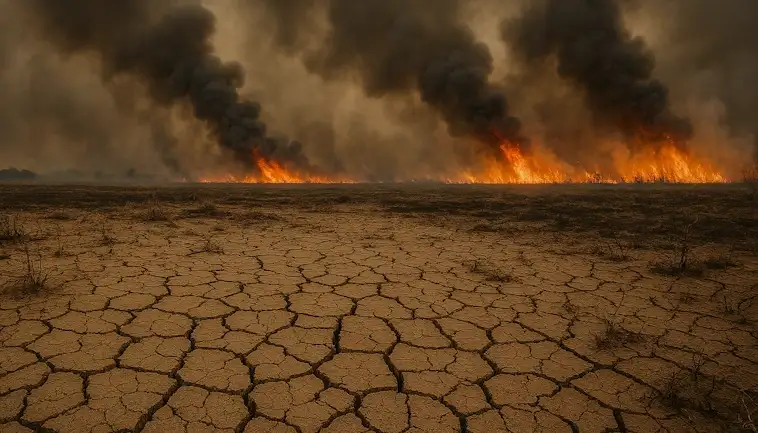
Climate heating is no longer a distant threat. It’s here now, touching the routines we once thought were stable. You might feel it in longer heatwaves, rising food prices, or even the way your neighborhood looks after a heavy storm. And as these shifts grow, they quietly change how we live, work, and plan for the future.
Every year, the signals get harder to ignore. Summers arrive earlier. Winters feel confused. And meanwhile, people everywhere are adjusting—sometimes without even realizing it. That’s why talking about these changes openly matters. It helps us understand what’s happening and think about practical steps forward.
How Daily Patterns Are Shifting
Let’s start with the way climate heating alters the simplest parts of our days. More extreme heat pushes outdoor activities into the early morning. Schools and workplaces rethink schedules. Even sleep patterns change, because hotter nights make our homes feel warmer than before. And as energy use climbs, bills follow.
Food and water systems feel the pressure, too. Droughts shrink harvests. Storms disrupt supplies. As a result, the cost of basics rises. These challenges don’t hit everyone equally, but they affect us all in some way.
As we move through these rapid shifts, it’s helpful to stay informed. One clear and accessible resource is the World Meteorological Organization’s climate updates.
Looking ahead, daily life will keep evolving. Yet we’re not powerless. When we understand how climate heating shapes our routines, we can respond with smarter choices and stronger community action. And step by step, that awareness helps us build a future that feels more stable—and far more hopeful.
The Hidden Signals We’re Missing in a Warming World
We often picture climate change as something dramatic. Storms. Floods. Wildfires. But many of the most important warnings are much quieter. They show up in the tiny shifts we barely notice from day to day. And because these signals are subtle, they’re easy to miss until the effects grow too large to ignore.
Yet these early clues matter. They help us understand how fast the world is warming and how our routines are already being reshaped. When you start paying attention, you begin to see a larger pattern—one that encourages action rather than alarm.
As the planet warms, these muted changes gather strength. Nights stay hotter. Plants bloom earlier. People struggle more with heat-related illness. And water systems face new pressure. All these signals point in the same direction, even if they whisper rather than shout.
To help highlight this shift, here’s a simple chart that visualizes how some of these lesser-noticed indicators are rising.
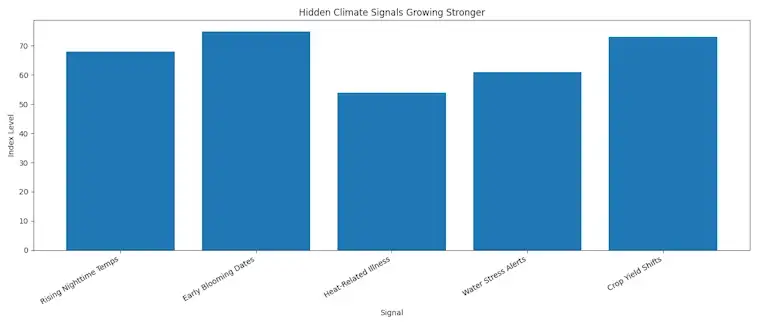
These signals may look small at first glance. However, taken together, they tell a powerful story about where we’re heading. And when we notice them early, we get a better chance to adapt, respond, and protect what matters most.
Climate Heating and the Rising Risks We Can’t Ignore
Climate heating is changing our world faster than most of us expected. You might feel it in hotter summers, stronger storms, or even in the rising cost of groceries. These shifts are no longer abstract. They touch our daily choices, our health, and even our sense of stability. And while it’s easy to feel overwhelmed, understanding the risks is a powerful first step toward smarter, more confident decisions.
As the planet warms, the consequences show up in ways both obvious and subtle. Some unfold suddenly, while others build slowly over years. Yet together, they shape a future we all share. That’s why paying attention now matters.
Here are a few risks that deserve more of our focus:
- More intense and frequent heatwaves
- Higher chances of crop failures and food shortages
- Increased pressure on water systems
- Faster spread of certain diseases
- Growing threats to homes and infrastructure
These risks don’t exist in isolation. Instead, they stack and spill into each other, raising the stakes for communities everywhere. However, staying informed helps us respond with clarity rather than fear.
If you want to explore the science behind these trends, the Intergovernmental Panel on Climate Change offers accessible summaries.
As climate heating accelerates, awareness becomes a form of resilience. The more we understand, the better equipped we are to protect our families, support our communities, and push for a safer, more stable future.
How Fast-Changing Weather Patterns Threaten Communities
Weather is shifting faster than many communities can keep up with. You might notice storms arriving out of season, heatwaves stretching longer than ever, or rain falling in sudden, intense bursts. These changes feel unsettling because they reshape daily life in real time. And as these patterns speed up, the risks become harder to ignore.
Communities everywhere are feeling the strain. Roads wash out more often. Emergency services face growing pressure. Local businesses struggle when extreme weather interrupts routines. And families must adapt to conditions that once felt rare but are now becoming normal.
These fast-moving shifts matter because they stack up. One severe storm can cause trouble. But a string of them? That’s when long-term impacts take hold. That’s why paying attention to these trends is so important. With better awareness, we gain the insight needed to respond early and protect the places we love.
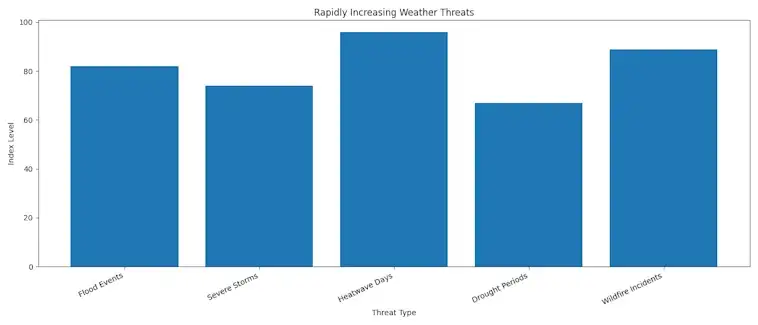
The more we understand these changes, the better prepared we become. Communities that adapt early—through stronger infrastructure, smarter planning, and clearer communication—tend to be the most resilient.
What We Must Do Now to Slow a Rapidly Heating Planet
The planet is warming at a pace that leaves little room for hesitation. You can already see the signs around you—longer heatwaves, shifting seasons, and weather that feels far less predictable than it used to. These changes may seem overwhelming, yet this is also a moment filled with possibility. When we act together, even small steps can make a real difference.
Right now, momentum matters. Every choice we make—how we power our homes, how we travel, what we support—can help slow the trend. And while no single action will solve the problem, the collective impact is powerful when millions of people move in the same direction.
Community Action in a Time of Climate Heating
One of the strongest tools we have is community-level action. Local programs can jumpstart progress faster than national policies alone. When neighbors, schools, and businesses work together, change becomes visible. It also becomes easier for more people to join in.
Simple steps can scale quickly:
- Supporting renewable energy projects
- Strengthening local resilience plans
- Reducing food and energy waste
- Advocating for cleaner public transportation
- Choosing products with lower environmental impact
These actions build stronger, healthier places to live. They also signal to policymakers and industry leaders that people want meaningful change.
To explore practical strategies backed by research, the United Nations Climate Action portal offers a clear overview of what works.
The challenge is large, but the path forward is clear. When we stay informed, act early, and work together, we can slow climate heating and protect the future we all share.
Conclusion: A Future Shaped by Our Choices Starts Now
Climate Heating is here, and it’s changing the world faster than most of us expected. Yet even as the risks grow, this moment is not defined by fear. It’s defined by possibility. We still have time to shift the trajectory, protect our communities, and build a future that feels safer and more stable.
As you’ve seen the signals are clear. Weather patterns are shifting. Daily life is being disrupted. And the cost of inaction keeps rising. But when we pay attention, speak up, and make thoughtful choices, we turn awareness into meaningful progress.
The path forward doesn’t require perfection. It requires participation. Every effort—large or small—pushes back against a rapidly warming planet. And when millions of people move together, change gains real momentum.
So as climate heating accelerates, let’s stay engaged. Let’s stay curious. And most of all, let’s stay committed to solutions that protect the people and places we love. The future isn’t set. We’re shaping it right now, one decision at a time.