

Historical Perspectives on Glacier Melting
Glaciers are truly fascinating. They’re not just giant blocks of ice; they’ve been crucial to our global ecosystems for ages. Understanding how they’ve changed over time helps us grasp the bigger climate picture. Historically, glaciers have melted and grown, influenced by natural cycles and, more recently, by human activity. We’re taking a look at how scientists began to notice these changes and what it means for our future. By examining the past, we can learn valuable lessons about our impact on these icy giants and what steps we might take next.
Historical Perspectives on Glacier Melting
What You’ll Discover
The Early Observations of Glacier Melting
The Advent of Modern Scientific Monitoring
Impact of Historical Glacier Melt
Lessons from the Past and Predictions for the Future
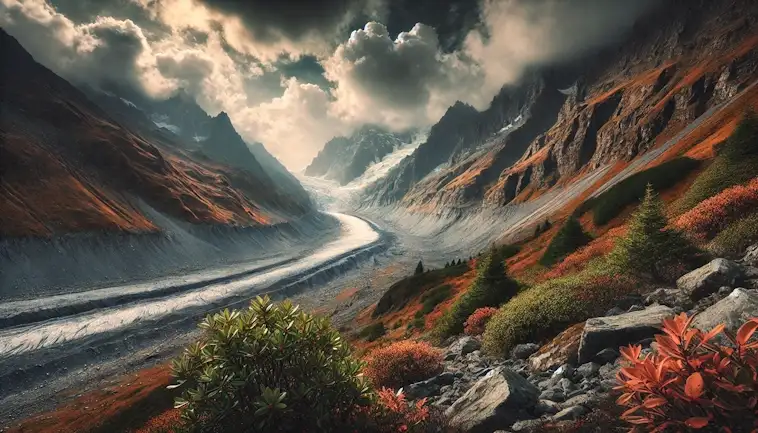
The Early Observations of Glacier Melting
Long before modern technology, curious minds observed glaciers and noted their changes. Early explorers and scientists used simple tools to chart the retreat and advance of ice, laying the groundwork for our understanding of glacier behaviour. These initial observations sparked the curiosity that fuels today’s climate research.
Pioneering Studies and Initial Theories
Back in the day, glaciers really caught the eye of some adventurous souls. These early explorers and scientists, armed with nothing but their curiosity and notebooks, trekked through rugged landscapes to study the massive sheets of ice. People like Louis Agassiz, a Swiss biologist and geologist, played a big role. He was one of the first to suggest that the Earth was once covered in a lot more ice than today.
In the 18th and 19th centuries, the big idea floating around was the Ice Age theory. It was groundbreaking because it suggested that huge glaciers had once shaped much of our landscapes, even in places now completely glacier-free. This was a time of real awakening to the powerful and dynamic nature of our planet, setting the stage for everything we know about glaciers today.
Photographic Evidence Begins
Photography changed the game when it came to understanding glaciers. Suddenly, it wasn’t just about scribbling notes and sketches. Photographers could capture real, concrete images of these icy giants. As cameras reached the hands of explorers and scientists by the late 19th century, they began snapping shots of glaciers year after year.
These photos had a major impact. They showed how much glaciers could shrink or grow in a way that was hard to deny or forget. For scientists, this visual evidence was priceless, helping them to track changes over time accurately. For the public, these images were eye-opening. They made the concept of glacier change real and immediate. Seeing was believing, and these photographs started to stir real concern about how our planet was changing.
The Advent of Modern Scientific Monitoring
Glaciers are massive and mysterious, and for a long time, they’ve been tough to study up close. But that’s changing fast. Modern technology is transforming how we monitor these icy giants. From satellites zipping around Earth to drones buzzing over icy peaks, we now have tools that give us a front-row seat to glacier changes.
Technological Advances in Glaciology
Glaciers might be slow-moving, but thanks to GPS, satellites, and drones, our ability to monitor them is anything but. GPS devices placed directly on the ice give us precise measurements of glacier movements and melting. Satellites offer a bird’s-eye view, capturing large-scale changes over time, and drones fly in for a closer look, taking detailed photos and measurements that were previously impossible.
For instance, the Jakobshavn Glacier in Greenland, one of the fastest moving in the world, has been closely monitored using these tools. Satellites have shown its rapid retreat over the past decade, and drones have detailed its thinning process. Similarly, in Antarctica, researchers used satellite data to observe the sudden collapse of the Larsen B Ice Shelf in 2002, providing invaluable insights into the dynamics of ice stability. These examples highlight just how crucial modern technology is in understanding and predicting glacier behaviour in a changing climate.
The Role of Climate Data
Modern glacier monitoring isn’t just about watching ice melt. It’s about connecting the dots with climate data to get the whole picture. By integrating temperature records, precipitation patterns, and even ocean temperatures with glacier observations, scientists can see how changes in the climate are directly affecting glaciers.
For example, when global temperatures rise, glaciers tend to melt faster. This isn’t just a guess; it’s a fact backed by data. Over the past few decades, as the world has warmed, glaciers around the globe have been retreating at an alarming rate. This link between temperature and glacier melt is clear and concerning. It shows that what happens in the atmosphere doesn’t stay in the atmosphere—it reaches down to the icy realms too, reshaping our planet’s surface and contributing to rising sea levels.
Impact of Historical Glacier Melt
Glaciers have been melting for centuries, but what does that mean for us today? As these icy giants shrink, they send extra water to our oceans, raising sea levels and altering coastlines. This isn’t just about losing chunks of ice; it’s about the ripple effects on communities and ecosystems worldwide.
Sea Level Rise and Global Implications
As glaciers melt, they add more water to our oceans, leading to rising sea levels. This isn’t a new trend; it’s been happening as long as humans have been keeping records, and even before. Historical data show that as the planet warms, glaciers retreat faster, pushing sea levels higher. This trend is clear from the melt patterns of major ice sheets and numerous glaciers worldwide.
Looking ahead, experts predict that if glaciers keep melting at current rates, sea levels could rise several feet by 2100. This would not only flood coastal cities but also disrupt ecosystems and weather patterns globally. By studying past trends, we can brace for these future changes and plan more effectively to protect our communities and natural habitats.
Socioeconomic Effects
Glacier melt affects us in ways that go beyond rising sea levels. Many communities rely on glaciers as steady water sources. As these glaciers shrink, the rivers they feed can dwindle, affecting drinking water supplies, irrigation for farming, and even hydroelectric power.
Take the Himalayas, for instance, where glaciers feed major rivers like the Indus and the Ganges. These rivers are lifelines for millions who rely on them for daily water and agriculture. As glacier flows decrease, water scarcity becomes a real threat, impacting food production and livelihoods.
In the Andes, similar stories unfold. Here, glaciers are key to the region’s water circuit. With glacier retreat, places like Peru face significant challenges in maintaining water supplies year-round, affecting everything from local farming to urban water use.
By looking at these case studies, we see a pattern: as glaciers melt, the water security and economic stability of entire regions can be at risk. Understanding these impacts helps us appreciate the critical role glaciers play in global water cycles and economies.
Lessons from the Past and Predictions for the Future
Glaciers have been teaching us valuable lessons about our planet’s climate for years. By examining past changes in glacier size and behaviour, we gain insights into how they respond to environmental shifts. These lessons are crucial as we face the growing impacts of climate change.
Learning from Historical Data
Historical glacier changes are like a history book, telling us stories about our planet’s climate. They show us how sensitive glaciers are to changes in the environment. For instance, when we see patterns of glacier retreat linked with warm periods, it’s a clear signal: our climate is warming, and glaciers are responding.
Learning from these patterns has shaped how we approach climate change today. Early observations have led to policies aimed at reducing greenhouse gas emissions, which are crucial for slowing down glacier melt and global warming. For example, international agreements like the Paris Accord aim to limit temperature rises, a direct response to the lessons learned from glacier studies.
These efforts are about more than just protecting ice; they’re about safeguarding water resources, ecosystems, and human communities across the globe. By understanding the past, we’re better equipped to adapt and plan for a future where glaciers—and the rest of us—can thrive.
Future Trends in Glacier Research
Glacier research is entering an exciting era with new technologies that promise deeper insights than ever before. Think of drones zipping overhead, capturing high-resolution images, or satellites that track glacier changes from space. These tools help scientists predict future glacier behaviours with better accuracy, which is crucial for preparing for what’s coming.
Understanding the history of glacier changes through these technologies enhances our ability to craft informed policies. By looking back, we can identify trends that help predict future changes. This historical perspective is vital in shaping policies that aim to mitigate the effects of climate change. For example, by knowing which regions are most affected by glacier melt, governments can prioritise actions in these areas, from reinforcing coastlines to altering water management practices.
This blend of cutting-edge technology and historical data is key to making decisions that help us adapt to a changing world, ensuring we are not only reactive but also proactive in our approach to global environmental challenges.
Conclusion
As we’ve seen, glaciers have been telling their story for centuries, recording the ebbs and flows of the climate. Their retreat isn’t just a loss of ice; it’s a signal that our environment is changing.
By understanding the history of glacier melt, we’re equipped with the knowledge to anticipate future changes and prepare for their impacts. This journey through the past gives us the tools to make informed decisions that will benefit our planet and future generations. Let’s continue to monitor, study, and learn from these icy archives as we strive to address the challenges of a warming world.