

Heat Dome Fuels Climate Extremes and Hotter Summers
Heat Dome Causes Unrelenting Summer Heat Spikes
Heat waves are hitting harder, lasting longer, and breaking records across the globe. One major driver behind this surge in extreme temperatures is a weather phenomenon known as a heat dome. When one settles over a region, it traps hot air like a lid on a pot—turning cities into ovens and pushing ecosystems to their limits.
These intense events are no longer rare. Scientists are seeing them more often, and they’re showing up earlier in the season. The connection to climate change is growing clearer, and the risks are rising fast—from health emergencies to crop failures and power grid strain.
Understanding how a heat dome works—and why it’s becoming more common—is key to preparing for a hotter future.

What Is a Heat Dome and Why It Matters More Than Ever
A heat dome might sound like something from a sci-fi movie, but it’s a real and growing threat. In simple terms, a heat dome happens when a high-pressure system traps hot air in one area, causing temperatures to spike for days or even weeks. Think of it like placing a lid on a pot—nothing can escape, and everything inside just keeps getting hotter.
This phenomenon isn’t new, but it’s becoming more intense and more frequent. Climate scientists say our warming planet is making conditions ripe for longer-lasting heat domes. That means cities and towns are facing record-breaking temperatures more often than ever before.
Why You Should Care About More Than Just the Heat
Heat domes do more than just make it uncomfortable outside. They can overload power grids as people crank up air conditioning. They also make wildfires more likely, dry out crops, and put vulnerable people—like the elderly, young children, and outdoor workers—at serious risk.
What’s more, urban areas with lots of concrete and few trees become “heat islands,” making the effects of a heat dome even worse. Emergency rooms fill up with heat-related illnesses, and in some cases, lives are lost.
Here’s the big picture: heat domes are no longer rare events. They’re part of a shifting climate pattern that’s reshaping how we live and work. Knowing what they are—and how they impact our communities—helps us better prepare for the challenges ahead.
As global temperatures rise, understanding extreme weather patterns like heat domes is not just useful. It’s essential. Staying informed is the first step toward staying safe.
How a Heat Dome Triggers Extreme Weather Events
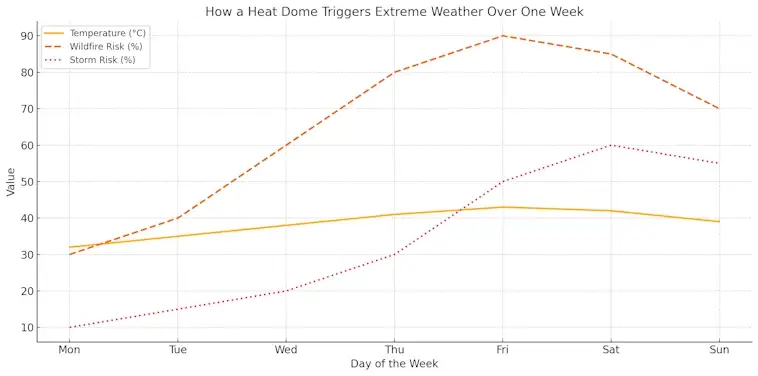
Heat domes don’t just bring blistering temperatures—they set off a chain reaction in the atmosphere. When a heat dome forms, it traps a mass of hot air under a high-pressure system, holding it in place like a lid. This stable air doesn’t move much, and that can lead to a surprising range of extreme weather events.
For starters, the most obvious impact is prolonged heat waves. These aren’t your average hot days—they can last for a week or more, with temperatures soaring well above normal. But that’s just the beginning.
When the Air Stops Moving, Trouble Builds
The stagnant air caused by a heat dome can worsen droughts by drying out soil and vegetation. With less moisture in the ground, the risk of wildfires increases dramatically. These fires then release even more heat and carbon into the atmosphere, creating a dangerous feedback loop.
Heat domes can also intensify storms. On the edges of the dome, where the high-pressure zone meets cooler, unstable air, powerful thunderstorms can form. These storms can bring heavy rain, flash flooding, and damaging winds—especially in areas already weakened by extreme heat.
And let’s not forget the strain on infrastructure. Roads can buckle, rail lines can warp, and energy grids often struggle to keep up with demand as millions turn to air conditioning to cope.
What’s clear is this: a heat dome isn’t just about heat. It’s a major disruptor, capable of triggering a mix of weather extremes that put communities at risk. As climate change continues to push global temperatures upward, understanding how heat domes work—and how they lead to dangerous events—is more important than ever.
The Science Behind Heat Dome Formation and Impact
Heat domes aren’t just random weather events—they’re driven by real, measurable shifts in atmospheric patterns. At their core, heat domes form when a high-pressure system in the upper atmosphere stalls over a region. This system acts like a cap, trapping hot air underneath and preventing cooler air from moving in.
As the sun continues to heat the ground, the warm air rises. But instead of escaping, it gets pushed back down by the high-pressure zone above. This creates a kind of feedback loop, where the heat intensifies day after day. Without wind or rain to break the cycle, the area beneath the dome continues to bake.
What’s Fueling More Frequent Heat Domes?
Scientists point to rising ocean temperatures, especially in the Pacific, as a key driver. Changes in sea surface temperatures can shift the jet stream—the fast-moving air current high above the Earth. When the jet stream slows down or becomes wavy, it can lock weather patterns in place. That’s when a heat dome can settle in and stay for days or even weeks.
But it’s not just about heat. The impact of a heat dome stretches far beyond high temperatures. These systems dry out soils, reduce air quality, and make conditions ripe for wildfires. They also increase pressure on hospitals, energy grids, and agriculture.
As global temperatures rise, the ingredients for heat domes are becoming more common. That means these events may not just be one-off extremes, but part of a new normal we all need to understand.
By learning the science behind how heat domes form and what they do, we’re better equipped to adapt—and to push for smarter climate solutions that can reduce the risks ahead.
Why Heat Dome Events Are Becoming More Frequent
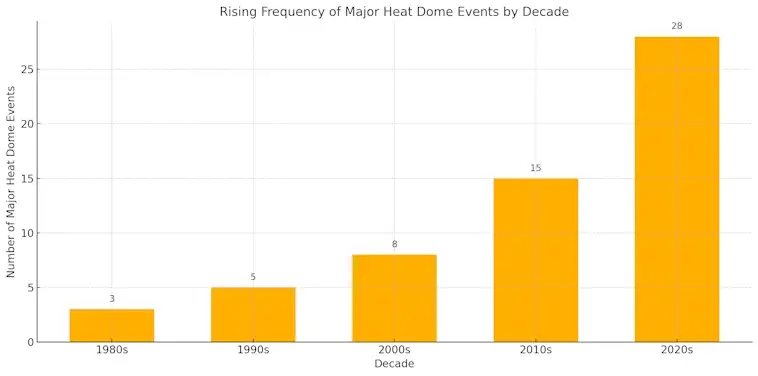
Heat domes are no longer rare weather flukes. In fact, they’re showing up more often—and lasting longer—than ever before. So, what’s driving this troubling trend?
The answer lies in the warming climate. As global temperatures continue to rise, the atmosphere holds more heat. This creates the perfect conditions for high-pressure systems to form and linger. These systems trap hot air, locking it in place like a lid over a pot. The result? Days—or even weeks—of extreme heat.
Oceans Are Playing a Bigger Role Than You Might Think
Warmer oceans, especially in the Pacific, are a key piece of the puzzle. Shifts in sea surface temperatures can disturb the jet stream—a fast-moving river of air that typically helps move weather systems along. But when the jet stream weakens or becomes wavy, it can cause high-pressure zones to stall. That’s when a heat dome sets in.
Urban development also adds fuel to the fire. Cities filled with concrete and asphalt trap more heat, making the impact of a heat dome even worse. These “urban heat islands” experience higher temperatures than surrounding rural areas, adding extra strain on people, infrastructure, and power grids.
Heat domes used to be considered once-in-a-decade events. But now, they’re showing up more frequently—in some cases, multiple times in a single summer. This trend isn’t just uncomfortable. It’s dangerous.
With each passing year, the chances of experiencing an intense heat dome are climbing. That makes it more important than ever to understand how and why these events are becoming the new normal. Staying informed helps us prepare, adapt, and push for changes that protect our health and communities.
Staying Safe When a Heat Dome Strikes Your Area
When a heat dome settles over your region, temperatures can rise fast—and stay high. It’s not just uncomfortable. It can be dangerous, even deadly. That’s why having a plan is so important. Extreme heat affects everyone, but older adults, children, and people with health conditions are most at risk.
The good news? There are simple steps you can take to stay safe and protect those around you.
Know the Signs of Heat-Related Illness
The first thing to watch for is how your body is reacting. Heat exhaustion can cause dizziness, headaches, and heavy sweating. If left untreated, it can turn into heat stroke—an emergency that requires immediate medical help. So, stay alert and check on others, especially if they live alone.
Stay indoors during peak heat hours, usually between 11 a.m. and 4 p.m. If you don’t have air conditioning, visit a public space like a library or mall. Keep curtains closed, drink water constantly, and avoid caffeine or alcohol, which can dehydrate you.
Pets need protection too. Keep them indoors, provide plenty of fresh water, and never leave them in a parked car.
Don’t forget your neighbors. During extreme heat events, a quick check-in could save a life. Some communities also open cooling centers, so be sure to find out where the closest one is in advance.
As heat domes become more common, it’s crucial to treat them like the serious weather events they are. Planning ahead, staying informed, and taking heat warnings seriously can make all the difference.
By staying prepared, you’re not just protecting yourself—you’re helping build a stronger, more resilient community.
Preparing for the Next Heat Dome
As heat domes become more frequent and more intense, understanding what they are—and how they impact our lives—is more important than ever. These high-pressure systems do more than bring high temperatures. They trigger a chain reaction of extreme weather, strain our infrastructure, and put public health at risk.
Staying informed is your first line of defense. Knowing the signs of heat-related illness, preparing your home, and checking on loved ones can make a real difference during extreme heat events. It’s also a reminder that climate change is not a distant threat—it’s happening now, and heat domes are one of its clearest signals.
By learning about heat domes today, you’re better prepared for tomorrow. Awareness leads to action, and action helps protect our communities.
The heat is rising—let’s stay ahead of it.