
Habitat Preservation: Protecting Nature Before It’s Too Late
Understanding Habitat Preservation: The Vital Link Between Wildlife and a Healthy Planet
Nature is running out of time, and habitat preservation has never been more urgent. Forests are shrinking, wetlands are drying up, and countless species are losing their homes. Each lost habitat weakens the balance that sustains clean air, fresh water, and fertile soil. Protecting these natural spaces isn’t just about saving wildlife—it’s about securing a livable future for everyone.
Across the world, scientists and communities are racing to restore damaged ecosystems and prevent further loss. From reforestation projects to sustainable farming, these efforts show that recovery is still possible. But lasting change depends on understanding what’s at stake and acting before the damage becomes irreversible. The choices made today will shape the landscapes—and the life—that remain tomorrow.
Why Habitat Preservation Matters More Than Ever
When we talk about protecting the planet, it’s easy to think about recycling or cutting plastic use. But there’s another piece of the puzzle that’s often overlooked — habitat preservation. Our forests, wetlands, grasslands, and coral reefs aren’t just home to wildlife; they’re the backbone of life on Earth, including ours.
Every day, we lose more natural spaces to farming, construction, and industry. This means less room for species to live, breed, and feed — and that imbalance ripples straight back to us. Think of bees that pollinate our food, trees that filter our air, or mangroves that protect our coastlines. When these habitats vanish, the systems we rely on begin to crumble.
The Chain Reaction We Can’t Ignore
Here’s the thing — habitat preservation isn’t just about saving animals. It’s about keeping our planet stable and livable. Once a habitat is gone, restoring it takes decades, sometimes centuries. Yet, we still clear forests faster than they can recover.
The good news? Small choices add up. Supporting sustainable products, protecting local green spaces, and backing reforestation projects can make a huge difference. Governments and organizations around the world are taking action too. The World Wildlife Fund shares ongoing efforts and ways anyone can get involved.
If we preserve the places that sustain life, we protect our own future too. Habitat preservation isn’t a distant environmental goal — it’s a responsibility that starts right where we live.
The Hidden Costs of Losing Our Natural Ecosystems
When we think about nature, it’s easy to focus on what we see — forests, rivers, coral reefs. But what we often overlook are the invisible benefits these ecosystems quietly provide every day. They clean our water, pollinate our food, store carbon, and even shield us from floods. Losing them doesn’t just hurt wildlife. It hurts us — economically, socially, and environmentally.
Every tree cut down, every wetland drained, chips away at services that would cost trillions to replace. For instance, the global value of pollination alone is estimated at over half a trillion dollars each year. Yet, these services are often taken for granted because they don’t show up on balance sheets.
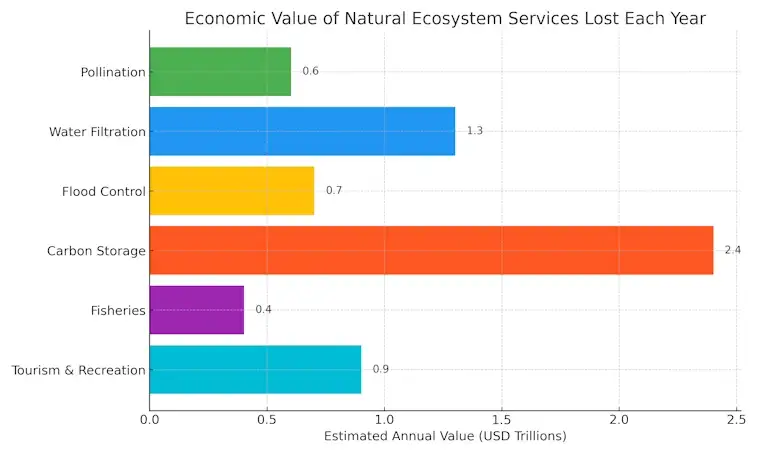
If we continue to erode natural ecosystems, we risk paying a much higher price later — not just in money, but in health, food security, and stability. Protecting nature isn’t just an act of conservation anymore. It’s a smart economic strategy for the future.
How Habitat Preservation Supports Both People and Planet
When we talk about habitat preservation, most people think about saving forests or protecting endangered species. But it’s much more than that. It’s about protecting the natural systems that keep our world—and our lives—running smoothly. From clean air to safe drinking water, healthy habitats quietly support every part of human life.
Think of it this way: when we protect nature, we’re really protecting ourselves. Forests, wetlands, oceans, and grasslands act like natural safety nets. They absorb carbon, filter pollutants, and provide space for wildlife to thrive. Without them, our environment—and our well-being—would quickly unravel.
Here’s how habitat preservation helps both people and the planet:
- Protects clean water sources. Healthy forests and wetlands filter water naturally, reducing the need for costly treatment.
- Reduces climate risks. Natural habitats absorb carbon and help buffer communities from floods, storms, and heatwaves.
- Supports local economies. Sustainable tourism, fishing, and farming depend on thriving ecosystems.
- Preserves biodiversity. Every species plays a role in keeping ecosystems balanced and resilient.
- Improves mental health. Access to green spaces has been shown to lower stress and boost overall happiness.
The beauty of habitat preservation is that it doesn’t just help wildlife—it creates a more stable and livable planet for everyone. When communities invest in protecting nature, they’re also investing in clean air, fertile soil, and a safer climate future.
Community Action: Small Steps Toward Big Environmental Change
Big change often begins with small, local steps. When people come together in their communities, the impact can be powerful. It’s not just about saving the planet—it’s about creating cleaner, healthier neighborhoods for everyone.
Think about it. A few trees planted by volunteers can cool city streets and improve air quality. A local clean-up day can transform polluted spaces into safe, welcoming parks. Even small recycling or composting programs can make a surprising dent in local waste.
What’s inspiring is how these actions ripple outward. When one group starts a carpooling network or a plastic-free challenge, others notice and join in. Soon, what began as a local effort becomes part of a larger movement for environmental change.
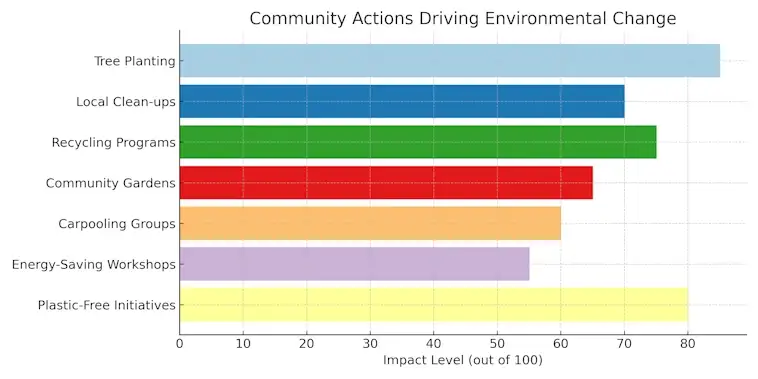
The truth is, every community has the power to make a difference. You don’t need a massive budget or political influence—just commitment, creativity, and a few willing hands.
A Future Worth Saving: Reimagining Our Relationship With Nature
It’s easy to forget how much we rely on the natural world. Every breath we take, every meal we eat, and every bit of clean water we drink connects us to the planet. Yet, over time, our fast-paced lives have created a growing gap between people and nature. The good news? It’s not too late to close that gap and build a future worth saving.
We’re at a turning point. From the way we grow our food to how we build our cities, small changes can have a massive impact. Reimagining our relationship with nature doesn’t mean giving up progress—it means redefining what progress looks like. It’s about balance, not sacrifice.
When we invest in green spaces, protect forests, and reduce waste, we’re not just helping the planet—we’re helping ourselves. Nature has an incredible ability to heal when given a chance. But it needs our cooperation, not just our admiration.
Why Habitat Preservation Matters More Than Ever
Habitat preservation is one of the simplest and most effective ways to protect life on Earth. When we safeguard the homes of animals, plants, and insects, we keep ecosystems healthy and resilient. Whether it’s planting native trees in your neighborhood or supporting rewilding projects, these actions ripple outward in powerful ways.
Preserving habitats also helps fight climate change. Forests and wetlands, for example, store massive amounts of carbon while providing natural flood control. They’re not just scenic views—they’re working systems that keep our planet stable.
In the end, reimagining our connection with nature isn’t about returning to the past—it’s about building a future where both people and the planet thrive together. The choice is ours, and the time is now.
Together, We Can Keep Nature Alive
Protecting habitats isn’t just about saving trees, oceans, or animals—it’s about protecting the balance that keeps our world thriving. Every forest cut down, every wetland drained, pushes fragile ecosystems closer to collapse. But the good news is, there’s still time to act.
From supporting conservation projects to making more sustainable choices in your daily life, your actions matter more than you might think. Small steps—like choosing local produce, reducing plastic use, or volunteering for habitat cleanups—can have a real, lasting impact when multiplied by millions of others who care.
Let’s not wait until “too late” becomes our reality. The planet needs more defenders now. Join the movement to preserve habitats, protect wildlife, and secure a healthier future for all.