

Grassland Conversion Brings Valuable but Frightening Change
Grassland Conversion: The Surprising Benefits and the Hidden Dangers Behind the Trend
Grassland conversion is reshaping huge stretches of open country, and the shift is happening faster than many expected. Fields that once supported deep-rooted grasses, wildlife, and natural cycles are being turned toward new economic uses. Some of these changes bring clear gains, yet they also carry risks that linger beneath the surface. People who rely on these landscapes can feel both hopeful and uneasy at the same time.
As new pressures push landowners to rethink how they use their property, vast ecosystems are being altered in ways that ripple outward. Water patterns shift. Soil behaves differently. Communities start to feel the weight of decisions made far beyond their boundaries. These changes often move quietly at first, but their effects grow more visible each year.
Looking ahead, the real challenge is finding balance. Growth has value, but so does stability. As more grasslands transform, questions about resilience, heritage, and long-term sustainability come forward. This moment invites careful attention, because the choices made now will shape the land for generations.
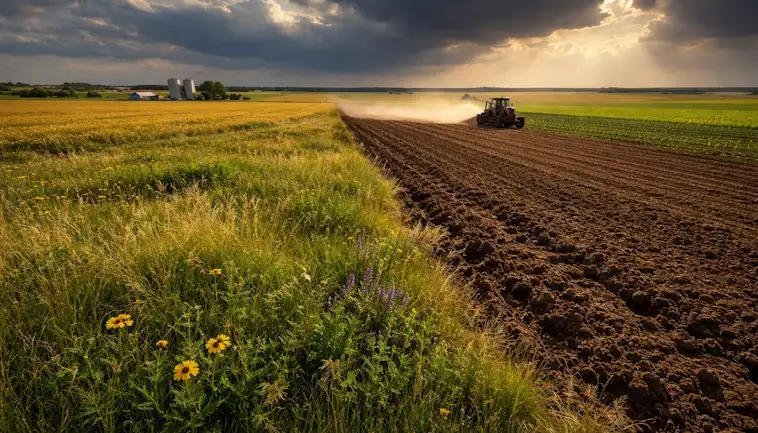
Grassland Conversion and the Fast Rise of New Land Pressures
Grassland conversion is speeding up in many parts of the world. And if you look closely, you can see how this quiet shift is reshaping the land beneath our feet. Today, more grasslands are being plowed, fenced, mined, and built over than ever before. This change is not only fast, but it is also far more complex than it first appears.
These open landscapes once acted as natural shock absorbers. They held water, hosted wildlife, supported local food systems, and stored large amounts of carbon. But as demand for land grows, grassland conversion is pushing these benefits aside. You might notice the effects in small ways at first. Maybe it is fewer birds, more dust in the air, or fields that look more stressed each summer. Over time, though, these small changes can add up to deep shifts in local climate, soil health, and community life.
Why These Shifts Matter Now
Right now, new land pressures are rising from many directions. Agriculture is expanding into places once left wild. Developers are looking for cheaper, flatter land as cities grow. And the need for renewable energy is driving large-scale projects into open areas. Because grasslands often seem empty or underused, they are easy targets.
However, once a grassland is converted, it rarely comes back. The soil structure changes. Native plants disappear. And the ecosystem that evolved over thousands of years loses its balance. This creates a ripple effect that reaches far beyond the converted land itself.
As we think about the future, it helps to ask simple questions. How do we meet rising land needs without losing the places that quietly support us? What smart planning can help us protect what remains? And how can we balance progress with care?
Grassland conversion will continue to shape our world. Yet with better choices, clearer priorities, and long-term thinking, we can keep more of these landscapes healthy and intact.
How Changing Landscapes Are Shaping Rural Communities
Rural communities are going through a quiet but powerful shift. Fields, forests, and waterways that once felt timeless are changing faster than many people expected. And these changes are reshaping daily life in ways that are both subtle and significant.
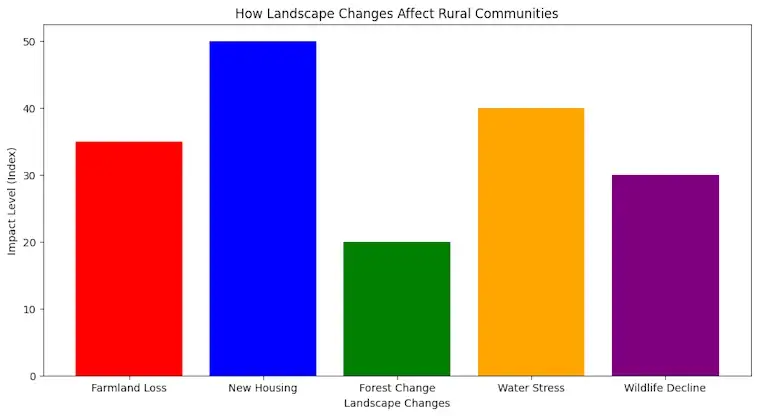
As farmland gives way to new housing, the character of many rural towns begins to shift. New neighbors bring energy and opportunity. Yet long-time residents sometimes feel the loss of open space and the traditions tied to it. At the same time, forests are thinning, water supplies are under more stress, and wildlife habitats are shrinking. Each of these trends affects how people work, travel, and even connect with one another.
And while these shifts can feel overwhelming, understanding them is the first step toward building a stronger future. By paying attention to how the land evolves, rural communities can find ways to adapt, protect what matters, and create new opportunities for the next generation.
Below is a simple chart that highlights some of the biggest landscape changes shaping rural life today.
Why Grassland Conversion Sparks Both Opportunity and Alarm
Grassland conversion is rising fast, and it is reshaping wide stretches of the world. You may have noticed more headlines about disappearing prairies, expanding farms, or new developments on open land. These stories can feel distant, yet they touch your life more than you think. As we look ahead, the choices we make today will influence food security, biodiversity, and even local economies for years to come.
At first glance, grassland conversion can look like progress. It creates room for agriculture, housing, and clean-energy projects. And can also bring jobs and spur economic growth. Yet, at the same time, it sets off alarms among scientists, conservationists, and communities. Once these landscapes change, the loss is often permanent. And that tension—between opportunity and risk—is what makes this topic so urgent.
Grasslands support life in quiet, often overlooked ways. They store carbon, filter water, and protect soil from erosion. And they also host a surprising amount of wildlife. When these areas are plowed, paved, or fragmented, the effects ripple across entire regions. And because grasslands are already one of the most threatened ecosystems on Earth, each new conversion carries extra weight.
Here are some of the most common reasons people feel both excitement and concern around grassland conversion:
- Can boost food production and rural income, yet remove critical wildlife habitat.
- May support renewable energy, yet disturb fragile soils.
- Can expand housing opportunities, yet increase flood and drought risks.
- May strengthen local economies, yet reduce long-term ecological stability.
Looking forward, the challenge is finding balance. We need solutions that allow development without losing the natural systems that keep communities healthy and resilient. This means planning ahead, using smarter land-management tools, and listening to the people who rely on these landscapes.
Grassland conversion will continue, but its impact is not fixed. With thoughtful choices, we can guide change in a way that protects both opportunity and the open spaces we still depend on.
What We Lose When Open Plains Become Production Zones
When open plains shift into full-scale production zones, we lose more than wide horizons and quiet views. We lose parts of our shared natural balance. And as these landscapes change, the effects show up in our daily lives faster than we expect.
These plains once offered room for wildlife to move freely. They filtered water naturally. And they gave us space to breathe, think, and reconnect. But as production takes over—whether for energy, agriculture, or industry—those benefits begin to shrink. And over time, that loss becomes hard to ignore.
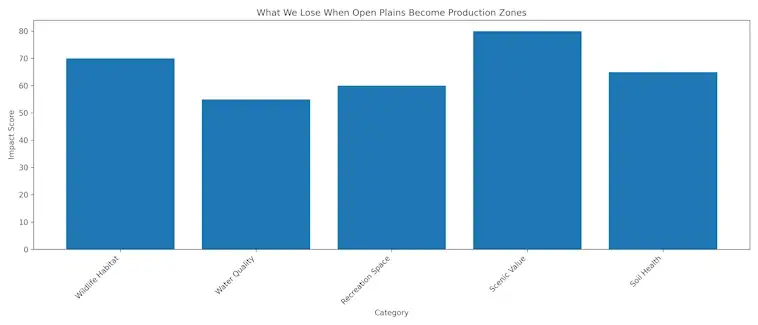
As more land gets developed, the trade-offs grow clearer. We gain output. But we lose habitat, clean water, healthy soil, and the simple joy of untouched land. That is why it helps to look at these impacts side by side. Visualizing the change makes the stakes easier to understand, and it gives us a starting point for better decisions ahead.
Below is a chart that highlights key categories of loss when open plains turn into production zones.
A Look Ahead: How Today’s Choices Will Shape Tomorrow’s Grasslands
The future of our grasslands is being written right now. Every decision we make—how we farm, build, travel, and even shop—plays a role. These wide-open spaces may look endless, but they are more vulnerable than many people realize. As pressures grow, it becomes clear that what we do today will echo across tomorrow’s landscapes.
When we protect grasslands, we don’t just save a view. We safeguard wildlife habitats, store carbon, and support local communities. And as climate change accelerates, these benefits matter more than ever. Still, the path forward can feel uncertain. That’s why taking a closer look at what’s driving change helps us see where we’re headed.
The Hidden Cost of Grassland Conversion
Grassland conversion is one of the biggest forces reshaping these ecosystems. It often happens quietly—one field plowed here, one development there—until large sections of land are gone. Once converted, it’s incredibly hard to bring true grassland back. Yet we still have time to shift course.
Small changes add up. Supporting regenerative agriculture, choosing products from responsible land stewards, and backing conservation efforts can help slow the trend. If you want a deeper dive into why these ecosystems matter, the World Wildlife Fund offers a clear overview of global grassland threats and solutions.
Looking ahead, our choices can still brighten the outlook. With thoughtful action, tomorrow’s grasslands can remain rich, resilient, and alive.
Why Grassland Conversion Matters More Than Ever
Grassland conversion is reshaping our landscapes in ways that are both promising and unsettling. As we have seen, it can boost food production and open new economic doors. Yet it can also erode ecosystems, reduce biodiversity, and alter the natural balance we rely on every day. This mix of value and risk is why the topic deserves our full attention.
As you think about the choices ahead, it helps to remember that change does not have to be destructive. With thoughtful planning, better land-use policies, and community involvement, we can guide grassland conversion toward outcomes that support both people and the planet. And as technology evolves, new tools will make it easier to monitor land, restore habitats, and protect what remains untouched.
Ultimately, the future of grassland conversion depends on the decisions we make right now. By staying informed and pushing for responsible action, we can shape a future where our landscapes stay productive, resilient, and full of life.