
Glaciers and Biodiversity: An Ecosystem at Risk
Glaciers are more than just giant slabs of ice; they’re the cornerstones of vast ecosystems. As these icy giants retreat, they take with them the unique habitats that numerous species depend on for survival. This change not only affects the plants and animals adapted to the cold but also reshapes the lives of communities that rely on glaciers for water and cultural identity. Let’s look at how the retreat of glaciers is altering these ecosystems and what it means for the biodiversity that depends so heavily on them.
Glaciers and Biodiversity: An Ecosystem at Risk
What You’ll Discover
What Are Glacier Ecosystems?
How Glaciers Support Biodiversity
Main Species in Glacier Environments
Effects of Glacier Retreat on Ecosystems
Cascading Effects on Regional Biodiversity
Human Communities: Cultures and Livelihoods
Conservation Efforts and Challenges
The Future of Glacial Ecosystems
What Are Glacier Ecosystems?
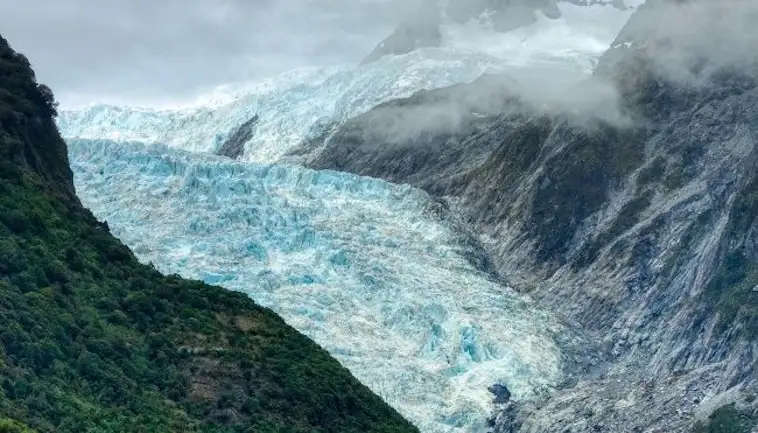
Glacier ecosystems are unique environments found where glaciers cover the landscape. These are cold, often remote areas where the climate is dominated by ice and snow for most of the year. The freezing temperatures and harsh conditions create a setting where only specialised life forms can survive.
Characteristics of Glacier Ecosystems
Here are some basic features that define glacier ecosystems:
- Cold Climate: Temperatures are consistently low, which profoundly affects both the non-living environment and the organisms that live there.
- Ice and Snow: These are the most visible elements. Glaciers are massive bodies of dense ice that move very slowly over land, shaped by their own weight and the terrain beneath them.
- Specialised Life Forms: Despite the extreme conditions, some life thrives here. Organisms include cold-tolerant plants, insects, and even birds that have adapted to the cold and the limited food availability.
Unique Life in Harsh Conditions
Life in glacier ecosystems has adapted in remarkable ways. For example, some plants can grow during the brief summer months when the top layers of ice and snow melt, while certain insects have antifreeze-like chemicals in their bodies to survive freezing temperatures. Birds such as the snow bunting have special behaviours and dietary strategies to cope with the cold and scarcity of food.
Importance to Biodiversity and Environmental Health
Glacier ecosystems are vital for several reasons:
- Biodiversity Hotspots: They support unique species that are found nowhere else on Earth. These organisms have evolved to thrive in extreme conditions, contributing to the planet’s biodiversity.
- Water Reservoirs: Glaciers store about 69% of the world’s freshwater. As they melt, they provide essential water resources for millions of people and numerous ecosystems downstream.
- Climate Indicators: Glaciers are sensitive to climate change. Their retreat and advance provide critical data for studying the effects of environmental changes.
These ecosystems are not just fascinating areas of study; they are crucial indicators of environmental health and global biodiversity. Protecting them helps preserve the balance of nature and ensures that the natural resources they provide are available for the future.
How Glaciers Support Biodiversity
Glaciers are more than just vast expanses of ice; they play a crucial role in supporting biodiversity.
Seasonal Water Suppliers
One of the key roles glaciers play is in water supply. Here’s how:
- Meltwater Contribution: Each spring and summer, glaciers melt slightly, releasing water.
- Rivers and Streams: This meltwater flows into rivers and streams. It’s vital for the plants and animals depending on these waterways.
- Consistent Flow: Even during dry months, glacier melt helps maintain a steady flow of water. This reliability is crucial for the survival of many species.
This cycle of melting and freezing regulates water availability across entire regions, supporting both aquatic and terrestrial ecosystems.
Refuges for Cold-Adapted Species
Glaciers also act as safe havens for species adapted to cold environments:
- Cold-Adapted Flora and Fauna: Some plants and animals can only survive in cold conditions. Glaciers provide the perfect habitat for them.
- Isolation and Protection: These icy areas protect species from predators and competition found in warmer habitats.
As the climate changes, these refugia become even more critical. They offer a sanctuary where cold-loving species can thrive.
Influencers of Local Climates
The presence of glaciers has a significant impact on local climates:
- Temperature Regulation: Glaciers help keep the surrounding area cooler.
- Wind Patterns: They can influence local wind patterns, which in turn affects weather conditions.
By cooling the air and affecting weather, glaciers help create conditions that can support diverse ecosystems. These climatic effects extend well beyond the glaciers themselves, influencing nearby and even distant environments.
Glaciers are vital players in the web of life. They not only support biodiversity through their role in water regimes and as refugia but also by shaping local climates. Protecting glaciers means safeguarding an intricate system that sustains a wide range of life forms. As we continue to observe the effects of climate change, the importance of these ice giants only grows.
Main Species in Glacier Environments
Glacier environments host a variety of species that have adapted to thrive in extreme conditions.
Key Species of Glacier Ecosystems
Snow Algae: These are tiny plants that can photosynthesise, just like their bigger cousins. What makes them special is their ability to live on the snow and ice surfaces of glaciers. They even give the snow a pink or red tint, which is why you might hear about “watermelon snow.”
Arctic Foxes: These small, nimble foxes are well adapted to the cold. They have thick fur that changes colour with the seasons—white in winter to blend in with the snow and grey in the summer for the rocky terrain.
Mountain Goats: Known for their agility, mountain goats can climb steep and rocky terrains to escape predators and find food. Their thick coats protect them from the cold, and their specialised hooves help them grip the ice and rock.
Adaptations to Harsh Conditions
These species have developed amazing adaptations:
- Snow Algae: They produce substances that protect them from the sun’s ultraviolet radiation.
- Arctic Foxes: Their fur not only provides insulation but also changes colour to match the seasonal environment, enhancing their camouflage.
- Mountain Goats: Their hooves are designed to grip slippery surfaces, making it easier to navigate rocky areas near glaciers.
Threats from Changing Habitats
As glaciers retreat, these species face significant challenges:
- Loss of Habitat: Shrinking glaciers mean less living space for species like snow algae and less stable environments for arctic foxes and mountain goats.
- Increased Competition: As the environment changes, these species might face new competitors that were previously unable to survive in the harsher conditions.
The unique species of glacier environments are remarkable examples of what life can do to adapt to the most extreme conditions. However, they are vulnerable to the rapid changes in their habitats caused by glacier retreat. Protecting these environments is crucial for ensuring the survival of these specialised organisms.
Effects of Glacier Retreat on Ecosystems
Glacier retreat has a ripple effect on ecosystems, both directly and indirectly. When glaciers melt and shrink, it’s not just the ice that’s affected.
Physical Changes from Glacier Retreat
Loss of Ice Cover: As glaciers melt, large areas of ice disappear. This changes the landscape and exposes ground that was covered for thousands of years.
Reduced Freshwater Availability: Glaciers are crucial reservoirs of freshwater. When they retreat, there’s less meltwater to feed rivers and streams.
Alterations to the Landscape: Melting glaciers can leave behind drastically altered terrains, including new lakes and altered river paths.
These physical changes can drastically alter the environment, making it hard for existing ecosystems to survive as they once did.
Consequences for Local Ecosystems
Altered Nutrient Flows: Glaciers grind up rock as they move, creating silt that rivers carry to the ocean. This silt is rich in nutrients. When glaciers retreat, these nutrients diminish, affecting the food supply for aquatic and terrestrial ecosystems.
Disrupted Habitat Connectivity: As ice retreats, habitats that were once connected by ice can become isolated. This makes it hard for species to find mates and new food sources.
Here’s how these impacts play out:
- Aquatic Life: Fewer nutrients and changing water temperatures can lead to reduced fish populations, affecting the entire food chain.
- Terrestrial Animals: Animals that rely on glacier-connected habitats may find it difficult to survive if their roaming grounds are reduced or altered.
The retreat of glaciers leads to significant changes in ecosystems. These changes are not just about losing beautiful ice landscapes. They directly affect the water, soil, plants, and animals. Addressing these changes requires understanding and action to help ecosystems adjust and hopefully thrive in their transforming world.
Cascading Effects on Regional Biodiversity
When glaciers retreat, the effects ripple through the entire ecosystem, reaching far beyond the immediate area.
Changes in Glacier-Fed River Systems
Impact on Downstream Ecosystems: Glacier-fed rivers cool and hydrate vast landscapes. As glaciers shrink, these rivers carry less water, which can lead to warmer river temperatures and lower water levels. This change can disrupt the habitats of many aquatic and riparian species.
Influence on Migratory Patterns: Many birds and fish rely on the cues from glacier-fed rivers for migration. Changes in water flow and temperature can confuse these cues, disrupting traditional migratory paths and timings.
Here’s what happens as a result:
- Fish: Species like salmon, which migrate upstream to spawn, may find it difficult to reach their breeding grounds or might encounter unsuitable breeding conditions.
- Birds: Birds that rely on riverside habitats for food and rest during migration might find these stopping points less hospitable.
Impact on Agriculture
Reliance on Consistent Water Supplies: Many farms depend on the steady flow of water from glacier-fed rivers for irrigation. As glaciers retreat, the reliability of these water sources is threatened.
- Reduced Water Availability: Less glacier meltwater during the critical growing season can lead to water shortages.
- Increased Cost and Scarcity: Farmers may need to invest in expensive irrigation solutions or face reduced crop yields.
The retreat of glaciers has profound implications for regional biodiversity and human activities. It alters natural habitats, disrupts the lives of migratory species, and challenges agricultural practices. Understanding these impacts is crucial for developing strategies to mitigate the negative effects and support biodiversity in a changing world.
Human Communities: Cultures and Livelihoods
Glaciers have been an integral part of many cultures around the world. They hold historical, spiritual, and economic significance for communities that live near them.
Cultural and Spiritual Connections
Historical Significance: For thousands of years, glaciers have been landmarks and resources in landscapes inhabited by humans. They appear in legends and are often seen as sacred places.
Spiritual Ties: In many cultures, glaciers are viewed as the home of gods or spirits. These icy giants are respected and often play a part in spiritual rituals and practices.
Economic Importance
Water Resources: Glaciers provide fresh water for millions of people. This water is used for drinking, irrigation, and hydropower.
Tourism: In places like the Alps, the Andes, and Alaska, glaciers attract tourists who bring economic benefits to local communities.
Adaptations to Change
As glaciers retreat, the communities that depend on them are forced to adapt:
- Water Management: Communities are developing new ways to manage water resources as traditional glacier-fed streams diminish.
- Alternative Economic Activities: Some areas are shifting from glacier-based tourism to other forms of income, such as eco-tourism that focuses on other natural attractions.
The Future of Glacier-Dependent Communities
Challenges Ahead: The retreat of glaciers poses significant challenges. Water scarcity, loss of income, and the need to adjust traditional ways of life are just a few examples.
Cultural Loss: As glaciers vanish, the cultural heritage connected to them may fade as well. Stories, rituals, and historical connections risk being lost.
The bond between human communities and glaciers is profound and multifaceted. As we witness these ancient ice masses retreat, the communities that have grown around them face uncertain futures. By understanding and supporting these communities in transition, we can help preserve their rich cultural legacies and assist in their adaptation efforts.
Conservation Efforts and Challenges
Preserving glacier environments and the diverse life they support is crucial yet challenging. Communities and organisations worldwide are working on various strategies to protect these icy realms.
Current Strategies in Glacier Conservation
Monitoring Glacier Health: Scientists use satellites and on-the-ground sensors to track glacier size and melt rates. This data helps us understand how quickly glaciers are changing.
Protecting Endangered Species: Efforts to protect species unique to glacier ecosystems involve habitat protection and legal protections against poaching and exploitation.
Mitigating Climate Change Impacts: Reducing greenhouse gas emissions is critical. Local initiatives include promoting renewable energy sources and enhancing public awareness about the importance of glaciers.
International Efforts
- Global Climate Agreements: International agreements like the Paris Accord aim to limit global warming, indirectly helping to preserve glaciers.
- Collaborative Research Projects: Countries collaborate on research to improve understanding of glacier dynamics and ecological impacts.
Efficacy and Obstacles
Successes: Some regions have seen improvements in local biodiversity through targeted conservation projects. Community involvement often increases the success of such initiatives.
Challenges:
- Funding: Conservation projects are expensive. Adequate funding is often a major barrier.
- Political Will: Effective glacier conservation requires strong political commitment, which can vary significantly between regions.
- Global Cooperation: As glaciers affect global sea levels and climate systems, their conservation is a global issue that requires widespread international cooperation.
While there are promising strategies in place to conserve glacier environments, significant challenges remain. Success depends on our ability to work together globally and commit to long-term solutions for the health of our planet. This is not just about saving glaciers but preserving the life and human communities that depend on them.
The Future of Glacial Ecosystems
The future of glacier-dependent ecosystems looks challenging but isn’t without hope. Understanding what might happen helps us prepare and adapt.
Projections of Glacier Shrinkage
Climate models are pretty clear: glaciers are shrinking. Here’s what that looks like:
- Faster Melting: Most studies predict that glaciers will continue to melt faster due to global warming.
- Significant Reductions: Some glaciers might disappear entirely in the next few decades, especially those at lower altitudes or smaller in size.
This shrinkage will have direct effects on the ecosystems that rely on these icy giants.
Potential Scenarios for Biodiversity
With glaciers retreating, biodiversity in these areas faces several scenarios:
- Loss of Habitat: Many species adapted to cold glacier environments might lose their homes.
- Decreased Water Availability: Reduced glacier melt will affect freshwater availability, impacting both aquatic and terrestrial life.
- Altered Food Webs: Changes in water temperature and flow can disrupt the food chains, affecting everything from tiny insects to large predators.
Importance of Ongoing Research and Cooperation
Understanding and mitigating these impacts requires global effort:
- Ongoing Research: Scientists continue to monitor glaciers, studying how their retreat affects biodiversity. This research helps predict changes and plan conservation strategies.
- International Cooperation: Protecting glacier-dependent ecosystems is a global issue. It requires countries to work together, sharing data and strategies.
The road ahead for glacier-dependent ecosystems is tough. But with continued research and international cooperation, we can aim to preserve these critical habitats. The work done now is vital for protecting the diverse life that depends on glaciers and for maintaining the health of our planet.
Conclusion
Glaciers are more than just stunning landscapes of ice and snow; they are crucial to maintaining the balance of our planet’s ecosystems. As these icy giants continue to retreat, the risk to biodiversity increases, affecting everything from tiny alpine plants to large predatory animals. The impacts extend far beyond the glaciers themselves, influencing water supplies, agricultural practices, and the overall health of our global environment.
We need to address these changes proactively. By strengthening international cooperation and continuing our research efforts, we can better understand and mitigate the effects of glacier retreat. Each step we take to reduce our carbon footprint and support sustainable practices contributes to the health of these vital ecosystems. Let’s commit to protecting these icy realms for future generations, preserving the rich diversity of life that relies on them.