

Glacial Coast: Discover the Wild Beauty Few Ever Experience
Glacial Coast: A Journey Through One of the Planet’s Most Spectacular Coastlines
A glacial coast is one of the world’s most dramatic landscapes, where towering cliffs, ancient ice, crashing waves, and icy waters come together to create a shoreline shaped by thousands of years of natural change. These remote environments reveal the powerful forces that continue to carve the land while supporting an incredible variety of life that has adapted to some of the harshest conditions on Earth.
Every season brings a different view. Melting glaciers release freshwater into the sea, rocky headlands stand against relentless storms, and sheltered coves provide vital habitat for seabirds, seals, whales, and countless marine species. Despite the cold climate, these coastal regions are rich in biodiversity and play an important role in the health of the planet’s oceans.
From striking geological formations to resilient ecosystems, these remarkable coastlines offer a rare glimpse into nature at its most powerful. Understanding how they formed, why they matter, and the challenges they now face reveals why these wild places continue to inspire scientists, photographers, and travellers from around the world.
What You’ll Discover
Glacial Coast: Where Ice Meets the Ocean
How Glaciers Shape a Rugged Shoreline
Wildlife Adapted to Extreme Coastal Conditions
Unique Ecosystems Thriving on the Edge
Why These Fragile Coastal Habitats Matter
Conclusion: Experience the Magic of Alaska’s Glacial Coast
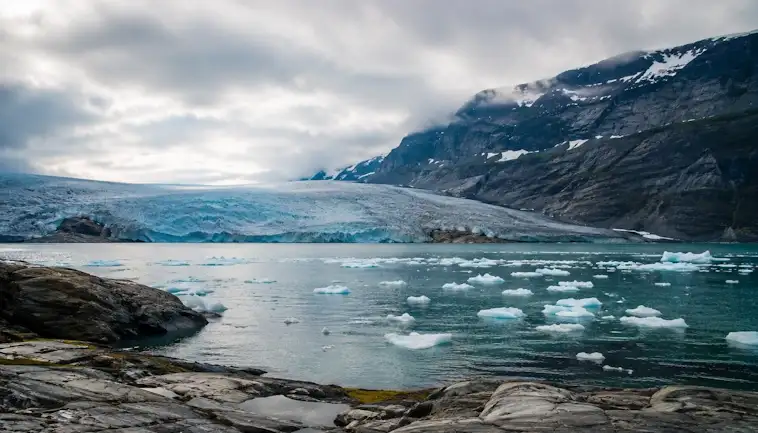
Glacial Coast: Where Ice Meets the Ocean
The Alaskan Glacial Coast is one of those rare places where nature feels larger than life. Here, massive rivers of ice slowly flow from the mountains until they meet the sea. As a result, the landscape is always changing. Ice breaks away, new channels form, and wildlife adapts to this ever-moving environment.
For many visitors, this is one of the most memorable parts of Alaska. The mix of towering glaciers, icy waters, and snow-covered peaks creates breath-taking scenery at every turn. At the same time, the coastline is full of life. Whales, seals, sea otters, and countless seabirds all depend on these cold waters.
Whether you explore by cruise ship, kayak, or small boat, the Glacial Coast offers an unforgettable experience. Every journey reveals something different, making each visit unique.
Witness the Incredible Power of Alaska’s Glaciers
Glaciers may appear still, but they are constantly moving. Over thousands of years, layers of snow compress into dense ice. Eventually, gravity pulls these huge ice masses toward the ocean. When chunks of ice finally break away, the event is known as calving. Watching this happen is both exciting and humbling.
Many of Alaska’s most famous glaciers can be found along this coastline. Some stretch for miles, while others end dramatically at the edge of the sea. Depending on the season, visitors may even hear the thunderous crack of ice before watching enormous blue blocks plunge into the water.
Key highlights of Alaska’s Glacial Coast include:
- Towering tidewater glaciers that flow directly into the ocean.
- Bright blue ice formed under immense pressure over centuries.
- Icebergs of every size floating through protected bays.
- Calm fjords surrounded by steep mountain cliffs.
- Excellent opportunities for wildlife viewing alongside stunning scenery.
- Scenic cruises that provide close-up views of active glaciers.
- Guided kayaking trips through peaceful glacial waters.
- Countless photography spots with spectacular natural backdrops.
Wildlife Thrives Along the Frozen Shoreline
Although the environment looks harsh, it supports an amazing variety of wildlife. In fact, nutrient-rich waters created by glaciers attract marine life throughout the year. This makes the Glacial Coast one of Alaska’s best places for wildlife watching.
While exploring the area, you may spot:
- Humpback whales feeding in icy waters.
- Harbour seals resting on floating icebergs.
- Sea otters drifting through calm bays.
- Bald eagles soaring overhead.
- Puffins and other seabirds nesting along rocky cliffs.
- Brown and black bears searching nearby shorelines for food.
The changing seasons bring different wildlife experiences, so no two visits are ever the same. Whether you come for the glaciers, the animals, or simply the incredible scenery, Alaska’s Glacial Coast delivers an unforgettable adventure where ice truly meets the ocean.
Heat Unlocked: The Role of Greenhouse Gases in Global Warming
They trap heat from the sun and keep Earth warm enough for us to live. But when there’s too much of these gases in the air, it leads to problems.
How Glaciers Shape a Rugged Shoreline
The Alaskan coastline is one of the most dramatic landscapes on Earth, and glaciers are the reason why. Over thousands of years, these giant rivers of ice have carved deep valleys, created narrow fjords, and shaped towering cliffs that now rise above the ocean. As the ice slowly moves, it continues to reshape the land, making this one of the most fascinating natural environments you can explore.
Today, the shoreline is a mix of icy bays, rocky islands, and snow-capped mountains. Every season brings subtle changes as glaciers advance, retreat, or release massive icebergs into the sea. Because of this, no two visits to Alaska’s glacial regions are ever quite the same.
Whether you are sailing through a quiet fjord or standing on a viewing platform overlooking a glacier, you can clearly see the incredible forces that have shaped this remarkable coastline.
Glacial Coast Landscapes Tell a Story of Ice
The Glacial Coast is like a living history book written in stone and ice. Every valley, inlet, and mountain ridge reveals the powerful impact glaciers have had over countless centuries. As the ice moved across the land, it carved wide U-shaped valleys and left behind the stunning scenery visitors enjoy today.
Some of the most striking features include:
- Deep fjords created by ancient glaciers.
- Towering cliffs rising above icy waters.
- Tidewater glaciers that flow directly into the sea.
- Crystal-clear glacial lakes surrounded by mountains.
- Rocky islands shaped by retreating ice.
- Floating icebergs that constantly change the coastal landscape.
These natural features not only create breath-taking views but also provide important habitats for wildlife. As a result, the Glacial Coast is as rich in biodiversity as it is in beauty.
The Landscape Is Still Changing Today
One of the most remarkable things about Alaska’s glacial shoreline is that it is still evolving. Glaciers continue to move, although very slowly. At the same time, warmer temperatures have caused many glaciers to retreat, revealing new land and creating fresh waterways.
As glaciers melt and shift, they continue to shape the coastline by:
- Carving new channels through valleys.
- Depositing rocks and sediment along the shore.
- Forming new lakes as ice retreats.
- Creating habitats for plants and animals.
- Producing icebergs that drift through coastal waters.
This constant transformation makes every visit unique. It also reminds us that nature is always at work, even when the changes seem slow. By exploring Alaska’s rugged shoreline, you are witnessing a landscape that has been shaped by ice for thousands of years and continues to evolve with every passing season.

Growing Green: Organic Farming’s Health and Eco Benefits
Have you ever thought about the impact of organic farming on our health and the environment? Choosing organic methods means saying no to synthetic chemicals and embracing nature’s ways.
Wildlife Adapted to Extreme Coastal Conditions
Life along Alaska’s glacial coastline is far tougher than it first appears. Freezing temperatures, icy waters, and changing weather create one of the harshest environments on Earth. Yet, despite these challenges, many animals have adapted and continue to thrive.
The cold, nutrient-rich waters provide a steady food source for marine life, while the rugged shoreline offers safe places to rest, nest, and raise young. As a result, the Glacial Coast is home to an incredible variety of wildlife throughout the year.
Whether you are cruising through a fjord or watching from the shoreline, there is always a chance to see amazing animals in their natural habitat. Every season brings new wildlife encounters, making each visit a little different from the last.
Amazing Animals That Call the Glacial Coast Home
The Glacial Coast supports a rich mix of marine mammals, birds, and land animals. Each species has developed unique ways to survive in this cold and ever-changing environment. Thick fur, insulating layers of fat, waterproof feathers, and seasonal migration all help wildlife cope with the extreme conditions.
Some of the remarkable animals you may encounter include:
- Humpback whales feeding on schools of fish and krill.
- Orcas hunting in the deep coastal waters.
- Harbour seals resting on floating icebergs.
- Sea otters wrapped in dense fur to stay warm.
- Steller sea lions gathering on rocky shores.
- Bald eagles soaring above the coastline in search of fish.
- Puffins nesting on steep coastal cliffs.
- Brown bears foraging along streams and beaches.
- Mountain goats climbing rocky slopes above the fjords.
Each species plays an important role in maintaining the balance of this unique coastal ecosystem.
How Wildlife Survives in a Harsh Environment
Survival on the Glacial Coast depends on a range of remarkable adaptations. While the weather can be unpredictable, these animals have evolved over thousands of years to cope with freezing temperatures and limited food during certain seasons.
Some of their survival strategies include:
- Thick layers of blubber that help marine mammals stay warm.
- Dense, waterproof fur that traps heat close to the body.
- Seasonal migration to follow food sources.
- Excellent swimming and diving abilities for hunting.
- Sharp eyesight to spot prey from long distances.
- Strong claws and powerful bodies for climbing and fishing.
- Nesting on remote cliffs to protect eggs from predators.
- Feeding during seasonal fish runs when food is plentiful.
These incredible adaptations allow wildlife to flourish where many other species could not survive. As you explore Alaska’s Glacial Coast, you quickly discover that every glacier, fjord, and rocky shoreline supports a thriving ecosystem. It is a powerful reminder that even the harshest landscapes can be full of life.
The Influence of Seasonal Shifts on Our Lives and Landscapes
Seasons are shifting, and it’s not only the weather that’s transforming. As Earth’s patterns undergo changes, so too do the birds in the sky and the plants in our gardens.
Unique Ecosystems Thriving on the Edge
At first glance, Alaska’s icy coastline may seem cold and lifeless. However, a closer look tells a very different story. The Glacial Coast is home to a rich collection of ecosystems that support an amazing variety of plants and animals. From icy fjords to lush coastal forests, every habitat plays an important role in keeping this remarkable region healthy.
As glaciers slowly shape the land, they also create new environments where life can take hold. Freshwater streams, rocky shorelines, wetlands, and sheltered bays all provide food, shelter, and breeding grounds for countless species. Because these habitats are closely connected, even small changes can affect the entire ecosystem.
Whether you are watching wildlife from a boat or exploring a quiet coastal trail, you will quickly notice how every part of the landscape works together.
Glacial Coast Ecosystems Support Incredible Biodiversity
The Glacial Coast is far more than a collection of glaciers. It is a network of thriving ecosystems that stretch from the mountains to the sea. Cold, nutrient-rich waters fuel an abundance of marine life, while nearby forests and wetlands provide shelter for birds and mammals.
Some of the most important habitats found along the coast include:
- Deep fjords filled with marine life.
- Tidewater glacier bays where seals gather.
- Rocky shorelines rich in shellfish and seaweed.
- Coastal rainforests filled with towering spruce and hemlock trees.
- Wetlands that support migratory birds.
- Fast-flowing rivers where salmon return to spawn.
- Kelp forests that provide food and shelter for marine species.
- Alpine slopes where mountain goats and other wildlife thrive.
Together, these habitats create one of the most productive coastal environments in North America.
Nature’s Balance Depends on Healthy Coastal Habitats
Every ecosystem along Alaska’s coastline is linked to another. For example, salmon carry nutrients from the ocean into rivers and forests. In turn, bears, eagles, and other wildlife depend on these seasonal fish runs for food. Even fallen trees help shape streams that support young fish.
This natural balance depends on several key factors:
- Clean, cold water flowing from glaciers.
- Healthy salmon populations feeding both land and marine wildlife.
- Protected estuaries where young fish can grow.
- Coastal forests that stabilize the shoreline and provide shelter.
- Kelp beds that help support a rich marine food web.
- Seasonal migrations that keep ecosystems connected.
These natural systems have developed over thousands of years, creating a delicate balance that continues to support life in challenging conditions. By protecting Alaska’s Glacial Coast, we also help preserve the wildlife, landscapes, and ecological processes that make this extraordinary region unlike anywhere else in the world.

Why Biodiversity Preservation is Essential for Life’s Balance
Biodiversity encompasses all life on Earth, from tiny insects to large mammals. It’s not just about nature’s beauty—it’s vital for our survival.
Why These Fragile Coastal Habitats Matter
Alaska’s glacial coastline is one of the most beautiful places on Earth. However, it is also one of the most delicate. Every glacier, fjord, wetland, and coastal forest is connected, creating a natural system that supports an incredible range of wildlife. Even small changes to one habitat can affect many others.
These coastal environments do far more than provide stunning scenery. They help maintain healthy oceans, support local communities, and protect countless species. In addition, they offer scientists valuable insights into how ecosystems respond to changing conditions.
When you visit the Glacial Coast, you are not just seeing spectacular landscapes. You are exploring one of nature’s most important living ecosystems.
The Vital Role of Alaska’s Coastal Habitats
Each habitat along the glacial shoreline has a purpose. Together, they create a healthy environment where wildlife can feed, breed, and thrive. From icy bays to dense forests, every part of the coastline contributes to the region’s long-term health.
These habitats provide many important benefits, including:
- Safe breeding areas for seals, seabirds, and other marine wildlife.
- Nutrient-rich waters that support fish and marine mammals.
- Salmon rivers that sustain both wildlife and local communities.
- Coastal forests that provide shelter for birds and land animals.
- Wetlands that naturally filter water and reduce flooding.
- Kelp forests that protect young marine species from predators.
- Shorelines that help reduce erosion caused by waves and storms.
- Valuable natural areas for scientific research and conservation.
Together, these ecosystems create a healthy balance that benefits both nature and people.
Protecting Coastal Ecosystems for Future Generations
Although these habitats are resilient, they are also vulnerable. Climate change, pollution, habitat loss, and increasing human activity can all place extra pressure on this unique environment. That is why conservation efforts are more important than ever.
Protecting Alaska’s coastal habitats helps to:
- Preserve biodiversity across land and sea.
- Support healthy fish populations for future generations.
- Safeguard nesting and breeding areas for wildlife.
- Maintain clean water and thriving marine ecosystems.
- Reduce the impact of coastal erosion.
- Protect natural carbon stores found in wetlands and coastal vegetation.
- Support sustainable tourism and local economies.
- Ensure future visitors can experience these remarkable landscapes.
Every action, no matter how small, can make a difference. By respecting wildlife, following responsible travel practices, and supporting conservation initiatives, we all play a part in protecting Alaska’s fragile coastal habitats. In doing so, we help preserve the beauty, biodiversity, and natural wonder of this extraordinary coastline for generations to come.
Conclusion: Experience the Magic of Alaska’s Glacial Coast
A journey along Alaska’s glacial coast is unlike any other travel experience. From towering glaciers and peaceful fjords to thriving wildlife and untouched landscapes, every moment offers something memorable. Whether you dream of watching whales glide through icy waters, seeing glaciers calve into the sea, or simply enjoying the silence of nature, this remarkable coastline delivers unforgettable adventures.
At the same time, the glacial coast reminds us how powerful and fragile nature can be. Its unique ecosystems support an incredible variety of wildlife while continuing to evolve through the forces of ice, water, and time. By exploring responsibly and supporting conservation efforts, we can help protect these extraordinary places for future generations.
If you are looking for a destination that combines breath-taking scenery, incredible wildlife, and a true sense of wilderness, Alaska’s glacial coast deserves a place at the top of your travel list. Once you experience its wild beauty for yourself, you will understand why so few places in the world leave such a lasting impression.