

Fuel Extraction: The Hidden Cost Beneath Our Feet
The Real Price of Fuel Extraction: How Digging for Energy Damages Our Planet
Beneath the ground lies a story few people think about—one that shapes our environment, our health, and our future. Fuel extraction powers our modern world, but the process often leaves behind a legacy that’s hard to ignore. From drilling sites that scar fragile ecosystems to the unseen pollution that seeps into soil and water, the true cost of keeping our engines running reaches far deeper than the surface.
Every barrel of oil, lump of coal, or cubic meter of gas carries hidden consequences. Landscapes are altered, wildlife habitats shrink, and entire communities face long-term damage. These are not distant problems—they touch everything from food security to clean air. As demand for energy grows, understanding what lies beneath our progress becomes more urgent than ever.
The challenge now is to rethink how energy is sourced and what kind of footprint it leaves behind. A sustainable future depends on acknowledging the trade-offs of extraction and pushing for cleaner, fairer alternatives that protect both people and the planet.
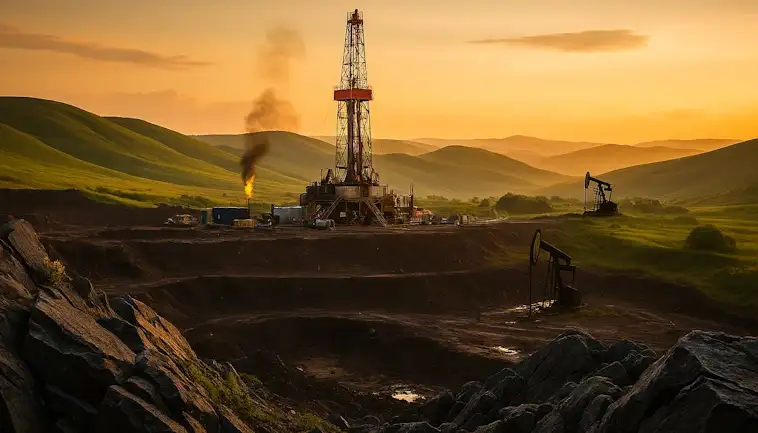
Fuel Extraction and the Earth’s Fragile Balance
The world runs on energy. From the cars we drive to the lights that guide us home, fuel extraction powers nearly every part of modern life. But behind this convenience lies a story that’s far less comfortable — one about balance, loss, and our planet’s delicate systems struggling to keep up.
Fuel extraction might sound like a technical process, but its impact reaches deep into the natural world. Every time we drill, mine, or dig for oil, gas, or coal, we disturb ecosystems that took millions of years to form. The soil, water, and air all absorb the shock. Over time, this disruption weakens nature’s ability to recover.
The Hidden Cost Beneath Our Feet
Think of the Earth as a living system — one that thrives on stability. When we remove resources faster than the planet can replenish or adapt, we tilt that balance. Forests are cleared for access roads. Rivers are diverted to support drilling. And once extraction begins, carbon emissions rise sharply. This not only fuels climate change but also accelerates biodiversity loss.
Yet, it’s not all doom and gloom. Around the world, innovative projects are finding ways to reduce environmental damage while meeting energy needs. Countries are investing in cleaner extraction methods and renewable alternatives. For instance, the International Energy Agency (IEA) offers insight into how global fuel production is shifting toward sustainability.
To move forward, we must rethink how we power our lives. The goal isn’t to abandon energy but to balance human progress with environmental care. Because if fuel extraction continues unchecked, the Earth’s fragile balance may reach a tipping point — one that affects us all.
Digging Deeper: How Resource Demand Drives Environmental Damage
Every product we buy and every click we make has a hidden cost. From the metals in our phones to the fuel in our cars, our growing appetite for resources is leaving deep marks on the planet. It’s easy to forget that behind modern convenience lies a massive system of extraction, processing, and waste — all of which come with environmental consequences.
Let’s break it down. Mining for metals, drilling for oil, and harvesting forests are essential for our global economy, but they also contribute to land degradation, pollution, and biodiversity loss. The demand for these resources is rising fast, especially as developing economies expand and technology evolves. The more we consume, the more pressure we put on nature to keep up.
Take smartphones, for example. Each device requires dozens of rare earth elements. Extracting these materials often means clearing forests, contaminating water, and releasing greenhouse gases. Multiply that by billions of users, and you start to see the scale of the issue.
But there’s a silver lining. Companies and consumers are beginning to push for more sustainable options — from recycling and reusing materials to developing cleaner energy sources. Small shifts in behavior, like choosing products made from recycled content or supporting brands committed to ethical sourcing, can make a real difference.
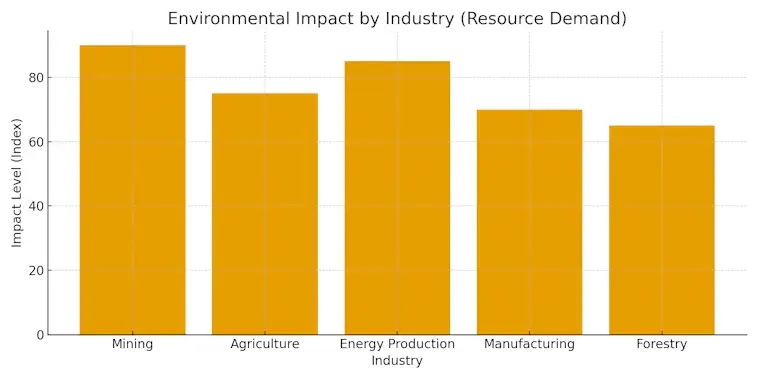
If we want a future where progress doesn’t come at nature’s expense, we need to rethink how we use and value resources. It’s about smarter consumption, not endless extraction.
Fuel Extraction’s Real Price: From Soil Degradation to Water Scarcity
We often think of fuel extraction as something that happens far away — deep underground or offshore, out of sight and out of mind. But the truth is, it’s affecting our planet in ways that hit closer to home than most of us realize. Every drop of oil or lump of coal has a hidden cost, and it’s one we’re already paying through damaged ecosystems, polluted water, and disappearing farmland.
Fuel extraction doesn’t just leave scars on the land; it disrupts entire systems that support life. When forests are cleared for drilling or mining, the soil loses its structure and fertility. Water sources become contaminated. And local communities are left struggling with the aftermath.
Here’s what’s really happening beneath the surface:
- Soil degradation: Extraction sites strip away topsoil, leaving barren land that can’t support crops or wildlife.
- Water contamination: Chemicals used in drilling and mining seep into groundwater, harming both humans and animals.
- Water scarcity: Overuse of water during extraction drains rivers and aquifers, especially in already dry regions.
- Loss of biodiversity: Habitats are destroyed, forcing species to move—or vanish altogether.
- Climate disruption: The release of methane and carbon during extraction accelerates global warming.
It’s easy to overlook these effects when we turn on the lights or fill up the car, but they’re part of a bigger story about how our energy choices shape the planet’s future. Sustainable alternatives like wind, solar, and geothermal aren’t just cleaner—they’re a way to heal what’s been damaged and protect what remains.
If you’d like to learn more about the environmental cost of fossil fuels, check out the United Nations Environment Programme’s report on resource extraction.
Communities on the Frontline: The Human Toll of Energy Harvesting
Across the world, the cost of energy isn’t just measured in dollars or megawatts—it’s written in the lives of people who live closest to extraction sites. From coal miners in Appalachia to families near lithium fields in Nevada, communities are paying a steep human price for our growing energy demands.
When we talk about “clean” or “cheap” energy, it’s easy to forget what happens behind the scenes. In coal regions, black lung disease and water contamination have become grim realities. Oil-rich plains face toxic spills that seep into soil and drinking water. Even renewable projects, like lithium mining or hydroelectric dams, can uproot communities or destroy local ecosystems.
These people aren’t just statistics. They’re parents, workers, and neighbors breathing polluted air or watching their homes erode from industrial expansion. Yet, their voices often go unheard in the global energy conversation.
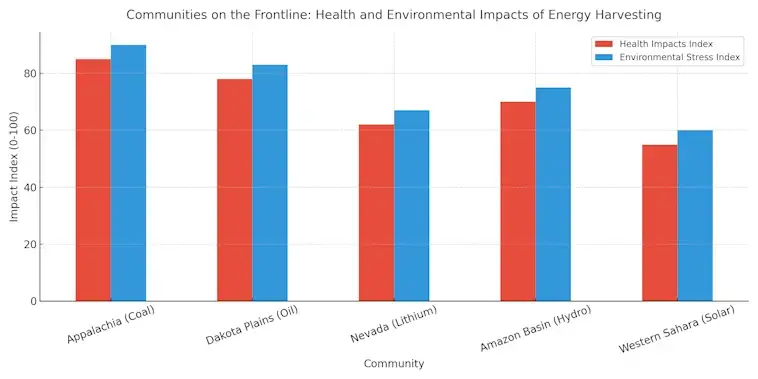
What’s becoming clear is that our transition to new energy systems must be fair. Cleaner power shouldn’t come at the expense of those living at the source. Protecting these frontline communities isn’t just a moral issue—it’s key to building a truly sustainable future.
Rethinking Our Future: Can Clean Energy Replace the Old Model?
The way we power our world is changing—fast. For more than a century, fossil fuels have been the backbone of global progress. But now, the cracks in that old model are showing. Rising temperatures, extreme weather, and polluted cities are forcing us to ask an important question: Can clean energy truly take over?
The good news is that we’re not starting from scratch. Renewable energy—like solar, wind, and hydro—is no longer an experiment. It’s here, scaling up, and reshaping how we think about growth. Countries that once depended heavily on oil are now investing in solar farms and offshore wind projects. Even major energy companies are diversifying, recognizing that the next boom won’t come from drilling deeper—it’ll come from thinking smarter.
The Hidden Cost of Fuel Extraction
Behind every barrel of oil and ton of coal lies a chain of impact. Fuel extraction isn’t just about pulling resources from the ground—it also tears up ecosystems, consumes water, and releases methane into the atmosphere. These hidden costs have long been ignored, but they’re catching up with us. Transitioning to clean energy isn’t only about technology; it’s about acknowledging the true price of the old system.
Still, change takes time. Renewable infrastructure needs huge investment, reliable storage, and better grids. Yet, every new wind turbine and solar panel moves us closer to energy independence—and a future where power doesn’t come at the planet’s expense.
The shift to clean energy isn’t just possible—it’s already happening. The question now isn’t if we’ll replace the old model. It’s how fast we can make it happen.
Digging Deeper: It’s Time to Rethink Our Energy Choices
Every barrel of oil, ton of coal, or cubic foot of gas we extract carries a price far beyond what we see at the pump or on our bills. Beneath the surface lies a trail of damaged ecosystems, displaced communities, and carbon emissions that shape our shared future. Yet, it doesn’t have to stay this way.
As technology advances and renewable energy becomes more affordable, we stand at a turning point. Choosing cleaner, more responsible energy sources isn’t just about reducing pollution—it’s about investing in a livable planet for generations to come.
If this topic hit close to home, take the next step. Start by learning where your energy comes from, supporting sustainable initiatives in your area, or sharing this post to spark a wider conversation. The power to change the story of fuel extraction starts with awareness—and with us.