
Human Actions Are Pushing Earth Past the Point of No Return
The Hidden Cost of Human Actions on Earth’s Future
Human actions are reshaping the planet faster than nature can recover. From burning fossil fuels to clearing forests, our choices are accelerating climate change and erasing fragile ecosystems. Rising sea levels, record-breaking heat, and mass extinctions are no longer distant warnings—they are happening now. If these destructive patterns continue, the damage could soon reach a point where recovery is impossible. The question is no longer whether Earth is changing, but how much longer it can withstand the strain we’re placing on it.

How Human Actions Are Fueling Climate Change Worldwide
Climate change is no longer a distant problem. It is happening now, and much of it can be traced to human actions. From the way we power our homes to the food we eat, our choices are shaping the planet’s future. Scientists agree that the rise in global temperatures is directly linked to greenhouse gases like carbon dioxide and methane, most of which come from burning fossil fuels and large-scale agriculture.
The Impact of Fossil Fuels
Coal, oil, and natural gas remain the primary energy sources for much of the world. While they power our industries, cars, and homes, they also release massive amounts of carbon dioxide into the atmosphere. This traps heat, disrupts weather patterns, and intensifies storms, droughts, and wildfires. Renewable energy sources like wind and solar can reduce emissions, but the global shift is still moving too slowly to keep up with rising demand.
Agriculture and Deforestation’s Hidden Role
Agriculture, particularly livestock farming, is another major driver of climate change. Cows produce methane, a potent greenhouse gas, while clearing forests for farmland destroys natural carbon sinks. Deforestation not only releases stored carbon but also reduces the Earth’s ability to absorb future emissions. Sustainable farming practices and protecting forests can play a critical role in slowing this trend, but widespread action is still lacking.
Every choice we make—how we travel, what we eat, and how we use energy—has an impact. While governments and industries play a huge role, individuals can also drive change by supporting clean energy, reducing waste, and choosing sustainable products. If we act together, we can slow climate change and protect our planet for future generations.
The Role of Human Actions in Deforestation and Habitat Loss
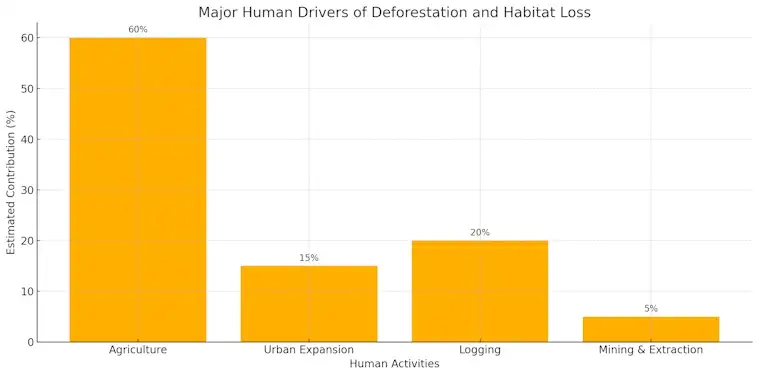
Deforestation and habitat loss are accelerating worldwide, and most of it is driven by human activity. From clearing land for agriculture to harvesting timber, human actions are stripping away the natural spaces that countless species call home. This destruction not only threatens wildlife but also fuels climate change by releasing stored carbon and weakening the planet’s ability to absorb greenhouse gases.
Farming and Urban Expansion’s Growing Impact
One of the biggest drivers of deforestation is large-scale farming. Forests are cleared to make way for cattle, soy, and palm oil production—commodities that fuel global markets. As cities grow, urban expansion adds another layer of pressure, replacing forests with roads, homes, and infrastructure. These changes break up ecosystems, making it harder for animals to find food, migrate, or reproduce. The loss of biodiversity can destabilize entire ecosystems, affecting everything from pollination to water cycles.
Logging and Resource Extraction
Logging, both legal and illegal, also contributes to habitat destruction. While wood and paper remain in high demand, unsustainable logging practices strip forests faster than they can recover. Mining and oil extraction add further stress, as they carve through habitats and pollute surrounding areas. These industries often leave behind damaged landscapes that can take decades—or longer—to recover.
Protecting forests and the life they support requires change at every level. Supporting sustainable products, enforcing stronger environmental laws, and promoting reforestation can help slow the loss. Individuals can also make a difference by reducing demand for products linked to deforestation and supporting companies committed to ethical practices. Together, these steps can help preserve the planet’s most vital ecosystems for future generations.
Why Human Actions Are Driving Species to Extinction
Across the globe, species are disappearing at a pace scientists consider unprecedented. While extinctions have always occurred in nature, the current surge is largely fueled by human actions. From habitat destruction to pollution, human actions are creating conditions where plants and animals struggle to survive. The loss of biodiversity doesn’t just harm wildlife—it threatens ecosystems that humans rely on for clean air, food, and water.
Habitat Destruction and Fragmentation
The biggest driver of extinction is habitat loss. Forests, wetlands, and grasslands are cleared for agriculture, cities, and infrastructure. These changes don’t just shrink habitats; they fragment them, isolating species into smaller areas where they can’t find enough food or mates. Roads and urban sprawl create barriers that many animals cannot cross, leading to population declines and, eventually, extinction.
Overexploitation and Pollution
Overfishing, hunting, and the illegal wildlife trade also push species to the brink. Unsustainable practices deplete populations faster than they can recover. At the same time, pollution—especially plastic waste and chemical runoff—contaminates habitats, poisoning marine and land species alike. Climate change adds another layer of stress, as rising temperatures and shifting weather patterns alter ecosystems faster than many species can adapt.
Preventing further extinctions will require coordinated efforts worldwide. Governments must strengthen conservation laws, businesses need to adopt sustainable practices, and individuals can make choices that reduce harm—such as supporting eco-friendly products and responsible tourism. Protecting biodiversity isn’t just about saving animals; it’s about preserving the balance of nature that supports human life. Together, we still have time to reverse the trend and safeguard Earth’s incredible diversity for generations to come.
The Connection Between Human Actions and Rising Sea Levels
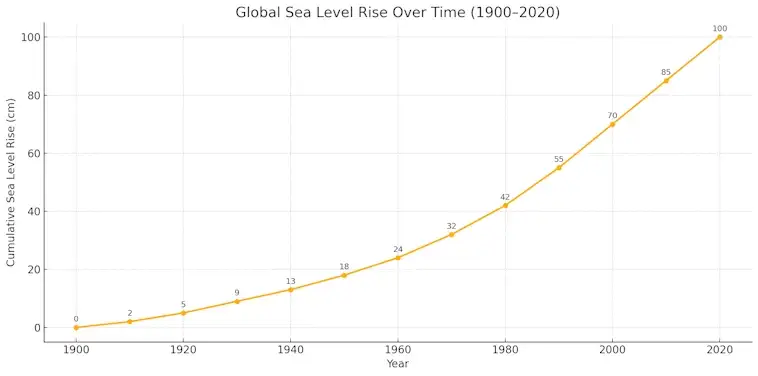
Rising sea levels are one of the clearest signs of a warming planet, and human actions are at the center of the problem. As greenhouse gases from burning fossil fuels trap heat in the atmosphere, global temperatures climb. This heat melts glaciers and ice sheets, while also causing seawater to expand. Together, these effects are driving ocean levels higher, threatening coastlines, communities, and ecosystems worldwide.
How Greenhouse Gases Fuel the Rise
The biggest driver of rising sea levels is the burning of coal, oil, and gas. These fuels power our cars, homes, and industries but also release vast amounts of carbon dioxide. This traps heat, warming the planet and accelerating ice melt in Greenland and Antarctica. Warmer oceans expand, adding even more to the rise. If emissions continue at today’s pace, scientists warn that sea levels could rise several feet by the end of the century, displacing millions of people.
Coastal Impacts and Flood Risks
Communities along coasts are already feeling the effects. Flooding is becoming more frequent, saltwater is seeping into freshwater supplies, and storms are growing more destructive as higher seas amplify their impact. Iconic cities like Miami, Jakarta, and Bangkok face increasing threats, with billions of dollars at stake in damage and adaptation costs.
Addressing rising sea levels starts with reducing emissions and transitioning to renewable energy. Restoring wetlands, protecting mangroves, and designing smarter infrastructure can also help buffer against future impacts. While the challenge is enormous, collective action from individuals, governments, and industries can still slow the rise and protect vulnerable areas. The sooner we act, the better chance we have of safeguarding our coasts for generations to come.
Can We Reverse the Damage Caused by Human Actions?
The damage humans have caused to the planet—from deforestation to rising carbon emissions—can feel overwhelming. Yet, while we can’t turn back time, there is hope. Many scientists and environmentalists believe we can slow, stop, and even reverse some of the harm with focused action. The key lies in changing how we produce energy, use resources, and restore ecosystems.
The Power of Renewable Energy and Innovation
One of the fastest ways to reverse environmental damage is by cutting greenhouse gas emissions. Switching from coal, oil, and gas to renewable energy sources like wind, solar, and hydropower can drastically reduce pollution. Emerging technologies, such as carbon capture and green hydrogen, offer new ways to clean the air while meeting the world’s growing energy demands. These innovations, combined with energy-efficient buildings and electric vehicles, are helping pave the path toward a more sustainable future.
Restoring Ecosystems and Protecting Nature
Nature itself can help undo some of the harm. Reforestation projects, wetland restoration, and ocean conservation all act as powerful tools for absorbing carbon and supporting biodiversity. Protecting endangered species and rebuilding damaged habitats not only helps wildlife but also strengthens ecosystems that humans rely on for food, water, and climate stability.
While reversing all damage may not be possible, every action we take can make a difference. By supporting sustainable businesses, reducing waste, and advocating for stronger environmental policies, individuals can play a role in this global effort. The challenge is urgent, but the solutions are within reach if we act together—and act now.
Acting Now to Protect Earth’s Future
Human actions are accelerating climate change, deforestation, and biodiversity loss, pushing our planet closer to a dangerous tipping point. If we continue on the current path, rising sea levels, extreme weather, and mass extinctions could reshape life as we know it. Yet, it’s not too late to change course.
Every choice we make—switching to renewable energy, protecting forests, reducing waste, and supporting sustainable businesses—can help slow the damage. Governments and industries must lead the charge, but individuals also hold the power to create meaningful change. Together, we can protect our ecosystems, stabilize the climate, and safeguard the future for generations to come.
The Earth is resilient, but our time to act is running out. By committing to bold solutions today, we can prevent the worst impacts and ensure a healthier, more stable planet. The question is no longer whether we can afford to act—it’s whether we can afford not to.