

Extreme Heat Is the Silent Crisis of Our Time
Extreme Heat Is the Silent Crisis of Our Time
Extreme heat is no longer a rare event. It’s becoming one of the most pressing challenges of our era, reshaping the way we live, work, and stay healthy. Unlike hurricanes or floods, the danger isn’t always visible. It builds quietly, day after day, placing stress on our bodies, our communities, and our infrastructure. Scientists warn that heat waves are growing longer, hotter, and more frequent, fueled by climate change and rapid urban growth. The result is a silent crisis that often strikes hardest at the most vulnerable—children, older adults, outdoor workers, and those without access to cooling.
Understanding how extreme heat affects health, cities, and daily life is essential to preparing for the future. By paying attention now, we can reduce risks and create solutions that protect people as temperatures continue to rise.
Why Extreme Heat Is More Dangerous Than We Realize
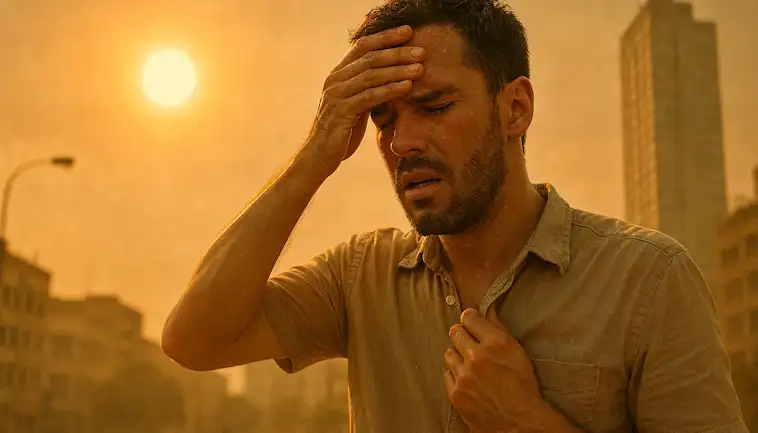
When most people think of extreme weather, storms and floods usually come to mind. Heat, on the other hand, often feels less dramatic. But here’s the truth: extreme heat quietly kills more people every year than hurricanes, floods, and tornadoes combined. It doesn’t grab headlines in the same way, yet it poses one of the biggest threats to our health and daily lives.
Unlike a sudden storm, heat builds slowly. It sneaks into homes, workplaces, and city streets. And because we can’t always “see” the danger, we tend to underestimate it. That’s what makes it so risky.
Heat Doesn’t Just Cause Dehydration
When the temperature soars, it’s not only about feeling sweaty or thirsty. High heat puts enormous stress on the body. It can worsen heart problems, trigger breathing issues, and push vulnerable groups—like children, older adults, and outdoor workers—into life-threatening situations. Even healthy people can collapse if they spend too long in the sun without enough rest or water.
Another danger is how heat lingers. Hot nights prevent our bodies from cooling down, leaving us exhausted and more vulnerable the next day. Cities are especially at risk because of the “urban heat island effect,” where concrete and asphalt trap heat long after the sun sets.
The problem isn’t going away either. As the planet warms, extreme heat waves are becoming more frequent, more intense, and harder to escape. That’s why understanding the hidden risks now is so important.
The Hidden Toll on Health, Work, and Daily Life
Extreme heat doesn’t just make us uncomfortable. It quietly affects how we live, work, and stay healthy. What looks like “just another hot day” can take a serious toll in ways many of us don’t notice until it’s too late.
How Extreme Heat Shapes Everyday Choices
When temperatures rise, our bodies work harder. For some, that means dizziness, headaches, or trouble sleeping. For others, especially those with medical conditions, extreme heat can lead to severe health problems. Emergency rooms often see a spike in visits during heat waves, even if the news doesn’t always report it.
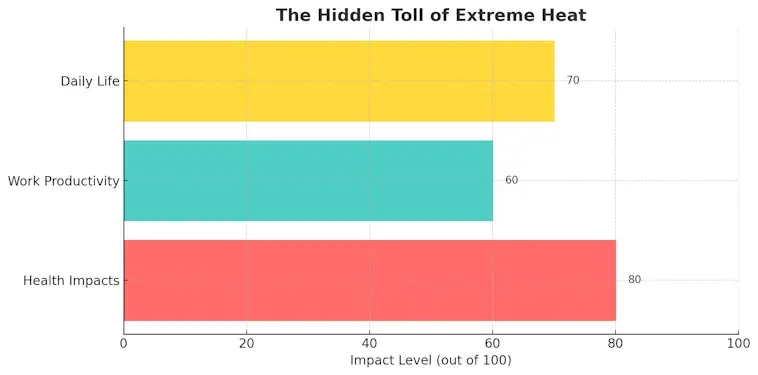
Workplaces feel the strain too. Outdoor workers, like those in construction or agriculture, face dangerous conditions that put their health on the line. Productivity drops as people slow down to cope with the heat, and safety risks climb. Indoors, things aren’t much better if air conditioning is limited or expensive to run.
Daily life also shifts in subtle ways. Families spend more time inside, outdoor events get canceled, and energy bills soar. The stress adds up, and over time, it can affect mental well-being too.
What makes all this harder is that extreme heat often hits the most vulnerable communities first and worst. People without reliable cooling, shade, or access to healthcare face the biggest risks. And as heat waves grow stronger, these challenges will only spread.
Cities Are Becoming Heat Traps—Here’s Why
If you’ve ever walked through a city on a hot summer night, you may have noticed something strange. Even after the sun sets, the air feels heavy and warm. That’s no accident. Cities are turning into heat traps, and the reasons are hiding in plain sight.
The Urban Heat Island Effect
Buildings, roads, and parking lots soak up heat during the day. Instead of cooling off like trees or grass would, these hard surfaces release heat back into the air long after sunset. The result is what scientists call the “urban heat island effect.” But in simple terms, it just means cities stay hotter than nearby rural areas.
Add in traffic, air conditioning systems pushing out hot air, and fewer green spaces, and the problem gets worse. Nighttime becomes especially dangerous because our bodies never get the break they need. That lack of relief raises health risks and increases energy use as people run fans and AC around the clock.
This issue doesn’t just affect comfort. It changes how people live, from outdoor activities to the cost of keeping a home cool. And as climate change pushes temperatures higher, city heat traps will only grow more intense.
Who Suffers Most When Temperatures Soar?
Not everyone feels the effects of extreme heat the same way. Some people can adapt more easily, while others face much higher risks. When temperatures climb, the burden often falls on those who are least able to cope.
Extreme Heat Hits Vulnerable Groups First
Older adults, young children, and people with chronic health conditions are especially at risk when the heat intensifies. Their bodies struggle to regulate temperature, making them more likely to face serious health problems. Outdoor workers, like those in farming and construction, are also exposed for long hours with little chance to cool down.
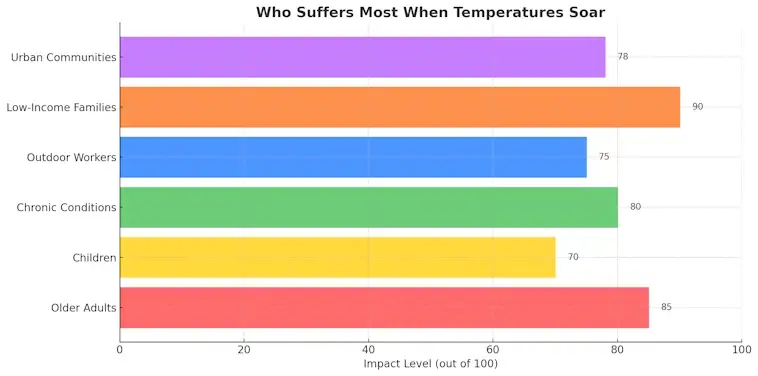
But it’s not only about health. Low-income families often live in homes without air conditioning or safe green spaces nearby. Many cannot afford the rising cost of energy bills during long heat waves. For them, staying cool becomes a daily challenge.
Communities in crowded urban neighborhoods also suffer. With limited shade and plenty of concrete, these areas trap heat and keep it from escaping overnight. That makes recovery even harder.
Understanding who suffers most when temperatures soar helps us see that extreme heat isn’t just a weather event—it’s an inequality issue. Protecting those most at risk means investing in better housing, cooling centers, and public health systems before the next heat wave hits.
How We Can Adapt and Protect Ourselves from Rising Heat
Extreme heat is no longer a rare event—it’s becoming part of our everyday lives. The good news is that we’re not powerless. By making smart choices and preparing ahead, we can protect ourselves, our families, and our communities from the dangers of rising heat.
Small Changes Make a Big Difference
Staying safe starts with simple daily habits. Drinking plenty of water, wearing light clothing, and avoiding outdoor activities during the hottest hours of the day can make a real difference. For those who work outside, taking breaks in the shade and rotating tasks helps reduce health risks.
Homes and neighborhoods can also be part of the solution. Planting trees, creating shaded areas, and using reflective roofing materials keep spaces cooler. Communities that invest in cooling centers and public green spaces give people a safe place to escape the worst of the heat.
Technology plays a role too. Smart thermostats, better insulation, and energy-efficient fans can help lower costs while keeping homes safe. On a larger scale, cities are beginning to test new approaches like “cool pavements” and rooftop gardens that reduce heat buildup.
Adapting to extreme heat is about both personal responsibility and community support. If we take action now, we can build healthier, cooler, and more resilient places to live—no matter how high the temperature climbs.
Facing the Reality of Extreme Heat
Extreme heat is no longer just a summer inconvenience—it’s a growing challenge that affects health, work, and daily life. From vulnerable communities to crowded cities, the impacts are already here and getting stronger.
The good news is that we can take action. By staying informed, making small lifestyle changes, and supporting community solutions like cooling centers and greener urban spaces, we can reduce the risks. Extreme heat may be one of the most underestimated climate threats, but it doesn’t have to catch us off guard.
The more we adapt and prepare today, the safer and more resilient our future will be. Extreme heat is serious—but together, we have the power to beat it.