

Extreme Flooding Is Revealing the Devastating Costs We Face
Extreme Flooding Is Forcing Us to Confront the Real Risks Ahead
Extreme flooding is reshaping neighborhoods and draining household finances in ways many people never expected. As these events grow more frequent, the hidden costs start stacking up—lost homes. Damaged roads. Rising insurance premiums. And long recoveries that disrupt daily life.
More communities are beginning to ask the same question: how much more can we absorb? And as climate patterns shift, the stakes keep rising. This growing pressure is pushing families, local governments, and entire regions to rethink how they prepare for the next storm.
The full picture is becoming clearer. And the real cost is not just measured in dollars, but in the strain placed on people who are forced to rebuild again and again.
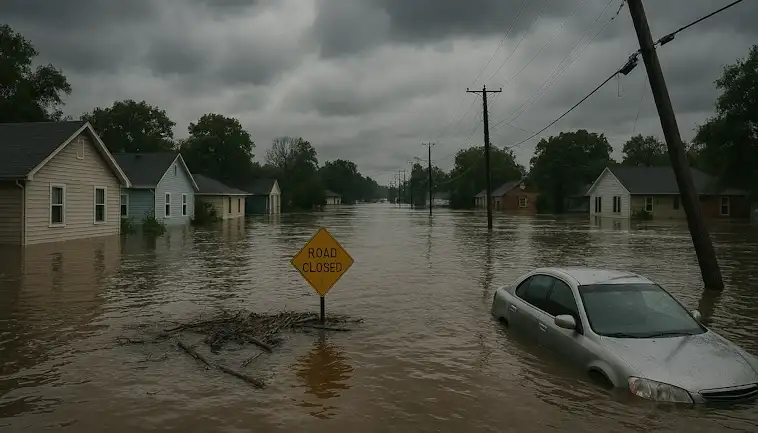
Extreme Flooding Is Changing How Communities Rebuild
Extreme flooding is becoming a defining force in how towns and cities plan for the future. You can feel the shift almost everywhere. People are asking new questions. They want homes that can withstand stronger storms. Infrastructure that bends but does not break. And they want local leaders to think beyond quick fixes.
As these disasters become more common, communities are learning to adapt. They are moving from recovery to resilience. That means shorter rebuild times, smarter materials, and designs that work with nature rather than against it. It also means recognizing that rebuilding the same way as before is no longer enough.
Why Higher Ground Matters More Than Ever
One trend you see today is the rise of relocation to higher ground. While it can feel emotional to leave a longtime home, many families discover a new sense of safety. Local governments are now creating buyout programs. These programs help homeowners move before the next storm hits. It is a tough choice, but it can offer long-term security.
At the same time, engineers are changing their playbooks. They are building elevated structures. Installing stronger drainage systems. And using materials that resist water damage. These upgrades are simple in concept but powerful in helping communities bounce back faster.
Looking ahead, extreme flooding will continue shaping how we live. And because of that, communities everywhere must stay one step ahead. With thoughtful planning and a willingness to innovate, rebuilding can become an opportunity—not just a response to disaster.
Why the True Cost of Water Damage Keeps Rising
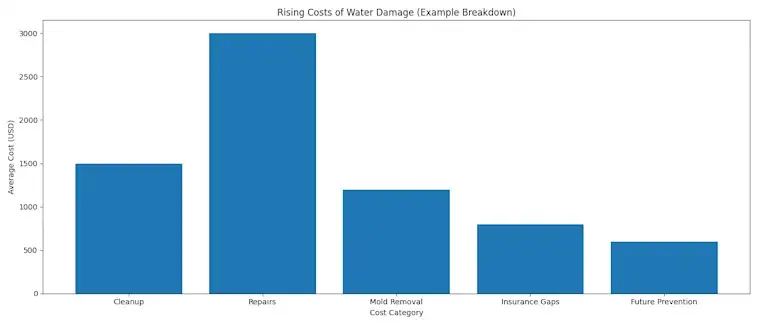
Water damage used to feel like a rare event. Now it’s becoming a predictable part of life for many homeowners. And the real cost? It’s rising faster than most people expect. When a pipe bursts or a storm floods a room, the first thing we think about is cleanup. Yet the hidden expenses often show up later. They tend to come in waves, which is why so many families feel blindsided.
Today, homes contain more electronics, more built-ins, and more delicate materials than ever. Everything is more expensive to repair or replace. And as our climate becomes more unpredictable, the risk of repeat incidents grows too. This means the cost of water damage is no longer a one-time burden. It’s a long-term financial threat that follows you around if you ignore the early signs.
As we look ahead, it’s helpful to understand how these costs break down. It gives you a clearer path to prevention. And it helps you make smarter decisions before small problems turn into major headaches.
Extreme Flooding Exposes Hidden Risks in Everyday Places
Extreme flooding is no longer a rare headline. It is now a recurring threat that reaches deeper into our daily routines than many of us realise. You may not notice the early signs. Yet when water rises fast, it exposes risks that usually stay out of sight. As we look ahead, these events will likely become more common. So it helps to understand how vulnerable our everyday places really are.
When floodwaters spread across streets, shops, and neighbourhoods, they reveal just how connected our systems are. A single storm can bring down power lines. Pollute local parks. Or shut down the small businesses we rely on. This feels personal because it shapes how we live, work, and move around our communities.
You might think the damage stops once the water pulls back. However, the hidden effects often linger. They show up in indoor air quality, weakened structures, and contaminated soil. And because extreme flooding is happening more often, these risks build over time. That is why learning what to watch for can help you prepare and respond faster.
Here are some of the often overlooked dangers that extreme flooding reveals:
- Waterlogged walls that later grow mould
- Damaged electrical systems that create fire risks
- Contaminated tap water from overwhelmed treatment plants
- Polluted playgrounds and parks after runoff spreads chemicals
As the climate continues to shift, we will see more pressure on places we assume are safe. But staying informed helps you act early. It also makes your community more resilient. The more you understand how extreme flooding disrupts daily life, the easier it becomes to spot weak points and push for better protection.
How Climate Shifts Are Turning Rare Storms Into Regular Events
Weather used to follow patterns we could count on. But today, those patterns are breaking. Storms that once made headlines for being unusual are now showing up far more often. And as the climate keeps warming, these “rare” weather events are slipping into the realm of the expected.
You may already feel the change. Maybe your town has seen heavier rain than usual. Or storms seem to form faster, hit harder, and stay longer. These shifts aren’t happening by chance. They’re part of a clear trend driven by rising temperatures, warmer oceans, and changing atmospheric conditions.
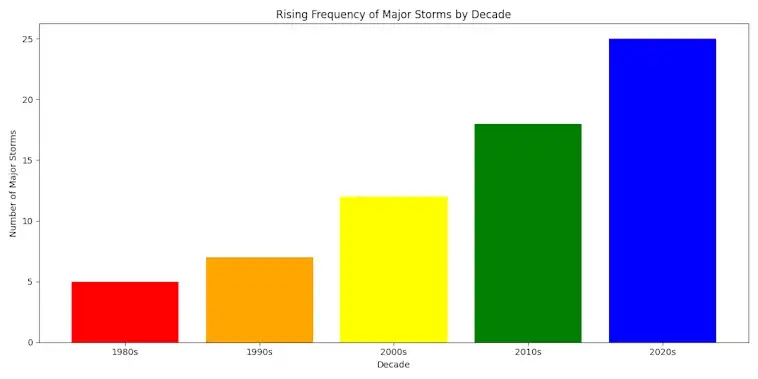
As the planet heats up, storms gain more energy. That means more moisture in the air, more intense rainfall, and stronger winds. Over time, this turns what used to be a once-in-a-decade storm into something we could see every few years. And if we look ahead, the pattern suggests these events will continue to become more common unless emissions drop significantly.
To help illustrate the trend, the chart below shows how the number of major storms has climbed over the past several decades. While the exact numbers vary by region, the direction is unmistakable. Extreme storms are no longer outliers. They are increasingly part of our everyday climate.
What We Can Do Now to Reduce Tomorrow’s Flood Losses
When floods hit, they often feel sudden and overwhelming. Yet many of the biggest losses are preventable. With a few smart steps today, we can soften tomorrow’s impact. This matters whether you live near a river, a coastline, or even a fast-growing suburb. After all, flooding is no longer a distant threat. It’s something that is shaping our insurance costs, our housing choices, and even the stability of our local economies.
The good news is that we still have time to act. And even small actions can make a real difference. So let’s look at what works now—and what will keep working as weather patterns continue to shift.
Community Planning for Extreme Flooding
Communities that prepare together stand stronger when storms arrive. Better drainage systems help. So do green spaces that absorb water rather than push it into homes and streets. Many towns are also improving early-warning alerts so people have time to protect property and get to safety. These actions may sound simple, but when combined, they significantly cut future losses.
At home, there are steps worth taking too. Clear gutters. Elevate valuable equipment. Consider flood-resistant materials if you’re renovating. These choices don’t just limit damage. They also boost peace of mind, which is something every homeowner deserves.
Another part of the solution is understanding your real level of risk. Flood maps are changing fast, and some areas classified as “low risk” a decade ago no longer fit that category. One helpful place to explore updated risk assessments is the UN Office for Disaster Risk Reduction.
As we look ahead, it’s clear that resilience starts with awareness. And action. If more of us take steps now—both personally and through community planning—we can face tomorrow’s storms with far less fear and far fewer losses.
Why Extreme Flooding Demands Our Attention Now
Extreme flooding is no longer a distant threat. It is reshaping communities, straining public budgets, and exposing the true cost of a warming world. As these disasters become more frequent, we can no longer rely on outdated models or short-term fixes. Instead, we need forward-looking plans that protect people, homes, and local economies.
When we pay attention to how extreme flooding is changing our lives. We then gain the power to push for smarter infrastructure. Stronger policies. And better early-warning systems. Moreover, we can make choices that reduce risk—both for ourselves and for the next generation.
As you move forward, consider what role you can play, whether by staying informed, supporting resilient development, or advocating for climate-ready solutions. Each step matters. And together, we can build a future where extreme flooding no longer catches us off guard, but instead fuels smarter, safer ways of living.