

Evidence Shell Dissolution Signals Oceans in Crisis
Evidence Shell Dissolution Signals Oceans in Crisis
Evidence of shell dissolution is emerging as one of the clearest signs that our oceans are under stress. Tiny marine creatures, from plankton to shellfish, are struggling to maintain the protective shells that support life across the food chain. When these shells begin to weaken, it signals more than a local problem—it points to a global shift in ocean chemistry tied to rising carbon emissions.
Scientists warn that shell dissolution is not just a scientific curiosity. It’s a red flag for the future of ecosystems, fisheries, and the millions of people who depend on healthy oceans for food and livelihoods. Understanding what shell dissolution means today can help us grasp the urgent changes happening beneath the waves and why action is needed to safeguard the seas.
What Shell Dissolution Tells Us About Ocean Health
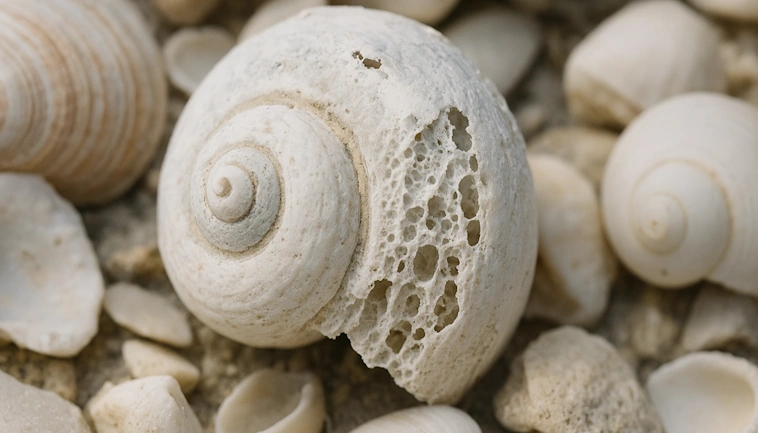
When we think about ocean health, we often picture coral reefs, fish populations, or the clarity of the water. But one of the most telling signs of trouble is far less obvious: the slow dissolving of tiny shells. These shells belong to plankton and other small marine creatures, and their survival is closely tied to the balance of our oceans.
As carbon dioxide levels rise, the ocean absorbs more of it. This changes the chemistry of seawater, making it more acidic. Acidic waters weaken shells made of calcium carbonate, leaving them thin, fragile, and sometimes even transparent. For the creatures that depend on these shells for protection, it’s like losing their armor.
Why Small Changes Matter
It might be easy to dismiss the fate of microscopic shells. After all, they’re too small to see without a microscope. But their importance is huge. Plankton form the base of the food web, feeding everything from tiny fish to whales. If their shells weaken, entire ecosystems can shift. Over time, this ripple effect could reduce fish stocks, disrupt food supplies, and alter ocean cycles that regulate our climate.
The story of shell dissolution is more than a science detail—it’s a warning. Oceans have always been resilient, but the speed of today’s changes is pushing them to the limit. By paying attention to the smallest signs, like the health of plankton shells, we gain a clearer picture of the challenges ahead.
Protecting ocean health starts with reducing carbon emissions and supporting stronger conservation efforts. The fragile shells of plankton remind us that even the tiniest organisms carry a big message about the state of our planet.
Shell Dissolution and Its Link to Climate Change
When we talk about climate change, the focus is often on rising temperatures, stronger storms, or melting ice. But there’s another, quieter signal of change happening beneath the waves—shell dissolution. This process is a direct reflection of how our oceans are responding to the excess carbon in the atmosphere.
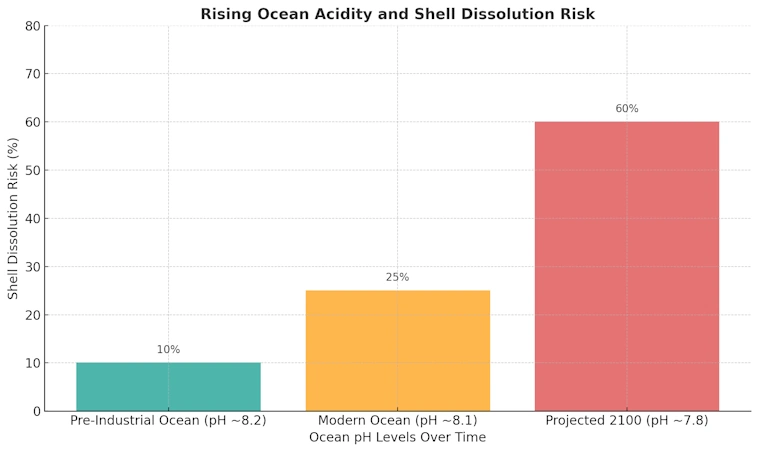
As more carbon dioxide is released from burning fossil fuels, much of it is absorbed by the sea. While that might sound helpful at first, it actually creates a hidden problem. The ocean becomes more acidic, which makes it harder for shell-building organisms, like plankton and mollusks, to hold on to their protective layers. Over time, their shells begin to weaken, crack, and dissolve.
A Hidden Warning Sign
This slow breakdown of shells is more than just a biological detail. It’s a warning sign of larger climate stress. Shell-forming creatures are not only vital for marine food webs, but they also play a role in regulating the planet’s carbon cycle. If they can’t survive, the balance of life in the ocean shifts. That shift affects fish populations, coastal communities, and even the global climate.
What makes shell dissolution such an important indicator is its speed. Oceans have always had natural cycles, but today’s changes are happening much faster than marine life can adapt. That’s why scientists pay close attention to these tiny organisms. They are early messengers of the challenges we all face.
Caring for the ocean means acting on climate change now. Reducing carbon emissions, supporting renewable energy, and protecting marine ecosystems can help slow the process. Shell dissolution may start small, but its impact touches us all.
Shell Dissolution’s Impact on Marine Life Survival
When you picture the ocean, you might imagine strong coral reefs, colorful fish, or giant whales. But the survival of many marine creatures actually depends on something much smaller—tiny shells. These shells, built by plankton, snails, and other sea life, are more than just protective coverings. They’re the foundation of life in the ocean.
As ocean waters grow more acidic, shells begin to weaken. This process, called shell dissolution, makes it harder for marine animals to survive. Without strong shells, creatures become more vulnerable to predators, disease, and changes in their environment. It’s like trying to live in a house with crumbling walls.
The Ripple Effect on Food Webs
When small shell-building organisms struggle, the entire food chain feels the impact. Plankton, for example, feed countless species—from small fish to whales. If their numbers drop, fish populations shrink. That, in turn, affects larger predators and even the seafood available for humans. What starts with tiny shells can ripple across the ocean and onto our dinner plates.
Scientists see shell dissolution as a warning sign. It’s not just about the loss of one group of animals. It’s about the health of entire ecosystems. Protecting these creatures means protecting the balance of life in the ocean.
The good news is that solutions exist. Cutting carbon emissions, restoring coastal habitats, and supporting sustainable fishing can all make a difference. By addressing shell dissolution now, we give marine life a fighting chance to adapt and survive.
Shell Dissolution as a Warning for Coastal Communities
For many coastal communities, the ocean is more than scenery. It’s a source of food, jobs, and cultural identity. But a hidden threat—shell dissolution—is quietly putting this way of life at risk. The weakening of shells in marine species is more than a scientific concern. It’s a signal that coastal economies and traditions may face real challenges in the years ahead.
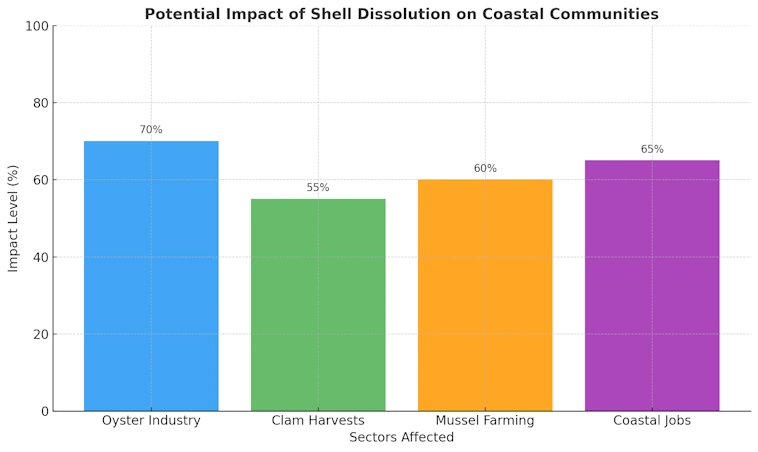
As the ocean absorbs more carbon dioxide, its chemistry shifts. Waters become more acidic, and shell-forming creatures like oysters, mussels, and clams struggle to survive. These species are not only important for the environment, but also for local industries that depend on healthy harvests.
A Risk to Livelihoods and Traditions
When shellfish populations decline, fishermen lose income, restaurants face shortages, and communities see long-standing traditions threatened. For some regions, shellfish farming is a cornerstone of local culture. Losing that means more than economic hardship—it means losing part of a community’s story.
The warning from shell dissolution is clear: what happens in the water doesn’t stay there. It reaches dinner tables, job markets, and community bonds. Protecting shellfish and other marine life means protecting the people who rely on them.
Acting on climate change, supporting sustainable aquaculture, and restoring marine habitats are all steps that can help. By paying attention to the small signs, like the dissolving shells of ocean life, coastal communities can prepare and push for change before the impact grows too large.
Can We Protect Our Oceans Before It’s Too Late?
The ocean gives us food, jobs, and even the air we breathe. But today, it’s under more pressure than ever before. Rising carbon emissions, warming waters, and acidification are pushing marine life to its limits. The big question we face is simple: can we act fast enough to protect our oceans before it’s too late?
Small Actions With Big Impact
It’s easy to feel powerless in the face of such a global issue. But small actions add up. Cutting back on single-use plastics, choosing sustainable seafood, and supporting renewable energy all help ease the stress on our oceans. Even lifestyle changes—like reducing car use or conserving energy at home—contribute to lowering carbon emissions that drive ocean acidification.
The good news is that the ocean is resilient. When given a chance, marine ecosystems can recover. We’ve seen coral reefs rebound when protected and fish populations return under sustainable management. These success stories remind us that action works.
The challenge is timing. If changes keep moving at today’s pace, the damage could outstrip nature’s ability to recover. That’s why scientists and coastal communities urge stronger global commitments, from reducing emissions to expanding marine protected areas.
The ocean’s future is tied to ours. Protecting it is not just about saving whales or coral reefs. It’s about securing food, jobs, and climate stability for generations to come. The window to act is still open—but it’s closing fast.
Shell Dissolution Is a Call to Action
Shell dissolution may seem like a small detail in the vast ocean, but it carries a powerful message. Weakening shells signal rising ocean acidity, disrupted food webs, and risks for both marine life and human communities. From plankton to oysters, these changes remind us that the health of the ocean is directly tied to our own survival.
Protecting the seas means tackling climate change head-on—by reducing carbon emissions, supporting clean energy, and restoring marine habitats. Every choice, from what we eat to how we power our lives, plays a role in the future of our oceans.
The science is clear: the time to act is now. By listening to the warning signs of shell dissolution, we can still protect marine ecosystems and ensure that our oceans remain vibrant, resilient, and life-sustaining for generations to come.