

Epic Signs of a Monumental Water Shortage Unfolding
Epic Signs of a Monumental Water Shortage Unfolding
Water shortage is no longer a distant concern—it’s unfolding all around us. From shrinking rivers to parched farmland, the signs are becoming impossible to ignore. Communities are watching reservoirs dip to record lows while farmers struggle to keep crops alive. Even major cities are feeling the pressure as demand for clean water outpaces supply.
The warning signals are growing louder each year. Extreme heat, longer droughts, and booming populations are straining the planet’s most essential resource. What once seemed like a challenge reserved for arid regions is now a global reality. Understanding these signs matters because they reveal not just today’s crisis, but also the challenges we may face tomorrow if solutions don’t take hold.
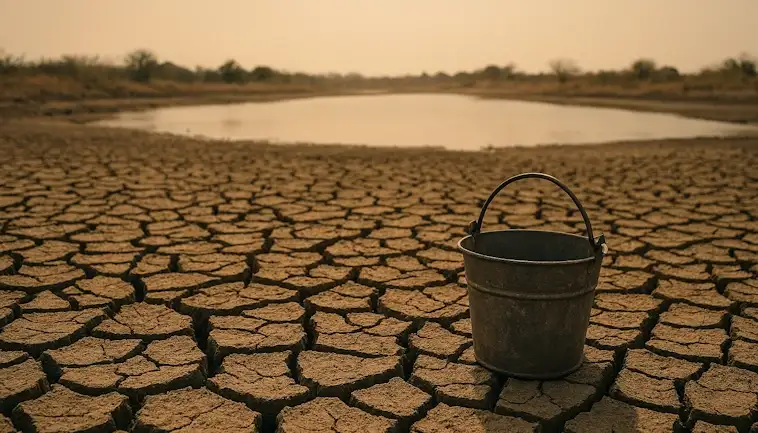
Water Shortage Warning: Rivers and Reservoirs Are Shrinking Fast
If you’ve noticed the news lately, water levels are dropping in many places faster than expected. Rivers that once flowed steadily are now reduced to thin trickles. Reservoirs that supply millions of people with drinking water are hitting record lows. It’s not just happening in one region either—this is becoming a global issue.
The warning signs are everywhere. Drier summers, heavier demand, and less reliable rainfall are all putting stress on our water systems. The result? Communities are being asked to conserve, farmers are facing tough decisions, and ecosystems that depend on a steady flow are under threat.
Why Every Drop Counts
Think about how much water runs through your daily life. From the glass you drink at breakfast to the power generated by hydroelectric dams—water is central to it all. When supplies shrink, it doesn’t just mean less for your garden or lawn. It ripples out, touching food production, energy costs, and even local economies.
The situation may sound alarming, but it’s also a wake-up call. By paying attention now, we can make smarter choices. That means reducing waste, supporting better infrastructure, and rethinking how we use water at home and in business.
The bottom line is this: shortages are no longer a distant problem. They’re happening now, and the sooner we act, the better prepared we’ll be.
Communities on Edge as Droughts Stretch Longer Each Year
Across many regions, drought is no longer a rare challenge. It has become a yearly reality that is stretching longer with each passing season. Communities are feeling the pressure as rivers shrink, farmland dries out, and supplies dip to historic lows.
What once was a temporary hardship is now a constant worry. Farmers face smaller harvests. Families see water restrictions tighten. Even city planners are scrambling to manage the rising demand for a resource that is becoming harder to secure.
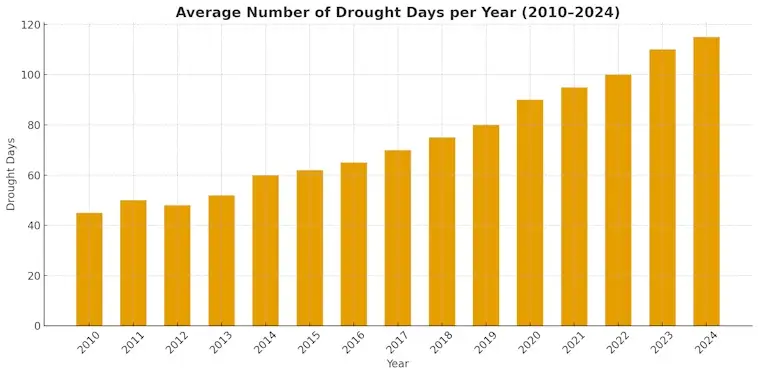
The data tells the story clearly: the number of drought days has been climbing year after year. What we’re seeing is not just a bad season, but a long-term shift. If the trend continues, communities will need to adapt faster, rethink how they use water, and build resilience for a drier future.
Global Water Shortage Crisis: How It’s Hitting Cities and Farms
Water is something most of us take for granted. Turn on the tap, and it’s there. But across the world, that simple act is becoming less certain. The global water shortage crisis is no longer a distant problem—it’s here, and it’s hitting both our cities and our farms hard.
The demand for fresh water keeps rising, while climate change, population growth, and pollution are shrinking supply. Cities face the pressure of keeping millions of people hydrated, while farmers struggle to keep crops alive. Both sides of this story matter, because when water runs low, food prices climb, and daily life becomes unstable.
Here’s how the shortage is unfolding in real time:
- Cities are rationing water: From Cape Town to Los Angeles, urban areas are imposing restrictions on households.
- Agriculture is under strain: Farmers are seeing lower yields as rivers and reservoirs dry up.
- Groundwater is disappearing: Wells are being drilled deeper, yet many are running dry.
- Water quality is worsening: Pollution and saltwater intrusion are making clean water harder to access.
- Conflicts are growing: Communities and nations are clashing over limited supplies.
The crisis touches everything—food, energy, health, and even peace. And while the problem feels massive, understanding how it affects both cities and farms is the first step toward finding solutions.
Everyday Life Disrupted: From Empty Wells to Rising Bills
When people think about climate change, they often imagine melting ice caps or distant storms. But the truth is, the biggest impact shows up right at home. Everyday life is being disrupted in ways that are hard to ignore.
Water wells that once ran steady are now drying out, forcing families to truck in water. Grocery bills are climbing as farmers face extreme heat and unpredictable rains. Energy costs spike during longer, hotter summers when air conditioners never seem to turn off. And healthcare bills rise as heat waves and poor air quality trigger more illness.
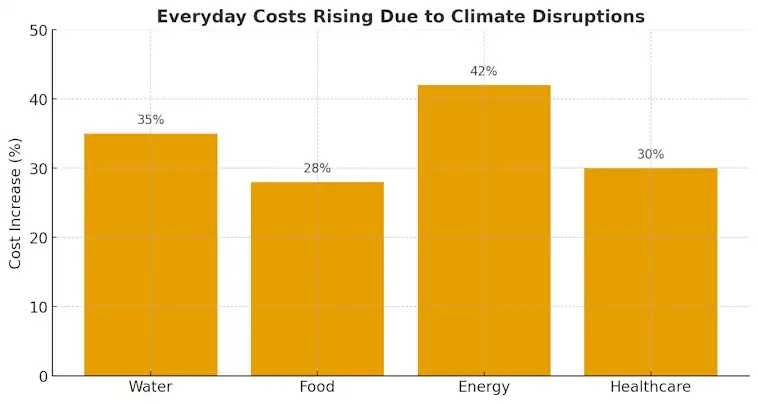
These shifts don’t just hit the environment. They hit wallets, routines, and the sense of security we once took for granted. The everyday basics — water, food, power, health — are becoming harder to manage and more expensive. And while each disruption might feel small on its own, together they paint a bigger picture of how climate change is reshaping daily life.
The Future of Freshwater: Can We Avoid a Full-Blown Crisis?
Freshwater is something most of us take for granted. We turn on the tap, and it’s there. But the truth is, the world’s supply is under real pressure. Growing populations, climate change, and pollution are all testing the limits of this essential resource.
Right now, more than two billion people live with limited access to clean water. And that number is expected to rise. If we keep moving down this path, the risks of widespread shortages will only grow. But here’s the good news: there’s still time to change course.
Facing a Global Water Shortage
The future of freshwater doesn’t have to be bleak. Smarter farming methods, improved water recycling, and better city planning can all help reduce waste. Even small shifts in how we use water at home—like fixing leaks, using efficient appliances, or choosing drought-friendly landscaping—can make a real difference when multiplied across millions of households.
Technology is also opening new doors. Desalination plants, rainwater harvesting systems, and AI-powered management tools are becoming more affordable. These innovations could play a big role in balancing supply and demand in the years ahead.
Still, solutions only work if we act. Governments, businesses, and individuals all need to step up. Freshwater isn’t an endless resource. The choices we make now will determine whether future generations inherit a thriving world or one where clean water is a luxury.
Facing the Water Shortage Challenge Together
Water is no longer a resource we can take for granted. Shortages are affecting communities around the world, and the choices we make today will shape tomorrow’s access to clean water. From small daily habits to supporting larger conservation efforts, every action counts. The good news is that solutions are within reach if we act with urgency and commitment.
Now is the time to be part of the change. Start by reducing waste at home, supporting policies that protect sources, and spreading awareness. Together, we can turn the tide on water scarcity and secure a sustainable future.
Don’t wait for tomorrow—start today. Share this post, make one small change in your water use, and inspire others to do the same. The future depends on all of us.